
 By admin
September marks the annual observance of Childhood Cancer Awareness Month, a period dedicated to highlighting the unique challenges faced by pediatric patients and the urgent need for specialized research. For the Children’s Cancer Research Fund (CCRF) and its network of supporters, this month transcends mere awareness, focusing instead on the tangible "moments that matter"—the everyday experiences of childhood that are often interrupted or lost during intensive medical treatment. By bridging the gap between community-driven philanthropy and high-level clinical research, the initiative seeks to return children to the normalcy of muddy pants, school days, and extracurricular activities. The 2024 campaign emphasizes that while medical progress has been significant, the path to a cure and better quality of life for survivors requires sustained, multifaceted support from individuals, local businesses, and corporate partners.
The Landscape of Pediatric Oncology and the Necessity of Private Funding
Childhood cancer remains the leading cause of death by disease for children in the United States. According to data from the National Cancer Institute (NCI) and the American Cancer Society, more than 10,000 children under the age of 15 are diagnosed with cancer annually in the U.S. alone. While five-year survival rates for all childhood cancers combined have increased from approximately 58% in the mid-1970s to over 85% today, these statistics mask the ongoing struggle of long-term side effects and the high mortality rates associated with specific, rarer forms of pediatric tumors.
A significant hurdle in the field of pediatric oncology is the disparity in research funding. National funding for cancer research often prioritizes adult cancers due to the higher volume of patients. Consequently, private organizations like the Children’s Cancer Research Fund play a critical role in financing early-stage, high-impact research that might otherwise lack the necessary capital to move into clinical trials. Since its inception in 1981, CCRF has contributed over $200 million to pediatric cancer research, focusing on innovative treatments such as immunotherapy, genomic sequencing, and the mitigation of "late effects"—the chronic health issues that plague many survivors into adulthood.
Strategic Community Engagement and DIY Philanthropy
The current Childhood Cancer Awareness Month initiative utilizes a "do-it-yourself" (DIY) fundraising model to democratize the philanthropic process. This approach allows individuals to align their personal interests and professional networks with the cause, creating a sustainable ecosystem of support. By empowering supporters to "Show Up Your Way," CCRF facilitates a variety of engagement points that cater to different demographics and capacity levels.
One of the primary avenues for individual contribution is the creation of personal fundraisers. These range from traditional neighborhood lemonade stands and golf tournaments to modern digital workplace giving campaigns. Birthday fundraisers, in particular, have seen a rise in popularity, leveraging social media platforms to turn personal milestones into opportunities for charitable impact. This grassroots level of support is vital, as it not only raises funds but also educates the public on the realities of pediatric cancer within their local communities.
As the calendar transitions into October, the campaign integrates seasonal themes to maintain momentum. The "Make Halloween More Meaningful" initiative encourages families to incorporate advocacy into their holiday traditions. Suggestions include collecting donations in lieu of traditional trick-or-treating or displaying QR codes on doorsteps to facilitate instant digital giving. These "small moments" are designed to integrate seamlessly into the lives of donors, proving that meaningful impact does not always require large-scale institutional intervention.
Commemorative Tributes and the Role of Honor Pages
A cornerstone of the advocacy effort is the creation of Honor Pages. These digital tribute spaces serve as a dual-purpose tool for both fundraising and emotional support. Families and friends can honor a child currently undergoing treatment, a survivor, a caregiver, or a loved one lost to the disease. By sharing personal stories and photographs, these pages humanize the statistics often associated with cancer, fostering a sense of community and shared purpose.
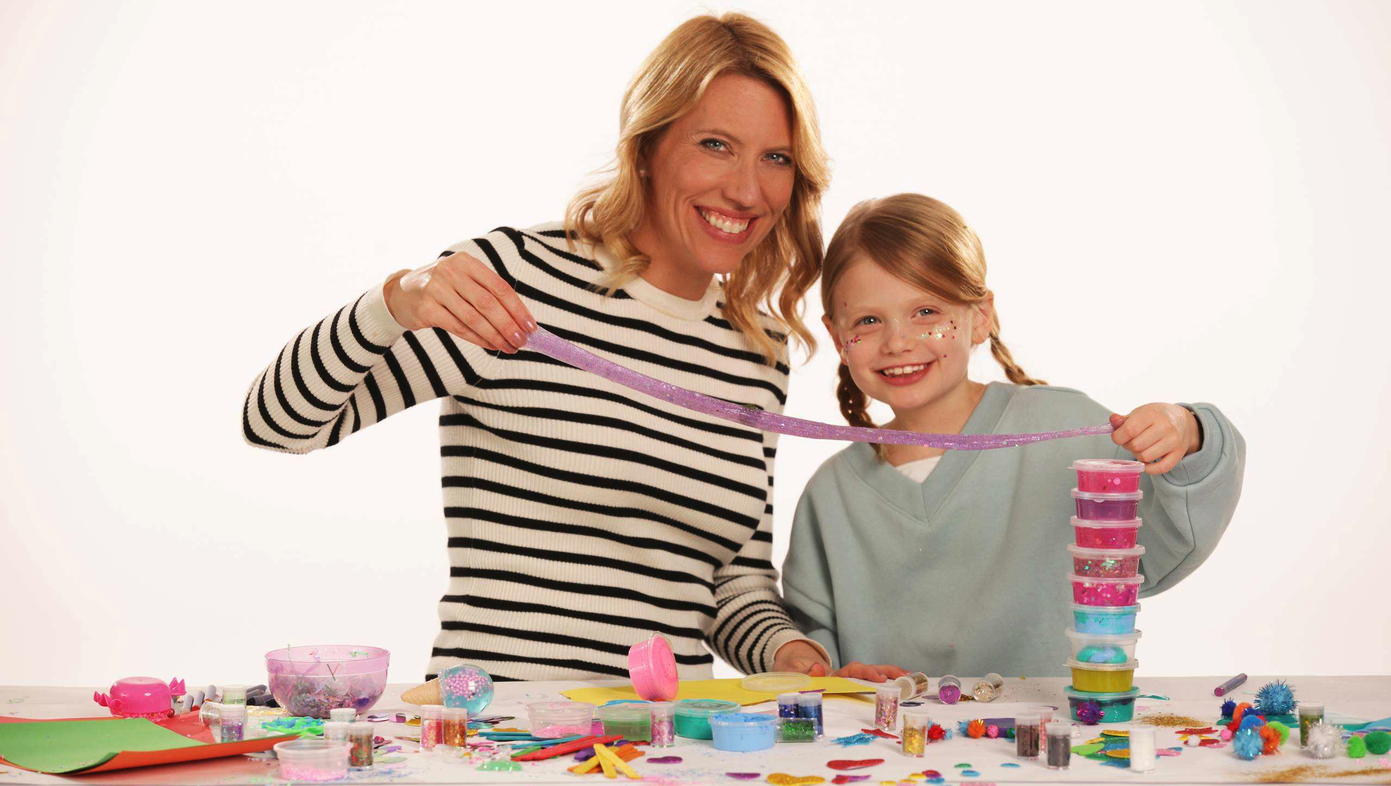
From a clinical perspective, these tributes often highlight the "extraordinary" nature of "ordinary" moments. For a child who has spent months in a sterile hospital environment, the ability to participate in a swim meet or a school craft session represents a major victory. The funds raised through these Honor Pages are directed toward critical research and family support programs, ensuring that more children have the opportunity to experience these milestones.
Regional Corporate Partnerships: The Twin Cities Model
The Twin Cities region serves as a central hub for CCRF’s collaborative efforts, with several prominent local businesses stepping forward to provide financial support and visibility during Childhood Cancer Awareness Month. These partnerships illustrate the power of corporate social responsibility (CSR) when applied to local health crises.
R.F. Moeller, a storied name in Minnesota’s jewelry industry, has committed to a unique "Time for the Moments" campaign. Throughout the month of September, the company is donating 100% of all watch battery sales from its two Minnesota locations to CCRF. This initiative is symbolic of the "time" families hope to gain through successful cancer treatments. By donating the entirety of this specific service revenue, R.F. Moeller provides a low-barrier way for the public to contribute while performing a routine task.
Similarly, the culinary community has mobilized to support the cause. Punch Pizza, a Twin Cities staple, has announced a targeted giving period from September 21 to September 25. During this window, 10% of all pizza sales across all locations will be donated to CCRF. This high-volume retail partnership not only generates substantial funding but also ensures that the message of Childhood Cancer Awareness Month reaches a broad, diverse audience of daily consumers.

In the fine dining sector, Spoon & Stable—the acclaimed restaurant led by James Beard Award-winning Chef Gavin Kaysen—is participating through a dedicated cocktail initiative. The restaurant is donating 20% of the proceeds from "Julian’s Manhattan," a cocktail served with a special purpose. This partnership highlights how the hospitality industry can leverage premium products to support life-saving research, engaging a demographic of donors who value both quality and community impact.
Additionally, Blaze Credit Union has been recognized for its community-wide support. Financial institutions like Blaze play an essential role in the philanthropic landscape by providing the organizational infrastructure and community visibility necessary to scale awareness campaigns. Their involvement underscores the fact that pediatric cancer advocacy is not just a medical issue, but a community-wide responsibility.
Chronology of Advocacy and the Evolution of Research
The history of Childhood Cancer Awareness Month is rooted in decades of advocacy by parents and medical professionals. While the gold ribbon—the international symbol for childhood cancer—was first established in 1997, the formal designation of September as a dedicated awareness month has helped consolidate efforts that were previously fragmented. Over the last forty years, the focus of organizations like CCRF has shifted from simply seeking survival to seeking "total health."
In the 1980s and 1990s, research was primarily focused on aggressive chemotherapy and radiation protocols. While effective at killing cancer cells, these treatments often caused significant damage to developing organs. Today’s research, funded by the initiatives seen this September, is increasingly focused on "targeted therapies." These treatments aim to attack specific genetic mutations within cancer cells while sparing healthy tissue, thereby reducing the long-term "late effects" that many survivors face, such as heart disease, secondary cancers, and cognitive impairments.

Analysis of Implications: Turning Research into "Childhood"
The ultimate goal of these fundraising and awareness efforts is to turn scientific data into a "return to childhood." This concept is a brief but potent analysis of the social implications of medical success. When research is adequately funded, it leads to shorter hospital stays, less toxic treatments, and higher recovery rates. For the patient, this translates to more time spent in the environments that define youth—playgrounds, classrooms, and family homes.
The professional journalistic consensus on such initiatives is that they are vital for maintaining the pipeline of innovation. Without the $200 million-plus raised by organizations like CCRF and the participation of businesses like Punch Pizza or R.F. Moeller, many of the breakthroughs in pediatric leukemia and brain tumor treatments would have been delayed by years. The "moments that matter" are, in fact, the end product of a complex supply chain of philanthropy, laboratory science, and community action.
As September concludes, the impact of these efforts will be measured not just in dollars raised, but in the number of research grants awarded and the number of families who receive the support they need to navigate a diagnosis. The collective effort of the Twin Cities community and individual donors nationwide serves as a blueprint for how a society can mobilize to protect its most vulnerable members, ensuring that the extraordinary moments of a healthy childhood remain accessible to every child, regardless of a cancer diagnosis.
