
 By admin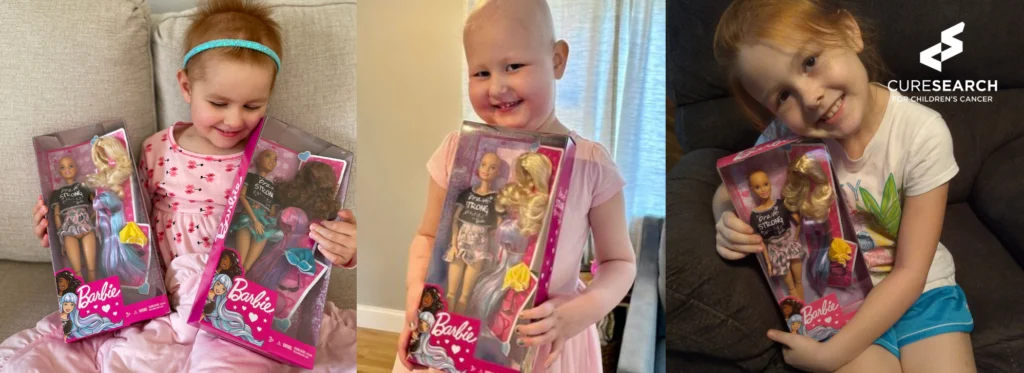
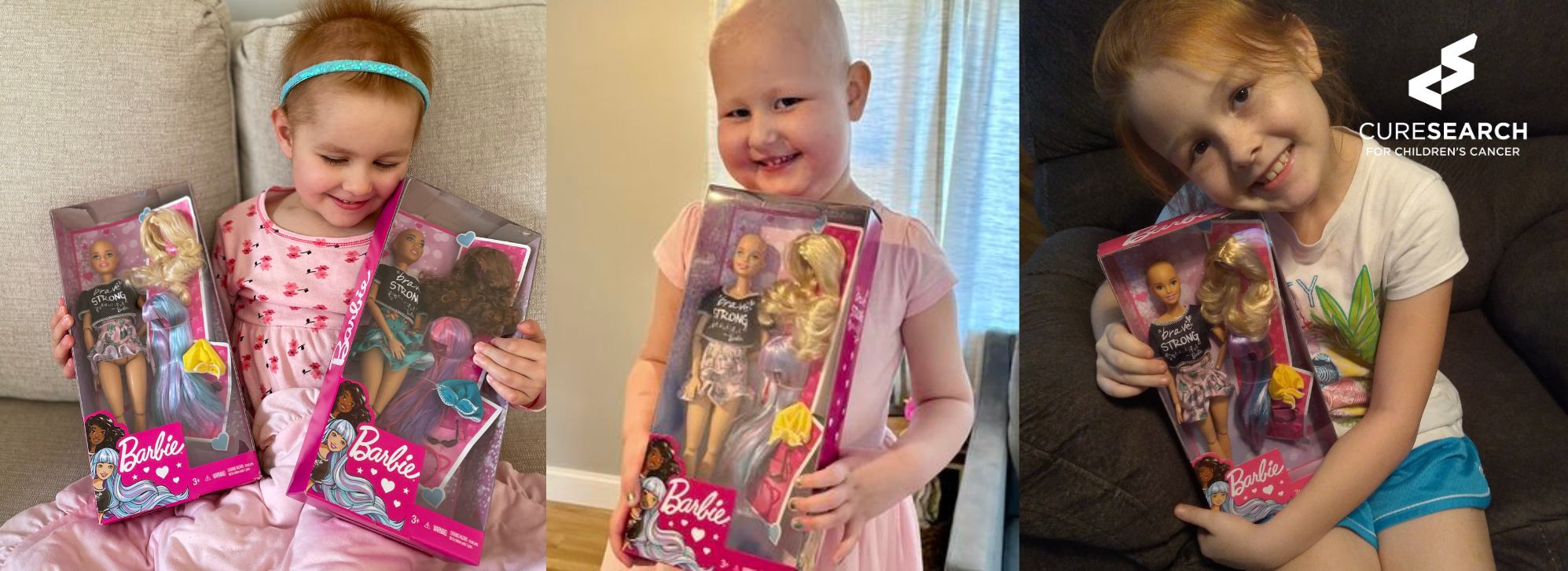
The milestone anniversary of a unique partnership between CureSearch for Children’s Cancer and Mattel marks a decade of providing specialized support to thousands of pediatric patients across the United States. Since its inception, the Brave Barbie initiative has served as a cornerstone of emotional support for children undergoing rigorous medical treatments, particularly those resulting in alopecia, or hair loss. By offering a doll that mirrors their own physical appearance during treatment, the program aims to mitigate the psychological trauma associated with childhood cancer and foster a sense of normalcy during a period of profound upheaval.
Based in Bethesda, Maryland, CureSearch for Children’s Cancer recently commemorated this 10-year journey, highlighting the distribution of over 100,000 dolls to children and more than 200 hospitals nationwide. The program’s longevity reflects a growing recognition within the medical and toy industries of the importance of representation in therapeutic play. For a child, a toy is often more than a plaything; it is a companion and a tool for processing complex emotions. When that toy reflects the child’s reality—including the absence of hair due to chemotherapy—it validates their experience and reinforces the message that they are not alone in their struggle.
The Genesis and Evolution of Brave Barbie
The collaboration between Mattel and CureSearch began as a response to a clear and unmet need in the pediatric oncology community. Historically, toys and dolls adhered to a narrow set of aesthetic standards that rarely included individuals with disabilities or those undergoing medical treatments. The push for a "chemo Barbie" gained significant public momentum around 2012, when advocacy groups and parents of children with cancer began petitioning for a doll that could help young girls cope with the hair loss that frequently accompanies cancer treatment.
Mattel responded by developing "Ella," a friend of Barbie who was bald. Unlike traditional Barbie dolls, Brave Barbie was never intended for retail sale. From the beginning, the strategy was focused on direct-to-patient and hospital distribution, ensuring that the dolls reached the hands of those who needed them most without a financial barrier. This philanthropic model has remained consistent for ten years, with Mattel’s Children’s Foundation and Corporate Philanthropy department overseeing the production and CureSearch managing the logistical outreach and advocacy.
Over the last decade, the program has expanded its reach. What started as a niche initiative has grown into a national program that is integrated into the child life services of major pediatric medical centers. Child life specialists often use the dolls to explain upcoming procedures or to help siblings understand why their brother or sister looks different.
The Harsh Reality of Pediatric Cancer Treatments
While Brave Barbie provides emotional comfort, the underlying reason for her existence remains a sobering reality: the high toxicity of current pediatric cancer treatments. Kay Koehler, President and CEO of CureSearch, emphasizes that the journey for a child with cancer does not end when they go into remission. The treatments required to save a child’s life are often so aggressive that they leave a lasting impact on the survivor’s health.
"When children go through cancer treatments, the toxicity from their treatment causes lifelong side effects," Koehler noted during the anniversary announcement. These "late effects" can include permanent hearing loss, vision impairment, cognitive delays, and damage to vital organs such as the heart and lungs. Furthermore, survivors of childhood cancer face a significantly higher risk of developing secondary cancers later in life.
The statistics surrounding pediatric oncology underscore the urgency of the mission. In the United States, approximately 15,000 children and adolescents under the age of 20 are diagnosed with cancer each year. While survival rates have improved for certain types of cancer, such as acute lymphoblastic leukemia (ALL), other forms remain difficult to treat, and the standard of care for many pediatric cancers hasn’t changed in decades. This stagnation is largely due to a lack of funding compared to adult cancer research, a gap that CureSearch seeks to bridge through its unique funding model.
Therapeutic Play and the Psychology of Representation
The impact of Brave Barbie is best understood through the lens of pediatric psychology and the concept of therapeutic play. For a child like Chloe, who was diagnosed with leukemia in 2022, receiving a doll that looks like her is a transformative experience. Her mother, Krystle Kincade-Crean, described the moment Chloe received her doll as one of pure joy. "I’m really happy that Brave Barbie can show Chloe that bald is beautiful and hair doesn’t define her," Kincade-Crean stated.
Psychologists argue that representation in toys allows children to externalize their fears. By projecting their experiences onto a doll, children can "play out" hospital scenarios, which helps them gain a sense of mastery and control over an environment where they often have very little. When a doll is bald, it removes the "otherness" that a child might feel when they look in a mirror. It normalizes the side effects of chemotherapy, reducing the stigma and social anxiety that many young patients feel when they lose their hair.
Furthermore, Brave Barbie serves as a bridge for communication between parents and children. Discussing hair loss can be one of the most difficult conversations for a parent. The doll provides a tangible visual aid to explain that while the medicine is very strong and makes the hair go away for a while, the person underneath remains the same.
CureSearch’s Mission: Accelerating Clinical Trials
Beyond the Brave Barbie initiative, CureSearch for Children’s Cancer plays a pivotal role in the scientific landscape of oncology. The organization’s primary focus is ensuring that every child has access to safe and effective treatment options. To achieve this, CureSearch employs a "translational" research funding model.
In the world of medical research, "translational" refers to the process of turning laboratory discoveries into clinical treatments. Many promising discoveries never make it out of the lab because of a lack of funding for the intermediate steps required to start a clinical trial. CureSearch specifically targets these projects, selecting those with the highest potential to reach patients quickly. By focusing on areas of high unmet need—such as rare pediatric tumors or cancers with high relapse rates—the organization acts as a catalyst for innovation.
Over its 35-year history, CureSearch has been a driving force in the field, advocating for increased federal funding and partnering with biotechnology companies to prioritize pediatric drug development. The Brave Barbie program complements this scientific work by addressing the immediate, daily emotional needs of the children who are waiting for these scientific breakthroughs.
Mattel’s Corporate Social Responsibility and Brand Evolution
The partnership with CureSearch is a significant component of Mattel’s broader corporate social responsibility (CSR) strategy. In recent years, the Barbie brand has undergone a massive transformation to become more inclusive and representative of the global population. The "Barbie Fashionistas" line now includes dolls with varying body types, skin tones, and physical disabilities, including dolls that use wheelchairs or have prosthetic limbs.
Nancy Molenda, Executive Director of Mattel Children’s Foundation, highlights that Brave Barbie is a vital part of this evolution. "Brave Barbie is given to children that are going through difficult cancer treatments so that they can see themselves and feel comforted that they’re not going through this alone," she said. By leveraging its global brand recognition, Mattel is able to provide a level of visibility to the childhood cancer cause that few other corporations can match.
This commitment to "purposeful play" aligns with Mattel’s goal of empowering children to reach their full potential. For a child in a hospital bed, reaching that potential starts with having the resilience to endure treatment. By providing a "friend" like Brave Barbie, Mattel contributes to the holistic care of the patient, acknowledging that healing involves the mind and spirit as much as the body.
Broader Implications for the Healthcare Industry
The success of the Brave Barbie program over the last decade offers a blueprint for other partnerships between the private sector and healthcare nonprofits. It demonstrates that corporate philanthropy is most effective when it leverages the specific strengths of the company—in this case, Mattel’s design and manufacturing capabilities—to solve a specific, identified need within a community.
The program also highlights the critical role of nonprofit organizations like CureSearch in acting as intermediaries. CureSearch provides the medical expertise and the network of hospital connections necessary to ensure that the resources are distributed equitably and effectively.
As the program enters its second decade, the focus remains on expansion and awareness. While 100,000 dolls is a significant milestone, the need persists as long as children are being diagnosed with cancer. The ability for families in the United States to request these dolls for free via the CureSearch website ensures that the program remains accessible to all, regardless of socioeconomic status.
Conclusion: A Decade of Resilience
The 10-year anniversary of Brave Barbie is a testament to the power of empathy and the impact of representation. What began as a response to a community’s plea has become a staple of support in pediatric oncology wards across the country. While the ultimate goal of organizations like CureSearch is to find cures that eliminate the need for such treatments—and thus the need for Brave Barbie—the doll remains a necessary and beloved companion for those currently in the fight.
In the intersection of corporate resources and nonprofit dedication, Brave Barbie stands as a symbol of resilience. She reminds patients, families, and the medical community that even in the face of the most daunting health challenges, the spirit of childhood must be protected and celebrated. As research continues to advance toward safer, less toxic treatments, the legacy of the last ten years ensures that no child has to face the journey of hair loss without a friend who looks just like them.
