
 By admin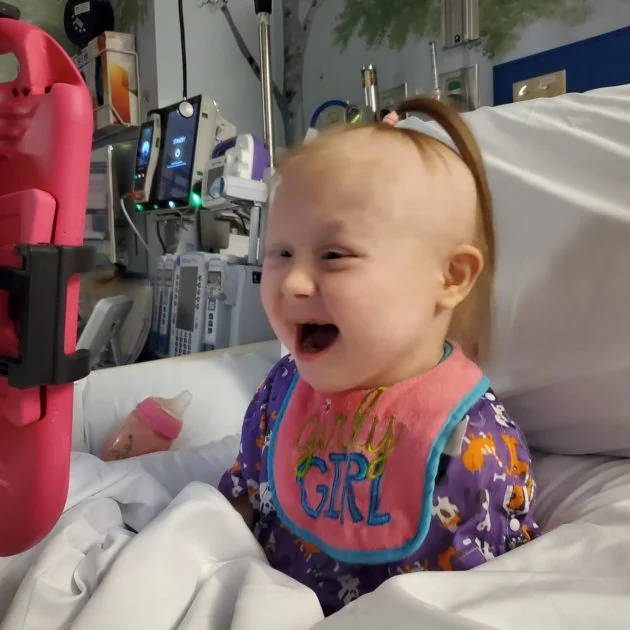
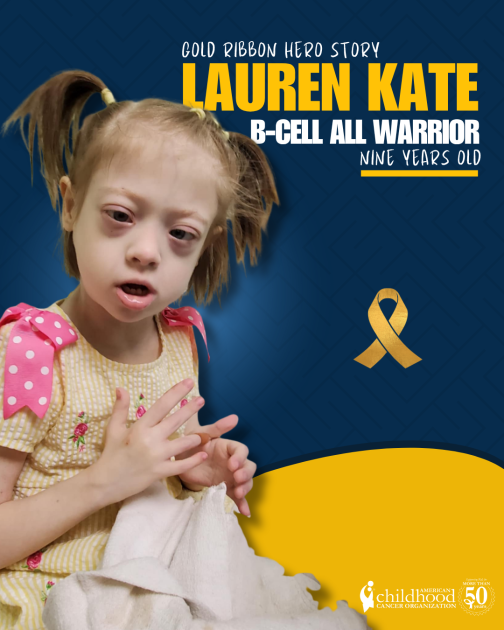
The intersection of chromosomal conditions and pediatric oncology presents a complex medical journey for families, a reality currently being faced by nine-year-old Lauren Kate and her supporters in East Tennessee. Diagnosed with B-Cell Acute Lymphoblastic Leukemia (ALL) in late 2025, Lauren Kate’s story highlights not only the resilience of pediatric patients but also the specific clinical considerations required when treating leukemia in children with Down syndrome. As a "warrior" in the truest sense, her journey from the first signs of lethargy to intensive chemotherapy at East Tennessee Children’s Hospital underscores the critical importance of early diagnostic intervention and the robust support systems necessary for families navigating life-threatening illnesses.
The Clinical Presentation and Path to Diagnosis
The transition from a typical childhood routine to a high-stakes medical environment occurred rapidly for Lauren Kate and her family. In the weeks leading up to September 2025, her mother observed subtle but concerning changes in her daughter’s behavior. Lauren, who was born with Down syndrome and had already demonstrated significant physical and emotional strength throughout her early life, began exhibiting unusual levels of fatigue. This lethargy was accompanied by the appearance of large, palpable bumps beneath her neck—a clinical sign often associated with lymphadenopathy, or the swelling of lymph nodes.
Recognizing that these symptoms were departures from Lauren’s "usual self," her mother sought an urgent consultation with their primary care physician. During this initial assessment, medical professionals identified an abnormal white blood cell count, a primary indicator of hematologic distress. The urgency of the situation necessitated an immediate referral to East Tennessee Children’s Hospital, a specialized facility equipped to handle complex pediatric cases.
The diagnostic process at the hospital was exhaustive, involving a battery of blood tests and physical evaluations. On September 23, 2025, the family received the definitive diagnosis: B-Cell Acute Lymphoblastic Leukemia. The news was met with a mixture of shock and disbelief, yet it served as the catalyst for an immediate mobilization of medical and familial resources. This date marked the beginning of a rigorous clinical protocol designed to combat the proliferation of malignant cells in Lauren’s bone marrow and blood.
Understanding B-Cell Acute Lymphoblastic Leukemia (ALL)
B-Cell Acute Lymphoblastic Leukemia is a type of cancer in which the bone marrow makes too many immature lymphocytes, a type of white blood cell. It is the most common form of childhood cancer, accounting for approximately 25% of all cancer diagnoses in children under the age of 15. While the overall prognosis for ALL has improved significantly over the last several decades—with five-year survival rates now exceeding 90% in many developed nations—the journey to remission remains arduous.
For Lauren Kate, the diagnosis is compounded by her pre-existing condition of Down syndrome (Trisomy 21). Medical research has long established a statistical link between Down syndrome and an increased risk of developing leukemia. Children with Down syndrome are estimated to be 10 to 20 times more likely to develop ALL than their neurotypical peers. The biological basis for this increased susceptibility is linked to the extra copy of chromosome 21, which can affect the regulation of blood cell production and increase the likelihood of genetic mutations that lead to malignancy.
The Complexity of Treatment in Pediatric Oncology
Since her diagnosis, Lauren Kate has undergone a series of invasive procedures that constitute the standard of care for high-risk ALL. Her treatment regimen has included multiple lumbar punctures—a procedure used to check for the presence of leukemia cells in the cerebrospinal fluid and to administer prophylactic chemotherapy to the central nervous system. Additionally, she underwent surgery for a port insertion, a central venous access device that allows medical teams to administer chemotherapy and draw blood with less physical trauma to the patient.
The treatment for ALL typically follows several phases:
- Induction Therapy: The initial phase aimed at killing the leukemia cells in the blood and bone marrow to put the cancer into remission.
- Consolidation (Post-remission) Therapy: A secondary phase designed to eliminate any remaining leukemia cells that may not be active but could cause a relapse.
- Maintenance Therapy: A lower-intensity phase that can last for several years to ensure the cancer does not return.
For patients like Lauren, medical teams must carefully calibrate chemotherapy dosages. Children with Down syndrome often exhibit increased sensitivity to certain chemotherapeutic agents, such as methotrexate, which can lead to higher rates of gastrointestinal toxicity and myelosuppression. This requires oncologists to strike a delicate balance between aggressive cancer eradication and the management of side effects to ensure the patient’s long-term health and quality of life.
A Chronology of Resilience
The timeline of Lauren Kate’s journey reflects the rapid pace at which pediatric cancer moves:
- Pre-September 2025: Observation of symptoms, including persistent fatigue and cervical lymphadenopathy.
- Mid-September 2025: Primary care visit resulting in the discovery of abnormal blood counts and emergency referral.
- September 23, 2025: Official diagnosis of B-Cell ALL at East Tennessee Children’s Hospital.
- Late 2025 – Present: Commencement of intensive treatment, including bone marrow aspirations, chemotherapy cycles, and surgical port placement.
Throughout this period, the family has had to navigate the logistical and emotional challenges of extended hospital stays. For a nine-year-old, the disruption of home life and school is significant. However, the family has emphasized the importance of maintaining "vibrant and fun-loving" moments. Lauren’s interest in the television program Bubble Guppies and her close bond with her sister, Emma, serve as vital anchors of normalcy amidst the clinical environment.
The Role of Support Systems and Advocacy
The burden of a childhood cancer diagnosis extends far beyond the patient, impacting parents, siblings, and the broader community. Organizations such as the American Childhood Cancer Organization (ACCO) play a pivotal role in providing resources, advocacy, and emotional support to families in these circumstances. The ACCO emphasizes that "kids can’t fight cancer alone," a sentiment that resonates deeply with the rally of support seen around Lauren Kate.
Institutional support from facilities like East Tennessee Children’s Hospital is also crucial. These centers provide multidisciplinary care that includes not only oncologists and nurses but also child life specialists, social workers, and psychologists who help children process their experiences through play and age-appropriate communication. For Lauren, these specialists assist in mitigating the trauma associated with frequent needles and hospitalizations.
Broader Implications and Scientific Outlook
Lauren Kate’s case is a microcosm of the broader challenges in pediatric oncology research. While survival rates are high, the long-term effects of chemotherapy on developing bodies—particularly those with chromosomal variations—remain a subject of intense study. Researchers are currently investigating targeted therapies that could potentially replace or supplement traditional chemotherapy, offering a more precise approach with fewer systemic side effects.
Furthermore, the "warrior" narrative often used in childhood cancer highlights the societal shift in how we view pediatric patients. Rather than seeing them merely as victims of illness, the medical community and the public increasingly recognize their agency and courage. This shift encourages more funding for research and better resources for survivors who may face "late effects" of treatment years after they are declared cancer-free.
Conclusion: The Path Forward for Lauren Kate
As Lauren Kate continues her treatment, her story remains one of profound determination. The transition from the shock of the September diagnosis to the routine of chemotherapy represents a significant adjustment for her entire family. The medical community continues to monitor her progress closely, focusing on achieving a durable remission while managing the unique physiological needs associated with Down syndrome.
The journey of a pediatric cancer patient is rarely linear. It is marked by "hard days" and "little joys," as noted by her family. However, with the support of her sister Emma, the expertise of the staff at East Tennessee Children’s Hospital, and the advocacy of organizations like the ACCO, Lauren Kate stands as a testament to the strength of children facing the unthinkable. Her fight is not just a personal one; it is a reminder of the ongoing need for medical advancement, early detection, and unwavering community support for the thousands of children diagnosed with leukemia each year. Together, through donation, research, and awareness, the objective remains clear: to ensure that every child has the opportunity to move past their diagnosis and return to the simple joys of childhood.
