
 By Budi Oetomo Narendra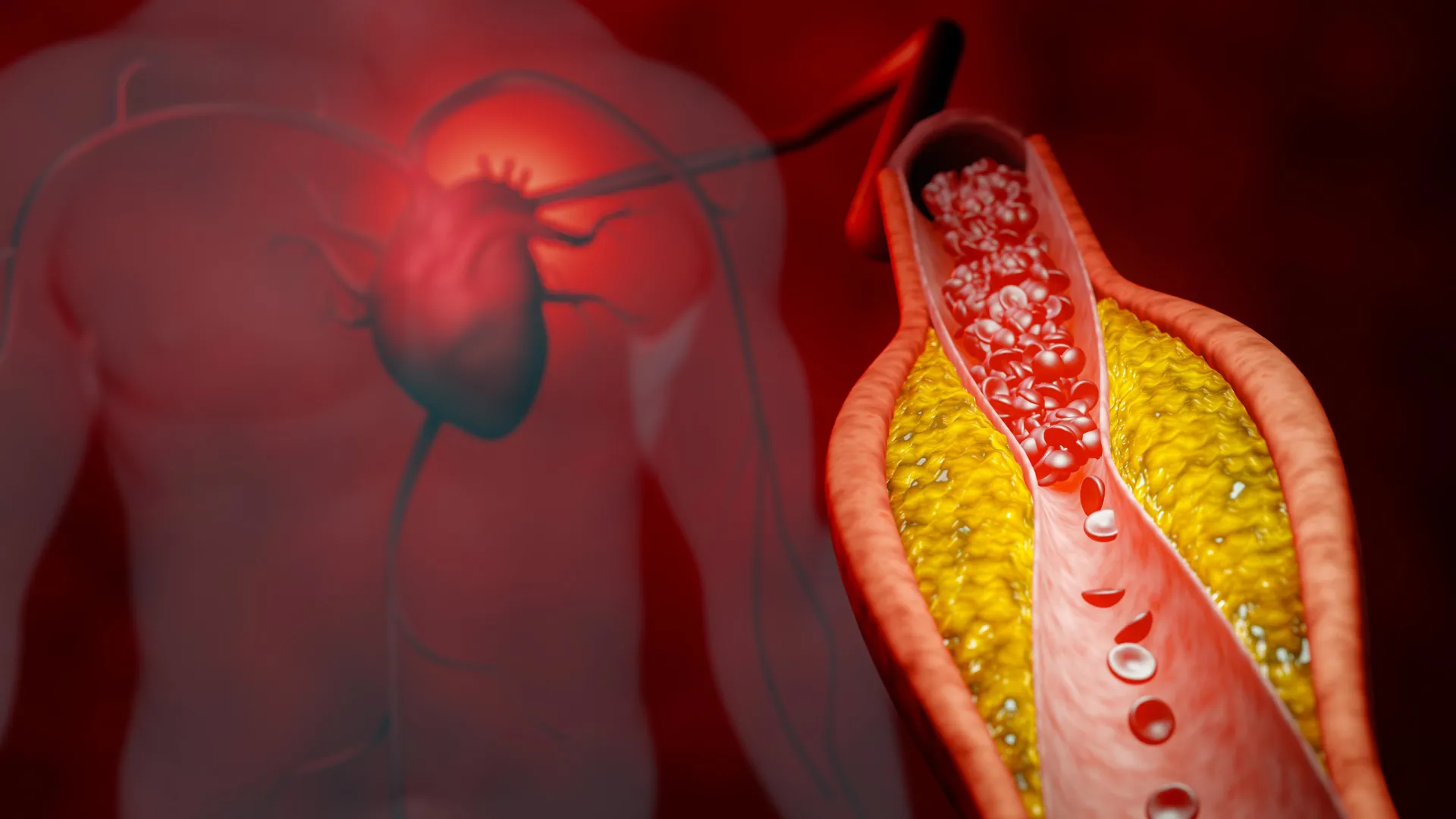
High cholesterol, particularly elevated levels of low-density lipoprotein cholesterol (LDL-C), commonly known as "bad" cholesterol, represents a silent but formidable threat to global public health, insidiously damaging arteries for years and significantly escalating the risk of life-threatening cardiovascular events such as heart attacks, strokes, and peripheral artery disease. For decades, statins have served as the cornerstone of cholesterol management, revolutionizing preventive cardiology. However, their efficacy is not universal, and some patients experience side effects or require additional therapeutic interventions to achieve optimal lipid profiles. In a significant development that could broaden the arsenal against hypercholesterolemia, researchers from the University of Barcelona and the University of Oregon have unveiled an experimental strategy leveraging novel molecular tools to offer a new and potentially more accessible pathway to lower cholesterol levels.
The Silent Scourge of Hypercholesterolemia and the Need for Innovation
Cardiovascular disease (CVD) remains the leading cause of death worldwide, accounting for an estimated 17.9 million lives each year, according to the World Health Organization (WHO). A primary driver of CVD is atherosclerosis, a chronic inflammatory condition characterized by the buildup of fatty plaques within artery walls, primarily composed of cholesterol. This plaque accumulation narrows arteries, restricts blood flow, and can eventually lead to clots that trigger heart attacks or strokes. While lifestyle modifications—diet, exercise, and smoking cessation—are fundamental, pharmacological interventions are often indispensable.
Statins, such as atorvastatin and simvastatin, effectively reduce LDL-C by inhibiting an enzyme involved in cholesterol synthesis in the liver. Despite their widespread success and proven benefits, a subset of patients may be intolerant to statins, experiencing muscle pain (myalgia) or other adverse effects. Furthermore, some individuals with genetic predispositions or very high baseline cholesterol levels may not achieve their target LDL-C goals with statins alone, necessitating alternative or adjunctive therapies. This ongoing challenge underscores the critical need for diverse, effective, and well-tolerated cholesterol-lowering treatments.
PCSK9: A Pivotal Target in Lipid Metabolism
The new therapeutic approach targets a protein known as PCSK9 (proprotein convertase subtilisin/kexin type 9), which has emerged as a crucial regulator of LDL cholesterol metabolism over the past decade. The discovery of PCSK9’s role revolutionized understanding of cholesterol regulation and opened new avenues for drug development. Cells, particularly liver cells, rely on LDL receptors (LDLRs) on their surface to capture and remove LDL cholesterol circulating in the bloodstream. PCSK9 interferes with this vital process by binding to LDLRs and marking them for degradation. When PCSK9 levels are high, fewer LDL receptors are available on the cell surface to clear cholesterol, leading to an accumulation of LDL-C in the blood and contributing to hypercholesterolemia. Conversely, individuals with naturally occurring mutations that lead to lower PCSK9 activity often exhibit significantly reduced LDL-C levels and a substantially lower risk of cardiovascular disease.
This profound insight spurred the development of PCSK9 inhibitors, which have already transformed the treatment landscape for certain high-risk patients. These existing therapies include monoclonal antibodies, such as evolocumab (Repatha) and alirocumab (Praluent), which bind to circulating PCSK9 protein, preventing it from interacting with LDL receptors. More recently, RNA interference (RNAi) therapeutics like inclisiran (Leqvio) have been approved, which work by silencing the messenger RNA (mRNA) responsible for PCSK9 production, thereby reducing the amount of PCSK9 protein synthesized by the liver. While highly effective, these therapies can be costly and typically require regular injections. The ongoing research aims to build upon the success of PCSK9 targeting with a potentially more accessible and cost-effective mechanism.
A Novel Gene-Silencing Approach: Polypurine Hairpins (PPRHs)
Instead of relying on statins or the existing PCSK9 inhibitors, the University of Barcelona and University of Oregon researchers have pioneered a novel strategy utilizing molecules called polypurine hairpins (PPRHs). These specially designed DNA molecules, categorized as oligonucleotides, possess the remarkable ability to interfere with the activity of specific genes at the transcriptional level, offering a deeper and potentially more durable form of gene suppression. In this innovative application, PPRHs were engineered to reduce the production of PCSK9 by directly targeting the PCSK9 gene itself.
PPRHs are short, single-stranded DNA molecules that are precisely designed to recognize and bind with high specificity to particular DNA or RNA sequences. Their unique hairpin structure facilitates stable binding. Once attached to their target sequence within the PCSK9 gene, they interfere with gene transcription—the fundamental cellular process where genetic information from DNA is copied into messenger RNA (mRNA), which then serves as a template for protein synthesis. By disrupting this initial step, PPRHs prevent the cell from producing the instructions needed to make PCSK9 protein, thereby reducing its overall presence.
Professor Carles J. Ciudad from the Department of Biochemistry and Physiology, a co-leader of the research team, explained the intricate mechanism: "Specifically, one of the arms of each chain of the HpE9 and HpE12 polypurines binds specifically to polypyrimidine sequences of exons 9 and 12 of PCSK9, respectively, via Watson-Crick bonds." This precise binding is critical for the specificity and efficacy of the PPRH molecules. By forming these bonds, the PPRHs physically impede the cellular machinery responsible for transcription, either by disrupting the activity of RNA polymerase, the enzyme that produces RNA from DNA, or by preventing essential transcription factors from attaching to the DNA. This direct intervention at the genetic source represents a distinct advantage, offering a potentially more profound and sustained suppression of PCSK9.
Compelling Pre-clinical Results: Significant Cholesterol Reduction in Mice
The research team rigorously tested two specific PPRH molecules, designated HpE9 and HpE12, in both in vitro (cell culture) and in vivo (animal model) settings. The initial in vitro experiments, conducted on human HepG2 liver cells, demonstrated the potent gene-silencing capabilities of both PPRHs. Critically, both HpE9 and HpE12 effectively reduced the levels of PCSK9 RNA and protein within these cells, while simultaneously increasing the expression of LDLR (the LDL receptor), which is crucial for cholesterol uptake.
The most compelling and clinically relevant results emerged from the in vivo studies. Researchers administered the PPRHs to transgenic mice that had been genetically engineered to express the human PCSK9 gene, providing a highly relevant model for human hypercholesterolemia. The strongest therapeutic effect was observed with HpE12. Professor Verónica Noé, also a co-leader from the University of Barcelona’s Faculty of Pharmacy and Food Sciences and the Institute of Nanoscience and Nanotechnology (IN2UB), detailed the impressive outcomes: "The results show that both HpE9 and HpE12 are highly effective in HepG2 cells. HpE12 decreases PCSK9 RNA levels by 74% and protein levels by 87%. In the case of transgenic mice, a single injection of HpE12 reduces plasma PCSK9 levels by 50% and cholesterol levels by 47% on the third day."
This dramatic reduction in circulating cholesterol after a single injection of HpE12 is a significant finding. It strongly suggests that by effectively suppressing PCSK9 production, PPRHs can restore and enhance the availability of LDL receptors on liver cells. This, in turn, allows cells to efficiently pull more LDL cholesterol out of the bloodstream, thereby reducing the amount of cholesterol available to contribute to the formation of atherosclerotic plaques in artery walls. The speed and magnitude of this reduction highlight the potential of PPRHs as a rapid and powerful therapeutic tool.
The findings were published in the prestigious journal Biochemical Pharmacology, underscoring the scientific rigor and peer validation of the work. The research was a collaborative effort, led by Professor Carles J. Ciudad and Professor Verónica Noé from the University of Barcelona, in partnership with Dr. Nathalie Pamir of the University of Oregon in Portland, United States. This international collaboration was crucial for bringing together diverse expertise and resources. The work received substantial financial backing from the Spanish Ministry of Science, Innovation and Universities (MICINN) and the National Institutes of Health (NIH) of the United States, reflecting the recognized importance and potential impact of this research on public health.
Potential Advantages and Future Implications
The researchers assert that PPRHs could offer several practical advantages over existing cholesterol-lowering therapies, positioning them as a compelling alternative or complementary treatment option. One of the most significant potential benefits is the relatively inexpensive cost of production compared to complex biologic drugs like monoclonal antibodies or even advanced RNA therapeutics. This cost-effectiveness could make PPRH-based treatments more accessible to a broader patient population globally, potentially alleviating some of the economic burdens associated with long-term management of chronic cardiovascular conditions.
Beyond cost, PPRHs also demonstrate promising characteristics regarding stability and immunogenicity. Oligonucleotide-based therapies can sometimes face challenges with stability in vivo or provoke an immune response. However, the researchers indicate that PPRHs exhibit favorable stability, which could translate into a longer shelf life and more predictable pharmacological profile. Crucially, they also report a low likelihood of provoking an immune response, a significant advantage as immunogenicity can lead to adverse reactions and reduced therapeutic efficacy with other drug modalities.
Furthermore, the experts highlighted a key safety aspect: "PPRHs, especially HpE12, are therapeutic oligonucleotides with many advantages, including low cost of synthesis, stability and lack of immunogenicity. In addition, such a PPRH-based approach against PCSK9 would not lead to side effects such as the myopathies associated with statin therapy," they concluded. The absence of statin-associated myopathies is a particularly attractive feature for patients who are intolerant to current first-line treatments, potentially offering them a new, well-tolerated option for effective cholesterol management.
Translational Pathway and Challenges Ahead
While the pre-clinical results in mice are highly encouraging, it is imperative to acknowledge that the journey from laboratory discovery to approved human medicine is long and arduous. The next critical phase of research will involve comprehensive toxicology studies to thoroughly assess the safety profile of PPRHs in larger animal models, followed by optimization of delivery methods to ensure efficient and targeted administration in humans.
Should these initial investigations prove successful, the research would then progress to human clinical trials, typically divided into three phases. Phase I trials would evaluate safety and dosage in a small group of healthy volunteers. Phase II trials would assess efficacy and further safety in a larger group of patients with hypercholesterolemia. Finally, Phase III trials would involve thousands of patients to confirm efficacy, monitor side effects, compare it to existing treatments, and collect information that allows the drug to be used safely. This entire process, from initial discovery to market approval, can often span 10 to 15 years, if not more, underscoring the significant investment in time and resources required.
Regulatory hurdles, including rigorous review by agencies like the U.S. Food and Drug Administration (FDA) and the European Medicines Agency (EMA), are substantial. These agencies demand extensive data on safety, efficacy, and manufacturing quality before a new drug can be made available to the public.
If future studies in humans confirm the efficacy, safety, and practical advantages demonstrated in the pre-clinical phase, targeting PCSK9 with polypurine hairpins could eventually add a powerful new tool to the ever-expanding range of treatments designed to lower LDL cholesterol and protect cardiovascular health. This innovative gene-targeting strategy offers a beacon of hope for patients struggling with high cholesterol, particularly those who do not respond adequately to or cannot tolerate existing therapies, potentially ushering in a new era of more personalized, effective, and accessible cardiovascular care. The collaborative spirit demonstrated by the University of Barcelona and University of Oregon researchers exemplifies the global effort required to confront the enduring challenge of cardiovascular disease.
