
 By Suherman Candra Maholtra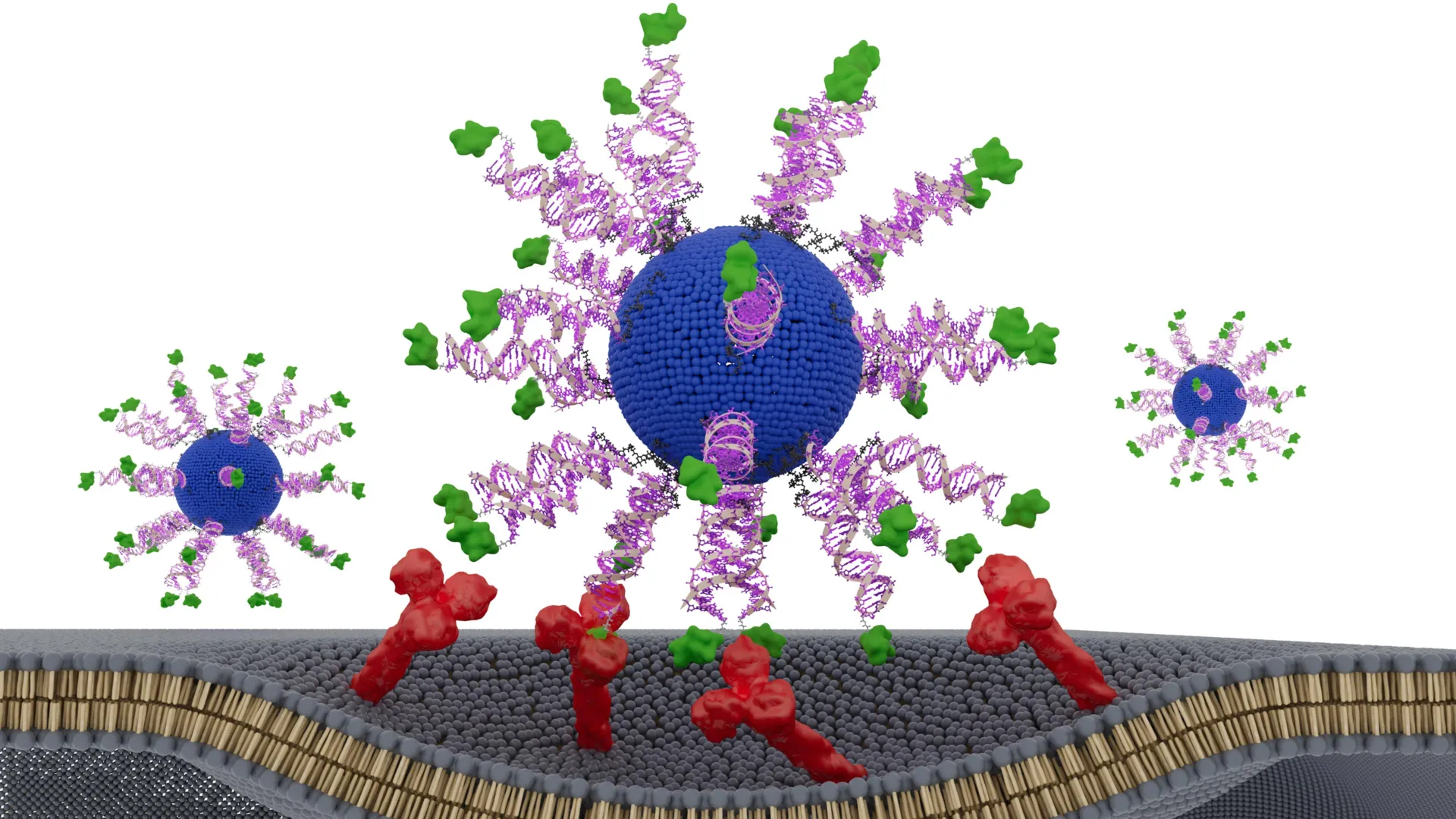
In a landmark study published in the journal Science Advances, researchers at Northwestern University have demonstrated that the physical architecture of a vaccine is just as critical to its success as the active biological ingredients it contains. This discovery, the culmination of over a decade of research into the field of "structural nanomedicine," provides a new blueprint for developing highly potent therapeutic vaccines against cancers, particularly those driven by the human papillomavirus (HPV). By subtly adjusting the orientation of a single targeting peptide on a nanoparticle, scientists were able to significantly enhance the immune system’s ability to identify and destroy malignant tumors, effectively turning a modest immune response into a powerful therapeutic one.
The research was led by Chad A. Mirkin, a world-renowned pioneer in nanotechnology and the George B. Rathmann Professor of Chemistry at Northwestern, alongside Dr. Jochen Lorch, a professor of medicine and director of the Head and Neck Cancer Program at Northwestern Medicine. Their findings suggest that the current industry standard for vaccine development—which Mirkin characterizes as the "blender approach"—may be overlooking the most vital component of efficacy: structural precision.
The Evolution of Structural Nanomedicine
For decades, vaccinology has focused primarily on the "what"—the specific antigens and adjuvants required to trigger an immune response. An antigen is a molecule (often a protein fragment) that tells the immune system what to attack, while an adjuvant is a chemical booster that alerts the immune system to the presence of the antigen. In traditional vaccine manufacturing, these components are often mixed together in a formulation where their relative positions are random and uncontrolled.
Mirkin’s team has spent ten years challenging this methodology through the development of Spherical Nucleic Acids (SNAs). SNAs are globular structures consisting of a dense shell of DNA or RNA strands organized around a central nanoparticle core. Unlike linear genetic material, the 3D structure of an SNA allows it to enter cells more efficiently and interact with immune receptors in ways that traditional formulations cannot.
The latest study marks a significant leap forward by showing that even within the sophisticated framework of an SNA, the specific "geometry" of how an antigen is attached can dictate the difference between a vaccine that fails and one that succeeds. This realization forms the core of structural nanomedicine, a field that seeks to build medicines from the bottom up with atomic-level precision.
Addressing the Global Burden of HPV-Driven Cancers
The study specifically targeted cancers caused by the human papillomavirus (HPV), a group of viruses that are responsible for nearly all cases of cervical cancer and a rapidly increasing number of head and neck cancers globally. While preventive vaccines like Gardasil have been highly effective at stopping new infections, they offer no therapeutic benefit to the millions of individuals who already harbor HPV-driven malignancies.
Therapeutic vaccines represent a different challenge. They must train the body’s "killer" CD8+ T cells to seek out and destroy existing cancer cells that have already integrated viral proteins into their own structure. To achieve this, the vaccine must deliver its payload to dendritic cells—the "sentinels" of the immune system—which then present the information to T cells.
The Northwestern team utilized an SNA platform to deliver an HPV-specific peptide (E711-19). While the ingredients remained identical across various test groups, the researchers experimented with three distinct structural configurations:
- The peptide was sequestered inside the nanoparticle core.
- The peptide was attached to the surface of the nanoparticle via its C-terminus (the "tail" of the protein fragment).
- The peptide was attached to the surface via its N-terminus (the "head" of the protein fragment).
Quantitative Breakthroughs in Immune Response
The results of the study were stark. When the vaccine components were arranged so that the peptide was presented on the surface via the N-terminus, the immune response was exponentially more effective.
According to the data published in Science Advances, this specific configuration triggered up to eight times more interferon-gamma—a critical signaling protein that stimulates T cells to attack tumors—compared to other arrangements. In humanized animal models of HPV-positive cancer, this structural optimization led to a marked reduction in tumor growth and a significant increase in survival rates.
Furthermore, the researchers tested the vaccine on tumor samples taken directly from human patients with head and neck cancer. In these ex vivo trials, the optimized SNA configuration increased the cancer-killing activity of T cells by twofold to threefold.
Dr. Jochen Lorch emphasized that these gains were achieved without increasing the dosage or introducing new chemical agents. The improvement was purely a result of "smarter" presentation. The immune system, he noted, is highly sensitive to the geometry of molecules; by presenting the antigen in a specific orientation, the vaccine allowed dendritic cells to process and "display" the target more efficiently to the rest of the immune system.
Moving Beyond the "Blender Approach"
The implications of this research extend far beyond HPV. Mirkin’s critique of the "blender approach" highlights a potential flaw in how modern pharmaceuticals, including the highly successful COVID-19 mRNA vaccines, are produced.
"If you look at how drugs have evolved over the last few decades, we have gone from well-defined small molecules to more complex but less structured medicines," Mirkin explained. He noted that in many modern lipid nanoparticle (LNP) vaccines, no two particles are identical in their internal arrangement. While these vaccines have saved millions of lives, Mirkin argues that the lack of structural uniformity limits their potential, particularly in the difficult arena of oncology, where the immune system often needs a more precise "instruction manual" to overcome the immunosuppressive environment of a tumor.
By treating the structure of a vaccine as a primary variable, researchers can now revisit earlier vaccine candidates that may have failed in clinical trials. It is possible that many of these failed drugs contained the correct ingredients but were delivered in the wrong physical configuration.
A Chronology of Progress and Clinical Application
The success of the HPV study is part of a broader timeline of breakthroughs from the International Institute for Nanotechnology at Northwestern. Over the past decade, Mirkin’s lab has applied the principles of structural nanomedicine to a variety of aggressive cancers:
- Melanoma: Early studies demonstrated that SNAs could double the survival rate in mice compared to conventional mixtures.
- Triple-Negative Breast Cancer: Researchers found that structural control could overcome the high mutation rates of these tumors.
- Prostate and Colon Cancer: Preclinical models showed that SNAs could be used to deliver "cocktails" of antigens with high precision.
- Merkel Cell Carcinoma: Recent work has focused on rare, virally-linked skin cancers with high mortality rates.
To date, the SNA technology has moved well beyond the laboratory. Seven different SNA-based drugs are currently in human clinical trials for various applications, and the technology is already integrated into more than 1,000 commercial products. The transition from "proof of concept" to "clinical reality" is accelerating as the pharmaceutical industry begins to recognize the importance of nanostructure.
The Role of Artificial Intelligence in Future Design
Looking ahead, the Northwestern team envisions a future where the design of these complex nanostructures is guided by artificial intelligence. Because there are thousands of variables in a vaccine—ranging from the size of the nanoparticle to the density of the DNA shell and the orientation of the antigens—the number of possible configurations is astronomical.
"The promise of structural nanomedicine is being able to identify from the myriad possibilities the configurations that lead to the greatest efficacy and least toxicity," Mirkin said. Machine learning algorithms can analyze data from studies like this one to predict which structures will most effectively "hand off" information to immune cells. This would allow for the rapid development of bespoke vaccines tailored to the specific structural needs of different diseases.
Broader Impact and Industry Implications
The shift toward structural nanomedicine represents a significant change in the economics and logistics of drug development. If efficacy can be improved through structural reorganization rather than the discovery of new chemical entities, the cost of bringing new treatments to market could decrease.
Furthermore, the study highlights a path toward reducing toxicity. Often, the side effects of immunotherapy are caused by the high doses required to achieve a therapeutic effect. By making a vaccine eight times more potent through structural optimization, clinicians may be able to use lower doses, thereby reducing the "off-target" effects that often plague cancer patients.
The research was supported by prestigious institutions, including the National Cancer Institute and the Lefkofsky Family Foundation. As the medical community moves toward "personalized medicine," the work of Mirkin and Lorch suggests that the next generation of cures will not just depend on what we put into the body, but on how those components are built.
"This approach is poised to change the way we formulate vaccines," Mirkin concluded. "The whole concept of structural nanomedicine is a major train roaring down the tracks. We have shown that structure matters—consistently and without exception."
