
 By Suherman Candra Maholtra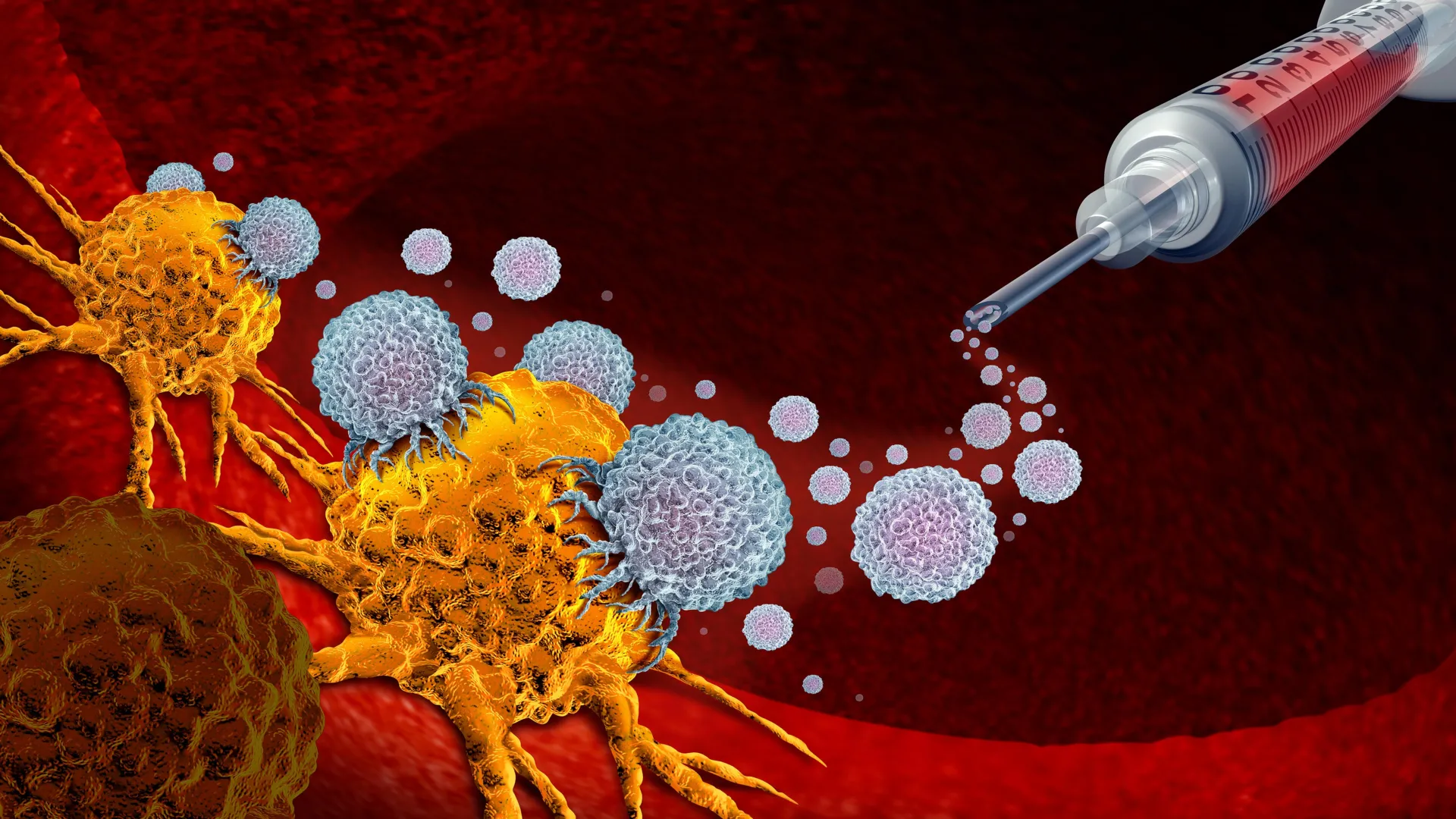
Researchers at the University of Florida have announced a significant breakthrough in the field of oncology, demonstrating that an experimental mRNA vaccine can dramatically enhance the efficacy of immunotherapy in treating various forms of cancer. The study, published in the prestigious journal Nature Biomedical Engineering, outlines a novel approach that could eventually lead to a "universal" cancer vaccine. By leveraging the same messenger RNA technology that gained global prominence during the COVID-19 pandemic, the research team has successfully "reprogrammed" the immune system to recognize and attack treatment-resistant tumors in mouse models.
The study’s findings suggest a "one-two punch" strategy: pairing the mRNA vaccine with common anticancer drugs known as immune checkpoint inhibitors. This combination triggered a robust antitumor response, even in cases where traditional therapies had previously failed. Unlike traditional vaccines that target specific proteins found on the surface of tumor cells, this new formulation functions by broadly stimulating the immune system, effectively tricking it into responding as if it were fighting a viral infection. This generalized activation makes the tumor environment more receptive to treatment, potentially opening the door for "off-the-shelf" cancer therapies that do not require the time-consuming process of individual customization.
A Shift in the Immunotherapy Paradigm
For decades, the development of cancer vaccines has been divided into two primary schools of thought. The first involves identifying a specific target protein, or antigen, that is expressed across a wide population of patients with a particular type of cancer. The second involves a highly personalized approach, where a vaccine is tailored to the unique genetic mutations found within an individual patient’s tumor. While both methods have shown promise, they face significant hurdles, including the high cost of personalization and the ability of tumors to "hide" by downregulating specific antigens.
The University of Florida study introduces what researchers are calling a "third emerging paradigm." Instead of focusing on a specific target, the vaccine is designed to rev up the immune system’s overall alertness. Senior author Elias Sayour, M.D., Ph.D., a pediatric oncologist at UF Health and principal investigator at the RNA Engineering Laboratory, noted that the results were both unexpected and exciting. The study demonstrated that an mRNA vaccine, regardless of whether it is specific to a tumor or a virus, can induce tumor-specific effects by altering the biological landscape of the malignancy.
By stimulating the expression of a protein called PD-L1 inside the tumors, the vaccine essentially "primes" the cancer cells. While PD-L1 is often used by tumors to evade the immune system, its increased expression in this context makes the tumor more vulnerable to immune checkpoint inhibitors, which are designed to block the signals that tumors use to stay invisible. This synergistic effect allows the body’s T cells to recognize, multiply, and destroy the cancerous cells with unprecedented efficiency.
The Evolution of mRNA Technology in Oncology
The success of this study is rooted in over eight years of research led by Dr. Sayour, who has pioneered the use of lipid nanoparticles to deliver mRNA instructions to the immune system. Messenger RNA serves as a biological blueprint, providing cells with the instructions needed to produce specific proteins. In the context of this research, the mRNA is packaged within tiny fatty droplets—lipid nanoparticles—that protect the genetic material and ensure it reaches the intended immune cells.
This latest development builds upon a landmark human clinical trial conducted by Sayour’s lab last year. In that first-of-its-kind trial, an mRNA vaccine was used to treat four patients with glioblastoma, a particularly aggressive and often fatal form of brain cancer. That trial utilized a personalized vaccine made from the patients’ own tumor cells and demonstrated that the immune system could be rapidly reprogrammed to reject the tumor.
The current study takes that technology a step further by testing a "generalized" version of the vaccine. This version was engineered not to target a specific mutation but to prompt a massive, non-specific immune response. The researchers found that in mouse models of melanoma—a type of skin cancer known for its ability to resist treatment—the generalized mRNA vaccine, when combined with a PD-1 inhibitor (a type of monoclonal antibody), resulted in significant tumor regression.
Data and Experimental Results from Mouse Models
The research team conducted extensive testing across various cancer types, including skin, bone, and brain cancers. The data revealed that the mRNA formulation was effective not only as a combination therapy but also as a standalone treatment in certain scenarios. In several of the mouse models, the tumors were eliminated entirely, a result that underscores the potency of the generalized immune activation.
Key data points from the study include:
- T-Cell Activation: The vaccine prompted previously dormant T cells to multiply and infiltrate the tumor site.
- PD-L1 Stimulation: Tumors treated with the mRNA vaccine showed a marked increase in PD-L1 expression, which paradoxically facilitated the success of checkpoint inhibitor drugs.
- Universal Application: The vaccine showed efficacy across different histological types of cancer, suggesting that the mechanism of action is not limited to a single organ or cell type.
"What we found is that by using a vaccine designed not to target cancer specifically but rather to stimulate a strong immunologic response, we could elicit a very strong anticancer reaction," said Duane Mitchell, M.D., Ph.D., a co-author of the paper and director of the UF Clinical and Translational Science Institute. Mitchell emphasized that this approach has the potential to be broadly applicable across a wide spectrum of cancer patients, potentially bypassing the logistical challenges of personalized medicine.
Institutional Support and Collaborative Research
The research was supported by a coalition of federal agencies and private foundations, reflecting the high level of interest in mRNA-based cancer therapies. Funding was provided by the National Institutes of Health (NIH), the National Cancer Institute, and the Preston A. Wells Jr. Center for Brain Tumor Therapy. Additional support came from the McKnight Brain Institute and the Lillian S. Wells Department of Neurosurgery at the UF College of Medicine.
The collaboration between pediatric oncology, neurosurgery, and immunology highlights the interdisciplinary nature of modern cancer research. Dr. Sayour, who also serves as a co-leader of the immuno-oncology and microbiome research program at UF, noted that the results provide a "proof of concept" for the commercialization of universal cancer vaccines. Such a product would function as an "off-the-shelf" solution that could be administered immediately upon diagnosis, rather than waiting weeks for a personalized vaccine to be manufactured.
Broader Implications and the Path to Human Trials
The implications of this study are profound for the future of cancer treatment. Currently, surgery, radiation, and chemotherapy remain the "standard of care" for most malignancies. However, these treatments often carry significant side effects and are not always effective against treatment-resistant or metastatic tumors. A universal mRNA vaccine could offer a less invasive alternative that works in harmony with the body’s natural defenses.
Industry analysts suggest that if the results seen in mouse models can be replicated in humans, it could revolutionize the oncology market. The speed at which mRNA vaccines can be produced—as evidenced by the rapid development of COVID-19 vaccines—would allow for a more agile response to aggressive cancers. Furthermore, the ability to combine these vaccines with existing immunotherapy drugs like pembrolizumab (Keytruda) or nivolumab (Opdivo) could extend the life expectancy of patients with advanced-stage diseases.
The UF research team is currently focused on refining the mRNA formulations to maximize their potency and minimize potential side effects. The next critical step is to transition these findings into human clinical trials. "It could potentially be a universal way of waking up a patient’s own immune response to cancer," Dr. Mitchell said. "And that would be profound if generalizable to human studies."
As the scientific community watches closely, the University of Florida continues to position itself at the forefront of the RNA revolution. While the transition from animal models to human patients is always fraught with challenges, the consistency of the results across multiple cancer types provides a strong foundation for the next phase of research. If successful, the "universal vaccine" could represent one of the most significant advancements in the war on cancer since the advent of chemotherapy, offering new hope to millions of patients worldwide.
