
 By admin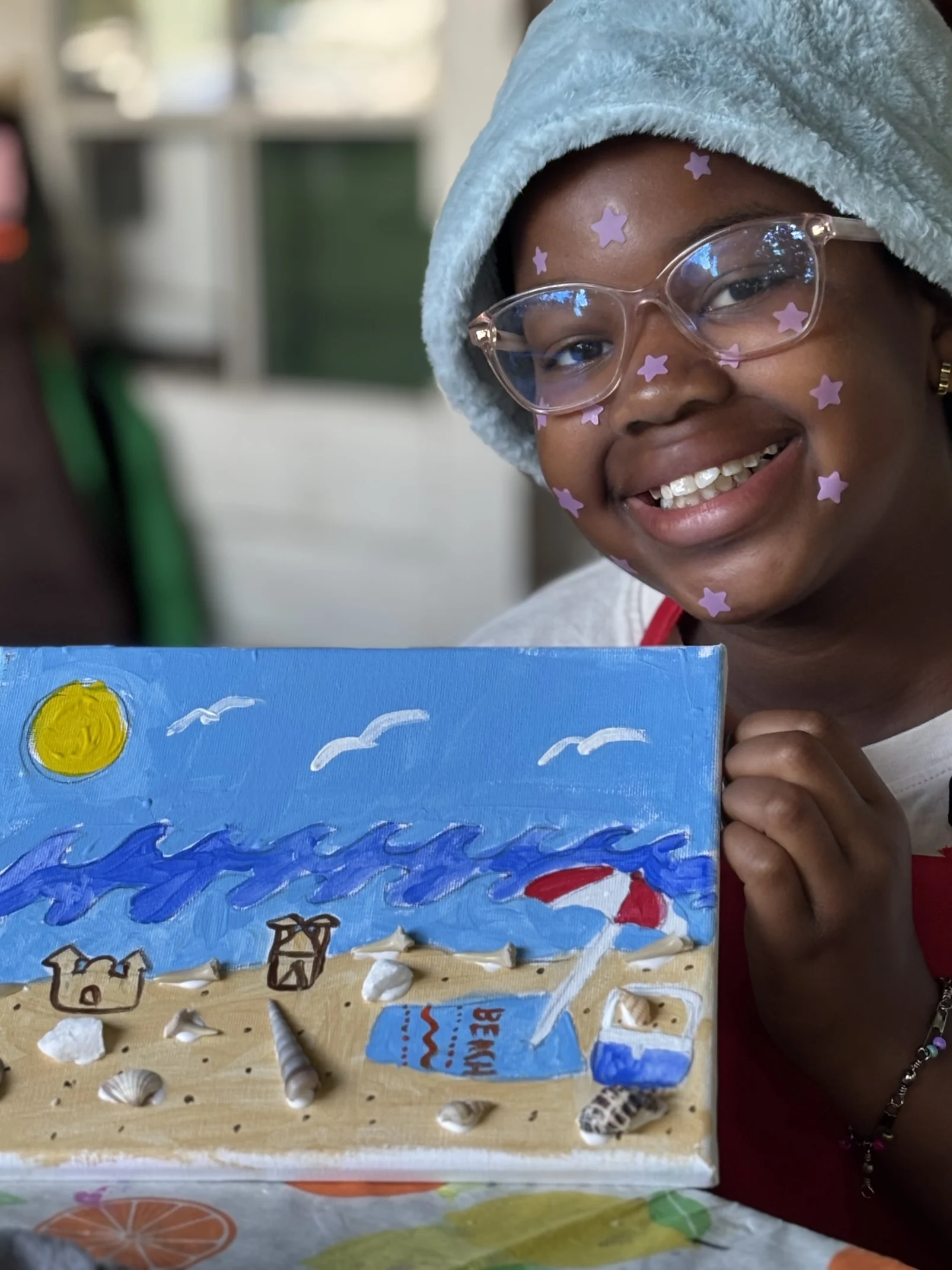
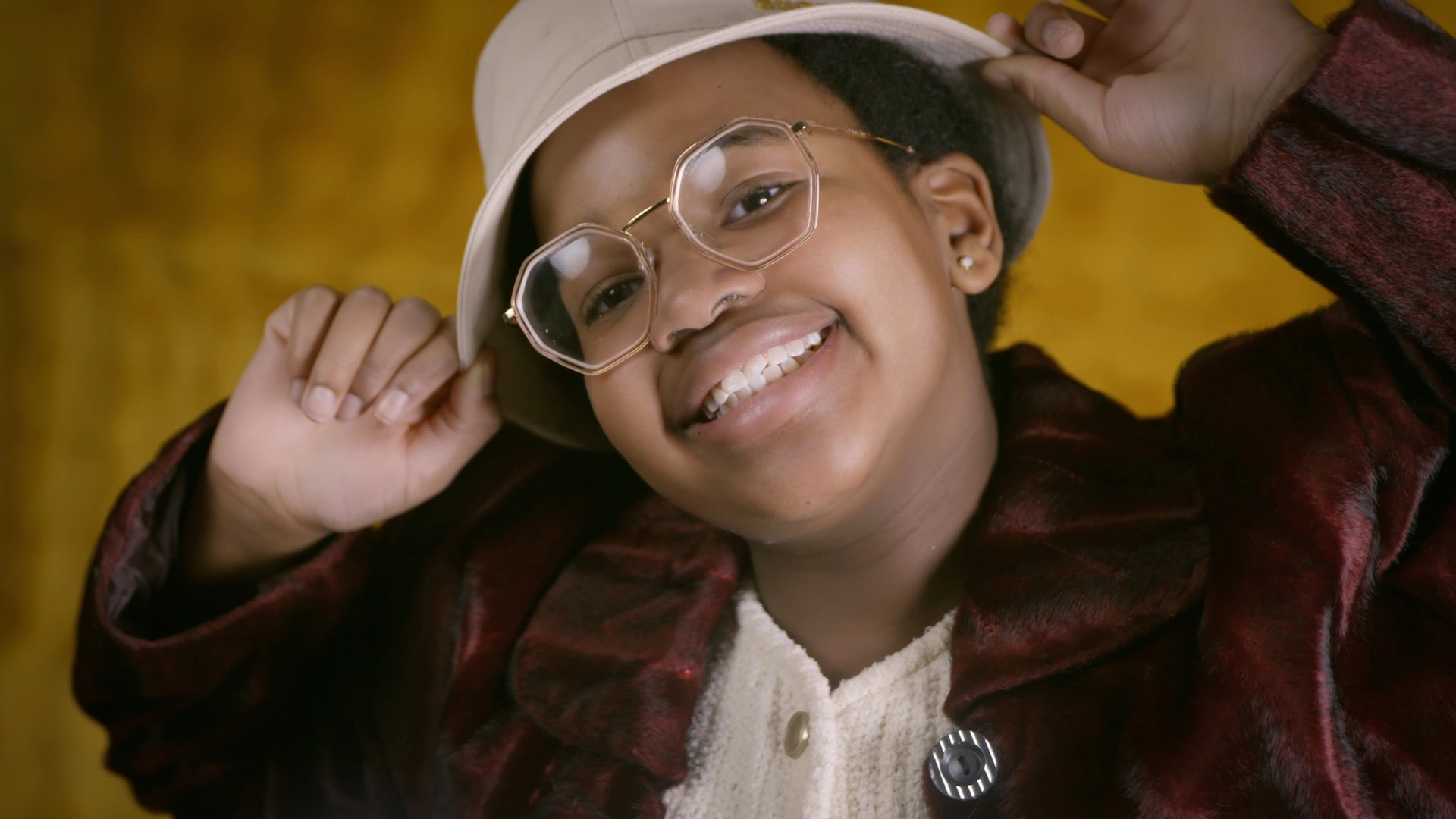
In the bedroom of ten-year-old Valerie, a piece of artwork serves as a definitive statement of identity, reclaiming a narrative that was nearly overtaken by a life-threatening medical diagnosis. The artwork, a poetic reimagining of the word "BALD," represents Valerie’s refusal to let Hodgkin lymphoma define her worth or her future. Today, as a cancer survivor and a chosen ambassador for the return of the iconic Glamorama benefit, Valerie—known to friends and family as Val—stands as a testament to the advancements in pediatric oncology and the critical importance of research-driven treatment protocols. Her journey from Nigeria to the United States, through the rigors of chemotherapy and immunotherapy, and finally to the stage of a major philanthropic fashion event, highlights the intersection of medical science, community support, and personal resilience.
The Path to Diagnosis and Early Symptoms
Valerie’s story began with a significant life transition when she moved from Nigeria to the United States with her mother, Adaora. Settling in a region known as a major center for dairy production, the initial signs of Valerie’s illness were easily misattributed to environmental or dietary changes. When Valerie began experiencing recurring stomach pain, the initial suspicion leaned toward a common dairy intolerance. However, the symptoms persisted and eventually escalated, manifesting in ways that could no longer be dismissed as a simple digestive issue.
As a medical doctor, Adaora possessed the clinical intuition to recognize that her daughter’s deteriorating condition required more than dietary adjustments. The subsequent medical investigation led to a diagnosis that is relatively rare for a child of Valerie’s age: Hodgkin lymphoma. This type of cancer affects the lymphatic system, which is part of the body’s germ-fighting immune network. In Hodgkin lymphoma, white blood cells called lymphocytes grow out of control, causing swollen lymph nodes and growths throughout the body. While it is more common in adolescents and young adults, Valerie’s case required immediate and specialized intervention.
Advancements in Pediatric Oncology: The Role of Research
The treatment plan devised for Valerie reflects decades of clinical research aimed at not only curing pediatric cancer but also ensuring the long-term quality of life for survivors. Valerie underwent a combination of chemotherapy and immunotherapy. This dual approach is a product of modern oncology research designed to maximize the efficacy of treatment while minimizing the toxic "late effects" that traditional high-dose radiation and chemotherapy can cause in developing children.
Current data from the American Cancer Society and the National Cancer Institute indicates that the five-year survival rate for children diagnosed with Hodgkin lymphoma is now approximately 95%. This high success rate is largely attributed to clinical trials and research funded by organizations like the Children’s Cancer Research Fund (CCRF). For Valerie, the use of immunotherapy—a treatment that leverages the body’s own immune system to identify and attack cancer cells—represented a more targeted strike against the disease. Despite the scientific sophistication of the treatment, the physical toll remained significant. Valerie faced the loss of her hair, a common side effect of chemotherapy that often carries a heavy psychological burden for pediatric patients.
Creative Resilience and the BALD Initiative
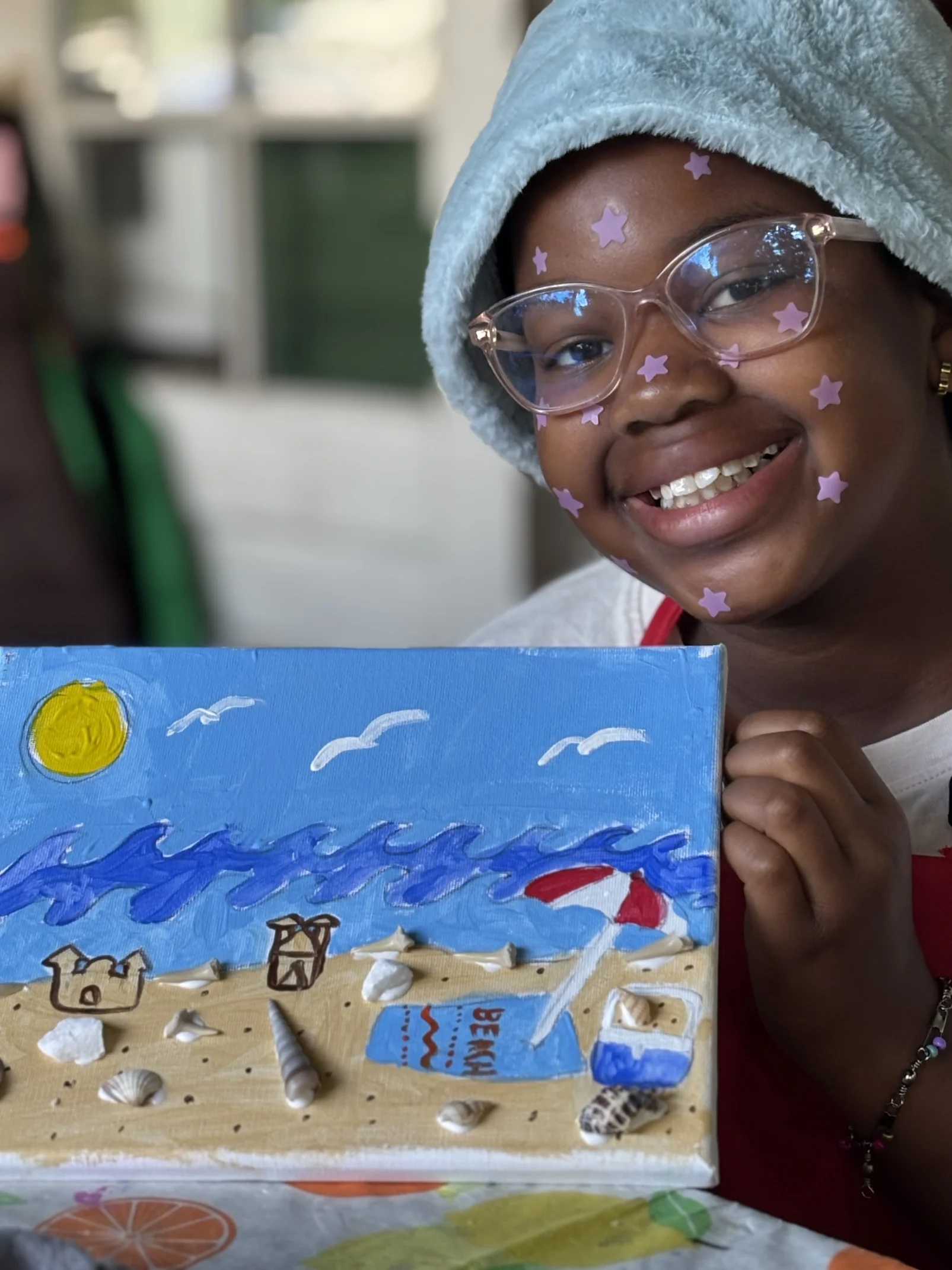
Valerie, a naturally creative child with interests in drawing, dancing, and playing the cello, utilized her artistic talents as a coping mechanism during her treatment. The "BALD" artwork mentioned by her family was more than a craft project; it was a psychological reframing of her physical transformation. By turning the word into a declaration of confidence, Valerie actively resisted the stigma and vulnerability often associated with hair loss in cancer patients.
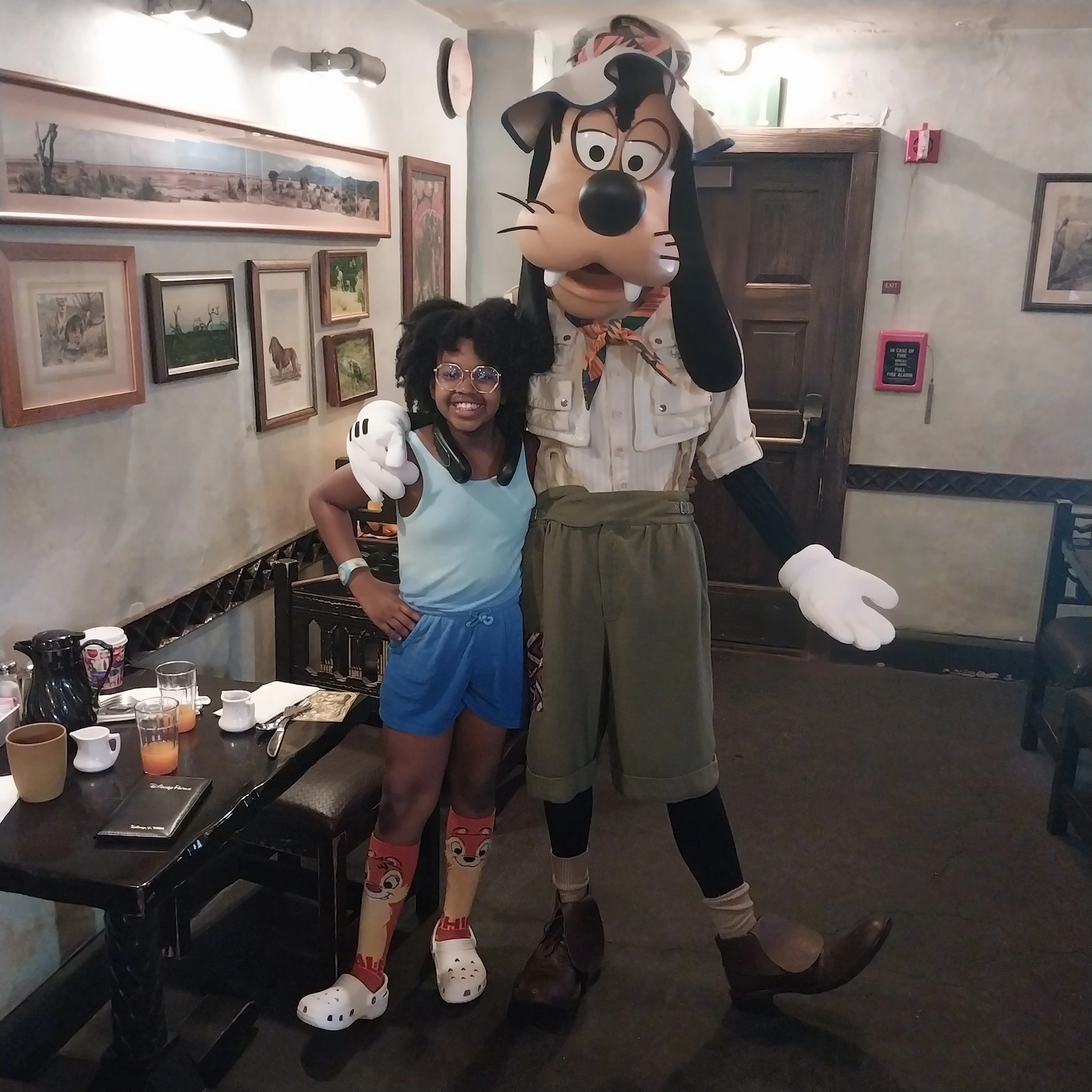
"Going through chemotherapy makes me feel like I can conquer anything," Valerie noted during her recovery. This sentiment is echoed by child life specialists who emphasize the importance of agency and self-expression in pediatric wards. When children are allowed to "own" their diagnosis through art or storytelling, their clinical outcomes often benefit from improved mental health and reduced anxiety. Throughout her treatment, Valerie continued to attend school when her energy levels permitted and remained active in her dance community, maintaining a sense of normalcy amid the disruption of hospital visits and infusions.
Community Integration and the Role of Support Networks
The successful treatment of pediatric cancer rarely occurs in a vacuum. For Valerie and Adaora, the transition to life in the U.S. was bolstered by a robust community support network. Local neighbors and school communities provided meals, emotional support, and constant communication, ensuring that the family did not face the isolation often experienced by immigrants dealing with medical crises.
This communal support extended into Valerie’s post-treatment life. After being declared cancer-free, she sought ways to give back to the systems that facilitated her recovery. This led to her involvement with Camp Norden, a specialized camp for children affected by cancer, and eventually her selection as an ambassador for the Children’s Cancer Research Fund. These platforms allow survivors to transition from "patients" to "advocates," helping to humanize the statistics that drive medical fundraising.
The Return of Glamorama and Philanthropic Impact
Valerie’s journey has culminated in her role as one of five ambassadors for the return of Glamorama. Historically, Glamorama was a high-profile fashion and variety production that served as a cornerstone of philanthropic social calendars. Its revival is specifically designed to benefit the Children’s Cancer Research Fund, an organization that has invested over $200 million in research since its inception.
As an ambassador, Valerie is not merely a guest but a collaborator in the production. The event aims to blend fashion, music, and storytelling to raise awareness for the funding gaps in pediatric cancer research. While adult cancer research receives significant federal and private funding, pediatric cancer research is often underfunded by comparison. Events like Glamorama are essential for closing this gap, providing the capital necessary for researchers to explore new immunotherapies and genomic sequencing that can lead to even higher cure rates and fewer long-term side effects.
Analysis of Broader Implications in Pediatric Health
Valerie’s case highlights several critical trends in modern healthcare. First is the importance of "precision medicine"—tailoring treatment to the specific genetic makeup of the tumor and the patient. Second is the growing recognition of the "survivorship" phase. With 95% of Hodgkin lymphoma patients surviving, the medical community is now shifting focus toward the "long tail" of cancer: ensuring that survivors do not develop secondary cancers or organ failure later in life due to the intensity of their childhood treatments.
Furthermore, Valerie’s story underscores the demographic shifts in American healthcare. As a Nigerian immigrant, her access to high-quality care and her mother’s medical background were pivotal. However, her story also serves as a reminder of the disparities that can exist in cancer outcomes based on geography and socioeconomic status. Organizations like CCRF work to ensure that the advancements Valerie benefited from are accessible to all children, regardless of their background.
Conclusion and Future Outlook
Today, Valerie has returned to her passions with renewed vigor. She continues to play the cello and participate in dance, but her experience has added a layer of advocacy to her creative pursuits. Her participation in Glamorama is a symbolic closing of the chapter on her illness and the beginning of a chapter focused on leadership and inspiration.
The Children’s Cancer Research Fund has indicated that tickets for the Glamorama event are in high demand, reflecting a strong public interest in supporting pediatric health initiatives. The funds raised will continue to support the very research that allowed Valerie to move from a diagnosis of Hodgkin lymphoma to a position of strength on a public stage. Valerie’s "BALD" poem remains on her wall, no longer a shield against the fear of the unknown, but a trophy representing a battle won and a future reclaimed. As the medical community continues to refine its approach to childhood cancer, stories like Valerie’s provide both the data and the inspiration necessary to pursue a world where no child’s identity is defined by a cancer diagnosis.
