
 By Billy Candra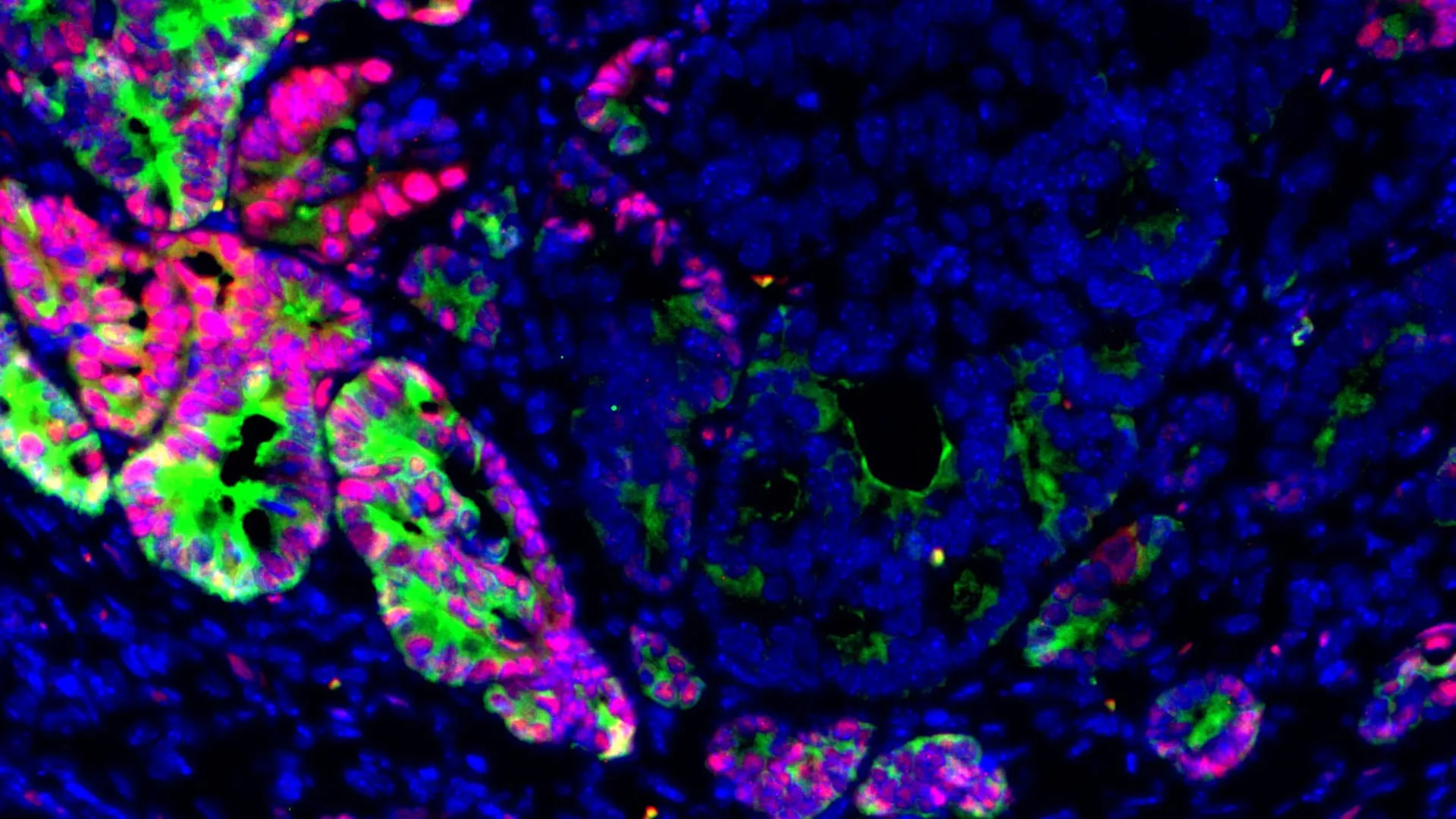
Researchers at Weill Cornell Medicine and the Massachusetts Institute of Technology have identified a key factor that may help colorectal cancer spread to the liver. Their findings suggest that losing GATA6, a transcription factor that helps control which genes are turned on or off, can push cancer cells into a more primitive and adaptable state that makes metastasis possible. Understanding how this transformation occurs could lead to new strategies for preventing one of the deadliest aspects of colorectal cancer. This discovery, detailed in a study published on June 22 in the esteemed journal Cell Stem Cell, marks a significant advancement in the understanding of metastatic processes, particularly for colorectal cancer (CRC), which remains a formidable challenge in oncology.
Colorectal cancer is the third most common cancer diagnosed in both men and women in the United States, and the second leading cause of cancer-related deaths globally. According to the American Cancer Society, an estimated 153,020 new cases of colorectal cancer will be diagnosed in 2023, and about 52,550 people will die from the disease. A particularly devastating aspect of CRC is its propensity to metastasize, or spread, to distant organs, with the liver being the most common site. Liver metastases are present in approximately 25% of patients at diagnosis and develop in up to 50% of patients during the course of their disease. Once colorectal cancer spreads beyond its original site, particularly to the liver, treatment becomes far more challenging, and metastasis remains the leading cause of death from the disease, accounting for over 90% of all cancer fatalities. For decades, the scientific community has grappled with the mechanisms underlying this deadly dissemination, often focusing on genetic mutations as the primary drivers. However, the new study points to a different, equally critical, mechanism: epigenetic changes that alter cellular identity.
Unraveling the Mystery of Metastasis: A Shift from Genetics to Epigenetics
For years, scientists have exhaustively searched for specific genetic mutations that might act as clear triggers for liver metastasis in colorectal cancer. While a plethora of mutations have been identified in primary colorectal tumors, no consistent "driver mutations" solely responsible for initiating liver spread have emerged. This lack of a clear genetic signature has complicated efforts to predict and prevent metastasis, prompting researchers to explore alternative biological pathways. The study led by Dr. Norihiro Goto, assistant professor of medicine in the Division of Gastroenterology & Hepatology at Weill Cornell, and Dr. Omer H. Yilmaz, associate professor of biology at the Massachusetts Institute of Technology, represents a significant paradigm shift by highlighting the role of epigenetic regulation.
GATA6 normally serves as a crucial molecular "identity keeper" in the specialized cells that line the intestine. It is a transcription factor, a type of protein that binds to specific DNA sequences, thereby controlling the transcription of genetic information from DNA to messenger RNA. In essence, GATA6 helps orchestrate which genes are turned on or off, ensuring that intestinal cells maintain their specialized functions and characteristics. This intricate regulatory role is vital for tissue homeostasis and preventing uncontrolled cellular behavior. However, the study found a stark contrast: GATA6 levels were significantly lower in liver metastases observed in both mouse models and human patients with colorectal cancer. Furthermore, reduced GATA6 expression was directly associated with poorer patient outcomes, underscoring its potential clinical relevance.
"We discovered that GATA6 loss acts as a critical switch that can change cancer cells in the primary tumor from non-metastatic to pro-metastatic," explained Dr. Norihiro Goto, who co-led the research. "Our findings suggest that epigenetic changes may be more important for promoting liver metastasis than previously understood." This statement encapsulates the core breakthrough of the research. Unlike genetic mutations, which involve permanent alterations to the DNA sequence itself, epigenetic changes do not modify the underlying DNA code. Instead, they influence which genes are actively expressed or silenced, thereby dictating which proteins cells produce and, consequently, their phenotype and behavior. These modifications, such as DNA methylation or histone modifications, can be dynamic and reversible, offering a potentially more pliable target for therapeutic intervention. Dr. Saori Goto, an instructor in medicine at Weill Cornell, served as the first author of this seminal study, contributing significantly to its methodological rigor and analytical depth.
Pioneering Organoid Models: A Window into Early Metastatic Events
One of the critical challenges in understanding metastasis has been the difficulty in observing the initial stages of cellular transformation. Traditional research methods, often relying on analyzing established liver metastases from patient samples, provide a snapshot of an already advanced disease state. As Dr. Norihiro Goto elaborated, "When researchers analyze patient samples from liver metastases, we fail to capture the important signals occurring in the early stages of the metastatic process." This limitation has hindered the identification of crucial events that predispose cancer cells to spread.
To overcome this hurdle, the research team innovated by developing sophisticated laboratory models utilizing organoids derived from liver metastases. Organoids are miniature, three-dimensional cellular structures grown in vitro that closely mimic the architecture, cellular composition, and functional characteristics of real organs or tumors. This cutting-edge technology allowed the researchers to recreate and study the complex biology of colorectal cancer in a controlled environment. The scientists meticulously implanted these cancer organoids into the colons of mice, where they successfully formed increasingly aggressive primary tumors. Crucially, these tumors subsequently demonstrated the ability to spread to the liver, accurately recapitulating the metastatic cascade observed in human patients. By repeating this process several times, essentially "passaging" the metastatic potential, the team gained an unprecedented opportunity to observe how cancer cells gradually acquire and refine their metastatic abilities over time. This chronological observation of cellular evolution was pivotal to their findings.
Their meticulous experiments revealed that the loss of GATA6 actively promotes a phenomenon known as lineage plasticity. Lineage plasticity refers to the remarkable ability of cells to alter their identity, differentiation state, and behavior. When GATA6 was absent or significantly reduced, colorectal cancer cells did not merely malfunction; they underwent a profound transformation. They activated alternative genetic programs, shedding their original intestinal cell identity and adopting a more flexible, primitive, "fetal-like" state. These reprogrammed cells were no longer bound by their specialized functions and were remarkably better equipped to navigate the hostile environment of the bloodstream, evade immune surveillance, and establish new, viable tumors in distant organs like the liver. This type of cellular reshaping is a conserved biological process, normally harnessed by the body during crucial phases such as embryonic development, wound repair, and adaptation to severe physiological stress. In the context of cancer, however, this inherent cellular flexibility becomes a dangerous asset, helping to drive the highly destructive process of metastasis.
GATA6 Loss: A Catalyst for Liver Metastasis and Cellular Reprogramming
Further deepening their understanding, the researchers identified specific cellular markers associated with this GATA6-driven plasticity. One significant sign was the emergence of cells lacking LGR5 (Leucine-rich repeat-containing G-protein coupled receptor 5). LGR5 is a well-established marker commonly found in intestinal stem cells, which are responsible for the continuous renewal of the intestinal lining. Earlier groundbreaking research has already demonstrated that LGR5-negative cells possess enhanced tumor-initiating capacity and can initiate liver metastases. The new study provided a direct mechanistic link: it definitively demonstrated that shutting down GATA6 expression caused cancer cells to undergo a phenotypic shift, transitioning from an LGR5-positive state to an LGR5-negative state.
These newly identified LGR5-negative cells, induced by GATA6 loss, displayed distinct fetal-like characteristics, indicative of their primitive and highly adaptable nature. Crucially, these transformed cells exhibited a significantly enhanced ability to spread to other organs, confirming their pro-metastatic potential. In a compelling demonstration of GATA6’s regulatory power, the researchers also showed that the inverse was true: restoring GATA6 activity within these cancer cells, or activating related signaling pathways that GATA6 normally regulates, substantially reduced their metastatic potential. This reversibility underscores the dynamic nature of epigenetic regulation and offers a promising avenue for therapeutic intervention.
Dr. Norihiro Goto further emphasized the specificity of GATA6’s role: "When we genetically delete GATA6, the frequency and burden of liver metastases in mouse models significantly increase, while having little effect on primary tumor growth." This observation is profoundly important. It suggests that GATA6 loss is not merely promoting general tumor aggressiveness but specifically fueling the metastatic cascade. This distinction implies that the rate or size of the primary tumor may not be the sole or even primary determinant of metastatic risk. Instead, the findings suggest that metastasis may depend more critically on specific transitions between cellular states—the ability of cancer cells to reprogram themselves and acquire metastatic competence—rather than simply the growth kinetics of the initial tumor mass. This represents a fundamental re-evaluation of how metastatic disease should be conceptualized and studied. Dr. Norihiro Goto is also a distinguished member of the Jill Roberts Institute for Research in Inflammatory Bowel Disease and the Sandra and Edward Meyer Cancer Center, both at Weill Cornell, highlighting the interdisciplinary nature of this advanced research.
Implications for Clinical Practice: A Potential Biomarker and Future Therapeutic Target
The profound insights generated by this research carry significant implications for both current clinical practice and future therapeutic development in colorectal cancer. The most immediate potential application lies in the identification of GATA6 as a prognostic biomarker for metastatic risk. Tumors exhibiting low levels of GATA6 expression may be more likely to harbor cells capable of undergoing this critical switch into a metastasis-promoting state. Such information could be invaluable for clinicians. Integrating GATA6 expression analysis into routine diagnostic protocols could help doctors identify patients at a higher risk of developing liver metastases, even before overt signs of spread appear. This early identification could then guide more personalized and aggressive treatment strategies, potentially involving closer monitoring, neoadjuvant therapies designed to target metastatic cells, or prophylactic interventions aimed at preventing dissemination. For example, patients identified with low GATA6 might benefit from more intensive adjuvant chemotherapy post-surgery, or novel targeted agents as they become available.
Beyond prognostication, the study points towards a revolutionary therapeutic strategy focused on maintaining cellular identity or actively preventing cancer cells from entering these highly flexible, pro-metastatic states. The challenge, as Dr. Norihiro Goto thoughtfully noted, lies in developing ways to target these specific epigenetic processes without inadvertently interfering with normal tissue repair and regeneration, which rely on similar biological programs of cellular plasticity. The body’s ability to heal wounds or adapt to stress involves cells temporarily shifting their identity, a process that shares mechanistic parallels with cancer metastasis. Therefore, any therapeutic intervention must be exquisitely selective, targeting the aberrant, pro-metastatic plasticity while sparing beneficial physiological processes.
Future research efforts will be multifaceted and highly focused. A key priority will be to identify specific vulnerabilities unique to GATA6-deficient cancer cells that could be exploited by new therapeutic agents. This could involve screening for compounds that restore GATA6 function, inhibit the downstream epigenetic changes it normally suppresses, or target the alternative genetic programs activated in its absence. Furthermore, the research team plans to delve deeper into how the tumor microenvironment—the complex ecosystem surrounding the tumor, including immune cells, stromal cells, and various signaling molecules—influences these critical cellular transitions. Understanding the interplay between GATA6 loss and liver-specific signals, for instance, could unlock further therapeutic avenues. Preclinical models, refined through organoid technology, will be instrumental in these investigations.
"In addition to treating primary tumors, we need to find strategies to target the mechanism of liver metastasis," Dr. Norihiro Goto affirmed, articulating the broader vision of the research. "Our study is a step toward developing therapies that block the spread of cancer at the earliest stages." This aspirational goal underscores the long-term impact of this work: to move beyond simply managing established metastatic disease to actively preventing its onset, thereby transforming the prognosis for countless colorectal cancer patients. The multidisciplinary collaboration between Weill Cornell Medicine and MIT exemplifies the power of synergistic scientific endeavor in tackling complex diseases like cancer. This pivotal research was supported in part by crucial funding from the Astellas Foundation; Research Abroad from Japan Society for the Promotion of Science; the National Institutes of Health (grants R00AG076987, 01CA254314,5U01CA25055, R01CA258523, R01CA25723, R01DK133919, R01DK140310, R01CA299955, and 3OT2CA297570); Pew-Stewart Trust; AFAR and Glenn Foundation for Medical Research Breakthroughs in Gerontology; Kenneth Rainin Foundation; Crohn’s & Colitis Foundation and Mark Foundation for Cancer Research, highlighting the broad scientific community’s investment in this critical area of oncology. The journey from discovery to clinical application is long, but this study provides a robust scientific foundation upon which future life-saving interventions can be built.
