
 By Billy Candra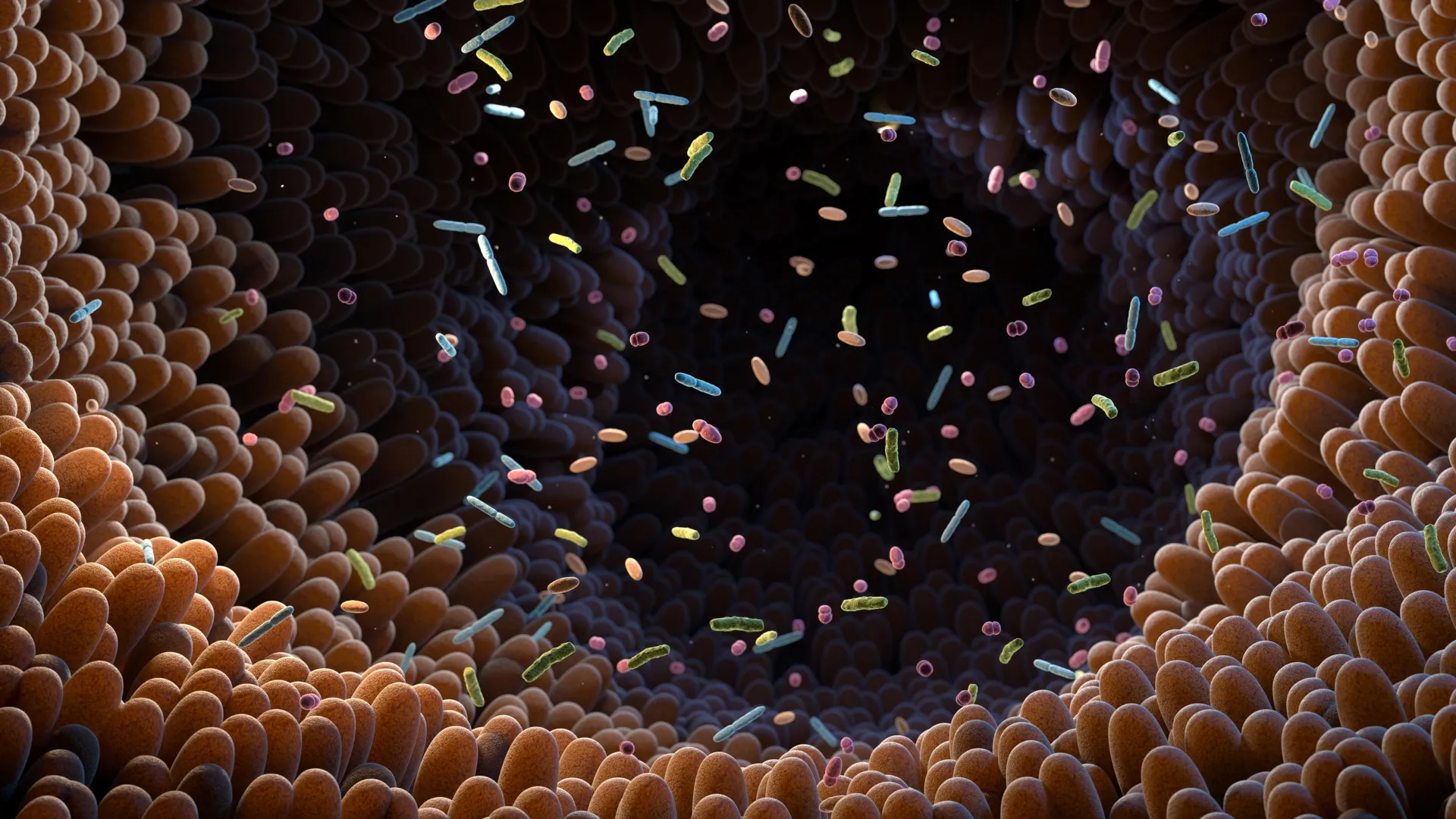
Cardiovascular diseases (CVDs) represent a formidable global health challenge, claiming the lives of nearly 20 million individuals annually and standing as the preeminent cause of death worldwide. While established risk factors such as genetic predispositions, sedentary lifestyles, poor diet, smoking, and chronic stress are undeniably significant contributors to a person’s cardiac well-being, a burgeoning field of scientific inquiry is shedding light on an unexpected yet profoundly influential factor: the intricate ecosystem of microorganisms residing within the human gut. These trillions of bacteria, fungi, viruses, and other microbes, collectively known as the gut microbiome, are increasingly being recognized for their deep involvement in the pathogenesis and progression of coronary artery disease (CAD), though the precise mechanisms underpinning their influence have, until recently, remained largely enigmatic.
The Global Burden of Cardiovascular Disease: A Persistent Threat
The sheer scale of the CVD crisis underscores the urgent need for novel insights and preventive strategies. According to the World Health Organization (WHO), ischemic heart disease and stroke are the world’s biggest killers, accounting for a combined 15.2 million deaths in 2016 alone. This burden is not merely a health crisis but also an economic one, imposing immense costs on healthcare systems globally and significantly impacting productivity. Traditional approaches to prevention and management, while crucial, have not been sufficient to stem the tide. This recognition has spurred researchers to look beyond conventional paradigms, leading them to the complex interplay between human physiology and its microbial residents.
For decades, the gut was primarily viewed as an organ of digestion and absorption. However, advancements in molecular biology and genomic sequencing technologies have revolutionized our understanding, revealing the gut microbiome as a metabolically active "superorgan" with far-reaching effects on host health, influencing everything from nutrient absorption and immune system development to brain function and, critically, cardiovascular health. The concept of the "gut-heart axis" has emerged as a focal point, suggesting a bidirectional communication pathway through which gut microbes and their metabolites can impact cardiac function and vascular integrity.
Early research in this area often identified broad associations between microbial dysbiosis – an imbalance in the gut microbial community – and various cardiovascular risk factors, such as obesity, type 2 diabetes, and hypertension. Studies observed shifts in microbial populations in patients with CVD compared to healthy controls, but these correlations seldom elucidated the specific bacterial players or the molecular pathways through which they exerted their influence. The challenge lay in moving beyond mere observation to a mechanistic understanding, a hurdle that recent groundbreaking research is beginning to overcome.
Mapping Microbes in Coronary Artery Disease: A Breakthrough from Seoul
A significant stride in unraveling this complex mystery has been made by a team of researchers in Seoul, South Korea. Publishing their findings in the esteemed journal mSystems, the team, spearheaded by Dr. Han-Na Kim, Ph.D., from the Samsung Advanced Institute for Health Sciences and Technology at Sungkyunkwan University, embarked on an ambitious quest to meticulously examine the intricate ways in which gut microbes interact with the cardiovascular system. Their work marks a critical evolution in microbiome research, moving beyond the foundational question of "which bacteria live there" to the more profound inquiry of "what they actually do in the heart-gut connection," as Dr. Kim eloquently articulated.
To achieve this granular level of understanding, Dr. Kim’s team employed cutting-edge metagenomic sequencing technology. This powerful technique involves extracting all the DNA present within a sample – in this case, fecal samples – and then sequencing it to reconstruct the genetic makeup of individual microbial species. This comprehensive approach allowed them to not only identify the diverse microbial inhabitants but also infer their metabolic potential and functional capabilities. The study meticulously analyzed samples from two distinct cohorts: 14 individuals definitively diagnosed with coronary artery disease and a control group of 28 healthy participants. The careful selection of these groups was crucial for drawing meaningful comparisons and identifying disease-specific microbial signatures.
Through this rigorous analysis, the researchers successfully identified a distinct panel of 15 bacterial species that exhibited a significant association with CAD. More importantly, their innovative methodology allowed them to go a step further: they mapped the specific biological pathways that link these identified microbes to the varying degrees of disease severity observed in the CAD patient group. This detailed "functional mapping" represents a pivotal advancement, providing concrete evidence of the operational roles played by these microbial communities in the context of cardiovascular pathology.
Inflammation, Imbalance, and Microbial Shifts: The Pathological Landscape
The high-resolution metagenomic map generated by Dr. Kim’s team painted a vivid picture of the gut ecosystem in individuals afflicted with CAD, revealing a "dramatic functional shift toward inflammation and metabolic imbalance." This shift was characterized by several key alterations. Firstly, there was a discernible loss of beneficial bacteria known for producing short-chain fatty acids (SCFAs), particularly species like Faecalibacterium prausnitzii. SCFAs, such as butyrate, propionate, and acetate, are crucial metabolites produced by gut bacteria through the fermentation of dietary fiber. They are widely recognized for their anti-inflammatory properties, their role in maintaining gut barrier integrity, and their systemic benefits, including metabolic regulation and potential cardiovascular protection. A reduction in these protective SCFA producers thus signals a critical weakening of the gut’s anti-inflammatory and metabolic regulatory capacities.
Conversely, the study observed an "overactivation of pathways, such as the urea cycle," which was directly linked to disease severity. The urea cycle is primarily involved in the detoxification of ammonia in the liver. However, certain gut bacteria can also contribute to ammonia production, and an overactive urea cycle, potentially driven by microbial activity, can lead to increased production of urea, which can then be further metabolized into harmful compounds. These findings collectively suggest that the gut ecosystem in people with CAD undergoes profound and detrimental changes that actively promote systemic inflammation and disrupt normal metabolic processes, offering a compelling explanation for the strong role of the gut microbiome in cardiovascular disease.
When "Good" Bacteria Turn Harmful: The Paradox of Context
One of the most surprising and counterintuitive discoveries of the Seoul study challenged conventional wisdom regarding "beneficial" bacteria. The research revealed that certain microbial species typically lauded for their positive health attributes can, under specific pathological conditions, paradoxically contribute to disease progression. Microbes such as Akkermansia muciniphila and Faecalibacterium prausnitzii, often celebrated as "friendly" species due to their roles in gut barrier integrity and SCFA production respectively, appeared to act distinctly depending on whether they originated from a healthy or a diseased gut environment.
Akkermansia muciniphila, for instance, is frequently associated with a healthy mucus layer and improved metabolic health, often promoted in probiotic contexts. F. prausnitzii is a major butyrate producer and a key indicator of gut health. However, Dr. Kim’s research indicates that their functional roles are not immutable but are instead profoundly influenced by the surrounding microbial community and the host’s physiological state. This "dual nature," as Dr. Kim termed it, underscores a critical paradigm shift in microbiome research: the context within the gut ecosystem can transform even traditionally protective microbes into contributors to disease. This highlights the immense complexity of microbial interactions and the inadequacy of a simplistic "good vs. bad" classification for individual species.
Adding another layer of complexity, the study also shed light on the intricate and often contradictory roles within bacterial families. Earlier research had suggested a general decrease in certain species within the Lachnospiraceae family in individuals with CAD. However, Dr. Kim’s team discovered that while some Lachnospiraceae species indeed diminished, others actually increased in abundance in CAD patients. This finding led Dr. Kim to draw a vivid analogy: "Lachnospiraceae may be the Dr. Jekyll and Mr. Hyde of the gut." This metaphor powerfully conveys the idea that within a single bacterial family, distinct strains or species can possess vastly different, even opposing, effects on host health. Identifying which specific strains are "healers" and which are "troublemakers" within such diverse groups remains a significant "unanswered question" and a critical area for future investigation.
Toward Precision Microbial Medicine: A New Frontier in Heart Health
The profound insights gleaned from this research are not merely academic; they hold immense translational potential for revolutionizing cardiovascular disease prevention and treatment. The researchers are now poised to integrate their detailed microbial data with other crucial omics information, including host genetics and metabolomics. This multi-omics approach aims to construct a holistic understanding of how gut microbes influence heart disease at a mechanistic level, elucidating the intricate molecular dialogues between the host and its microbiome.
The long-term vision articulated by Dr. Kim is nothing less than the development of "precision-based treatments that use microbial insights to prevent cardiovascular disease before it begins." This proactive, personalized approach represents a significant departure from current reactive treatment models, which often intervene after significant damage has occurred. Dr. Kim emphasized that prevention is the most promising and impactful strategy for mitigating the global burden of heart disease.
The potential strategies for realizing this vision are diverse and exciting. They include the development of novel microbial therapies, which could range from targeted probiotic or prebiotic interventions designed to restore beneficial bacterial populations or enhance their protective functions, to more complex fecal microbiota transplantation (FMT) approaches aimed at resetting a dysbiotic gut ecosystem. Dietary interventions, tailored to individual microbial profiles, could also play a pivotal role. For instance, specific dietary fibers or food compounds could be recommended to selectively nourish beneficial bacteria or inhibit the growth and harmful activities of pathogenic ones. Furthermore, the development of stool-based diagnostic screenings could allow for early identification of individuals at high risk of CAD based on their gut microbiome signature, enabling timely and targeted interventions. Imagine a future where a simple stool test could predict your risk of heart attack years in advance, allowing for personalized dietary and microbial interventions to avert the crisis.
Challenges and Future Directions
While the prospects are incredibly promising, the path to precision microbial medicine is not without its challenges. The sheer diversity and complexity of the human gut microbiome mean that identifying universal microbial biomarkers or therapeutic targets is incredibly difficult. Individual variations in diet, genetics, lifestyle, and environmental exposures all contribute to unique microbial landscapes, necessitating highly personalized approaches. Furthermore, establishing clear causality between specific microbial shifts and disease progression, rather than mere association, requires sophisticated longitudinal studies and interventional trials. The "Dr. Jekyll and Mr. Hyde" phenomenon within bacterial families underscores the need to move beyond species-level identification to strain-level resolution, which demands even more advanced sequencing and analytical techniques.
Despite these complexities, the work by Dr. Kim’s team represents a monumental leap forward. By meticulously uncovering the specific bacterial species and their associated biological mechanisms involved in CAD, scientists are steadily moving closer to harnessing the immense power of the gut microbiome as a sophisticated and potent tool for maintaining and restoring cardiovascular health. This research not only deepens our understanding of heart disease but also opens up an entirely new avenue for therapeutic innovation, offering a beacon of hope in the ongoing battle against the world’s leading killer. The journey from initial association to mechanistic understanding, and now to potential precision interventions, underscores the dynamic and transformative power of microbiome research in shaping the future of medicine.
