
 By Suherman Candra Maholtra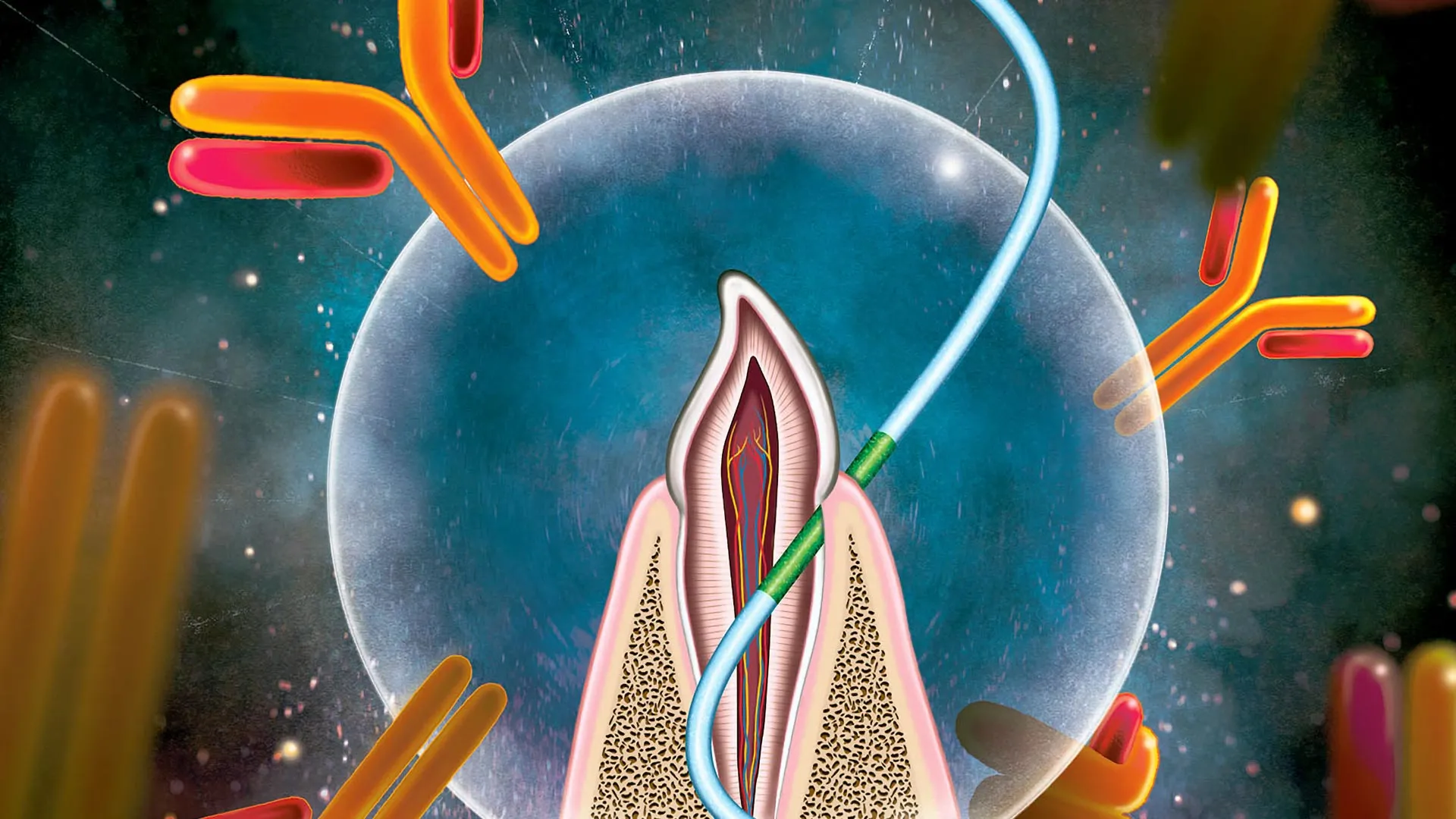
A multidisciplinary team of researchers has unveiled a pioneering method for vaccine administration that utilizes common dental floss to deliver immunization through the specialized tissue located between the teeth and gums. This novel approach, tested in animal models and evaluated for human feasibility, demonstrates a significant ability to stimulate antibody production on mucosal surfaces, including the respiratory tract and nasal passages. The findings, published in the journal Nature Biomedical Engineering, suggest a potential shift in how vaccines for respiratory pathogens like influenza and COVID-19 are delivered, moving away from traditional needle-based injections toward a more targeted, needle-free system that enhances the body’s primary line of defense.
The research, led by Harvinder Singh Gill, the Ronald B. and Cynthia J. McNeill Term Professor in Nanomedicine at North Carolina State University, addresses a long-standing challenge in vaccinology: the disparity between systemic and mucosal immunity. While traditional intramuscular injections are highly effective at generating antibodies within the bloodstream, they often fail to produce a robust immune response at the mucosal sites where many pathogens first enter the body. By targeting the junctional epithelium—a unique, permeable tissue within the oral cavity—the researchers have identified a "backdoor" to the immune system that provides both systemic protection and localized mucosal defense.
The Biological Significance of Mucosal Immunity
To understand the impact of this discovery, it is essential to distinguish between the various layers of the human immune system. Mucosal surfaces, such as the lining of the lungs, nose, and gastrointestinal tract, are the primary points of entry for the vast majority of infectious agents. Under current vaccination protocols, an injection in the deltoid muscle prompts the production of IgG antibodies in the blood. While these antibodies circulate throughout the body and prevent severe systemic illness, they do not always reach the mucosal lining in high enough concentrations to prevent the initial infection or "shedding" of the virus.
According to Professor Gill, the presence of antibodies on mucosal surfaces provides an additional line of defense that can neutralize a pathogen before it ever enters the bloodstream. "Mucosal surfaces are important because they are a source of entry for pathogens," Gill noted. "However, if a vaccine is given by injection, antibodies are primarily produced in the bloodstream throughout the body, and relatively few antibodies are produced on mucosal surfaces." By delivering the vaccine directly to a mucosal layer, the body is stimulated to produce secretory IgA antibodies, which act as sentinels at the site of entry, potentially offering a higher degree of "sterilizing immunity" that prevents infection entirely rather than just mitigating symptoms.
Anatomy of the Junctional Epithelium
The success of the floss-based method hinges on the specific biological properties of the junctional epithelium. Most epithelial tissues, such as the skin or the lining of the stomach, act as robust barriers designed to keep foreign materials, bacteria, and viruses out of the internal systems. These tissues are often heavily keratinized or possess tight junctions that make them poor candidates for non-invasive vaccine delivery.
In contrast, the junctional epithelium, located at the base of the gingival sulcus (the pocket between the tooth and the gum), is remarkably thin and permeable. Its natural function is to allow the passage of immune cells from the body into the oral cavity to combat dental bacteria. This inherent lack of a barrier makes it a unique physiological window. Because it is already a mucosal layer and possesses high permeability, it allows vaccine molecules to bypass the tougher outer layers of the mouth and reach the underlying lymphoid tissues where immune responses are initiated.
Comparative Study and Experimental Results
The research team conducted a series of experiments using lab mice to compare the efficacy of the junctional epithelium (JE) delivery method against existing standards. The study utilized an unwaxed dental floss coated with a peptide-based influenza vaccine. The researchers compared three primary delivery routes:
- Flossing the junctional epithelium.
- Intranasal delivery (via the nasal epithelium).
- Sublingual delivery (placing the vaccine under the tongue).
The results indicated that the floss-based delivery to the JE produced an antibody response on mucosal surfaces that was far superior to the sublingual method, which is currently considered the gold standard for oral mucosal vaccination. Furthermore, the flossing technique provided protection against the flu virus that was comparable to intranasal delivery.
Rohan Ingrole, the paper’s first author and a former Ph.D. student under Gill at Texas Tech University, emphasized the importance of these findings. "The flossing technique also provides comparable protection against flu virus as compared to the vaccine being given via the nasal epithelium," Ingrole stated. This is particularly significant because nasal vaccines, while effective, face several hurdles. Many vaccine formulations are unable to penetrate the nasal barrier efficiently, and there are persistent safety concerns regarding the potential for intranasally administered substances to travel along the olfactory nerve and reach the brain. The junctional epithelium route carries no such risk of neurological exposure.
Versatility Across Vaccine Platforms
One of the most critical aspects of the study was determining whether this delivery method could be applied to various types of modern vaccines. The researchers tested the JE delivery system with four distinct classes of vaccines:
- Peptides: Small chains of amino acids representing parts of a pathogen.
- Proteins: Larger, more complex molecules often used in subunit vaccines.
- Inactivated Viruses: Traditional vaccines using "killed" versions of a pathogen.
- mRNA: The technology used in prominent COVID-19 vaccines, which instructs cells to produce a protein that triggers an immune response.
In all four categories, the floss-based delivery to the junctional epithelium successfully produced robust antibody responses both in the bloodstream and across mucosal surfaces. This suggests that the method is platform-agnostic and could theoretically be used for a wide range of immunizations, from seasonal influenza to emerging viral threats.
Additionally, the researchers observed that the immune response remained consistent regardless of whether the subjects consumed food or water immediately after the application. This durability is a vital factor for real-world application, where strict post-administration fasting requirements often hinder the effectiveness of oral treatments.
From Laboratory Floss to Human Floss Picks
Transitioning a laboratory discovery into a practical medical tool requires addressing the human element. While the mouse models were treated with manual flossing, the researchers recognized that asking patients to self-administer a vaccine using loose, coated floss would be impractical and prone to error. To solve this, the team looked toward the floss pick—a plastic tool with a pre-tensioned piece of floss.
To test the feasibility of this delivery mechanism in humans, the researchers conducted a pilot study involving 27 participants. The floss picks were coated with a fluorescent food dye to simulate the vaccine coating. Participants were given brief instructions on the concept and asked to use the pick to deposit the dye into their gingival sulcus.
The results were encouraging: approximately 60% of the dye was successfully deposited into the gum pocket. This level of deposition suggests that with refined tools or minimal training, the floss pick could serve as a reliable, self-administered delivery device. "We’re optimistic about that work and—depending on our findings—may then move toward clinical trials," Gill said.
Broader Implications and Future Outlook
The implications of a successful floss-based vaccine are far-reaching. From a public health perspective, the method offers several potential advantages:
- Needle Phobia: A significant portion of the population avoids vaccination due to a fear of needles (trypanophobia). A floss-based alternative could increase vaccination rates in these demographics.
- Ease of Administration: If the method is perfected for self-administration, it could alleviate the burden on healthcare infrastructure during mass vaccination campaigns.
- Cost-Efficiency: The researchers anticipate the technique will be price-competitive with existing delivery methods, as it uses widely available materials and does not require specialized medical disposal for "sharps."
However, several challenges remain. The method is currently unsuitable for infants and toddlers who have not yet developed teeth. Furthermore, the impact of periodontal diseases, such as gingivitis or periodontitis, on the efficacy of the vaccine remains unknown. Chronic inflammation in the gums could potentially alter the permeability of the junctional epithelium or interfere with the immune signaling process.
The research was a collaborative effort involving experts from North Carolina State University, Texas Tech University, and Emory University. It received financial backing from the National Institutes of Health (NIH) and the Whitacre Endowed Chair in Science and Engineering at Texas Tech. As the team prepares for potential clinical trials, the scientific community will be watching closely to see if this common bathroom staple can indeed become a front-line tool in the global fight against infectious disease.
The study, titled "Floss-based vaccination targets the gingival sulcus for mucosal and systemic immunization," marks a significant milestone in the evolution of non-invasive medicine. By reimagining the anatomy of the mouth as a gateway for immunity, Gill and his colleagues have opened a new chapter in the pursuit of more effective, accessible, and comprehensive vaccination strategies.
