
 By Budi Oetomo Narendra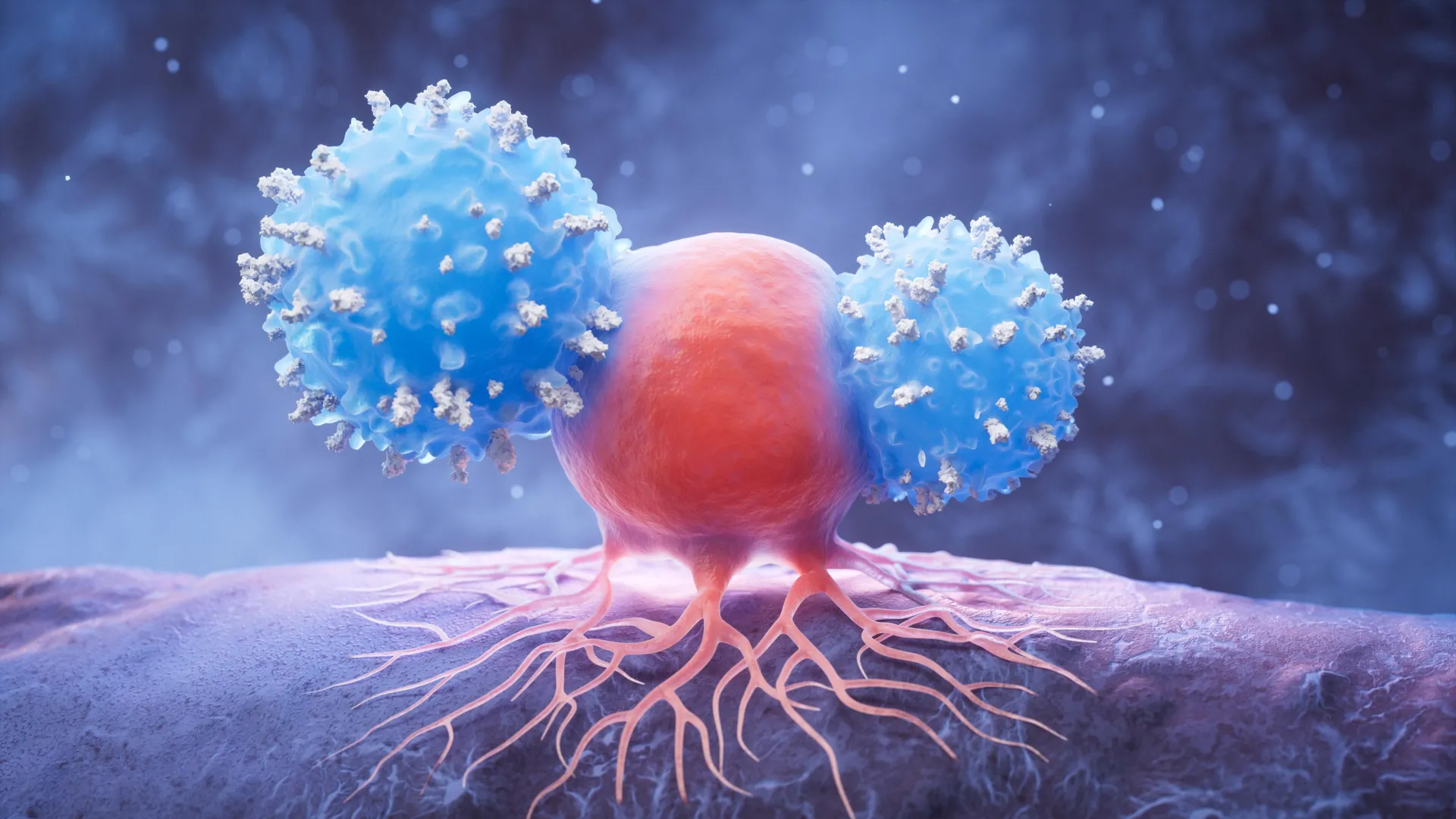
People who live to exceptionally old ages may retain an immune system that continues adapting robustly to new threats, according to groundbreaking research. A recent study published in the Cell Press journal Cell Reports on August 19 has found that supercentenarians, individuals who reach the remarkable age of 110 or older, possess unusually high levels of specialized immune cells known as CD4 cytotoxic T lymphocytes (CD4 CTLs). This discovery challenges conventional understanding of immune decline with age, suggesting that for the select few who achieve extreme longevity, the immune system may not merely resist decay but actively evolve to counter persistent age-related challenges.
Understanding Immunosenescence: The Conventional View of Aging Immunity
To fully appreciate the significance of this new research, it is crucial to understand the prevailing scientific consensus on immune system changes with age, a phenomenon known as immunosenescence. As individuals age, their immune systems generally undergo a gradual decline in function, making them more susceptible to infections, autoimmune diseases, and various forms of cancer. This decline is characterized by several key changes. The thymus, the organ responsible for producing T cells, begins to atrophy after puberty, leading to a reduced output of new, "naïve" T cells capable of recognizing novel pathogens. Existing T cell populations, particularly CD8+ cytotoxic T cells, often accumulate to high numbers but become less efficient at clearing infections or cancerous cells, a state sometimes referred to as "immune exhaustion."
Furthermore, the aging immune system typically exhibits a reduced ability to mount strong, protective responses to new vaccinations, a diminished capacity for immune surveillance against nascent tumors, and an increased propensity for chronic low-grade inflammation, often termed "inflammaging." This chronic inflammation contributes to the development of many age-related diseases, including cardiovascular disease, neurodegenerative disorders, and metabolic syndromes. For decades, the trajectory of immune function has been largely viewed as a path of inevitable decline, making the immune resilience observed in supercentenarians a fascinating anomaly that warrants deeper investigation. The findings from researchers at the University of Osaka directly contradict this general pattern, positing a mechanism of sustained immune adaptation in the most exceptionally long-lived individuals.
The Unconventional Immune Strength of Supercentenarians
The study zeroes in on CD4 CTLs, a distinct subset of T lymphocytes that have previously garnered attention for their ability to eliminate tumor cells in specific cancers. Unlike the more common CD8+ cytotoxic T lymphocytes, which are primarily known for their direct killing capabilities, CD4 T cells are typically classified as "helper" cells, orchestrating immune responses by releasing cytokines and assisting B cells in antibody production. The existence and significant presence of CD4 CTLs, which possess the cytotoxic machinery of CD8 T cells while bearing the CD4 co-receptor, represent a less common but highly potent arm of the adaptive immune system.
During illness, these CD4 CTLs can reproduce rapidly through a process called clonal expansion, generating a large army of identical cells specifically tailored to combat a particular threat. This swift and targeted proliferation is crucial for an effective immune response to infection. The new research posits that this very mechanism, characterized by the robust activity of CD4 CTLs, is not only present but remarkably amplified in supercentenarians, suggesting a fundamental association with healthy aging at the extreme end of the human lifespan. Kosuke Hashimoto, an associate professor at the University of Osaka in Japan and the first author of the study, emphasized this departure from conventional understanding. "Immune aging is not simply a process of decline," Hashimoto stated. "The selective expansion of certain T cells suggests that, even in extreme old age, the immune system may continue to adapt to age-related challenges." This statement underscores a paradigm shift from viewing aging immunity as a passive decay to recognizing its potential for active, albeit specialized, adaptation.
Quantifying the Rise of CD4 CTLs in Extreme Old Age
The research team undertook a meticulous examination of blood samples collected from 28 adults, strategically categorized into three distinct age groups to observe progressive changes: 70-99 years, 100-109 years (centenarians), and 110 years and older (supercentenarians). The findings revealed a compelling and statistically significant trend: the median proportion of CD4 CTLs within the total T cell population rose steadily and dramatically across these escalating age brackets.
Specifically, the youngest cohort, comprising individuals aged 70 to 99, exhibited a median proportion of 4% CD4 CTLs. This figure more than doubled in the subsequent group of centenarians (100-109 years), reaching 9.6%. The most striking increase was observed in the supercentenarian group (110 years and older), where the median proportion of these specialized killer T cells surged to an impressive 17.6%. This quantitative data provides compelling evidence that CD4 CTLs emerge as a distinctive cellular hallmark of extreme longevity, not merely becoming more common but also continuing to expand and adapt as individuals reach the very limits of human lifespan.
Hashimoto further elaborated on the rarity and significance of these cells. "CD4 CTLs are an atypical and relatively rare T cell population," he noted. "So, their marked increase in supercentenarians may provide important clues as to how the immune system is maintained in extreme old age." While the general pattern indicated that the expansion of these cells might predominantly begin around the century mark, the study also presented an intriguing outlier: one participant, younger than 100 years of age, astonishingly displayed the highest proportion of CD4 CTLs recorded in the entire study. This specific observation suggests that while common in supercentenarians, this unique immune signature is not exclusively confined to them and may represent a general marker of exceptional immune resilience that could manifest earlier in some individuals.
The Power of Clonal Expansion: A Battle Against Persistent Threats
To unravel the underlying reasons for the remarkable abundance of CD4 CTLs in the exceptionally aged, the researchers delved into the genetic blueprint of the T cell receptors found in their participants. This analysis proved pivotal, revealing that clonal expansion plays a central and critical role in the proliferation of these cells. When the immune system encounters a threat—be it a pathogen, a nascent tumor, or other abnormal cells—specific CD4 CTLs that recognize this threat are activated and begin to make numerous identical copies of themselves. This rapid amplification creates a formidable army of highly targeted immune cells.
In the study participants, the extent of this clonal expansion was particularly striking. The largest individual clone of CD4 CTLs represented an average of 33.3% of all CD4 CTLs within an individual’s blood sample. This high concentration strongly suggests that some older adults are mounting sustained and vigorous responses to ongoing immune challenges, which could include chronic low-grade infections, persistent viral reservoirs, or the continuous emergence of abnormal cells. The effect was even more pronounced in one centenarian whose blood sample revealed that a single clone constituted an astounding 53.8% of all CD4 CTLs. Such a dominant clone indicates a highly focused and persistent immunological battle, where a specific threat has driven the extensive proliferation of a single, highly effective CD4 CTL lineage. This sustained immune activity stands in stark contrast to the typical immune exhaustion observed in many aging individuals.
Unveiling the Cancer Connection
The investigation extended beyond mere quantification and clonal analysis. Researchers embarked on a crucial comparative study, analyzing the receptor sequences from each participant’s dominant CD4 CTL clone and cross-referencing them with sequences stored in a comprehensive public database. This meticulous comparison yielded intriguing results: nearly three dozen matches were identified with sequences derived from individuals who had been previously diagnosed with various forms of cancer, specifically lung, breast, and liver cancers.
Crucially, none of the centenarians or supercentenarians enrolled in the study had been diagnosed with these specific cancers. This discrepancy led the researchers to propose a compelling hypothesis: the profound expansion of these CD4 CTLs in exceptionally long-lived individuals might not just be a response to general immune challenges, but could reflect early, effective immune surveillance and responses to abnormal or potentially cancer-related targets before these malignancies fully manifest. Hashimoto acknowledged the preliminary nature of this link, stating, "Some CD4 CTLs may recognize cancer-related targets, although their exact targets remain unknown." This potential link suggests that a robust CD4 CTL response could be a key mechanism by which supercentenarians manage to avoid or suppress age-related cancers, contributing significantly to their extended healthspan and overall longevity.
Perspectives from the Research Team and Broader Implications
While the findings are profoundly encouraging, the research team emphasizes important caveats. The study, at this stage, does not definitively establish that high levels of CD4 CTLs directly protect against cancer or are the sole cause of people living longer. The analysis primarily focused on T cells circulating in the blood, and the precise activities of these cells in various human tissues and organs remain to be fully elucidated. The systemic implications of their elevated presence require further investigation.
Despite these limitations, the implications of this study are far-reaching. The discovery of an adaptive and highly effective immune mechanism in supercentenarians offers a novel perspective on healthy aging. It suggests that extreme longevity might not just be about avoiding disease, but actively possessing an immune system that is uniquely equipped to manage the challenges of aging, including the continuous emergence of senescent cells (cells that stop dividing but remain metabolically active, contributing to inflammation and tissue damage) and nascent cancerous cells.
Hashimoto outlined the crucial next steps for the research. "As we age, abnormal cells, including senescent and cancerous cells, become more common," he explained. "Our findings suggest that immune adaptation to these changes may contribute to exceptional longevity." The immediate priority for the team is to investigate how CD4 CTLs behave and function within human tissues, beyond the bloodstream. Understanding their precise localization, interactions with other cell types, and specific targets in organs like the liver, lungs, or breast tissue could unlock critical insights into their protective roles. Furthermore, future research will likely focus on identifying the specific antigens that these expanded CD4 CTL clones are recognizing, which could pave the way for novel therapeutic strategies.
Future Directions in Immunological Research and Therapeutic Potential
The findings from the University of Osaka team open up exciting avenues for future research in immunology and gerontology. If CD4 CTLs indeed play a role in suppressing cancer development or effectively managing other age-related pathologies, then strategies to enhance their activity or numbers could become a cornerstone of future anti-aging interventions. This could involve immunotherapies designed to boost CD4 CTL responses, potentially through targeted vaccinations or adoptive cell transfers. The identification of specific cancer-related targets recognized by these cells could also lead to the development of highly specific diagnostic tools for early cancer detection or novel immunotherapeutic drugs.
Moreover, understanding the genetic and environmental factors that contribute to the robust CD4 CTL responses observed in supercentenarians could shed light on broader determinants of healthy aging. This might involve examining genetic predispositions, lifestyle factors, or even past immune challenges that could prime an individual’s immune system for such an adaptive response. The study contributes significantly to a growing body of evidence that challenges the purely deterministic view of aging, emphasizing the dynamic and adaptive potential of biological systems, even in extreme old age. By unraveling the secrets of these exceptional individuals, scientists hope to glean actionable insights that could one day benefit the broader population, extending not just lifespan, but crucially, healthspan—the period of life spent in good health.
This work was supported by a consortium of grants and foundations, including Japan Society for the Promotion of Science KAKENHI grants, the Promotion Program for Frontier Protein Research from the Institute for Protein Research, the University of Osaka, the Takeda Science Foundation, the Mochida Memorial Foundation for Medical and Pharmaceutical Research, research grants for Keio University Global Initiative Research Projects, and a research grant from the Ministry of Education, Culture, Sports, Science and Technology to the RIKEN Center for Integrative Medical Sciences.
