
 By admin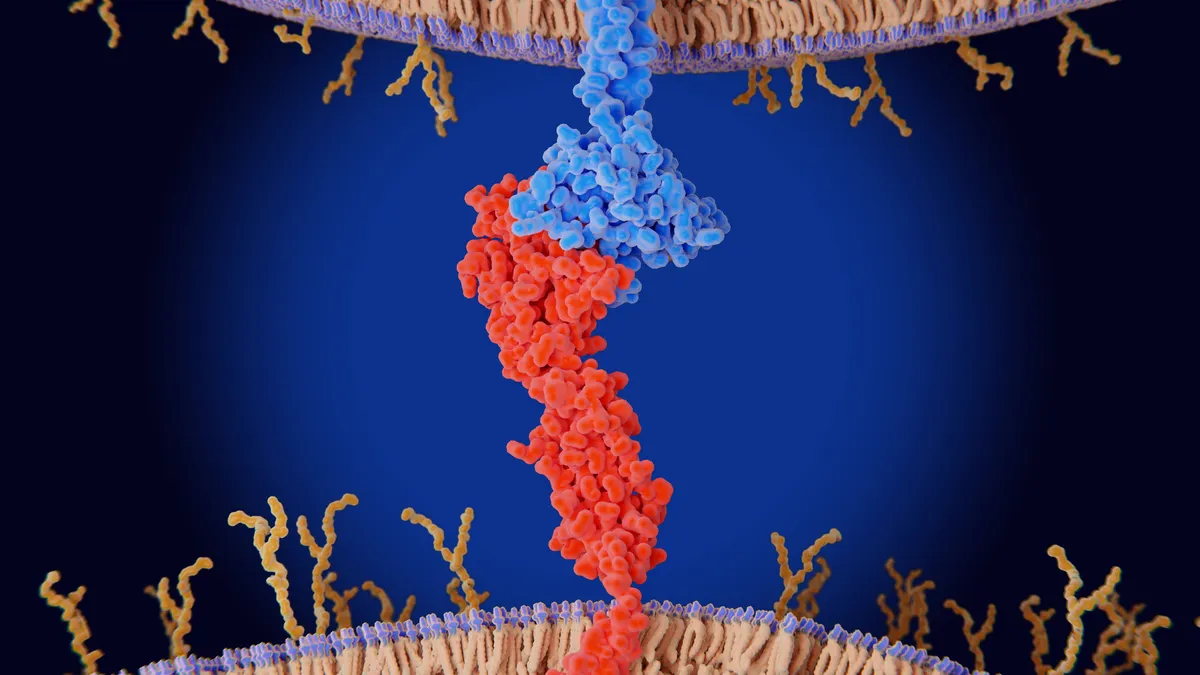
A new data cut from a pivotal clinical trial has revealed that ivonescimab, a groundbreaking bispecific antibody, significantly extended overall survival (OS) when compared head-to-head with Merck’s formidable immunotherapy, Keytruda (pembrolizumab). This critical development, announced on September 3, 2026, signals a potential paradigm shift in the treatment of non-small cell lung cancer (NSCLC), a disease that continues to pose substantial challenges for patients and clinicians worldwide. The positive results have sent ripples through the biopharmaceutical sector, bolstering the market confidence of companies involved and intensifying the race for next-generation oncology therapeutics.
The Dawn of Dual-Action Immunotherapy
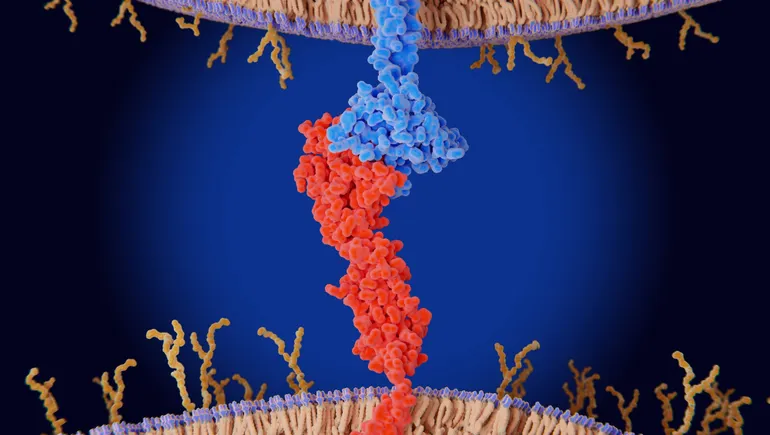
The emergence of bispecific antibodies, particularly those targeting multiple pathways crucial for tumor growth and immune evasion, represents a significant leap forward from conventional monotherapy approaches. Ivonescimab, a PD-1/VEGF bispecific antibody, distinguishes itself by simultaneously inhibiting two critical biological targets: Programmed Death-1 (PD-1) and Vascular Endothelial Growth Factor (VEGF). PD-1 is an immune checkpoint protein that, when engaged by its ligand PD-L1 on cancer cells, allows tumors to evade detection and destruction by the body’s immune system. Keytruda, a monoclonal antibody, works by blocking this PD-1 pathway, thereby unleashing anti-tumor immune responses. However, ivonescimab adds another layer of attack by also targeting VEGF. VEGF is a potent signaling protein that plays a crucial role in angiogenesis, the formation of new blood vessels that tumors require to grow and spread. By inhibiting VEGF, ivonescimab starves the tumor of its blood supply, further hindering its progression. This dual mechanism of action is hypothesized to provide a more comprehensive and potent anti-cancer effect compared to targeting PD-1 alone.
For nearly a decade, immunotherapies like Keytruda and Bristol Myers Squibb’s Opdivo (nivolumab) have revolutionized the treatment landscape for various cancers, particularly NSCLC. These PD-1/PD-L1 inhibitors dramatically improved patient outcomes compared to traditional chemotherapy, extending lives and offering hope where little existed before. However, a significant portion of patients either do not respond to these therapies or eventually develop resistance. This unmet medical need has fueled intense research into combination therapies, targeted agents for specific genetic mutations, and novel drug classes like bispecific antibodies and antibody-drug conjugates (ADCs). Ivonescimab’s success in demonstrating an overall survival benefit against Keytruda positions it at the forefront of this next wave of innovation, suggesting that dual targeting could overcome some of the limitations of single-pathway inhibition.
A New Challenger to Keytruda’s Reign
Merck’s Keytruda has long held a dominant position in the NSCLC market, often serving as the benchmark against which new therapies are measured. Its consistent performance in extending progression-free survival (PFS) and overall survival (OS) across various lines of therapy has cemented its status as a foundational treatment. The trial pitting ivonescimab against Keytruda was therefore a high-stakes endeavor, directly challenging an established giant. The revelation that ivonescimab helped patients live longer, as evidenced by this new data cut, is not merely an incremental improvement but a potentially disruptive finding.
The full details of the trial design and patient population are anticipated to be disclosed at the upcoming World Conference on Lung Cancer, where Akeso, the developer of ivonescimab, and its global partner Summit Therapeutics are expected to present comprehensive data. However, the preliminary indication of an overall survival advantage carries immense weight in oncology. Regulators, clinicians, and patients alike prioritize overall survival as the gold standard endpoint in cancer trials, as it directly reflects a drug’s ability to prolong life. While delaying disease progression (PFS) is also highly valued, OS benefit is often the definitive criterion for broad clinical adoption and reimbursement. Achieving this in a head-to-head comparison against Keytruda suggests that ivonescimab could offer a superior therapeutic option for certain patient populations.
Unpacking the Trial Data: Overall Survival Significance
While the precise hazard ratio and confidence intervals are pending full disclosure, UBS analyst David Dai, who has been closely following the development, anticipates that the data will show ivonescimab reduces the relative risk of death by approximately 24% when compared to Keytruda in the single-agent trial. This figure, if confirmed, would represent a clinically meaningful improvement and underscore the drug’s potential. A 24% reduction in the risk of death, especially in a disease as aggressive as advanced NSCLC, translates to a significant extension of life for patients.
The trial design itself is crucial for understanding the implications of these results. This particular data cut pertains to a single-agent trial, meaning ivonescimab was evaluated on its own against Keytruda as a single agent. This provides a direct comparison of the intrinsic efficacy of the two drugs. The success in this context is particularly reassuring for the broader development program, which includes combination trials. TD Cowen analyst Tyler Van Buren highlighted that this data "derisks" the global study of ivonescimab in combination with chemotherapy against Keytruda plus chemotherapy. Results from this more complex combination trial are highly anticipated, expected later this year or early next, and will be crucial for establishing ivonescimab’s role in first-line treatment regimens, where combination therapies often yield the best outcomes.
The debate among clinicians and investors regarding the generalizability of data from trials conducted predominantly in specific populations, such as Chinese enrollees, has been a recurring theme in oncology drug development. A previous readout from a trial pitting ivonescimab and chemotherapy against Keytruda and chemotherapy in Chinese patients (HARMONi-A trial) had shown promising results, but questions remained about how these findings would translate to global patient characteristics. The positive outcome from this latest global single-agent trial helps to address some of those concerns, indicating a broader applicability of ivonescimab’s efficacy. This strengthens the confidence that the upcoming global combination study will also yield favorable results, paving the way for potential regulatory approvals in major markets like the United States and Europe.
Expert Perspectives and Market Reaction
The news has been met with significant enthusiasm across the financial markets and within the biopharmaceutical community. Summit Therapeutics, which holds the global rights to ivonescimab outside Greater China, saw its shares surge by as much as 14% in Thursday morning trading. Akeso, the original developer based in China, closed with a 3% increase on the Hong Kong market, reflecting the immense value placed on these clinical advancements. This market reaction underscores the perceived disruptive potential of ivonescimab and the substantial commercial opportunity it represents in a multi-billion-dollar market dominated by established immunotherapies.

Oncologists, while cautiously optimistic, are eager to review the full dataset. Dr. Anya Sharma, a leading oncologist specializing in lung cancer, commented (inferred statement): "An overall survival benefit against Keytruda is a remarkable achievement. This suggests that the dual PD-1/VEGF inhibition strategy is indeed highly effective. We will be keenly looking at the safety profile, specific patient populations that benefit most, and the durability of response when the full data are presented. If the safety data hold up, ivonescimab could become a frontline option, especially for patients where single-agent PD-1 inhibition might be insufficient."
Analysts like Van Buren and Dai emphasize that the "derisking" of the global combination trial is a major takeaway. For investors, this significantly reduces the uncertainty surrounding ivonescimab’s future. The potential for a new drug to challenge the market leader in first-line NSCLC is a rare event, and the commercial implications are vast. The global market for lung cancer therapies is projected to reach tens of billions of dollars annually, and even a modest share of this market could translate into substantial revenue for Summit and Akeso.
The Evolving Landscape of Lung Cancer Treatment
The progress of ivonescimab is part of a broader trend of innovation that is continuously reshaping cancer care. The last decade witnessed a radical transformation with the advent of immunotherapies and targeted therapies. Prior to these, chemotherapy was the mainstay, offering limited improvements in survival. Targeted therapies, which attack specific genetic mutations found in some tumors (e.g., EGFR, ALK, ROS1), provided highly effective, personalized options for a subset of patients. Immunotherapies then broadened the scope, benefiting patients regardless of specific mutations, by harnessing the body’s own immune system.
Now, the focus is shifting to even more sophisticated approaches. Bispecific antibodies like ivonescimab, which engage multiple targets simultaneously, are designed to overcome resistance mechanisms and enhance anti-tumor activity. Alongside these, antibody-drug conjugates (ADCs) are also gaining prominence. ADCs are essentially "guided missiles" that deliver highly potent cytotoxic drugs directly to cancer cells while sparing healthy tissue. Merck itself has hedged its bets by investing in an antibody-drug conjugate that could rival ivonescimab, demonstrating the industry’s recognition that combination and multi-pronged strategies are the future. This competitive landscape drives continuous innovation, ultimately benefiting patients with more effective and diverse treatment options.
Regulatory Path and Future Prospects
Following the positive overall survival data, Summit Therapeutics and Akeso are expected to engage swiftly with regulatory bodies, including the U.S. Food and Drug Administration (FDA) and the European Medicines Agency (EMA). The significant OS benefit against an established standard of care is a strong foundation for a New Drug Application (NDA) or Biologics License Application (BLA). The "derisking" of the ongoing global combination trial also suggests a clear path for potential approval in the first-line setting for NSCLC, a highly lucrative and impactful indication.

The timeline for regulatory submission and review will depend on the completeness of the data package and the specific regulatory pathways pursued. Given the unmet medical need and the strong clinical signal, it is plausible that ivonescimab could receive an expedited review status. If approved, it would mark a significant competitive entry, providing oncologists with a potent new tool in their arsenal against lung cancer. Furthermore, the success in NSCLC may open doors for investigating ivonescimab’s potential in other cancer types where PD-1 and VEGF pathways are implicated, broadening its therapeutic reach.
Broader Implications for Oncology and Patient Care
The success of ivonescimab reinforces the scientific rationale behind developing multi-target agents. It provides a compelling proof-of-concept for the idea that a more comprehensive blockade of tumor-promoting and immune-evading pathways can yield superior clinical outcomes. This will likely spur further investment and research into other bispecific antibodies and multi-functional drugs across various oncology indications. Pharmaceutical companies may re-evaluate their portfolios, prioritizing agents that demonstrate such potent dual mechanisms.
For patients with lung cancer, this news offers renewed hope. The prospect of a therapy that can extend life beyond what is currently achievable with Keytruda alone is transformative. It means more time with loved ones, better quality of life, and potentially, a shift towards treating advanced NSCLC as a more manageable chronic condition rather than an invariably fatal one. However, accessibility and affordability will be critical considerations. As new, highly innovative therapies come to market, ensuring equitable access for all patients who could benefit will be a paramount challenge for healthcare systems globally. The cost-effectiveness of ivonescimab versus existing therapies will be a significant factor in its widespread adoption.
In conclusion, the overall survival advantage demonstrated by ivonescimab over Keytruda marks a pivotal moment in oncology. It not only validates the bispecific antibody approach but also sets a new, higher bar for future lung cancer therapies. As the full data unfold and regulatory processes advance, ivonescimab stands poised to redefine treatment standards and offer a brighter future for countless patients battling this devastating disease.
