
 By Budi Oetomo Narendra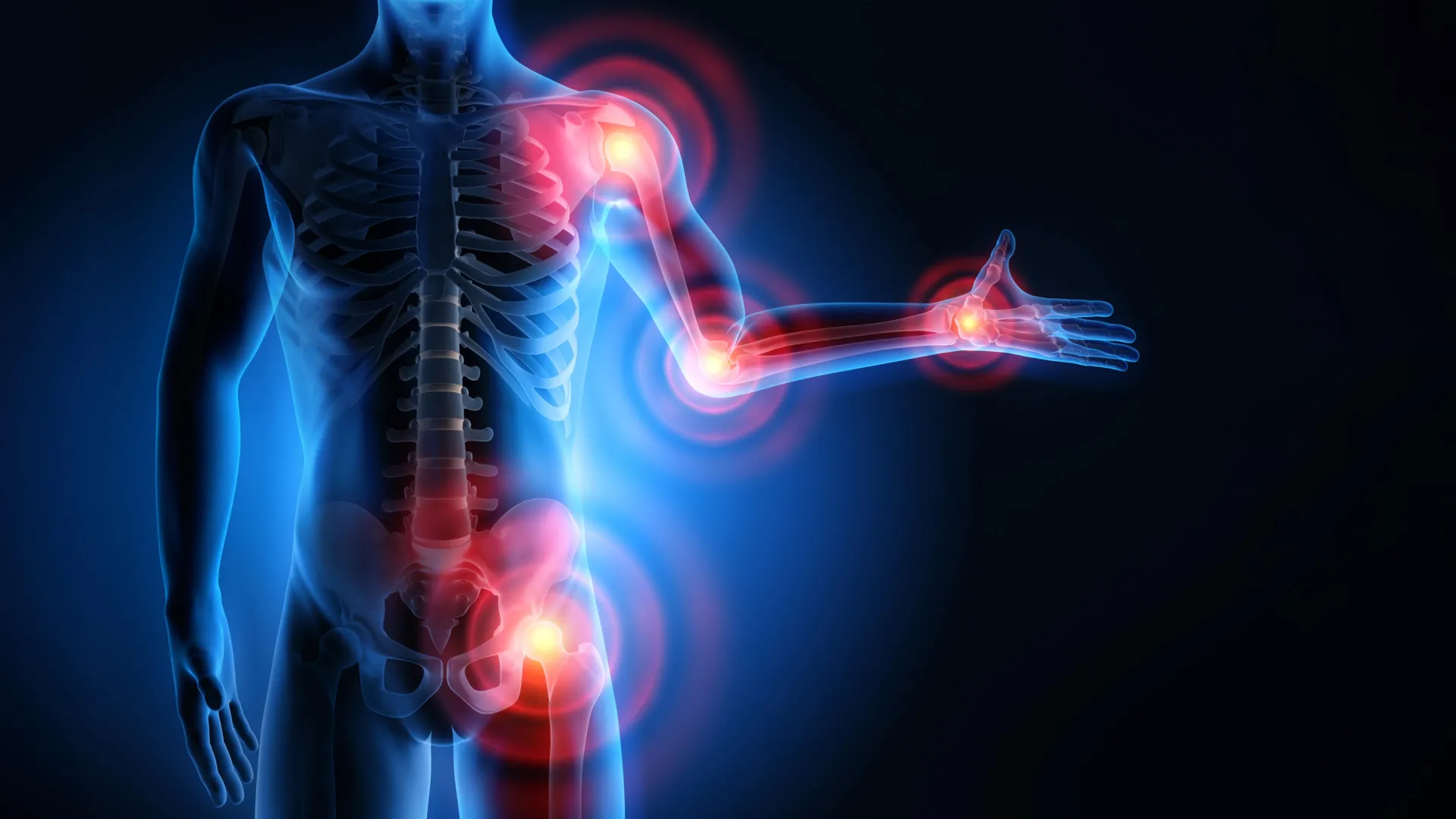
Hamilton, Ontario – Researchers at McMaster University have identified a previously unrecognized biological pathway that illuminates why millions of statin users experience muscle pain, weakness, and difficulty exercising. This groundbreaking discovery, published in Science Advances, points to a novel interaction between the immune system and muscle cell metabolism, challenging long-held assumptions about the origins of statin-associated muscle symptoms (SAMS) and potentially paving the way for targeted treatments that can mitigate these debilitating side effects without compromising the medications’ critical cardiovascular benefits.
The Global Imperative: Statins as a Cornerstone of Cardiovascular Health
Cardiovascular disease (CVD) remains the leading cause of mortality worldwide, responsible for an estimated 17.9 million deaths annually, according to the World Health Organization. Conditions like heart attacks and strokes impose an immense burden on individuals, healthcare systems, and national economies. In this global health landscape, statins—a class of drugs designed to lower cholesterol—have emerged as one of the most effective and widely prescribed medications for reducing CVD risk.
First introduced in the late 1980s, statins revolutionized the approach to preventing heart disease. They work primarily by inhibiting HMG-CoA reductase, an enzyme crucial for cholesterol synthesis in the liver. By reducing LDL ("bad") cholesterol levels, statins significantly decrease the risk of atherosclerotic plaque formation, thereby preventing life-threatening cardiovascular events. Millions of people globally, including an estimated 35 million adults in the United States alone, rely on statins to safeguard their heart health. Their efficacy in reducing cardiovascular morbidity and mortality is well-established, making them indispensable in modern preventive medicine.
The Persistent Shadow: Statin-Associated Muscle Symptoms (SAMS)
Despite their undeniable benefits, statins are not without their drawbacks. A significant proportion of patients, estimated to be between 7% and 29% in clinical trials and potentially higher in real-world settings, report muscle-related side effects. These symptoms can range from mild myalgia (muscle pain) and weakness to more severe conditions like myopathy (muscle disease) and, in rare cases, rhabdomyolysis (a severe breakdown of muscle tissue). While rhabdomyolysis is rare, the more common muscle pain and weakness are enough to cause substantial distress and significantly impact a patient’s quality of life.
The emergence of SAMS presents a critical challenge to patient adherence. When faced with persistent muscle discomfort, many patients are compelled to reduce their statin dose or, more alarmingly, discontinue the medication altogether. This non-adherence can have severe consequences, negating the protective effects of statins and leaving individuals vulnerable to the very cardiovascular events the drugs are designed to prevent. Healthcare providers often face a dilemma: balance the need for aggressive lipid lowering with the imperative to manage debilitating side effects, sometimes resorting to less effective alternative therapies or lower statin doses. For decades, the precise biological mechanisms underlying SAMS have remained elusive, prompting a persistent quest among scientists to unravel this clinical mystery.
A Breakthrough in Understanding: The McMaster Discovery
The new research from McMaster University, spearheaded by first authors Nazli Robin and Nicole Barra of the Schertzer Lab, offers a pivotal breakthrough. The team’s investigations revealed that statins can interfere with the intricate processes by which muscle cells generate energy. This disruption, rather than being a benign metabolic alteration, appears to trigger an immune response within the muscle cells themselves, ultimately leading to tissue damage.
"Statins are among the most effective medications we have for reducing cardiovascular disease risk and preventing early death," stated Jonathan Schertzer, professor in McMaster’s Department of Biochemistry and Biomedical Sciences and senior author of the study. "Unfortunately, muscle side-effects lead some people to reduce their dose or stop taking the medication altogether. We wanted to understand why this happens and whether it might be possible to separate the side-effects from the benefits."
Through a series of meticulous experiments involving both muscle cell cultures and mouse models, the researchers demonstrated that blocking this immune response within the muscle cells could effectively prevent much of the damage typically associated with statin use. This finding is particularly significant because it suggests a clear distinction between the mechanism responsible for statins’ cholesterol-lowering efficacy and the mechanism driving their muscle-related side effects. "One of the most exciting findings of the research is that the mechanism causing muscle side-effects appears to be separate from the mechanism that lowers cholesterol," Schertzer emphasized. "That suggests it may one day be possible to target the side-effects without interfering with the cardiovascular benefits that make statins so valuable."
The Unexpected Link: Metabolism and the Immune System
Beyond its immediate implications for statin tolerance, the McMaster study unveils a profound and unexpected connection between cellular metabolism and the immune system. The research indicates that alterations in how muscle cells process energy can intrinsically activate their own immune defenses, initiating an inflammatory cascade that contributes to tissue pathology. This finding contributes significantly to the broader scientific understanding of immune-metabolic crosstalk – how metabolic changes can influence immune responses, and vice-versa.
For years, the scientific community has explored various hypotheses for SAMS, including theories centered on mitochondrial dysfunction (as mitochondria are the powerhouses of cells), depletion of coenzyme Q10 (an essential antioxidant involved in energy production), or direct toxicity to muscle cells. While these factors may play a role, the McMaster research introduces a compelling new dimension: an immune-mediated inflammatory response as a direct consequence of metabolic disruption. This paradigm shift offers fresh insights into how inflammation might contribute to adverse drug reactions across various therapeutic areas, potentially influencing drug discovery efforts far beyond statins.
Implications for Clinical Practice and Future Therapies
The clinical implications of this discovery are substantial. With a clearer understanding of the biological pathway responsible for SAMS, pharmaceutical researchers now have novel targets for drug development. The prospect of designing medications that specifically modulate this immune pathway within muscle cells, without interfering with the statins’ cholesterol-lowering action, represents a significant leap forward. Such therapies could enable patients who previously struggled with statin intolerance to continue or resume their vital treatment, thereby drastically improving adherence rates and, consequently, cardiovascular outcomes.
Healthcare professionals, patient advocacy groups, and the broader medical community will undoubtedly welcome these findings. For clinicians, the research offers hope for new tools to manage SAMS, potentially allowing for more aggressive and effective lipid-lowering strategies in high-risk patients. For patients, it promises relief from debilitating symptoms and the ability to confidently adhere to life-saving medication. The economic impact could also be considerable, as improved adherence would reduce the incidence of preventable cardiovascular events, thereby lowering healthcare expenditures associated with hospitalizations, procedures, and long-term care for heart attacks and strokes.
While the research is still in its early stages and further studies are needed to translate these findings into clinical treatments, the newly identified pathway provides several concrete targets for future drug development. "These findings give us a clearer understanding of why some patients experience muscle symptoms and provide promising directions for making these important medications safer and more effective in the future," Dr. Schertzer added, highlighting the long-term vision for this research.
The Road Ahead: From Bench to Bedside
The journey from a laboratory discovery to a widely available patient treatment is often long and complex, requiring extensive preclinical validation, rigorous clinical trials, and regulatory approvals. Researchers will now focus on identifying specific molecules or interventions that can effectively block the identified immune pathway in muscle cells without causing other adverse effects. This will involve detailed pharmacological studies and, eventually, human trials to confirm safety and efficacy.
The collaborative nature of this research project underscores its scientific rigor and broad impact. The McMaster team partnered with researchers from the Centre International de Recherche en Infectiologie (CIRI) in Lyon, France; the Centre for Muscle Research at the University of Melbourne, Australia; the Murdoch Children’s Research Institute and The Royal Children’s Hospital in Australia; York University in Canada; and McMaster’s Department of Pathology and Molecular Medicine. Such international cooperation is increasingly vital in tackling complex biomedical challenges. The project received critical funding from the Natural Sciences and Engineering Research Council of Canada (NSERC), an acknowledgement of the research’s potential to generate significant scientific and societal benefits.
In conclusion, the McMaster University discovery represents a pivotal moment in cardiovascular pharmacology. By demystifying the biological underpinnings of statin-associated muscle symptoms, researchers have opened a new frontier for developing targeted therapies. This not only promises to alleviate suffering for millions of patients worldwide but also stands to significantly enhance adherence to one of medicine’s most vital preventative treatments, ultimately contributing to a future with fewer heart attacks, strokes, and improved global cardiovascular health.
