
 By Gabriel Paijo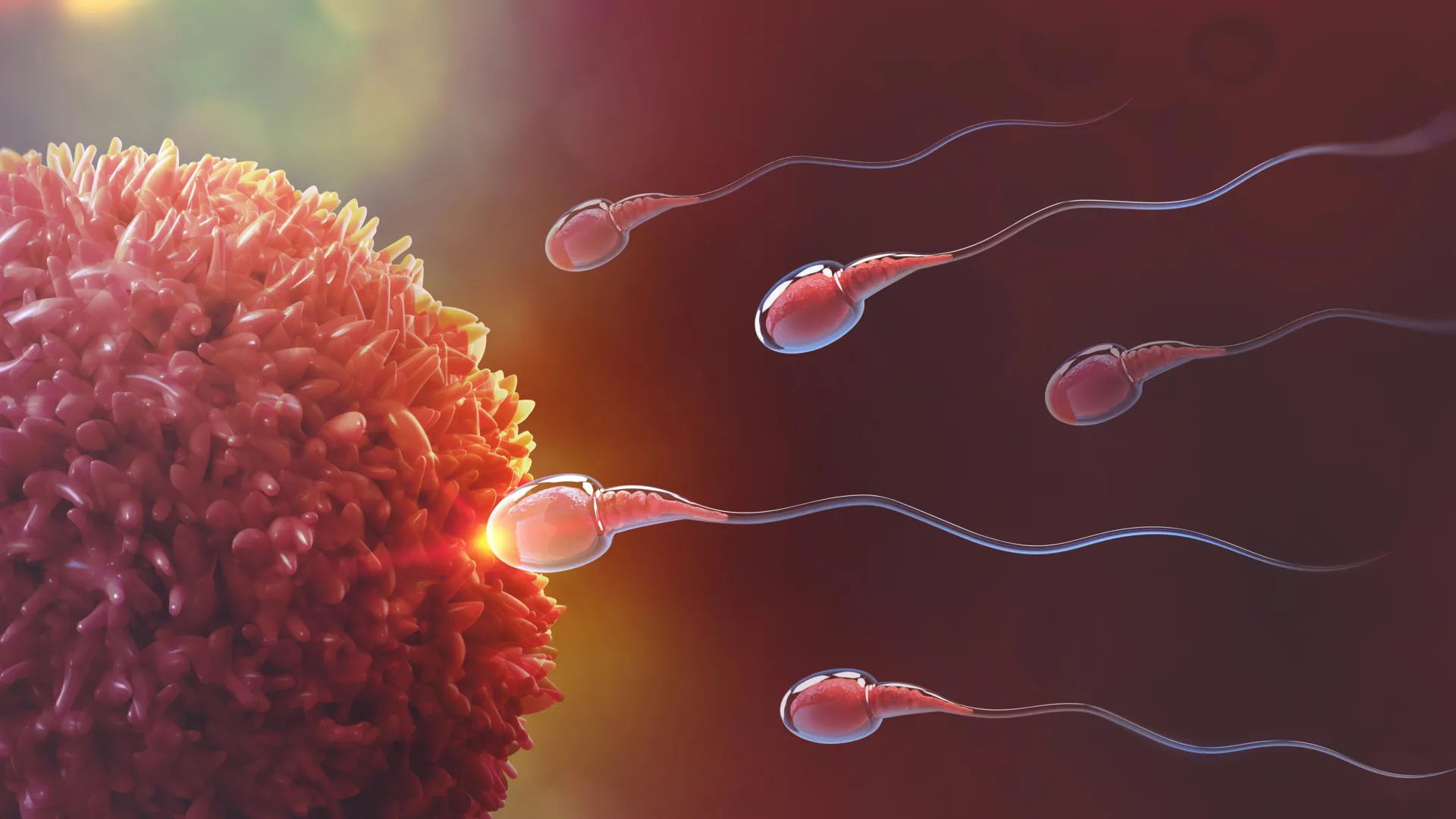
A team of researchers at Michigan State University has announced the identification of a critical molecular "switch" that regulates the energy surge required for sperm to successfully fertilize an egg. This discovery, led by Melanie Balbach, an assistant professor in the Department of Biochemistry and Molecular Biology, represents a significant advancement in the field of reproductive biology. By pinpointing the specific metabolic pathways that allow sperm to transition from a dormant state to a high-energy "hyperactivated" state, the study provides a roadmap for both enhancing fertility treatments and developing the world’s first effective, nonhormonal male contraceptive.
The findings, published in the Proceedings of the National Academy of Sciences (PNAS), highlight the unique metabolic requirements of mammalian sperm. Unlike most cells in the body, which maintain a steady baseline of energy for various biological functions, sperm cells are highly specialized. Their entire metabolic architecture is geared toward a singular, final objective: navigating the complex environment of the female reproductive tract to reach and penetrate an egg.
The Biological Mechanism of the Metabolic Switch
Before ejaculation, mammalian sperm are held in a state of metabolic quiescence within the male reproductive system. This low-energy state is essential for preserving the sperm’s limited resources. However, upon entering the female reproductive tract, these cells undergo a dramatic transformation known as capacitation. During this phase, sperm must increase their swimming speed, adopt a more forceful "hyperactivated" motility, and undergo biochemical changes in their outer membranes to prepare for fusion with the egg.
"Sperm metabolism is special since it’s only focused on generating more energy to achieve a single goal: fertilization," explained Dr. Balbach, the senior author of the study. This transition requires a massive and rapid increase in ATP (adenosine triphosphate) production, the primary energy currency of the cell. Until now, the exact "switch" that triggered this metabolic reprogramming remained one of the most elusive questions in reproductive science.
The research team identified that this reprogramming is not merely a gradual increase in activity but a controlled shift in how the cell processes fuel. By studying this rapid switch, Balbach and her colleagues have provided a model for how other types of cells might undergo similar metabolic shifts, though the sperm’s version is perhaps the most dramatic in the animal kingdom.
Tracking the Fuel: Innovative Methodology and Glucose Mapping
To understand how sperm power this final sprint, the researchers needed a way to observe the internal chemical reactions of the cell in real-time. In collaboration with experts from the Memorial Sloan Kettering Cancer Center and the Van Andel Institute, the MSU team developed a sophisticated method to track the processing of glucose. Glucose, a simple sugar found in the fluids of the reproductive tract, serves as the primary fuel for sperm during their journey.
The team utilized Michigan State University’s Mass Spectrometry and Metabolomics Core, a facility equipped with high-precision instruments capable of detecting minute changes in chemical concentrations. By "labeling" glucose molecules, the researchers could map the chemical path the sugar took once it was absorbed by the sperm cell.
Dr. Balbach used a vivid analogy to describe the complexity of this tracking process. "You can think of this approach like painting the roof of a car bright pink and then following that car through traffic using a drone," she stated. "In activated sperm, we saw this painted car moving much faster through traffic while preferring a distinct route and could even see what intersections the car tended to get stuck at."
This mapping revealed a distinct difference in the metabolic "routes" taken by inactive versus activated sperm. In the activated state, the sperm did not just use more glucose; they used it differently, prioritizing pathways that yielded the fastest possible energy return.
The Role of Aldolase and Internal Energy Reserves
The study’s most significant biochemical finding was the identification of the enzyme aldolase as a key regulator of this metabolic surge. Aldolase is a central player in glycolysis, the process by which cells break down glucose to produce energy. The researchers discovered that aldolase acts as a gatekeeper, controlling the flux of glucose through the metabolic pathway. When the sperm is activated, aldolase increases its activity, allowing for the rapid conversion of sugar into the energy required for hyperactivated motility.
Furthermore, the study revealed that sperm do not rely solely on external glucose. They also carry internal energy reserves that are utilized the moment the journey begins. Certain enzymes act as "traffic controllers," directing the flow of these internal and external resources to ensure maximum efficiency. This multi-step, high-energy process is what ultimately allows a sperm cell to overcome the physical barriers surrounding the egg.
A Timeline of Discovery: From Weill Cornell to Michigan State
The recent publication is the culmination of years of research led by Dr. Balbach. Her work in this field began to gain international attention during her tenure at Weill Cornell Medicine. It was there that she helped demonstrate that blocking a specific sperm enzyme could induce temporary, reversible infertility in mice. That earlier discovery served as a proof-of-concept for the idea that male fertility could be controlled by targeting sperm function rather than sperm production.
In 2023, Dr. Balbach joined the faculty at Michigan State University to expand upon this work. The move to MSU allowed her to leverage the university’s advanced metabolomics infrastructure and collaborate with a broader range of specialists. The current study builds directly on her previous findings, moving from the identification of a target to a detailed understanding of the underlying metabolic machinery.
The chronology of this research suggests a steady progression toward clinical application. Having identified the "switch" (aldolase) and the "fuel" (glucose flux), the next logical step is the development of compounds that can either enhance this process for those struggling with infertility or inhibit it for those seeking contraception.
Implications for Nonhormonal Male Birth Control
One of the most significant potential applications of this research is in the realm of male contraception. For decades, the burden of pregnancy prevention has fallen disproportionately on women. Current male options are largely limited to condoms, which have a notable failure rate in real-world use, and vasectomies, which are intended to be permanent.
Previous attempts to develop a "male pill" have largely focused on hormonal approaches that suppress the production of sperm. However, these methods often come with significant side effects, including mood swings, weight gain, and changes in libido, similar to those experienced by many women using hormonal birth control. Furthermore, hormonal methods can take months to become effective and months to reverse.
The "switch" identified by the MSU team offers a different path. By targeting the metabolism of the sperm rather than its production, researchers could develop a nonhormonal contraceptive that is "on-demand." Such a drug would not interfere with the male endocrine system or the production of testosterone. Instead, it would simply prevent sperm from "turning on" their high-energy state, rendering them unable to reach the egg.
"Right now, about 50% of all pregnancies are unplanned, and this would give men additional options and agency in their fertility," Balbach noted. "Likewise, it creates freedom for those using female birth control, which is hormone-based and highly prone to side effects."
Addressing the Global Infertility Crisis
While the contraceptive potential of the study has garnered significant interest, the implications for infertility treatment are equally profound. Infertility currently affects approximately one in six people worldwide, according to the World Health Organization. In many cases, the cause of male infertility remains "idiopathic" or unexplained, often involving sperm that appear normal under a microscope but fail to fertilize an egg.
By understanding the metabolic requirements of fertilization, clinicians may be able to develop better diagnostic tools. A "metabolic profile" of a patient’s sperm could reveal if the "aldolase switch" is functioning correctly. If the issue is a lack of energy production, new treatments could be developed to boost the sperm’s metabolism during assisted reproductive procedures like in-vitro fertilization (IVF).
Improving the efficiency of sperm in a lab setting could increase the success rates of IVF and intrauterine insemination (IUI), reducing the emotional and financial toll on couples struggling to conceive.
Technical Analysis: The Future of Reproductive Metabolomics
The success of the MSU study underscores the growing importance of metabolomics—the large-scale study of small molecules within cells—in medical research. By focusing on the "byproducts" of cellular activity, researchers can gain a more accurate picture of a cell’s physiological state than they can through genetics alone.
Dr. Balbach’s future research will delve deeper into the nuances of sperm fuel sources. While glucose is a primary driver, sperm also utilize fructose and other sugars found in the reproductive tract. Understanding how sperm switch between these different fuels depending on their environment will be crucial for translating these mouse-model findings into human applications.
"Better understanding the metabolism of glucose during sperm activation was an important first step, and now we’re aiming to understand how our findings translate to other species, like human sperm," Balbach said.
Collaborative Support and Broader Impact
The research was a multi-institutional effort, reflecting the complex nature of modern biochemical inquiry. In addition to Michigan State University, contributors from the Memorial Sloan Kettering Cancer Center and the Van Andel Institute provided critical expertise in cancer metabolism and structural biology, respectively. The study received financial backing from the National Institute of Child Health and Human Development, a branch of the National Institutes of Health (NIH).
The broader impact of this work extends beyond the laboratory. By providing a potential alternative to hormonal birth control, this research touches on issues of gender equity in healthcare and reproductive autonomy. The ability to target sperm metabolism safely and reversibly would represent the most significant advancement in male contraception since the development of the vasectomy.
As the team at MSU continues to investigate these metabolic pathways, the focus remains on safety and efficacy. The goal is to identify "traffic-control" enzymes that are unique to sperm or can be targeted with high specificity, minimizing the risk of affecting other tissues in the body. If successful, the discovery of the aldolase switch may one day be viewed as the turning point in a new era of reproductive health, offering hope to those seeking to start a family and a new level of control to those seeking to prevent one.
