
 By admin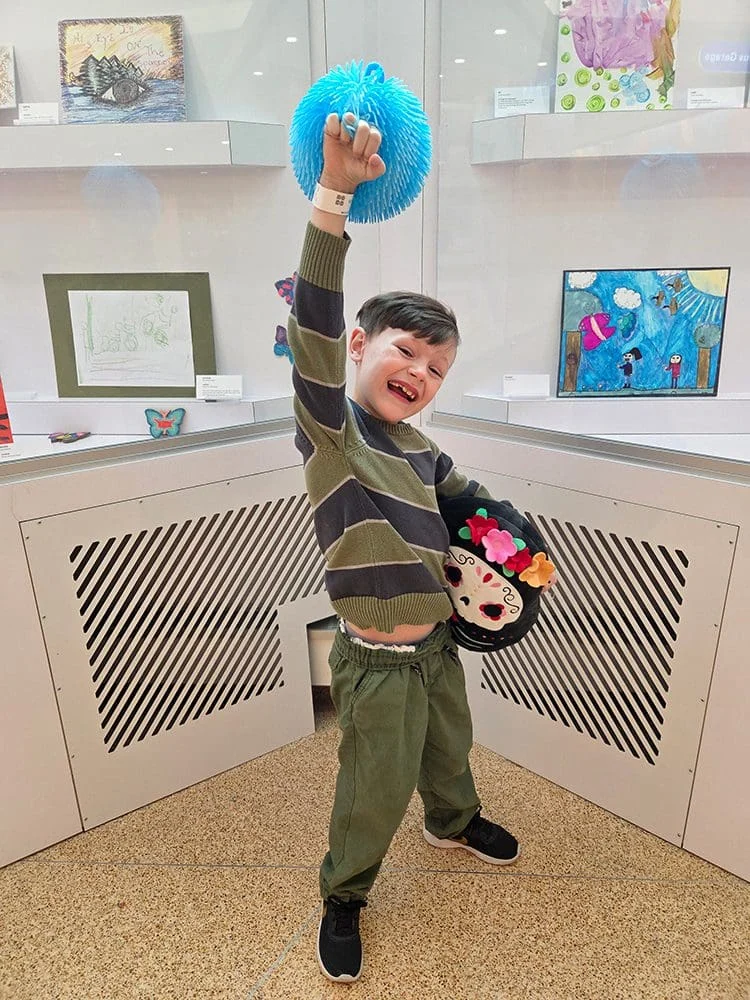
The observance of National Cancer Survivors Month this June has brought a renewed focus on the financial and scientific hurdles facing pediatric oncology. Central to this month’s advocacy is a targeted fundraising campaign by CureSearch for Children’s Cancer, which seeks to secure $37,500 by the end of June. This specific figure is designated to fund a "Young Investigator"—a specialized researcher at the early stages of their career—for a six-month period. The initiative underscores a critical shift in the field of pediatric medicine: moving beyond the baseline goal of survival toward a comprehensive framework of "thriving," where long-term quality of life is prioritized alongside clinical remission.
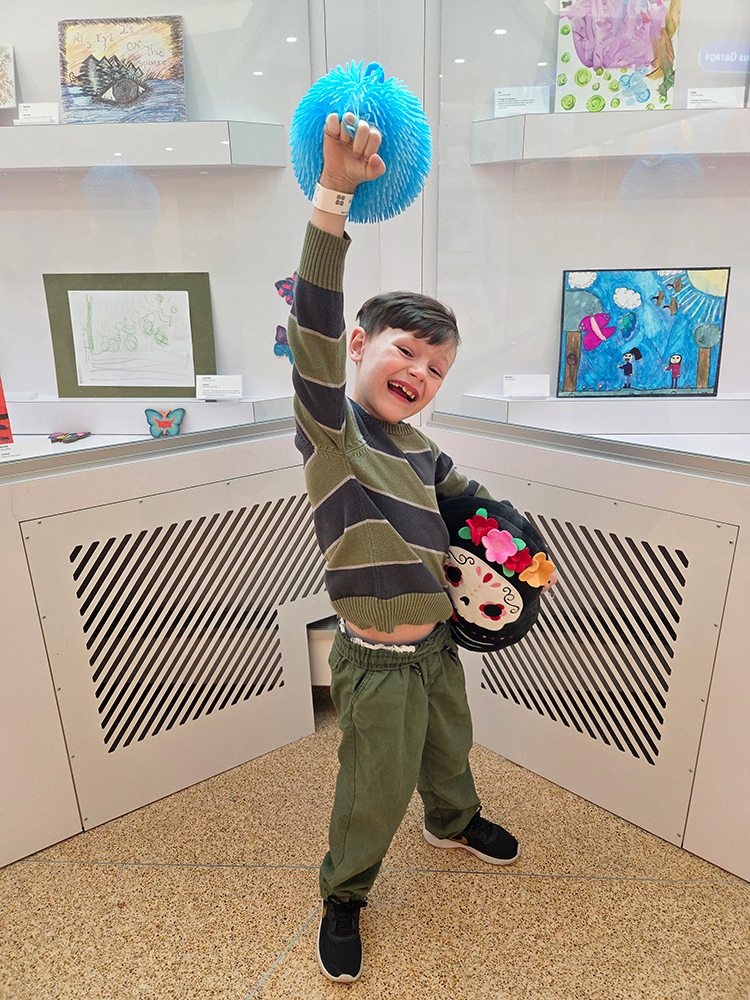
As the medical community evaluates the progress of pediatric treatments, the case of a young survivor named Elias provides a concrete example of how innovative research and clinical trials are reshaping outcomes for rare malignancies. Diagnosed at the age of three with a high-risk form of leukemia, Elias’s trajectory from an emergency room admission to a projected entry into a formal survivorship program illustrates the high stakes of early-career research funding.
The Clinical Presentation and Diagnosis of AMKL
The medical journey for Elias began with the appearance of atypical bruising, a common but often overlooked early indicator of hematologic malignancies in children. Following a pediatric consultation and subsequent referral to a specialized children’s hospital, clinical testing confirmed a diagnosis of Acute Megakaryoblastic Leukemia (AMKL).
AMKL is a rare and aggressive subtype of Acute Myeloid Leukemia (AML). According to data from the National Institutes of Health (NIH), AMKL represents approximately 1% of all childhood leukemias, though it is more frequently observed in children with Down syndrome. In non-Down syndrome cases, such as Elias’s, the prognosis has historically been more challenging, necessitating intensive therapeutic interventions. The disease is characterized by the malignant proliferation of megakaryoblasts—immature cells that normally develop into platelets—which disrupts normal blood production and necessitates immediate clinical action.
The Role of Clinical Trials in Pediatric Care
Upon diagnosis, Elias was enrolled in a clinical trial designed to test a novel treatment protocol for AML. This decision highlights a pivotal aspect of modern pediatric oncology: the reliance on clinical trials to establish new standards of care that are less toxic than traditional regimens. Standard chemotherapy for AML is notoriously grueling, often resulting in significant "late effects," including cardiotoxicity, secondary cancers, and cognitive impairments.
The trial Elias participated in specifically aimed to reduce these long-term side effects, with a particular focus on preserving cardiac function. For many pediatric patients, the very treatments that save their lives can cause permanent damage to the heart muscle. By participating in research-driven protocols, patients like Elias contribute to a body of data that helps oncologists refine dosages and drug combinations to maximize efficacy while minimizing systemic harm.
Institutional Challenges and the Patient Experience
The reality of pediatric cancer treatment involves more than just biological intervention; it encompasses prolonged periods of institutionalization. Elias and his mother, Brittany, spent eight consecutive months in a hospital setting. This period was marked by the physiological toll of chemotherapy, which effectively neutralized Elias’s immune system, making discharge a high-risk proposition.
During this time, Elias developed mucositis, a common and painful complication of chemotherapy where the lining of the digestive tract breaks down, resulting in sores and infections. The severity of the condition required the administration of morphine to manage the pain, reflecting the intense physical burden placed on pediatric patients.
The timing of Elias’s treatment coincided with the global COVID-19 pandemic, which introduced unprecedented logistical and psychological challenges to pediatric wards. Strict infection control protocols meant that visitors were prohibited, isolating families during the most critical phases of treatment. In response to this isolation, Elias became an anecdotal fixture on the hospital’s "9B" floor. Known by staff and fellow patients as "The Mayor of 9B," he utilized the hospital’s common areas to foster a sense of community among other isolated children, encouraging peer interaction in the sunroom and hallways despite the constraints of his IV pole and medical status.
Chronology of Recovery and Survivorship Milestones
The transition from active treatment to recovery is a multi-year process. For Elias, the conclusion of his inpatient treatment was marked by a symbolic departure from the facility, facilitated by the hospital’s maintenance staff. Having spent months watching the facility’s floor cleaners—or "zambonis"—Elias was permitted to ride the machine out of the hospital doors upon his discharge.
The timeline of his recovery reflects the long-term monitoring required for pediatric survivors:
- Initial Diagnosis: Occurred when Elias was three years old.
- Treatment Phase: Eight months of intensive inpatient chemotherapy and clinical trial participation.
- Post-Treatment Monitoring: Several years of regular screenings to monitor for relapse and late effects.
- June 11, 2024: Elias celebrates his 8th birthday, marking five years since his initial struggle.
- April 21, 2025: Elias is scheduled to officially enter a formal survivorship program.
The entry into a survivorship program is a significant clinical milestone. These programs are designed to provide specialized care for the remainder of a patient’s life, focusing on the "late effects" of cancer treatment. For Elias, recent evaluations indicate that his heart health remains optimal—a primary concern of the clinical trial he entered years prior.
The Economic Context of Pediatric Cancer Research
The $37,500 fundraising goal set for Cancer Survivors Month addresses a systemic gap in medical research funding. While billions of dollars are allocated to cancer research annually, pediatric-specific funding represents a fraction of the total. According to the National Cancer Institute (NCI), only about 4% of the federal budget for cancer research is dedicated specifically to childhood cancers.
This disparity places a heavy reliance on private organizations to fund "Young Investigators." These researchers are critical to the scientific pipeline, as they often pursue bold, high-risk, high-reward theories that established funding bodies may overlook. By funding a researcher for six months, the initiative aims to provide the runway necessary for preliminary data collection, which can then be used to leverage larger federal grants.
The focus on Young Investigators is also a strategic move to ensure the longevity of the field. As veteran researchers retire, the pediatric oncology community requires a steady influx of new scientists specialized in genomic sequencing, immunotherapy, and targeted molecular therapies—the tools that allowed Elias to access a less toxic clinical trial.
Broader Implications for the Medical Community
The success of Elias’s treatment protocol serves as a proof-of-concept for the efficacy of clinical trials in rare pediatric leukemias. However, medical experts emphasize that his experience is not yet universal. While the five-year survival rate for all childhood cancers has risen to over 80%, certain subtypes like AMKL still face lower survival rates and higher risks of chronic health issues in adulthood.
The shift in focus from "survival" to "thriving" reflects a maturing philosophy in oncology. As the population of childhood cancer survivors grows—now estimated at over 500,000 in the United States alone—the medical community is grappling with the reality that 60% to 90% of these survivors will develop one or more chronic health conditions related to their treatment by age 45.
Advocacy groups argue that the only way to mitigate these statistics is through the development of "smarter" drugs that target cancer cells with surgical precision while sparing healthy tissue. The current push for funding during Cancer Survivors Month is part of this broader effort to move away from the "one-size-fits-all" chemotherapy models of the 20th century.
Conclusion: The Path Forward
The narrative of "The Mayor of 9B" serves as a reminder of the human element behind clinical data. Elias’s current aspirations—to become an engineer or a nurse—are a direct result of the intervention of researchers who developed the trial he participated in years ago.
As June continues, the focus remains on the $37,500 goal. For the scientific community, this funding represents more than just a monetary value; it represents the potential for the next breakthrough in AMKL or other rare pediatric diseases. For families, it represents the hope that the grueling eight-month hospital stays and the necessity of morphine for toddlers will eventually become relics of the past, replaced by innovative therapies that allow every child diagnosed with cancer to return to a life of health and opportunity.
