
 By Billy Candra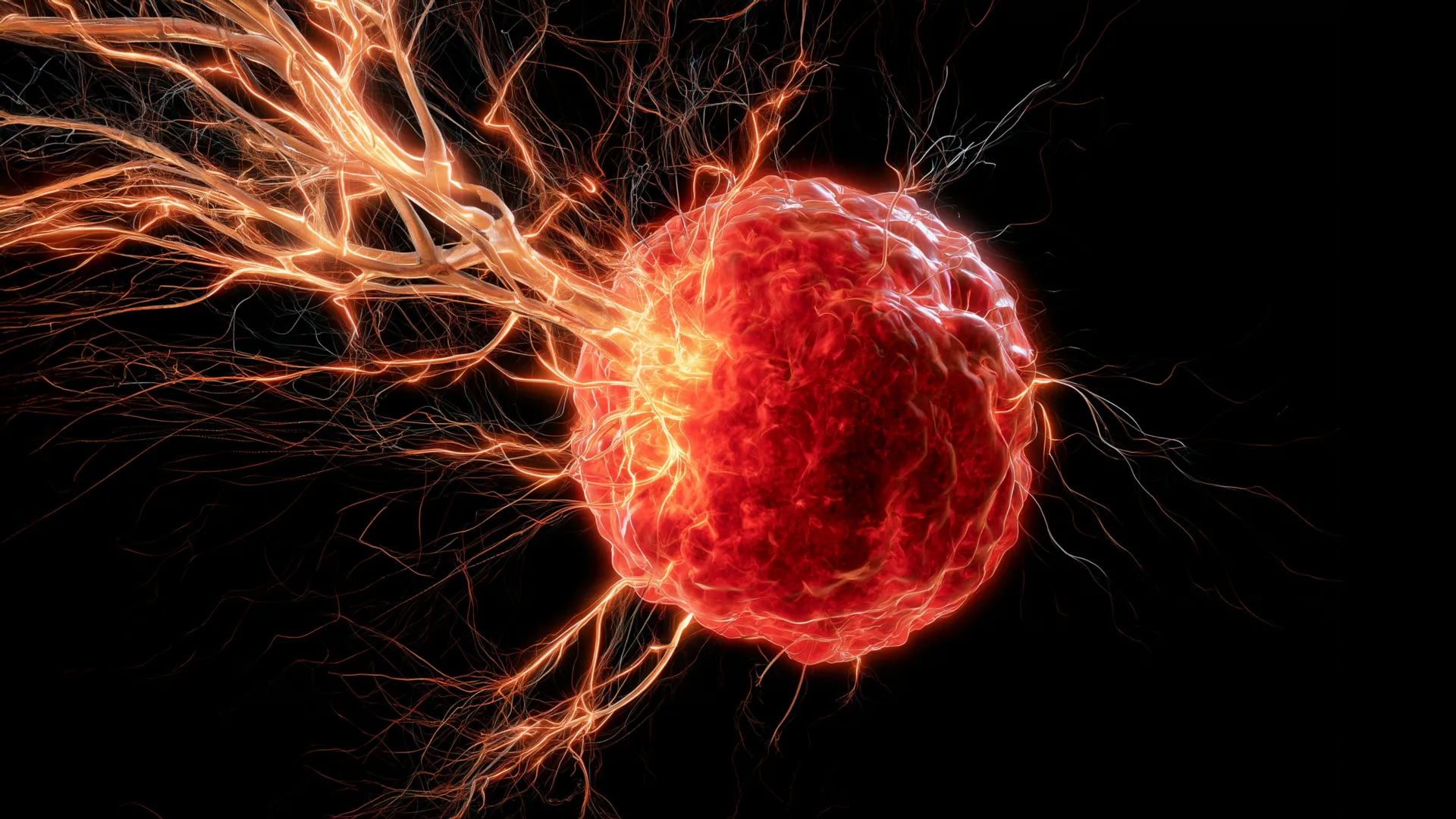
A groundbreaking study conducted by researchers at the University of Oklahoma (OU) has shed critical new light on a complex mechanism by which an aggressive form of breast cancer, known as triple-negative breast cancer (TNBC), manipulates the body’s immune system to its own advantage. The findings demonstrate how these tumors actively recruit and integrate nerve networks, creating an environment that appears to fuel their growth and potentially hinder treatment efficacy. This discovery, published in the esteemed journal Cell Death & Differentiation, offers a novel perspective on tumor progression and opens promising avenues for innovative therapeutic strategies.
For decades, scientists have observed the presence of extensive nerve networks within various solid tumors, a phenomenon often referred to as perineural invasion. However, the precise mechanisms governing how these nerves infiltrate tumor masses have largely remained elusive. The OU research, spearheaded by Dr. Maureen Cox, an assistant professor in the Department of Microbiology and Immunology at the OU College of Medicine and a research member of OU Health Stephenson Cancer Center, provides a detailed explanation for this process specifically within triple-negative breast cancer, a particularly challenging subtype of the disease due to its aggressive nature and limited treatment options.
Understanding Triple-Negative Breast Cancer: A Formidable Foe
Triple-negative breast cancer represents approximately 10-15% of all breast cancers and is characterized by the absence of estrogen receptors, progesterone receptors, and human epidermal growth factor receptor 2 (HER2) overexpression. This lack of key receptors means that TNBC does not respond to hormone therapy or HER2-targeted drugs, which are highly effective treatments for other breast cancer subtypes. Consequently, patients with TNBC primarily rely on chemotherapy, surgery, and radiation, often facing a more aggressive disease course, higher rates of recurrence, and poorer prognosis compared to those with other breast cancer types. The median survival for metastatic TNBC remains challenging, highlighting an urgent need for new therapeutic targets and approaches.
The inherent aggressiveness of TNBC stems from its rapid growth rate, propensity for early metastasis, and genetic instability. These factors contribute to a complex tumor microenvironment that plays a pivotal role in disease progression. The tumor microenvironment (TME) is a dynamic ecosystem comprising cancer cells, stromal cells (fibroblasts, endothelial cells), immune cells, blood vessels, and nerves. Increasingly, research has focused on understanding the intricate interactions within the TME, recognizing that it can either suppress or promote tumor growth and influence treatment responses. The OU study now places a significant emphasis on the often-overlooked neural component of this complex environment.
The Enigmatic Role of Nerves in Tumor Growth
The observation of nerves within tumors is not entirely new. Pathologists have long recognized perineural invasion (PNI), where cancer cells invade and spread along nerves, as a poor prognostic indicator in many cancers, including those of the prostate, pancreas, and head and neck. PNI is associated with increased local recurrence and distant metastasis. However, the exact role of nerves within the tumor mass itself, beyond serving as conduits for spread, and more importantly, how tumors actively recruit these nerves, has been less understood.
Emerging evidence suggests that nerves are not merely passive bystanders or pathways for cancer spread, but active participants in the tumor ecosystem. They can supply growth factors, neurotransmitters, and other signals that promote tumor cell proliferation, survival, angiogenesis (formation of new blood vessels), and even metastasis. This bidirectional communication between cancer cells and nerves creates a symbiotic relationship that benefits the tumor. The OU research uniquely addresses the initiation of this neural infiltration, revealing a critical, previously uncharacterized mechanism.
Macrophages: From Protectors to Accomplices
The core of the OU team’s discovery lies in the unexpected role of macrophages, a type of immune cell typically known for its protective functions. Macrophages are central players in the immune system, acting as phagocytes that engulf pathogens, remove cellular debris, and present antigens to T cells, thereby initiating adaptive immune responses. They also play crucial roles in tissue repair and inflammation resolution.
However, within the complex and often deceptive tumor microenvironment, macrophages can be reprogrammed by cancer cells to switch allegiance, transforming from anti-tumor defenders into pro-tumor accomplices. These tumor-associated macrophages (TAMs) are frequently found in high numbers within tumors and are known to promote tumor growth, angiogenesis, immune suppression, and metastasis. The OU study now adds another critical function to the repertoire of TAMs: their role in orchestrating nerve infiltration.
The researchers found that TNBC tumors actively attract macrophages into their core. Once infiltrated, these macrophages, instead of mounting an anti-tumor response, begin to release a potent protein called brain-derived neurotrophic factor (BDNF). BDNF is a well-known neurotrophic factor, meaning it supports the growth, survival, and differentiation of neurons. While BDNF is vital for normal brain development and function, the study revealed how breast cancer tumors cleverly exploit this fundamental biological signal for their own detrimental purposes. By releasing BDNF, these reprogrammed macrophages essentially send out a chemical beacon, encouraging nearby nerves to grow directly towards and into the cancerous mass.
Dr. Cox emphasized the irony of this cellular manipulation: "Macrophages are the critical source for drawing nerves into the tumor. Although macrophages typically play a positive role in the body, they are facilitating a negative function in this scenario of breast cancer." This statement underscores the profound adaptive capabilities of cancer cells, which can hijack the body’s own protective mechanisms to fuel their unchecked proliferation and survival.
The BDNF Signaling Pathway: A Misappropriated Signal
Brain-derived neurotrophic factor (BDNF) is a member of the neurotrophin family, a group of proteins that regulate neuronal development, function, and survival in both the central and peripheral nervous systems. BDNF exerts its effects by binding to a specific receptor, tropomyosin receptor kinase B (TrkB), on the surface of nerve cells. This binding initiates a cascade of intracellular signaling events that promote neuronal growth, differentiation, and synaptic plasticity.
The OU study effectively demonstrates that TNBC tumors exploit this pre-existing, evolutionarily conserved signaling pathway. The presence of BDNF released by macrophages within the tumor microenvironment acts as a powerful chemoattractant and growth stimulant for nerves. This directed nerve growth into the tumor mass is not benign; the researchers posit that it contributes significantly to cancer progression and potentially to resistance against conventional treatments. This misappropriation of a fundamental biological signal highlights the intricate and often devious strategies employed by cancer to ensure its survival and spread.
Preclinical Validation and Therapeutic Promise
Beyond simply identifying the mechanism, the OU team took a crucial step towards therapeutic intervention. They tested a strategy to interrupt this macrophage-nerve communication in preclinical mouse models of triple-negative breast cancer. The researchers utilized a drug designed to block BDNF signaling, effectively neutralizing the growth-promoting effects of the protein. The results were remarkably promising: in mice treated with the BDNF-blocking drug, nerves no longer grew into the tumors, and, critically, tumor growth was significantly reduced.
This finding carries immense therapeutic potential. Instead of solely focusing on cytotoxic agents that destroy cancer cells, future therapies could explore targeting the tumor microenvironment by interrupting critical signaling pathways that support tumor progression. The fact that the drug used in the study is "already on the market" for other conditions is a significant advantage. Drug repurposing, the strategy of finding new uses for existing approved drugs, can dramatically accelerate the timeline for clinical translation, bypassing many years of preclinical development and safety testing. This could mean a faster path to clinical trials for TNBC patients.
Dr. Cox expressed optimism about these preclinical results: "It looks really promising that we can use this drug, which is already on the market, to target BDNF." She further elaborated on the potential downstream benefits of this approach: "We believe that the nerves are immunosuppressive, so if we can stop the nerves from growing in the first place, maybe we can boost the immune response to help fight the cancer." This suggests a multifaceted benefit, not only halting direct nerve-mediated tumor support but also potentially enhancing the body’s inherent anti-cancer immunity.
Evidence from Patient Data: Bridging the Translational Gap
A critical aspect of any preclinical research is its relevance to human disease. The OU team addressed this by examining clinical data from patients diagnosed with triple-negative breast cancer. Their analysis revealed a compelling correlation: tumors from patients with higher levels of both macrophages and BDNF were significantly linked with poorer survival outcomes. This crucial piece of translational evidence strongly suggests that the mechanism observed in laboratory models and mice is directly relevant to human TNBC patients, bolstering the potential for this research to translate into clinical practice.
This correlation between elevated macrophage and BDNF levels and adverse patient outcomes provides robust validation for the proposed mechanism. It indicates that the presence of an active BDNF-driven nerve infiltration pathway is not merely an experimental curiosity but a clinically significant factor influencing disease progression and patient prognosis in TNBC.
Broader Implications for Cancer Treatment
The implications of this research extend far beyond triple-negative breast cancer, potentially reshaping our understanding of the tumor microenvironment and opening new therapeutic avenues for various cancers. By demonstrating that tumors actively recruit nerves through immune cell manipulation, the study highlights the importance of targeting stromal components and signaling pathways within the TME, rather than exclusively focusing on cancer cells themselves.
This approach aligns with a growing paradigm in oncology that views cancer as a disease of a dysfunctional ecosystem. Modulating the TME to make it less hospitable for tumor growth or more susceptible to immune attack could be a powerful strategy. For TNBC, where targeted therapies are scarce, disrupting this nerve-mediated support system could represent a vital new therapeutic vulnerability. Furthermore, if nerves indeed exert an immunosuppressive effect, as Dr. Cox suggested, then blocking their infiltration could synergize with existing or emerging immunotherapies, potentially enhancing the efficacy of treatments like checkpoint inhibitors.
The ability to repurpose an existing drug to target BDNF signaling could significantly accelerate the development of new treatments. This strategy not only reduces the time and cost associated with drug development but also leverages drugs with established safety profiles. Such an approach could quickly move into clinical trials, offering hope to patients with aggressive and hard-to-treat cancers.
Future Research Directions and the Ultimate Goal
The OU team is not resting on its laurels. Dr. Cox and her colleagues are already planning the next phases of their research, driven by a desire to further unravel the complexities of nerve-tumor interactions. A key priority is to precisely delineate how these nerves contribute to tumor growth. Some evidence suggests that nerves may stimulate angiogenesis, providing tumors with essential oxygen and nutrients. Other research points to the potential for cancer cells to utilize nerves as "highways" for metastasis, enabling them to escape the primary tumor and colonize distant sites. Understanding these precise mechanisms will be crucial for optimizing therapeutic strategies.
The researchers also plan to investigate whether this same therapeutic intervention—blocking BDNF signaling—could be effective in other aggressive cancers. High-grade ovarian cancer has been identified as a prime candidate for this expanded research. Like TNBC, high-grade ovarian cancer is often diagnosed at advanced stages, is highly aggressive, and frequently develops resistance to chemotherapy, leading to poor prognosis. If a similar mechanism of nerve infiltration through macrophage-BDNF signaling is at play in ovarian cancer, then this therapeutic strategy could offer a much-needed new treatment option.
Ultimately, the overarching goal of Dr. Cox’s team is to "turn the anti-tumor immunity back on in cancer patients so their own immune systems can reject the tumors." This vision underscores a holistic approach to cancer therapy, aiming to restore the body’s natural defenses against the disease, rather than solely relying on external interventions. By understanding and disrupting the intricate ways tumors manipulate the body’s systems, researchers hope to empower the immune system to effectively fight cancer.
Collaborative Research and Funding
This significant research was made possible through a collaborative effort and substantial financial support from various entities. The study received funding from the National Institute of General Medical Sciences of the National Institutes of Health (NIH), specifically through award numbers P20GM103447 and P20GM103639. Further critical support was provided by Oklahoma’s Tobacco Settlement Endowment Trust (TSET), a primary funder of the Stephenson Cancer Center and TSET Health Promotion Research Center at the University of Oklahoma. Additionally, the Oklahoma Shared Clinical and Translational Resources, through an Institutional Development Award from the National Institute of General Medical Sciences (grant no. U54GM104938), contributed to the project. This multi-institutional and multi-funder support highlights the collaborative nature of modern scientific discovery and the vital role of sustained investment in biomedical research. The findings from the University of Oklahoma represent a significant step forward in the battle against aggressive cancers, offering a beacon of hope for future treatment advancements.
