
 By Hendra Lukman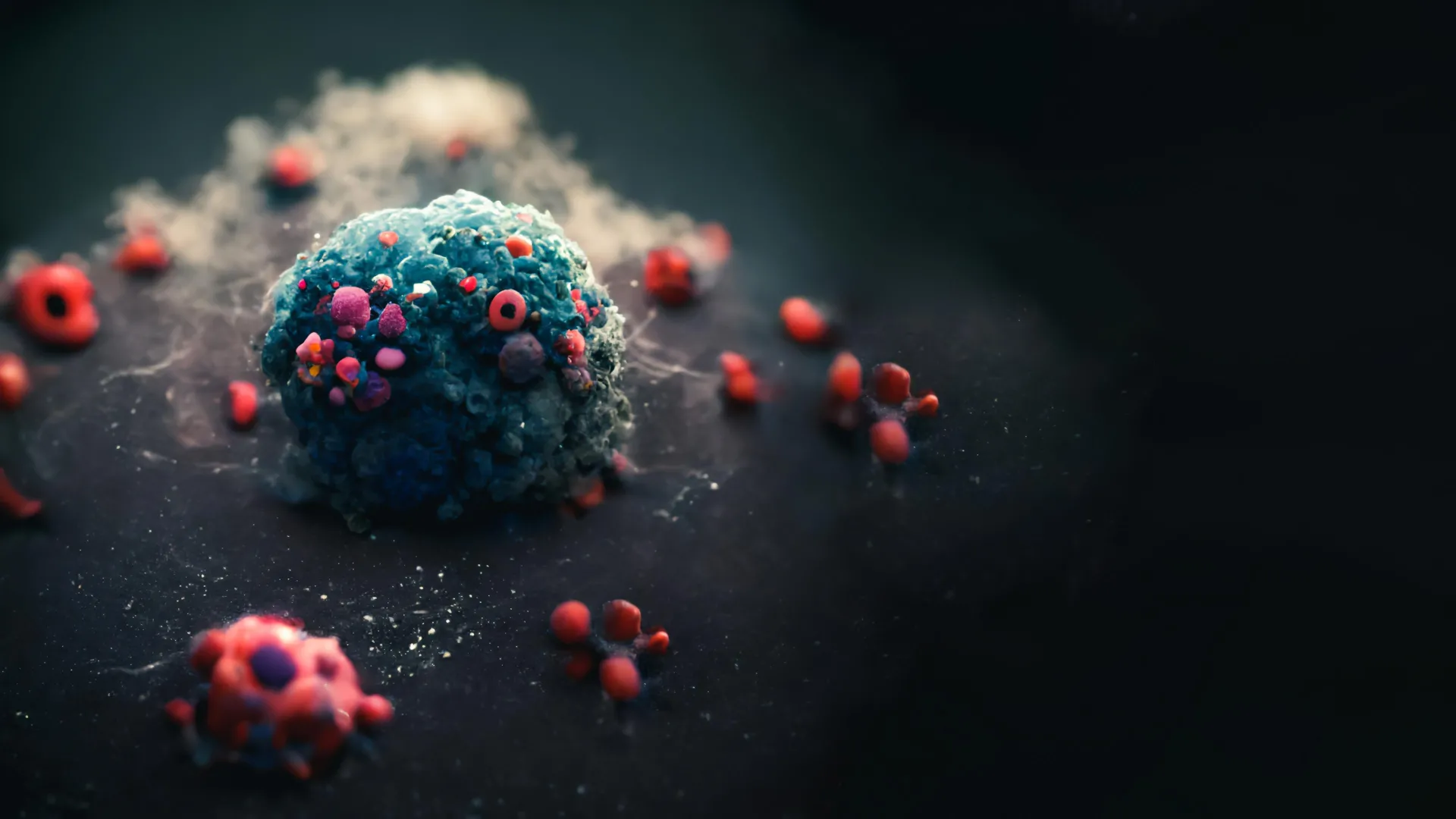
In a significant stride toward enhancing cancer treatment efficacy and minimizing patient suffering, a groundbreaking advancement has emerged from Northwestern University. Researchers have successfully re-engineered the molecular architecture of a widely utilized chemotherapy drug, transforming it into a highly soluble, significantly more potent, and substantially less toxic therapeutic agent. This innovative approach leverages the power of spherical nucleic acids (SNAs), a sophisticated nanostructure that embeds the active drug molecules directly within DNA strands coating microscopic spheres. This meticulous redesign has elevated a previously inefficient and poorly dissolving chemotherapy agent into a precisely targeted cancer-fighting weapon capable of sparing healthy tissues.
A Paradigm Shift in Cancer Therapy: The SNA Advantage
The core of this revolutionary development lies in the ingenious application of SNAs. These nanostructures, developed and pioneered by Northwestern University, consist of tiny spheres enveloped by a dense layer of DNA or RNA strands. In this specific application, the chemotherapy drug, 5-fluorouracil (5-Fu), a cornerstone of cancer treatment for decades but notorious for its limitations, has been chemically integrated into these DNA strands. The result is a novel form of the drug that exhibits dramatically improved solubility and possesses an inherent ability to be recognized and internalized by cancer cells.
This strategic modification addresses a fundamental challenge in chemotherapy: the poor solubility of many established drugs. 5-Fu, for instance, struggles to dissolve effectively in biological fluids, leading to a significant portion of the administered dose failing to reach its intended targets. This inefficiency not only reduces the drug’s potency but also necessitates higher dosages, exacerbating the systemic toxicity that defines traditional chemotherapy. By embedding 5-Fu within SNAs, the Northwestern team has effectively bypassed these solubility issues, creating a delivery system that enhances drug absorption and localization.
Dramatic Efficacy Against Acute Myeloid Leukemia in Preclinical Trials
The transformative potential of this SNA-based chemotherapy was vividly demonstrated in preclinical trials involving animal models afflicted with acute myeloid leukemia (AML). AML is a particularly aggressive and challenging form of blood cancer, characterized by rapid proliferation of abnormal myeloid cells in the bone marrow and blood. Current treatment regimens for AML often involve intensive chemotherapy, which, while effective in some cases, is associated with severe side effects due to its indiscriminate attack on both cancerous and healthy cells.
In these crucial animal studies, the SNA-modified 5-Fu exhibited an astounding improvement in therapeutic performance compared to the conventional 5-Fu formulation. The new therapy demonstrated an exceptional ability to infiltrate leukemia cells, entering them an astonishing 12.5 times more efficiently. Once inside the cancerous cells, the drug’s destructive power was magnified to an unprecedented degree, annihilating leukemia cells up to 20,000 times more effectively than its standard counterpart. Furthermore, the SNA-based treatment significantly curtailed cancer progression, slowing its advance by an impressive 59-fold. Crucially, these remarkable therapeutic gains were achieved without any detectable signs of toxicity or adverse side effects in the animal subjects, a testament to the precision targeting capabilities of the SNA platform.
The Science Behind the Success: Spherical Nucleic Acids and Cellular Uptake
The success of this novel therapy is deeply rooted in the unique biological interactions of spherical nucleic acids. SNAs are recognized by cells through specific surface receptors, particularly scavenger receptors, which are abundantly expressed on the surface of myeloid cells, including those involved in AML. These receptors act as cellular gateways, actively drawing in molecules that bind to them.
"Most cells have scavenger receptors on their surfaces," explained Professor Chad A. Mirkin, the distinguished chemist and nanomedicine pioneer who led the research at Northwestern. "But myeloid cells overexpress these receptors, so there are even more of them. If they recognize a molecule, then they will pull it into the cell. Instead of having to force their way into cells, SNAs are naturally taken up by these receptors."
This inherent cellular affinity means that the SNA-drug complex is preferentially absorbed by the target cancer cells, bypassing healthy cells to a considerable extent. Once the SNA structure is internalized within the leukemia cell, cellular enzymes facilitate the breakdown of the DNA shell, thereby releasing the potent 5-Fu payload directly at the site of disease. This localized and controlled release mechanism is central to the enhanced efficacy and reduced toxicity observed in the preclinical studies.
Rethinking a Legacy Drug: The Case of 5-Fluorouracil
The choice to re-engineer 5-fluorouracil (5-Fu) for this study was deliberate. Introduced in the late 1950s, 5-Fu has been a workhorse in chemotherapy for a multitude of cancers, including colorectal, breast, stomach, and pancreatic cancers. Its mechanism of action involves interfering with DNA and RNA synthesis, ultimately leading to cell death. However, its clinical utility has always been tempered by its significant drawbacks.
"We all know that chemotherapy is often horribly toxic," Professor Mirkin stated. "But a lot of people don’t realize it’s also often poorly soluble, so we have to find ways to transform it into water soluble forms and deliver it effectively."
The inherent poor solubility of 5-Fu means that a substantial amount of the drug administered to patients remains undissolved, forming aggregates or solid particles within the body. This not only impedes its absorption and distribution but also contributes to its collateral damage to healthy tissues. Side effects commonly associated with 5-Fu treatment include nausea, vomiting, diarrhea, mouth sores, hair loss, fatigue, and myelosuppression (a reduction in the production of blood cells). In more severe cases, it can lead to cardiotoxicity and neurotoxicity. The Northwestern team’s approach directly confronts these limitations by enhancing the drug’s solubility and enabling its precise delivery.
The Promise of Structural Nanomedicine: A New Era of Therapeutics
This groundbreaking work underscores the burgeoning potential of structural nanomedicine, a rapidly evolving field dedicated to the precise design and engineering of nanostructures for therapeutic applications. By meticulously controlling the composition, architecture, and arrangement of nanoscale materials, researchers can create sophisticated nanomedicines that exhibit vastly improved interactions with the human body. This includes enhanced drug delivery, targeted accumulation at disease sites, controlled release of therapeutic agents, and reduced off-target effects.
The success of SNA-based therapies is not confined to this specific study. The field is gaining significant momentum, with several SNA-based treatments already progressing through various stages of clinical testing. These include potential applications in cancer vaccines, gene silencing therapies, and treatments for infectious and neurodegenerative diseases. The ability to precisely tailor nanostructures for specific biological targets opens up unprecedented avenues for developing next-generation therapies for a wide spectrum of human ailments, including cancers, autoimmune disorders, and age-related neurological conditions.
Professor Mirkin, a luminary in the fields of chemistry and nanomedicine, holds multiple professorships at Northwestern University and directs the International Institute for Nanotechnology. His extensive research and leadership have been instrumental in advancing the frontiers of nanomedicine.
Implications for Future Cancer Care and Beyond
The implications of this research extend far beyond the immediate improvements in AML treatment. The successful redesign of 5-Fu using SNAs offers a compelling blueprint for re-engineering other chemotherapy drugs with similar solubility and toxicity challenges. This could lead to a new generation of more effective and tolerable cancer therapies, significantly improving the quality of life for millions of patients undergoing treatment.
"In animal models, we demonstrated that we can stop tumors in their tracks," Professor Mirkin stated. "If this translates to human patients, it’s a really exciting advance. It would mean more effective chemotherapy, better response rates, and fewer side effects. That’s always the goal with any sort of cancer treatment."
The precision targeting offered by SNAs promises to revolutionize the concept of chemotherapy. Instead of a broad-spectrum assault on the body, this approach allows for a highly concentrated dose of the therapeutic agent to be delivered directly to the cancer cells, while sparing vital healthy organs and tissues. This paradigm shift has the potential to dramatically reduce the debilitating side effects that often force patients to interrupt or discontinue treatment, thereby improving overall treatment outcomes.
The Path Forward: From Bench to Bedside
The research team at Northwestern University is now focused on advancing this promising therapy towards clinical application. The immediate next steps involve conducting further studies in larger animal models to validate the safety and efficacy of the SNA-based 5-Fu before seeking regulatory approval for human clinical trials. Securing additional funding will be crucial for enabling these critical preclinical and clinical research phases.
The study, titled "Chemotherapeutic spherical nucleic acids," was generously supported by grants from the National Cancer Institute and the National Institute of Diabetes and Digestive and Kidney Diseases, underscoring the national recognition of its significance. Further support was also provided by the Robert H. Lurie Comprehensive Cancer Center of Northwestern University, highlighting the institution’s commitment to cutting-edge cancer research.
This pioneering work by Northwestern University researchers represents a pivotal moment in the ongoing battle against cancer. By harnessing the power of nanotechnology and innovative molecular design, they have not only created a more potent weapon against a formidable disease but have also illuminated a promising pathway toward a future of cancer treatment characterized by greater efficacy, improved patient tolerance, and a significantly reduced burden of side effects. The successful translation of this technology from laboratory to clinic could herald a new era of personalized and highly effective cancer therapies.
