
 By Budi Oetomo Narendra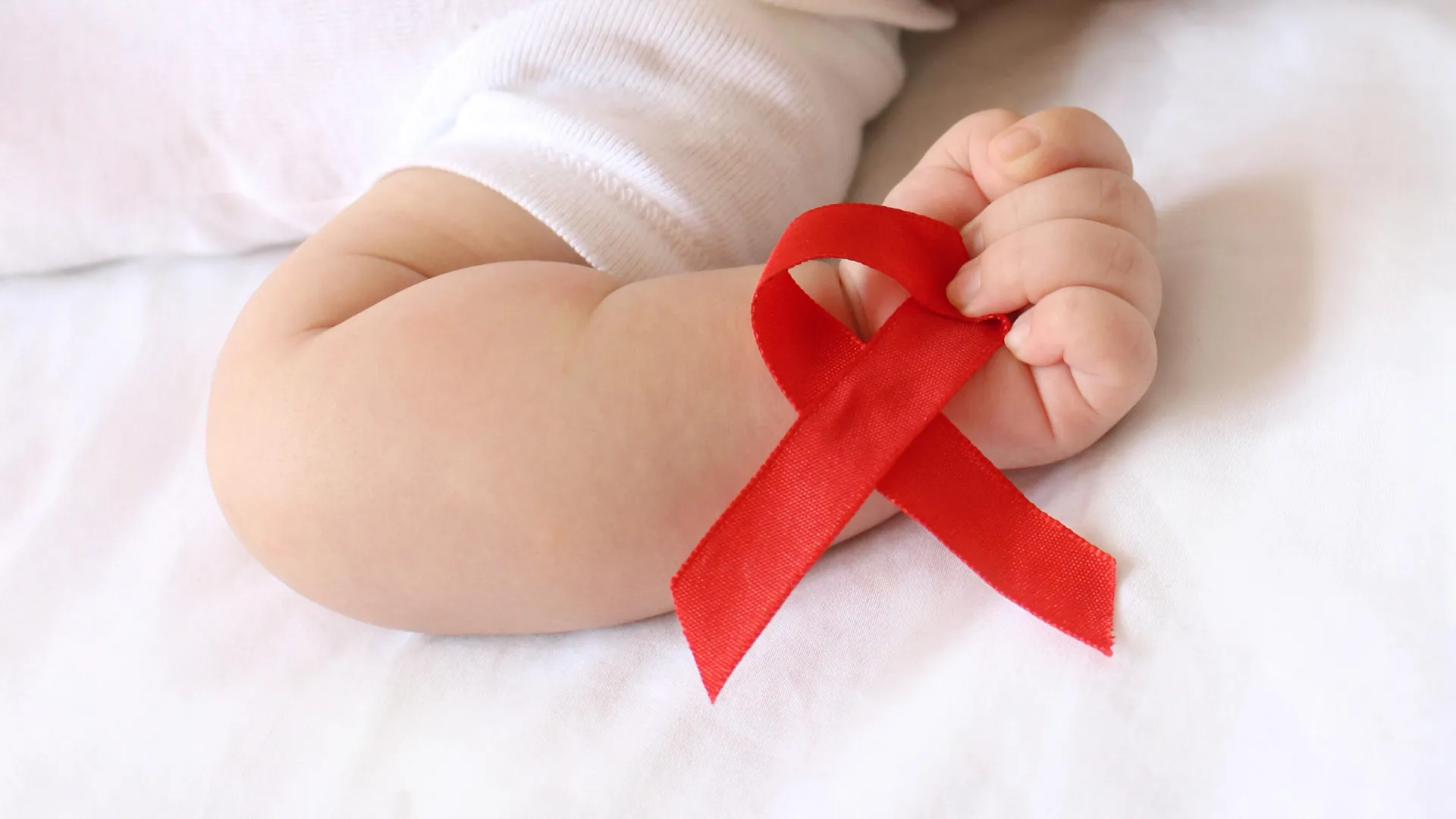
The global health community has long grappled with the devastating impact of HIV, particularly on its youngest and most vulnerable populations. More than 120,000 babies around the world acquire HIV each year, primarily through mother-to-child transmission (MTCT) during pregnancy, childbirth, or breastfeeding. For millions of individuals living with the virus, managing the infection necessitates a lifetime commitment to antiretroviral therapy (ART), a regimen that, while highly effective, is contingent upon consistent access to affordable medication—a significant challenge in many resource-limited settings. However, a recent study spearheaded by Oregon Health & Science University (OHSU) has unveiled a potentially revolutionary approach, offering a beacon of hope for a permanent solution to pediatric HIV. Researchers have demonstrated that a meticulously crafted combination of three distinct therapies, administered to newborns within a critical three-day window following birth, holds the remarkable potential to permanently eradicate the virus.
This groundbreaking research, whose findings were published in the prestigious journal Nature Microbiology, marks a pivotal moment in the ongoing quest for an HIV cure. The implications are profound, suggesting a future where newly infected infants might be spared the lifelong burden of chronic infection and its associated treatments.
"The really exciting part is that it could go to clinical trials immediately to eliminate HIV infection in newborns," stated Dr. Jonah Sacha, Ph.D., co-lead author of the study and a distinguished professor and chief of pathobiology and immunology at OHSU’s Oregon National Primate Research Center (ONPRC) and Vaccine and Gene Therapy Institute. Dr. Sacha further articulated the ambitious trajectory of this discovery, adding, "The next step after that is to test if this can work in newly exposed adults." This phased approach underscores the scientific rigor and ethical considerations inherent in translating preclinical success into human therapeutic applications. The collaborative nature of this extensive undertaking was evident, drawing together a diverse array of experts and leveraging the advanced facilities of nonhuman primate research centers in both Oregon and California, which are crucial for modeling complex human diseases.
The Global Burden of Pediatric HIV: A Persistent Challenge
The fight against HIV/AIDS has seen monumental progress over the past four decades, transforming what was once a death sentence into a manageable chronic condition for many. Yet, the specter of pediatric HIV remains a formidable global health challenge. According to the Joint United Nations Programme on HIV/AIDS (UNAIDS), while new HIV infections among children have declined significantly since their peak in 2000, the rate of decline has slowed considerably in recent years. The 120,000 annual new infections among babies underscore a persistent gap in prevention and treatment efforts, particularly in sub-Saharan Africa, which accounts for the vast majority of these cases.
Existing strategies to prevent MTCT primarily involve providing ART to pregnant women living with HIV, which drastically reduces the viral load and the risk of transmission to their infants. Newborns born to mothers with HIV also typically receive prophylactic ART for several weeks after birth. While these interventions have saved millions of lives, they do not offer a cure. Children who do acquire HIV face unique challenges, including the need for specialized pediatric ART formulations, potential difficulties with adherence, and the long-term impact of the virus and its treatment on their developing bodies and minds. The social stigma associated with HIV can also profoundly affect children and their families, impacting their access to education, healthcare, and social support. A curative approach, especially one administered early in life, would fundamentally alter this landscape, offering a chance for children to live entirely free of the virus.
A Novel Triple-Threat Approach: Combining Proven Therapies
The OHSU study’s core innovation lies in its synergistic application of three distinct therapeutic modalities, each with a demonstrated, albeit incomplete, track record against HIV when used in isolation. For several weeks, the researchers administered a combination consisting of:
- Standard Antiretroviral Therapy (ART): These drugs are the backbone of HIV treatment, working by inhibiting various stages of the viral life cycle, thereby reducing viral replication and lowering the viral load. ART regimens typically involve a combination of several drugs from different classes (e.g., reverse transcriptase inhibitors, protease inhibitors, integrase inhibitors).
- Broadly Neutralizing Antibodies (bNAbs): These powerful antibodies are capable of recognizing and neutralizing a wide range of HIV strains. They work by binding to specific sites on the virus, preventing it from infecting new cells. While bNAbs have shown promise in prevention and treatment, achieving a complete cure with bNAbs alone has remained elusive.
- Leronlimab (an experimental monoclonal antibody): This specific monoclonal antibody targets the CCR5 co-receptor on the surface of immune cells. HIV typically uses co-receptors like CCR5 (or CXCR4) in conjunction with the CD4 receptor to gain entry into T cells and other immune cells. By blocking CCR5, leronlimab effectively prevents the virus from infecting susceptible cells.
Dr. Sacha initially expressed skepticism regarding the efficacy of merely combining these previously tested, yet individually insufficient, approaches. For years, he has been instrumental in the development of leronlimab, understanding its potential to prevent viral entry. However, it was his longtime OHSU colleague and co-author, Dr. Nancy Haigwood, Ph.D., a distinguished virologist and immunologist who previously served as a professor and director at ONPRC, who championed the hypothesis that pairing leronlimab with existing HIV therapies could unlock unprecedented effectiveness. Dr. Haigwood, whose decades-long career has been dedicated to studying HIV antibodies, maintained a steadfast belief in the power of combination strategies. The empirical results of the study emphatically validated her intuition.
"We were astounded and overjoyed, actually," Dr. Haigwood recounted, reflecting on the discovery. "It’s a remarkable result." This sentiment captures the profound significance of overcoming a hurdle that has stumped researchers for decades – achieving permanent viral clearance.
Unpacking the Synergy: How the Triple Therapy Works
The precise molecular and immunological mechanisms underlying the exceptional efficacy of this combined treatment are still under intensive investigation. However, Dr. Sacha and Dr. Haigwood hypothesize that the three therapies collectively achieve a level of viral suppression and elimination that far surpasses their individual capabilities. They appear to act synergistically, creating an environment within the host that is profoundly inhospitable to HIV replication and persistence.
Dr. Haigwood offers a compelling analogy to illustrate the distinct yet complementary roles of each component:
- Turning off the faucet (Antiretroviral Therapy): ART does not entirely eradicate HIV from the body, but its primary function is to dramatically reduce the virus’s ability to replicate. By inhibiting key viral enzymes and processes, ART effectively "turns off the faucet" of new viral production, minimizing the overall viral load and preventing the infection of new cells. This initial suppression is critical for allowing the immune system to recover and for the other therapies to act more effectively.
- Mopping up (Neutralizing Antibodies): Broadly neutralizing antibodies act as immunological sweepers. They actively identify and bind to circulating HIV particles, effectively "corralling" the virus and preventing it from attaching to and entering host cells. This "mopping up" action reduces the amount of free virus in the bloodstream and other bodily fluids, thereby lessening the viral burden and diminishing the chances of new infections taking hold.
- Sealing off (Leronlimab): Leronlimab plays a crucial role in preventing the remaining virus, or any newly emerging particles, from establishing infection. By specifically blocking the CCR5 co-receptor—a key entry point that HIV frequently utilizes to infiltrate immune cells—leronlimab acts as a "seal." Dr. Sacha eloquently describes this as "keeping fuel away from the fire," highlighting how the virus’s preferred access route is decisively blocked. This prevents the virus from gaining a foothold in uninfected cells, thereby halting the spread of infection within the body and allowing the immune system to clear residual viral reservoirs.
The researchers believe that the combination’s potency is particularly amplified when administered very early after infection. "There’s a lot more going on during the first week of infection than we previously thought," Dr. Haigwood observed. "From this experiment, it looks like there’s a dynamic interaction between the virus and antibodies that takes place as the virus begins to spread." This suggests that intervening before the virus has had a chance to fully establish widespread infection and form deep-seated latent reservoirs—which are notoriously difficult to eradicate—is paramount to achieving a cure.
Chronology and Scientific Evolution of HIV Treatment
The journey to this discovery is built upon decades of relentless scientific inquiry.
- 1980s-1990s: The Dawn of Antiretroviral Therapy: The initial understanding of HIV and the development of the first antiretroviral drugs marked the beginning of effective treatment. AZT, approved in 1987, was the first ART drug. Over the following years, new classes of drugs emerged, leading to the development of highly active antiretroviral therapy (HAART) in the mid-1990s. This combination therapy dramatically reduced morbidity and mortality, transforming HIV from a rapidly fatal disease into a chronic manageable condition. However, it was not a cure.
- 2000s: The Search for Neutralizing Antibodies: As the field matured, researchers began exploring immunological approaches, including the potential of antibodies. The discovery and isolation of broadly neutralizing antibodies (bNAbs) from a small subset of HIV-infected individuals, known as "elite neutralizers," opened new avenues. These antibodies could neutralize a wide range of HIV strains, sparking hope for both prevention (e.g., passive immunization) and therapeutic applications. Extensive research in nonhuman primate models and early human trials explored their potential, often showing promise in reducing viral load but rarely achieving complete clearance on their own.
- 2000s-Present: CCR5 Antagonists and Monoclonal Antibodies: Concurrently, research into cellular co-receptors led to the development of CCR5 antagonists like maraviroc, which block the CCR5 receptor and prevent viral entry. Leronlimab, the experimental monoclonal antibody used in the OHSU study, represents an advanced form of this strategy, offering a targeted and potent blockade of CCR5. Dr. Sacha’s long-standing involvement in its development highlights the incremental progress in understanding and exploiting viral entry mechanisms.
- The Converging Hypothesis (Pre-2020s): Dr. Haigwood’s consistent advocacy for combination strategies, particularly integrating leronlimab with existing therapies, served as a crucial intellectual catalyst. While individual components showed efficacy, the idea that their combined, synergistic action could fundamentally alter the course of early infection was a bold hypothesis that ultimately proved successful in this preclinical model. The current OHSU study represents the culmination of these distinct research trajectories, bringing together different mechanistic approaches into a powerful, unified front against the virus.
A Potential Path Toward Human Trials and Broader Impact
The success in nonhuman primates represents a significant leap forward, making the prospect of human clinical trials a tangible reality. Antiretroviral therapy is already a cornerstone of human HIV treatment. Broadly neutralizing antibodies and leronlimab, while not yet widely approved for general use, are each independently undergoing evaluation in various human clinical trials. This prior experience with the individual components in human subjects provides a valuable foundation for expediting the regulatory and ethical processes required for testing the combined regimen.
The researchers anticipate that the initial human studies would most likely involve adults who have been recently exposed to HIV, such as healthcare workers who experience needle-stick injuries or individuals who have engaged in high-risk sexual encounters. This approach is rooted in ethical considerations: testing a novel curative regimen on adults who are already at risk or have been exposed allows for careful safety monitoring before potentially expanding to a highly vulnerable population like newborns. If these initial adult trials demonstrate safety and efficacy in clearing the virus, the pathway to trials in newborns would become clearer, subject to rigorous ethical review and regulatory oversight.
If successful and widely implemented, this strategy could fundamentally redefine the global fight against HIV. Currently, the epidemic continues to claim approximately 600,000 lives worldwide each year, with millions more living with chronic infection. A curative intervention for newborns could dramatically reduce the burden of pediatric HIV, offering children a chance at a life free from the virus and the complexities of lifelong treatment. Furthermore, if the treatment window proves to be wider than the initial 72 hours, its applicability could extend to a broader range of recently infected individuals, potentially including adolescents and adults.
The scientific community harbors considerable optimism regarding the translatability of these findings, largely due to the shared anatomical and physiological similarities between nonhuman primates and humans. "There was no reason to think this would completely clear the virus," Dr. Sacha admitted, conveying the pleasant surprise of the discovery. "It’s one of those things where you test it and, holy cow, it works and you’ve discovered something new."
The Critical "Treatment Window" and Future Research Directions
A pivotal question emerging from this research revolves around the duration of the "early treatment window" during which the combined therapy remains effective. In the current study, the regimen was exclusively tested within 72 hours of initial infection. This timeframe is crucial because early intervention can prevent the establishment of latent viral reservoirs—dormant forms of the virus that integrate into the host’s DNA and are notoriously difficult to eliminate, forming the primary barrier to an HIV cure.
"We only tested out to three days," Dr. Sacha noted, highlighting the immediate need for further investigation. "Could it work a week after infection? Two weeks? How far can you go after infection, and still purge the virus?" Answering these questions is paramount. If the treatment proves effective even when administered later after exposure, it would significantly expand the number of individuals who could potentially benefit from this curative approach, moving beyond just perinatally infected newborns to include others with recent infections. This broader applicability would amplify its global health impact exponentially.
Further research will also focus on optimizing the dosage and duration of each component of the therapy, understanding the precise immunological responses elicited by the combination, and identifying biomarkers that can reliably predict successful viral clearance.
Broader Impact and Implications
The potential implications of this breakthrough extend far beyond individual patient outcomes. From a public health perspective, a curative therapy for newborns could drastically reduce the prevalence of pediatric HIV, contributing significantly to the UNAIDS 95-95-95 targets (95% of people living with HIV know their status, 95% of those who know their status are on treatment, and 95% of those on treatment are virally suppressed). Eradicating the virus in infants at birth would alleviate the long-term strain on healthcare systems, which currently manage lifelong ART for these children.
Economically, while the initial costs of novel therapies can be high, a short-term curative regimen could prove more cost-effective in the long run compared to decades of continuous ART, especially in countries with limited health budgets. Moreover, the social benefits are immeasurable, offering families and communities the profound relief of knowing their children are free from HIV, thereby reducing stigma and fostering healthier, more productive lives.
Global health organizations, while maintaining a stance of cautious optimism pending human trial results, would undoubtedly view this preclinical success as a significant stride. It aligns with the overarching goal of an HIV cure, a pursuit that has seen sporadic breakthroughs but no universal solution. This research provides a compelling blueprint for how combination immunotherapies, delivered early, might achieve what individual treatments could not.
Research Support and Collaborative Endeavor
This monumental research was made possible through substantial support from various institutes within the National Institutes of Health (NIH). Key funding sources included Award Numbers R01HD080459 from the Eunice Kennedy Shriver National Institute of Child Health and Human Development (NICHD); R01AI154559, R01AI166969, and R01AI129703 from the National Institute of Allergy and Infectious Diseases (NIAID); K01OD036063 from the Office of the Director (OD), NIH; and P51OD011092 and U42OD010426 from the Office of Research Infrastructure Programs (ORIP), NIH, specifically allocated to the Oregon National Primate Research Center. Additionally, P51OD011107 from ORIP, NIH, supported the California National Primate Research Center, underscoring the vital role of these collaborative scientific infrastructures. The authors emphasize that while the research benefited from this extensive federal support, the content and conclusions drawn are solely their responsibility and do not necessarily reflect the official views of the NIH. This comprehensive funding and collaborative spirit highlight the collective scientific commitment to eradicating HIV and improving global health outcomes.
