
 By Gabriel Paijo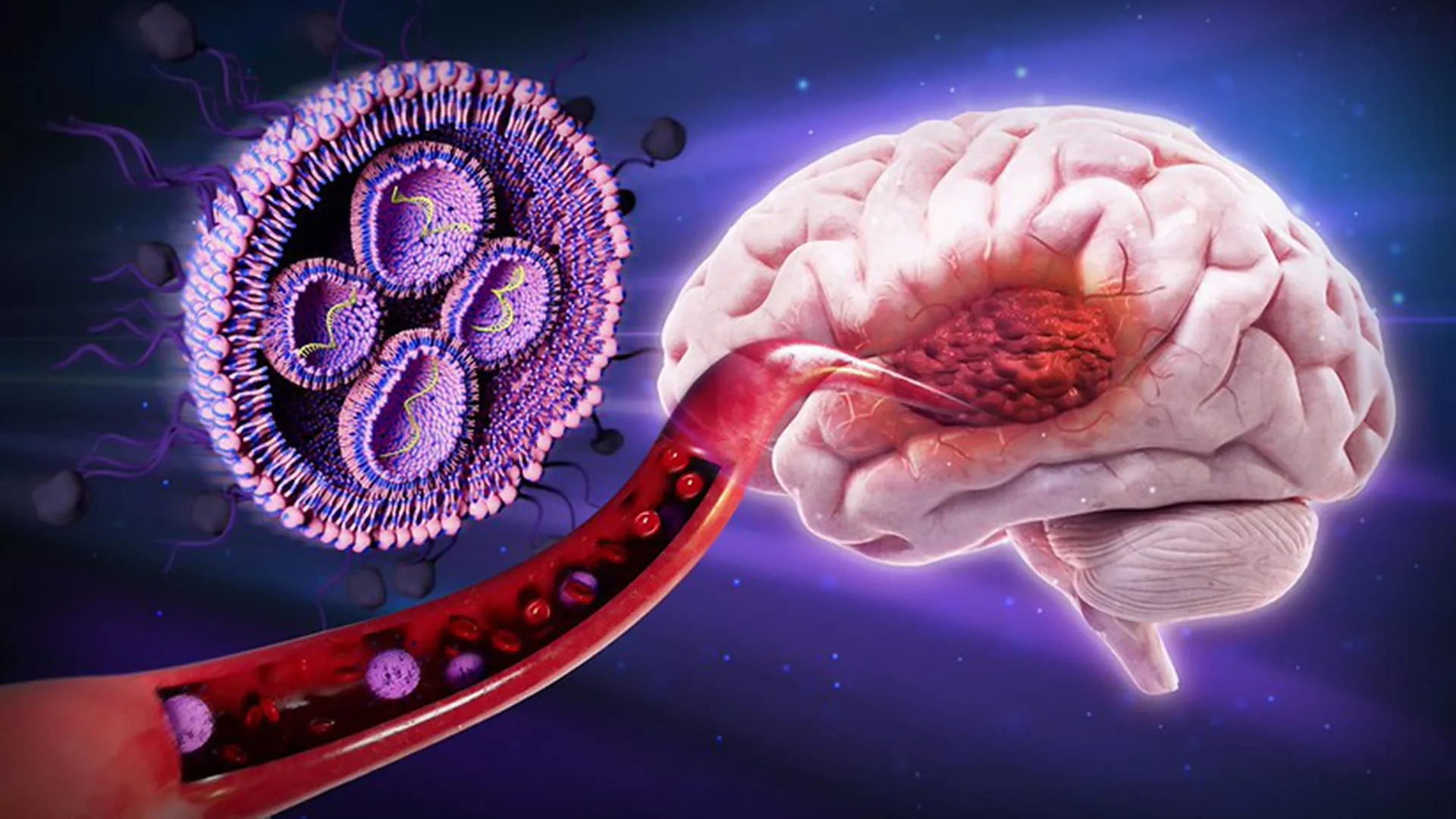
Researchers at the Oregon State University College of Pharmacy have announced the development of a sophisticated experimental strategy aimed at treating glioblastoma, the most lethal and aggressive primary brain tumor in adults. This new approach utilizes sugar-coated lipid nanoparticles to deliver genetic instructions directly to tumor cells, effectively bypassing the biological defenses that have long rendered brain cancer nearly untreatable. Led by a multidisciplinary team including Oleh Taratula, Olena Taratula, and Yoon Tae Goo, the study addresses the two most significant hurdles in neuro-oncology: the impenetrable nature of the blood-brain barrier and the difficulty of targeting malignant cells without damaging the delicate healthy tissue surrounding them.
Glioblastoma multiforme (GBM) is characterized by its rapid growth and its ability to infiltrate the brain with finger-like projections, making complete surgical removal virtually impossible. Current standard-of-care treatments, which typically involve a combination of maximal surgical resection, radiation, and chemotherapy with temozolomide, have seen little innovation in decades. Even with aggressive intervention, the prognosis remains grim; fewer than 30% of patients survive for two years following their diagnosis, and the five-year survival rate lingers below 5%. The Oregon State University study, published in the Journal of Controlled Release, offers a new glimmer of hope by demonstrating a 50% increase in median survival time in animal models, a result that could signal a paradigm shift in how clinicians approach central nervous system malignancies.
The Dual Challenge of Neuro-Oncology: Delivery and Precision
The primary obstacle in treating any brain disorder is the blood-brain barrier (BBB). This highly selective semipermeable border of endothelial cells protects the brain from toxins and pathogens circulating in the blood while allowing vital nutrients to pass through. While essential for survival, the BBB is also incredibly effective at blocking more than 98% of small-molecule drugs and nearly 100% of large-molecule therapies, including most chemotherapeutic agents. For a drug to be effective against glioblastoma, it must not only navigate this biological fortress but also distinguish between a cancerous cell and a healthy neuron.
The OSU research team focused on "metabolic reprogramming," a hallmark of cancer where tumor cells alter their nutrient uptake to sustain rapid proliferation. Glioblastoma cells are notoriously "sugar-hungry," requiring vast amounts of glucose to fuel their growth. This metabolic demand leads to the overproduction of a specific protein called GLUT1 (glucose transporter 1). In glioblastoma tissue, GLUT1 is expressed at levels roughly three times higher than in normal brain tissue. The researchers recognized this disparity as a biological "Achilles’ heel" that could be exploited for targeted drug delivery.
Engineering the Sugar-Coated "Trojan Horse"
To exploit the tumor’s hunger for sugar, the researchers engineered lipid nanoparticles (LNPs)—tiny fatty bubbles similar to those used in mRNA COVID-19 vaccines—and coated them in mannose. Mannose is a sugar molecule closely related to glucose. Because the GLUT1 transporters on the blood-brain barrier and the tumor cells recognize mannose, they inadvertently pull the nanoparticles out of the bloodstream and into the brain tissue.
The "central innovation," as described by Oleh Taratula, lies in the density of this sugar coating. In the bloodstream, nanoparticles must compete with high concentrations of natural glucose for the attention of the GLUT1 transporters. To ensure the nanoparticles would be prioritized, the team chemically bonded the mannose to cholesterol, a primary structural component of the nanoparticle’s outer shell. This chemical linkage allowed for a sixfold increase in the amount of sugar on the particle’s surface compared to previous methods. This high-density coating acts as a "super-stimulus" for the GLUT1 transporters, effectively tricking the blood-brain barrier into ushering the medicine into the central nervous system.
Restoring the Body’s Natural Defenses via PTEN mRNA
The payload within these nanoparticles is just as innovative as the delivery vehicle. The researchers utilized messenger RNA (mRNA) to deliver the genetic code for a protein called PTEN (Phosphatase and tensin homolog). PTEN is a potent tumor suppressor that acts as a "brake" on cell division. In many cases of glioblastoma, the gene responsible for producing PTEN is either mutated, deleted, or silenced, allowing the cancer cells to multiply without restraint.
By delivering the PTEN mRNA directly into the tumor cells, the OSU team essentially "reinstalled" the cell’s missing software. Once the nanoparticles entered the glioblastoma cells, the cells began producing their own PTEN protein, which immediately began to inhibit the signaling pathways responsible for tumor growth. To ensure the delicate mRNA remained stable during its journey through the body, the researchers added a positively charged cholesterol derivative to the nanoparticle core, which served as a protective anchor for the genetic material.
Chronology of the Study and Key Findings
The development of this technology followed a rigorous experimental timeline, moving from molecular engineering to in vitro (cell culture) testing, and finally to in vivo (animal) trials.
- Molecular Synthesis: The team first perfected the synthesis of the mannose-cholesterol conjugate, achieving the necessary density to outcompete glucose in the bloodstream.
- In Vitro Validation: The nanoparticles were tested on glioblastoma cell lines to confirm that the sugar coating did indeed lead to higher uptake compared to non-coated particles.
- Animal Model Testing: Mice with implanted glioblastoma tumors were treated with the sugar-coated mRNA nanoparticles. The researchers monitored tumor size, survival rates, and potential toxicity.
The results were statistically significant. Mice treated with the experimental nanoparticles saw a 50% increase in median survival time. Furthermore, imaging and histological analysis revealed measurable tumor shrinkage. Perhaps most importantly, the researchers reported no measurable organ toxicity. Because the nanoparticles were specifically designed to target the high GLUT1 expression in tumors, they bypassed healthy organs like the liver and kidneys, which are often damaged by traditional chemotherapy.
Statistical Context and the Burden of Glioblastoma
Glioblastoma remains one of the most challenging diagnoses in modern medicine. In the United States, the incidence rate is approximately 3.19 cases per 100,000 people annually. While the disease can strike at any age, it is most commonly diagnosed in older adults, with a median age of 64. Statistics show a slightly higher prevalence in males than in females.
The economic and emotional burden of the disease is profound. Due to the high rate of recurrence—nearly 100% of glioblastomas eventually return after treatment—patients often undergo multiple rounds of surgery and experimental "salvage" therapies. The OSU study represents a significant step toward a more effective first-line treatment that could potentially reduce recurrence rates by addressing the underlying genetic deficiencies of the tumor cells.
Expert Analysis and Future Implications
The implications of this research extend beyond glioblastoma. The ability to reliably cross the blood-brain barrier using a sugar-mediated transport system could open the door for treating a variety of other neurological conditions. Diseases such as Alzheimer’s, Parkinson’s, and various lysosomal storage disorders also require the delivery of large molecules or genetic material to the brain, and they have been similarly hindered by the BBB.
"Glioblastoma is metabolically reprogrammed," Olena Taratula noted, highlighting the fact that the tumor’s own survival mechanism—its high sugar consumption—is what ultimately leads to its destruction in this model. This "bio-mimicry" approach is increasingly seen as the future of oncology, where treatments are designed to blend into the body’s natural processes rather than attacking them with blunt force.
However, the path from a successful mouse model to a human clinical trial is long. The researchers noted that while the 50% increase in survival is a major milestone, human brains are significantly more complex than those of mice. Future studies will need to determine the optimal dosing schedule for humans and ensure that the GLUT1 targeting remains as precise in a larger biological system.
Conclusion and Research Support
The study was a collaborative effort within the OSU College of Pharmacy, with contributions from Vincent Cataldi, Vladislav Grigoriev, Neera Yadav, Tetiana Korzun, Chao Wang, and Adam Alani. The work was supported by several prestigious institutions, including the National Cancer Institute of the National Institutes of Health, the Eunice Kennedy Shriver National Institute of Child Health and Human Development, and the National Research Foundation of Korea.
As the medical community continues to seek alternatives to traditional toxic therapies, the Oregon State University breakthrough stands as a testament to the power of nanomedicine. By combining the precision of mRNA technology with an ingenious "sugar-coated" delivery system, the team has provided a blueprint for a new generation of brain cancer treatments that are as smart as they are effective. The next phase of research will likely involve expanding these trials into larger animal models, moving one step closer to a reality where a glioblastoma diagnosis is no longer an automatic death sentence.
