
 By admin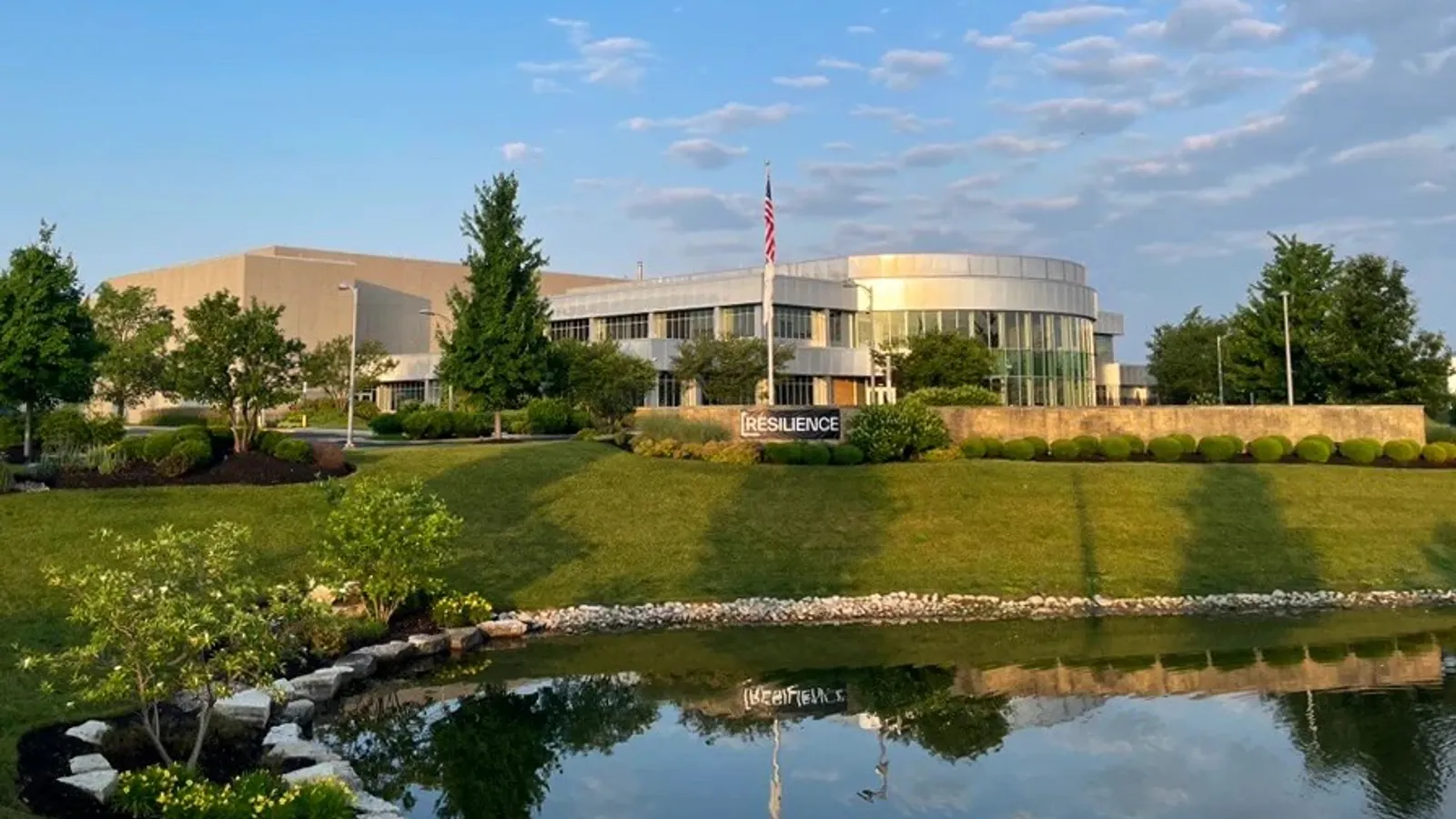
In a significant move to bolster the production of critical GLP-1 injectable medications, contract manufacturer Resilience has announced a substantial expansion of its operational footprint, a strategic initiative backed by a $750 million investment in collaboration with pharmaceutical giant Eli Lilly. This ambitious undertaking is projected to generate 400 new jobs dedicated to the manufacturing of these highly sought-after drugs across Resilience’s facilities, primarily centered in its burgeoning Ohio hub. The expansion comes at a pivotal moment, as the global healthcare landscape grapples with an unprecedented surge in demand for GLP-1 receptor agonists, transforming the treatment paradigms for diabetes and obesity.
Addressing a Global Healthcare Imperative: The Rise of GLP-1s
The expansion by Resilience and Eli Lilly directly addresses the escalating global demand for glucagon-like peptide-1 (GLP-1) receptor agonists, a class of medications that have revolutionized the management of Type 2 diabetes and, more recently, weight loss. Drugs like Eli Lilly’s Mounjaro (tirzepatide) and Zepbound (tirzepatide), alongside Novo Nordisk’s Ozempic (semaglutide) and Wegovy (semaglutide), have demonstrated remarkable efficacy in blood sugar control and significant weight reduction, leading to widespread adoption and, consequently, supply challenges. The market for these innovative treatments has experienced explosive growth, fueled by increasing awareness of their benefits, expanding indications, and a growing global prevalence of obesity and diabetes.
According to a comprehensive analysis by Morgan Stanley, the global market for GLP-1 drugs is poised for extraordinary expansion, potentially more than doubling in size to an estimated $190 billion by 2035. This projection is underpinned by several key factors, including the rapid penetration into major international markets, the anticipated availability of more convenient oral formulations, and the gradual broadening of insurance coverage, making these life-changing therapies accessible to a wider patient population. However, this burgeoning demand has also exposed vulnerabilities in the existing manufacturing and supply chain infrastructure, leading to persistent shortages that have frustrated patients and healthcare providers alike.
Resilience and Eli Lilly: A Deepening Strategic Alliance
The partnership between Resilience and Eli Lilly is not a nascent development but rather a deepening of a critical strategic alliance forged in recent years. Resilience, a company specializing in advanced biomanufacturing, has positioned itself as a crucial partner for pharmaceutical innovators like Lilly, providing the specialized capabilities and scaled capacity necessary to bring complex medicines to market. This latest $750 million investment underscores the mutual commitment to not only meet the current demand but also to build a robust, future-proof supply chain for GLP-1 injectables.
William Marth, President and CEO of Resilience, articulated the significance of this collaboration, stating, "We are proud of what we have built together with Lilly and this new expansion as we scale production of complex medicines in Ohio. Our investment reflects our long-term commitment to building one of the largest and most advanced sterile injectable and device assembly and packaging operations in the United States." This statement highlights Resilience’s ambition to become a cornerstone of domestic biopharmaceutical manufacturing, emphasizing the complexity of sterile injectable production and the integrated capabilities required for device assembly and packaging.
For Eli Lilly, partnering with a contract development and manufacturing organization (CDMO) like Resilience offers several strategic advantages. It allows Lilly to leverage specialized manufacturing expertise and infrastructure without the immediate capital outlay and operational complexities of building entirely new facilities for every product. This collaborative model accelerates the speed to market for critical therapies, enhances supply chain resilience, and allows Lilly to focus its internal resources on core research and development. The substantial investment from Lilly through this partnership signifies their confidence in Resilience’s capabilities and their urgent need to ramp up production of their blockbuster GLP-1 drugs, Mounjaro and Zepbound, which are quickly becoming cornerstones of their pharmaceutical portfolio.
Operational Expansion and Economic Impact in Ohio

The 400 new jobs created by this expansion will be spread across Resilience’s contract manufacturing facilities, with a significant concentration in its Cincinnati-area operations. These roles are expected to span a wide range of disciplines, including highly skilled manufacturing technicians, quality control specialists, process engineers, supply chain logistics experts, and various support functions essential for advanced pharmaceutical production. This influx of jobs represents a substantial boost to the local economy in Ohio, particularly in the Cincinnati metropolitan area and the Blue Ash region.
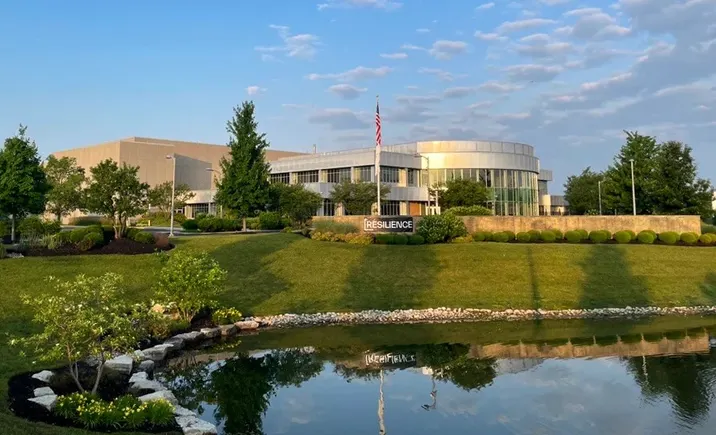
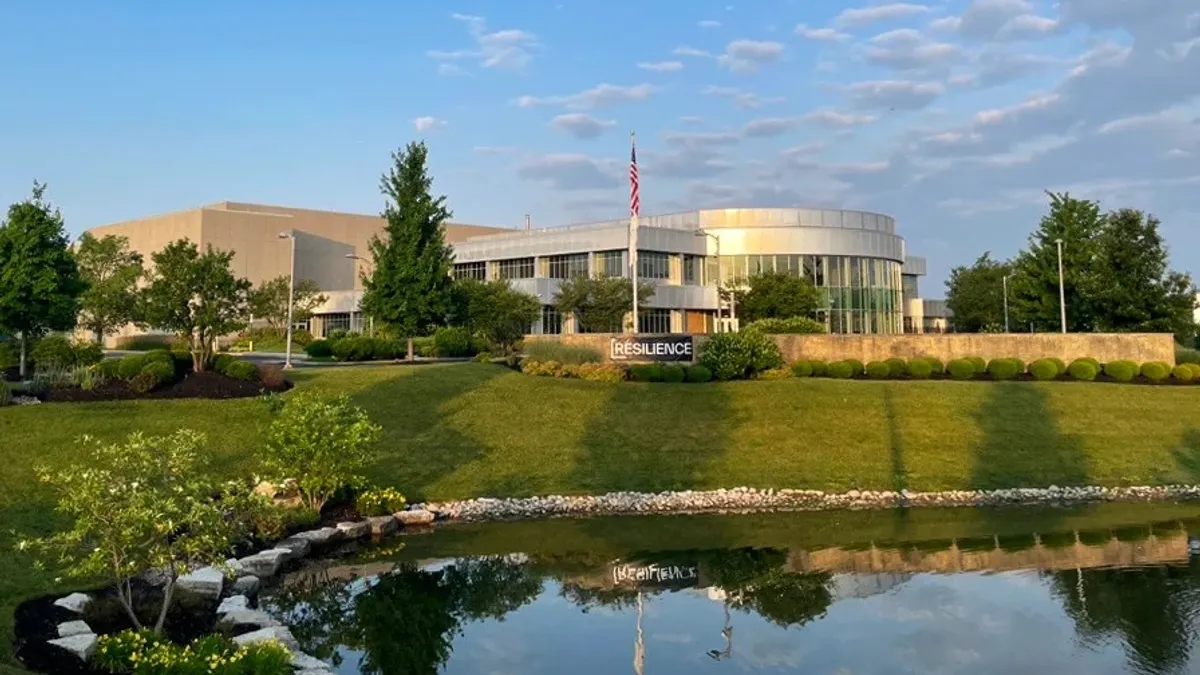
Resilience’s footprint in the Cincinnati area is already considerable, encompassing nearly 1 million square feet across two state-of-the-art facilities that currently employ close to 1,000 manufacturing workers. The expansion will significantly augment this existing workforce and infrastructure. Adding to this strategic centralization, Resilience announced just last month the relocation of its corporate headquarters from San Diego, California, to Blue Ash, Ohio. This move, which itself is projected to create an additional 200 jobs, strategically places the company’s leadership closer to its primary operational hub, fostering greater synergy between corporate strategy and manufacturing execution.
Local government officials and economic development agencies in Ohio have consistently lauded Resilience’s investments and job creation. Such expansions are viewed as vital for regional economic growth, attracting further investment, strengthening the advanced manufacturing sector, and providing high-quality employment opportunities for residents. The focus on sterile injectable and device assembly and packaging operations also underscores the highly specialized nature of these jobs, requiring advanced training and expertise, thereby elevating the skill base of the regional workforce.
Eli Lilly’s Broader Investment Spree: A Multibillion-Dollar Bet on GLP-1s
The collaboration with Resilience is part of a much larger, aggressive capital expenditure strategy by Eli Lilly to secure its dominance in the GLP-1 market and ensure sufficient supply for its rapidly expanding product lines. Since September of the previous year (implied 2025 given the article’s publication date of July 2026), Lilly has committed an astounding sum exceeding $16 billion towards the construction of three new state-of-the-art manufacturing facilities. These facilities are strategically located across the United States: in Houston, Texas; Huntsville, Alabama; and Lehigh County, Pennsylvania. Each site is designed to significantly boost the company’s capacity for producing either injectable or oral weight-loss treatments.

Beyond these new greenfield sites, Lilly has also announced plans to invest an additional $4.5 billion across two of its existing facilities in Lebanon, Indiana. These investments are specifically aimed at enhancing and expanding current production capabilities for Mounjaro and Zepbound. The sheer scale of these investments—totaling over $20 billion in less than a year—reflects Lilly’s conviction in the long-term potential of its GLP-1 portfolio and its proactive approach to addressing anticipated demand for years to come.
This aggressive investment strategy by Lilly is not merely about capacity; it’s also about supply chain resilience and strategic independence. The COVID-19 pandemic exposed the fragility of global supply chains, prompting many pharmaceutical companies to re-evaluate their manufacturing footprints. Lilly’s emphasis on domestic manufacturing, as suggested by its significant U.S.-based investments, aligns with broader industry trends towards "reshoring" production to mitigate geopolitical risks, reduce lead times, and enhance control over quality and supply. These substantial capital outlays are a clear indication of Lilly’s intent to not only meet but exceed market expectations for its groundbreaking GLP-1 therapies.
Industry Landscape and Future Outlook
The GLP-1 market is not only characterized by soaring demand but also by intense competition. While Eli Lilly and Novo Nordisk currently dominate, numerous other pharmaceutical companies are actively engaged in research and development to bring their own GLP-1 or related metabolic disorder therapies to market. This competitive landscape further incentivizes robust and efficient manufacturing capabilities, as the ability to reliably supply product is as critical as its clinical efficacy.
The future of GLP-1s also involves the evolution of drug delivery. While injectables currently lead the market, the development and increasing availability of oral GLP-1 treatments, as alluded to by Morgan Stanley, promise to further expand patient access and convenience. This diversification in delivery methods necessitates flexible and adaptable manufacturing platforms, a capability that contract manufacturers like Resilience are uniquely positioned to offer. Their expertise in sterile injectables, combined with device assembly and packaging, positions them well for future innovations in drug delivery.
However, the rapid growth trajectory of the GLP-1 market is not without its challenges. Beyond the significant capital investment required for manufacturing expansion, companies face hurdles such as attracting and retaining a highly skilled workforce, navigating complex regulatory landscapes, and managing the intricate logistics of a global supply chain. The need for specialized talent in advanced biomanufacturing is particularly acute, making job creation initiatives like Resilience’s even more impactful.
In conclusion, Resilience’s expansion, fueled by Eli Lilly’s substantial investment, marks a critical juncture in the effort to meet the overwhelming global demand for GLP-1 injectable medications. By significantly boosting manufacturing capacity and creating hundreds of high-value jobs in Ohio, this partnership not only addresses an immediate healthcare imperative but also reinforces the United States’ position as a leader in advanced biopharmaceutical manufacturing. As the GLP-1 market continues its meteoric rise, strategic collaborations and massive capital outlays will remain essential in ensuring that these transformative therapies reach the millions of patients worldwide who stand to benefit from them.
