
 By Budi Oetomo Narendra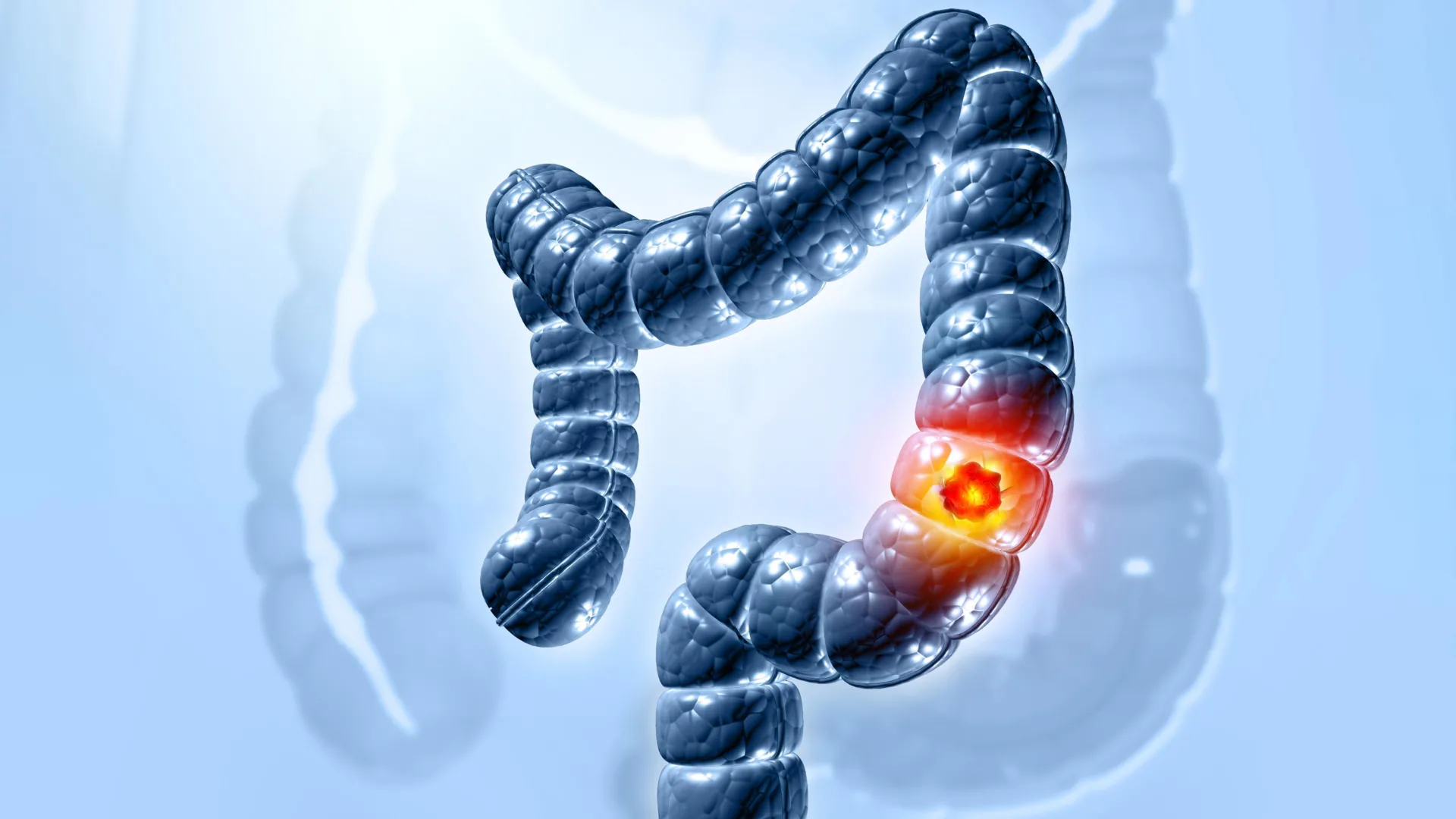
A long-standing enigma in gastrointestinal research has been decisively resolved, with scientists unveiling the precise mechanism by which a potent toxin, produced by a prevalent gut bacterium, infiltrates and damages colon cells. This groundbreaking discovery, which culminates over 15 years of dedicated investigation, not only elucidates the initial stages of cellular injury caused by the toxin but also illuminates a promising new avenue for therapeutic intervention aimed at blocking its harmful effects before they contribute to the development of colorectal cancer.
The findings, published in the prestigious journal Nature, represent a monumental collaborative effort by a multi-institutional team, prominently featuring researchers from the Johns Hopkins Kimmel Cancer Center Bloomberg~Kimmel Institute for Cancer Immunotherapy and the Johns Hopkins University School of Medicine. Their study meticulously details how the toxin, identified as Bacteroides fragilis toxin (BFT) and originating from specific strains of the bacterium Bacteroides fragilis, must first engage with a specific host protein, claudin-4, before it can unleash its damaging cascade within the colon’s epithelial cells. This crucial insight, supported in part by the National Institutes of Health, fundamentally alters our understanding of how this bacterial agent contributes to chronic inflammation and tumor promotion.
"We’ve made several attempts over time to identify the receptor, so this is an exciting moment," remarked Dr. Cynthia Sears, senior author of the study, Bloomberg~Kimmel Professor of Cancer Immunotherapy, and professor of medicine at Johns Hopkins. Her statement underscores the persistence and scientific rigor required to overcome such a complex biological puzzle. "Understanding how bacterial toxins work can open doors to new approaches for detection and therapy for associated diseases, including diarrhea, colorectal cancer and bloodstream infections." The implications of this discovery stretch far beyond a single bacterium, potentially informing strategies against a broader spectrum of toxin-mediated diseases.
The Elusive Threat: Bacteroides fragilis and Its Link to Colorectal Cancer
Bacteroides fragilis is a ubiquitous inhabitant of the human gut microbiome, found in up to 20% of healthy individuals. For the most part, it exists as a commensal organism, contributing to gut health by aiding in nutrient metabolism and maintaining microbial balance. However, certain strains, particularly those producing BFT, are increasingly recognized as significant contributors to intestinal pathology. These enterotoxigenic B. fragilis (ETBF) strains have been strongly implicated in inflammatory bowel disease, acute diarrheal illness, and, critically, the initiation and progression of colorectal cancer (CRC).
Colorectal cancer stands as one of the most common and deadliest cancers globally. According to the World Health Organization, it is the third most common cancer and the second leading cause of cancer-related deaths worldwide, with nearly 2 million new cases and 935,000 deaths annually. While genetics, diet, and lifestyle factors are well-established risk factors, the growing understanding of the gut microbiome’s role has opened new frontiers in prevention and treatment. Chronic inflammation, a hallmark of many gut dysbiosis conditions, is a known driver of CRC development. Previous research from Dr. Sears’ laboratory, published in Nature Medicine over a decade ago, unequivocally demonstrated that BFT causes chronic inflammation in the colon by cleaving E-cadherin, a vital protein responsible for maintaining the integrity of the colon’s protective epithelial barrier. This disruption allows carcinogens and inflammatory molecules greater access to underlying tissues, fueling tumor growth. The earlier work also established a direct causal link between BFT activity and the formation of colon tumors in animal models.
Despite these significant strides, a critical piece of the puzzle remained maddeningly out of reach: how did BFT gain initial access to colon cells to target E-cadherin? It was clear BFT did not bind directly to E-cadherin, implying an intermediate "receptor" molecule was acting as a gatekeeper, facilitating the toxin’s entry. This unanswered question represented a formidable barrier to developing targeted therapies.
A Decade and a Half of Pursuit: Unraveling the Toxin’s Entry Point
The quest to identify BFT’s cellular receptor has been a scientific marathon, spanning more than 15 years. Researchers understood the devastating effects of BFT on colon cells, the disruption of E-cadherin, and the resulting chronic inflammation that creates a fertile ground for cancer. Yet, the initial point of contact, the molecular "handshake" between toxin and host cell, remained elusive. This challenge is not unique to BFT; identifying specific receptors for bacterial toxins is often a complex endeavor, requiring sophisticated techniques and persistent investigation. Many toxins interact with multiple cellular components or utilize indirect mechanisms, making their primary targets difficult to pinpoint.
The earlier research by Dr. Sears’ team provided compelling evidence of BFT’s role in promoting colorectal cancer. Their seminal 2007 study, for instance, showed that mice colonized with ETBF developed colonic tumors, while those colonized with non-toxigenic B. fragilis did not. This work established ETBF as a bacterial driver of colon tumorigenesis, comparable to how Helicobacter pylori drives gastric cancer. However, the exact molecular mechanism for how BFT initiated this process, specifically its entry into the host cell environment, was still a mystery. The search for this "missing link" became a central focus, promising to unlock new therapeutic strategies if successful.
The Breakthrough: CRISPR-Powered Discovery of Claudin-4
The decisive breakthrough arrived through the innovative application of genomewide CRISPR screening, a powerful genetic tool that allows scientists to systematically disable individual genes and observe the resulting cellular changes. This cutting-edge approach was spearheaded by Maxwell White, an M.D./Ph.D. candidate in the Sears lab, in a critical collaboration with the laboratory of Dr. Matthew Waldor at Harvard Medical School.
The methodology was elegant in its simplicity and profound in its implications: researchers engineered colon epithelial cells where individual genes could be selectively "knocked out" or disabled. They then exposed these modified cells to BFT, observing which genetic alterations prevented the toxin from exerting its damaging effects. This systematic survey of the entire genome was designed to pinpoint genes essential for BFT activity. Among the thousands of genes screened, one protein emerged with striking clarity: claudin-4.
"It took a while to get the assay working and validate the approach, but once we were able to do the screen, claudin-4 was a clear, resounding top hit," White recounted, highlighting the moment of discovery. When the gene encoding claudin-4 was removed from the cells, BFT could no longer attach to them, and, consequently, E-cadherin remained unharmed. This provided compelling evidence that claudin-4 was the crucial entry point.
The identification of claudin-4 as the receptor came as a surprise to many in the scientific community. Dr. Sears noted that many researchers had anticipated the receptor to be a signaling protein, such as a G-coupled protein receptor, which are commonly involved in cellular communication and toxin binding. However, claudin-4 belongs to a distinct class of proteins known as tight junction proteins. Tight junctions are critical structures that seal the spaces between epithelial cells, forming a protective barrier that regulates the passage of molecules and maintains tissue integrity. Claudin-4, specifically, is known to play a role in regulating paracellular permeability, particularly in the colon. Furthermore, a comprehensive review of existing literature revealed that this mechanism—a protease toxin binding to a tight junction protein as its primary receptor before cleaving another target—appeared to be unprecedented. Most known protease toxins bind directly to the molecules they are designed to attack, making BFT’s indirect approach via claudin-4 a unique and fascinating biological strategy.
From Hypothesis to Confirmation: Verifying the Molecular Interaction
To rigorously verify this groundbreaking interaction, the Johns Hopkins researchers extended their collaborative network, teaming up with structural biologists Dr. F. Xavier Gomis-Rüth and Dr. Ulrich Eckhard at the Molecular Biology Institute of Barcelona. This collaboration was pivotal for obtaining direct physical evidence of the BFT-claudin-4 complex.
Utilizing advanced biophysical techniques, White and the Barcelona team meticulously demonstrated that BFT and claudin-4 form a tightly bound one-to-one complex in controlled laboratory experiments. This provided the first definitive physical evidence that the toxin indeed attaches to this specific receptor before it can initiate its cellular damage in colon cells. This precise molecular interaction is the linchpin of BFT’s pathogenic mechanism.
Further validation of these findings in living systems was achieved through a collaboration with the laboratory of Dr. Min Dong at Harvard Medical School. Working with Dr. Kang Wang and their colleagues, the team meticulously examined the toxin’s behavior and the role of claudin-4 in sophisticated mouse models. These in vivo studies confirmed that the absence of claudin-4 rendered mice significantly more resistant to BFT-induced colon damage, solidifying the receptor’s critical role in the pathogenesis of ETBF.
A New Therapeutic Frontier: The Promise of Molecular Decoys
The immediate and most exciting implication of this discovery is the potential for novel therapeutic strategies. Armed with the knowledge that BFT specifically targets claudin-4, the research team swiftly moved to develop a counter-strategy. They engineered a soluble version of claudin-4, designed to act as a molecular decoy. This decoy protein was crafted to display the specific portions of the claudin-4 receptor that are normally recognized and bound by BFT.
The strategy proved remarkably effective: instead of binding to the claudin-4 on the surface of colon cells, BFT preferentially attached to these free-floating decoy proteins. This effectively "intercepted" the toxin, neutralizing its ability to engage with cellular receptors and initiate damage. Crucially, this innovative approach successfully protected mice from BFT-induced colon damage, offering a powerful proof-of-concept for a new class of intervention.
"This approach could be iterated upon with small molecules or other biologics that have better pharmacological properties," White noted, envisioning the future development of this strategy. The team is now actively investigating which types of therapies, ranging from optimized protein-based decoys to small-molecule inhibitors, may be most effective at blocking the toxin in a clinical setting. This breakthrough represents a significant step towards developing targeted interventions that could prevent the initial molecular events that predispose individuals to BFT-driven colorectal cancer and other inflammatory bowel conditions.
Broader Implications for Public Health and Cancer Research
The identification of claudin-4 as the BFT receptor carries profound implications across several domains of public health and biomedical research.
Diagnostic Potential: The presence and activity of ETBF, or specific markers related to BFT-claudin-4 interaction, could serve as novel biomarkers for assessing an individual’s risk of developing colorectal cancer or for monitoring disease progression. Early detection of ETBF colonization in susceptible individuals could prompt targeted interventions.
Preventive Strategies: Beyond the molecular decoy, understanding this mechanism opens doors for other preventive strategies. Dietary interventions that modify the gut microbiome to reduce ETBF prevalence, or even targeted prophylactic therapies for high-risk individuals, could be explored. Vaccination strategies targeting BFT or its binding domain on claudin-4 might also become feasible in the future.
Therapeutic Innovation: The success of the molecular decoy strategy paves the way for a new class of precision medicines. Instead of broad-spectrum antibiotics that disrupt the entire microbiome, therapies could be developed to specifically neutralize BFT without affecting beneficial gut bacteria. This targeted approach aligns with the growing emphasis on personalized medicine and microbiome-sparing treatments. The concept of using soluble receptors as decoys could also inspire similar strategies for other bacterial toxins where receptor identification is known.
Understanding Other Toxin-Mediated Diseases: The unexpected nature of claudin-4 as a receptor challenges conventional wisdom about toxin-receptor interactions. This might prompt researchers to re-examine other mysterious bacterial toxins, suggesting that tight junction proteins or other unexpected cellular components could be critical entry points in various infectious diseases.
The Gut Microbiome’s Intricate Role in Health and Disease: This discovery further underscores the critical and intricate role of the gut microbiome in host health and disease, particularly in complex conditions like cancer. It highlights that even seemingly commensal organisms can harbor pathogenic potential under certain circumstances, and understanding these precise molecular switches is key to harnessing the microbiome for therapeutic benefit. The field of "oncomicrobiology" is rapidly expanding, and this study provides a vital piece of the puzzle connecting specific microbial factors to cancer initiation.
Remaining Challenges and Future Endeavors
While the identification of claudin-4 marks a monumental achievement, the scientific journey is far from over. One important challenge remains unresolved: the precise experimental structure showing exactly how the BFT toxin and claudin-4 fit together has not yet been captured at atomic resolution. Current artificial intelligence modeling tools, such as AlphaFold, while revolutionary, were unable to fully resolve this intricate interaction, underscoring the complexity of protein-protein binding dynamics and the continued need for experimental structural biology. Elucidating this precise atomic-level interaction would provide even deeper insights into the binding mechanism, further aiding in the rational design of highly specific inhibitors.
The team’s immediate next steps involve refining the molecular decoy strategy. This includes investigating which types of therapies, whether small molecules or other biologics, possess the most favorable pharmacological properties for clinical application. Moving from successful animal models to human clinical trials will require extensive preclinical development, safety testing, and optimization of delivery methods. Further research will also focus on understanding the epidemiology of ETBF strains, host genetic susceptibilities, and how these factors collectively influence an individual’s risk for BFT-driven diseases.
In conclusion, the Johns Hopkins-led research team has not only solved a 15-year mystery surrounding how Bacteroides fragilis toxin initiates colon damage but has also unveiled a novel therapeutic pathway. By identifying claudin-4 as the crucial cellular gatekeeper, they have provided a foundational insight that could lead to the development of innovative diagnostics and, more importantly, effective preventive and therapeutic strategies against colorectal cancer and other BFT-associated inflammatory conditions. This triumph of collaborative, persistent science offers a beacon of hope in the ongoing fight against one of the most pervasive and deadly cancers worldwide.
Additional authors on the paper include Jason Chen, Shaoguang Wu, Abby L. Geis and Jessica Queen at Johns Hopkins and Hailong Zhang, Karthik Hullahalli and Jie Zhang at Harvard Medical School. The research was supported by the Bloomberg~Kimmel Institute for Cancer Immunotherapy, Janssen Research and Development, Cancer Research UK, the National Institutes of Health (grant numbers R01 AI042347, R01 NS080833, R01 NS117626, R01 AI170835 and R01 AI189789) and the Howard Hughes Medical Institute. Dr. Sears receives royalties for writing and reviewing for UpToDate. This arrangement is managed by The Johns Hopkins University in accordance with its conflict-of-interest policies.
