
 By Lina carolina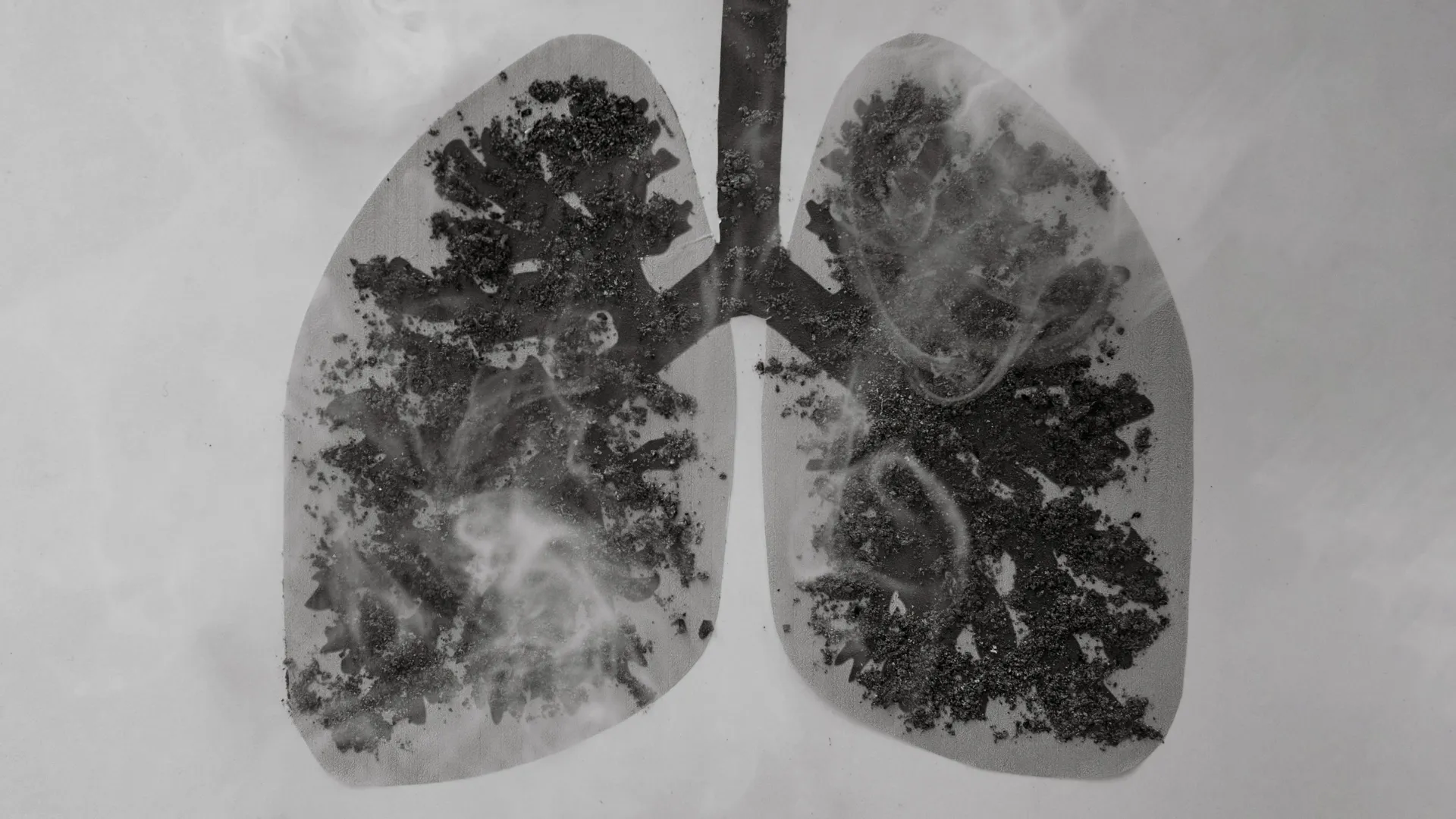
New research published in ERJ Open Research indicates a significant difference in carbon accumulation within lung cells of individuals with Chronic Obstructive Pulmonary Disease (COPD) compared to those who smoke but do not have the condition. The findings suggest a deeper biological mechanism at play beyond simple exposure to pollutants.
A groundbreaking study released on June 10th in the esteemed journal ERJ Open Research has illuminated a critical distinction in the cellular landscape of individuals suffering from Chronic Obstructive Pulmonary Disease (COPD). Researchers have discovered that lung cells, specifically alveolar macrophages, from people with COPD exhibit a markedly higher accumulation of soot-like carbon deposits when contrasted with cells from individuals who are smokers but have not yet developed COPD. This finding, stemming from meticulous laboratory analysis, opens new avenues for understanding the complex pathogenesis of this debilitating respiratory disease. Carbon, a ubiquitous environmental pollutant, can infiltrate the delicate tissues of the lungs through various pathways, including the inhalation of cigarette smoke, exposure to diesel exhaust fumes, and breathing in polluted urban air.
The Role of Alveolar Macrophages in Lung Health
Alveolar macrophages are the immune sentinels of the lungs, playing a crucial role in maintaining respiratory health. These specialized cells are designed to patrol the alveolar spaces, engulfing and clearing foreign particles, pathogens, and cellular debris that may reach this deep part of the respiratory system. Their primary function is protective, acting as the first line of defense against inhaled threats. However, the new study, led by Dr. James Baker and Dr. Simon Lea from the University of Manchester, UK, reveals that when these vital cells are exposed to carbon particles, their behavior and physical characteristics are significantly altered. The research indicates that carbon-laden alveolar macrophages grow larger and, more concerningly, actively promote inflammation within the lung tissue. This pro-inflammatory response is a hallmark of many chronic lung diseases, including COPD.
Unraveling the Link Between Carbon and COPD
Dr. Baker articulated the complexity of COPD, stating, "COPD is a complex disease that has a number of environmental and genetic risk factors. One factor is exposure to carbon from smoking or breathing polluted air." The research team’s motivation was to delve deeper into the cellular consequences of carbon buildup within alveolar macrophages in COPD patients. "We wanted to study what happens in the lungs of COPD patients when this carbon builds up in alveolar macrophage cells, as this may influence the cells’ ability to protect the lungs," Dr. Baker explained. This inquiry sought to understand whether the presence of carbon directly impairs the macrophages’ protective functions or if it triggers a cascade of harmful inflammatory processes.
Study Methodology and Key Findings
To conduct their investigation, the researchers meticulously collected samples of lung tissue obtained during surgical procedures for suspected lung cancer. Crucially, they specifically analyzed samples that did not contain any cancerous cells, ensuring that the observed phenomena were attributable to the underlying respiratory condition rather than malignancy. The study encompassed a cohort of 28 individuals diagnosed with COPD and a control group of 15 individuals who were regular smokers but had not developed COPD.
Under microscopic examination, the alveolar macrophage cells from these participants were scrutinized. The researchers quantified two key parameters: the size of the individual cells and the amount of carbon accumulated within them. The results were striking. The study revealed that the average quantity of carbon found in the alveolar macrophages of COPD patients was more than three times greater than that observed in the macrophages of smokers without COPD. Furthermore, a consistent correlation was observed: cells that contained visible carbon deposits were invariably larger than those with no discernible carbon. This suggests a direct relationship between carbon load and cellular hypertrophy.
Carbon Load Correlates with Reduced Lung Function
Beyond cellular morphology, the study also established a significant link between the burden of carbon deposits and the severity of lung impairment. Patients who exhibited larger accumulations of carbon within their alveolar macrophages also demonstrated poorer lung function. This functional deficit was measured using the FEV1% (Forced Expiratory Volume in 1 second) percentage, a standard clinical metric that quantifies the volume of air a person can forcibly exhale in one second. A lower FEV1% is indicative of compromised airflow and is a key indicator of the severity of obstructive lung diseases like COPD.
In Vitro Evidence of Carbon-Induced Inflammation
To further elucidate the functional impact of carbon on alveolar macrophages, the researchers replicated the conditions in a laboratory setting. They exposed healthy macrophages to carbon particles and observed the cellular response. The in vitro experiments mirrored the in vivo findings, demonstrating that these cells significantly increased in size when exposed to carbon. More importantly, the carbon-exposed macrophages were found to produce and release higher levels of pro-inflammatory proteins. These proteins are known to trigger and sustain inflammatory responses within the lungs, a process central to the progressive damage seen in COPD.
Differentiating Carbon Accumulation: Beyond Smoking
Dr. Simon Lea emphasized the significance of comparing cells from COPD patients with those from smokers without the disease. "As we compared cells from COPD patients with cells from smokers, we can see that this build-up of carbon is not a direct result of cigarette smoking," Dr. Lea stated. This distinction is crucial. It suggests that while smoking is a primary risk factor for COPD and a source of carbon, the excessive accumulation observed in COPD patients points to an underlying difference in how their lungs handle or respond to these particles. Dr. Lea elaborated, "Instead, we show alveolar macrophages in COPD patients contain more carbon and are inherently different in terms of their form and function compared to those in smokers."
This observation raises critical questions about the etiology of increased carbon levels in the macrophages of COPD patients. Dr. Lea proposed two compelling hypotheses: "It could be that people with COPD are less able to clear the carbon they breathe in. It could also be that people exposed to more particulate matter are accumulating this carbon and developing COPD as a result." This suggests a potential bidirectional relationship where impaired clearance mechanisms or heightened susceptibility to environmental pollutants might contribute to the development or exacerbation of COPD.
Future Research Directions
The implications of these findings are substantial, paving the way for future research. Dr. Lea highlighted the need for further investigation: "In future, it would be interesting to study how this carbon builds up and how lung cells respond over a longer period of time." Understanding the temporal dynamics of carbon accumulation and the long-term cellular responses could provide invaluable insights into the disease progression and potential therapeutic targets.
Expert Commentary and Broader Implications
Professor Fabio Ricciardolo, Chair of the European Respiratory Society’s group on monitoring airway disease, who was not involved in the study, provided an external perspective on the research’s significance. "This set of experiments suggest that people with COPD accumulate unusually large amounts of carbon in the cells of their lungs," Professor Ricciardolo commented. He further explained the potential consequences: "This build-up seems to be altering those cells, potentially causing inflammation in the lungs and leading to worse lung function."
Professor Ricciardolo also underscored the study’s contribution to understanding the impact of environmental factors. "In addition, this research offers some clues about why polluted air might cause or worsen COPD," he noted. However, he stressed the persistent need for public health interventions. "However, we know that smoking and air pollution are risk factors for COPD and other lung conditions, so we need to reduce levels of pollution in the air we breathe and we need to help people to quit smoking."
A Timeline of Understanding COPD and Environmental Factors
The understanding of COPD has evolved significantly over decades. Initially recognized primarily as a consequence of heavy cigarette smoking, the disease is now understood to be a complex interplay of genetic predisposition and environmental exposures.
- Early 20th Century: Smoking emerges as a major health concern, with early observations linking it to respiratory ailments.
- Mid-20th Century: The term "emphysema" and "chronic bronchitis" begin to be used more broadly, eventually coalescing into the concept of COPD. Research starts to focus on the inflammatory processes in the airways and lung parenchyma.
- Late 20th Century: The role of genetic factors, such as alpha-1 antitrypsin deficiency, is identified. The impact of occupational dust and fumes is also recognized.
- Early 21st Century: The detrimental effects of air pollution on respiratory health, including COPD exacerbations and potentially new cases, gain significant attention. Biomarkers for COPD and its progression are actively sought.
- Present Day: Studies like the one published in ERJ Open Research focus on the specific cellular and molecular mechanisms by which environmental exposures, such as carbon particles, contribute to COPD pathogenesis, moving beyond general associations to detailed biological insights.
Supporting Data and Scientific Context
The findings of this study align with a growing body of evidence that implicates particulate matter as a significant contributor to respiratory diseases. Globally, air pollution is a major public health challenge. According to the World Health Organization (WHO), air pollution is responsible for millions of premature deaths each year, with a significant portion attributed to respiratory and cardiovascular diseases. The WHO estimates that in 2019, 99% of the world’s population breathed air that exceeded WHO guideline levels of pollutants.
Specifically regarding COPD, epidemiological studies have consistently shown a correlation between long-term exposure to fine particulate matter (PM2.5) and an increased risk of developing COPD, as well as exacerbations of the disease. PM2.5 particles, which are typically less than 2.5 micrometers in diameter, are small enough to penetrate deep into the lungs and even enter the bloodstream. Carbon particles, often a major component of PM2.5 from combustion sources like diesel engines and biomass burning, are of particular interest due to their inert nature and ability to persist in lung tissues.
The accumulation of these particles within macrophages can trigger a chronic inflammatory response through various mechanisms, including the release of reactive oxygen species (ROS) and pro-inflammatory cytokines like TNF-alpha and IL-6. This sustained inflammation can lead to the destruction of alveolar walls (emphysema), thickening of airway walls (chronic bronchitis), and the progressive airflow limitation characteristic of COPD. The current study adds a crucial layer of detail by demonstrating a quantifiable difference in carbon burden between COPD patients and smokers without COPD, suggesting that individuals with COPD may have an altered cellular defense or clearance mechanism that exacerbates the impact of inhaled carbon.
Broader Impact and Implications
The implications of this research extend beyond the scientific community, impacting public health policy, clinical practice, and individual awareness.
- Public Health Policy: The findings reinforce the urgency of implementing stricter air quality regulations and promoting cleaner energy sources. Reducing exposure to particulate matter from traffic, industrial emissions, and indoor pollution could have a significant impact on the incidence and severity of COPD.
- Clinical Practice: While smoking cessation remains paramount, this study suggests that clinicians might consider assessing environmental exposures in their patients, particularly those with severe or atypical COPD presentations. Future research could explore whether specific interventions aimed at enhancing macrophage function or reducing carbon burden could be beneficial for COPD patients.
- Individual Awareness: The study highlights that even individuals who do not smoke are at risk from environmental pollutants. This underscores the importance of public awareness campaigns about the health risks associated with air pollution and encourages individuals to take steps to minimize their exposure, such as avoiding heavily trafficked areas during peak hours or using air purifiers indoors.
- Future Therapeutics: By identifying a specific cellular mechanism involving carbon accumulation and inflammation, the research opens doors for the development of novel therapeutic strategies. These might include agents that enhance the phagocytic and clearance capabilities of alveolar macrophages, or anti-inflammatory drugs specifically targeting pathways activated by carbon particle exposure.
The study’s conclusion that alveolar macrophages in COPD patients are not only laden with more carbon but are also "inherently different in terms of their form and function" is particularly significant. It suggests that COPD might involve a pre-existing susceptibility or altered cellular response that makes individuals more vulnerable to the damaging effects of inhaled carbon. This complexity necessitates a multi-faceted approach to understanding and managing COPD, integrating genetic, environmental, and cellular factors. The journey to fully understanding and combating COPD continues, with this latest research providing a vital piece of the intricate puzzle.
