
 By admin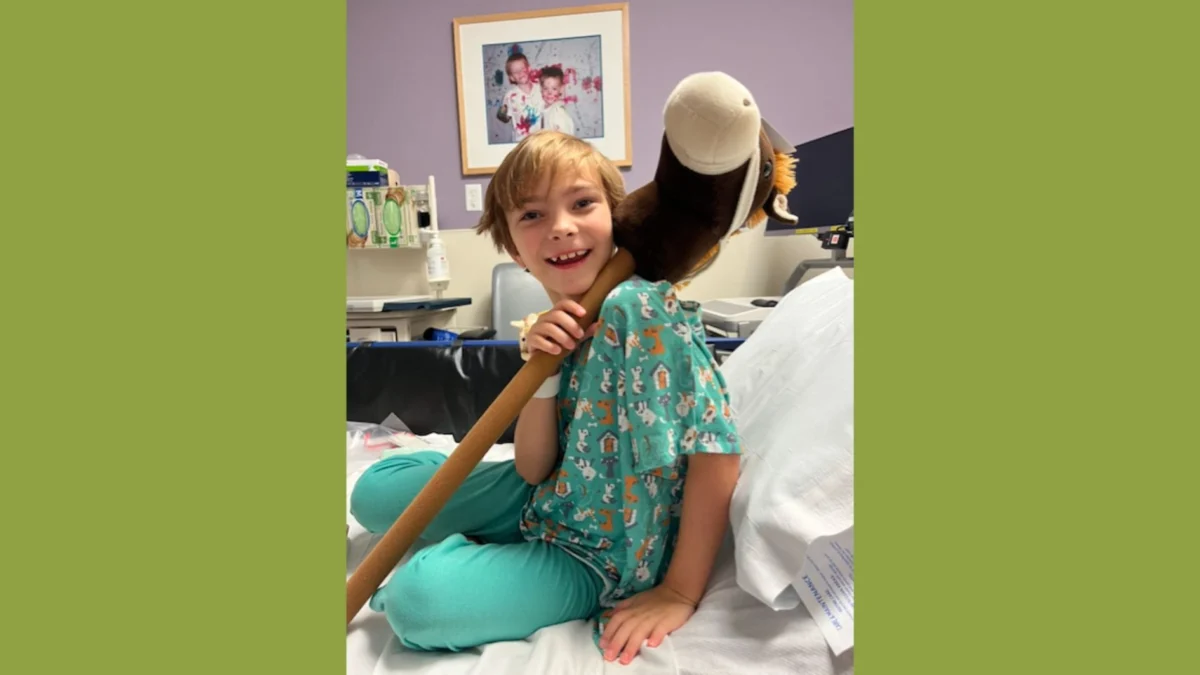
The trajectory of a child’s life is often defined by their aspirations and the unique traits that set them apart from their peers. For Alice, a ten-year-old artist, singer, and wrestler, the desire to be "rare" was a personal mantra long before it became a medical reality. Alice, who serves as an ambassador for the Children’s Cancer Research Fund’s Glamorama event, has built a young life around creative non-conformity, writing fan fiction for the Wings of Fire series and animating dragons. However, a series of medical events beginning with a seemingly innocuous neck lump would eventually redefine her definition of rarity, placing her at the center of a groundbreaking shift in pediatric oncology.
The Genesis of a Rare Diagnosis
The medical journey began with a subtle physical change that was initially easy to overlook. A small lump on Alice’s neck appeared when she was roughly eight years old. At the time, Alice showed no signs of distress; she was not in pain, her energy levels remained high, and she exhibited no classic symptoms of systemic illness. Her mother, Erin, remained vigilant, raising the issue during annual checkups and supplemental visits for minor ailments like strep throat.
For nearly 18 months, the growth was monitored but not prioritized, as pediatricians often view localized neck masses in children as benign lymphadenopathy resulting from common infections. It was only when Alice’s long-term pediatrician approached retirement that a referral to a specialist was made, a decision that would reveal the gravity of the situation. Following a battery of diagnostic tests, including ultrasounds and biopsies, doctors confirmed a diagnosis of pediatric thyroid cancer.
While thyroid cancer is relatively common in adults, it is exceptionally rare in the pediatric population. According to data from the National Cancer Institute and the American Cancer Society, pediatric thyroid cancer occurs in approximately one in 100,000 children annually. Furthermore, Alice’s case was complicated by the fact that the slow-growing malignancy had already metastasized, spreading from the thyroid gland to her lungs. This progression transformed a localized surgical concern into a complex, systemic oncological challenge.
Navigating Traditional Treatment Protocols
The first phase of Alice’s clinical intervention involved a total thyroidectomy. The surgical objective was the removal of the thyroid gland along with any identifiable cancerous tissue in the surrounding area. This procedure carries inherent risks, particularly concerning the recurrent laryngeal nerves which control the vocal cords. Following the surgery, Alice faced a frightening complication: the temporary loss of her voice. For a child whose identity is deeply tied to singing and performance, the ten-day period of silence was a significant psychological hurdle.
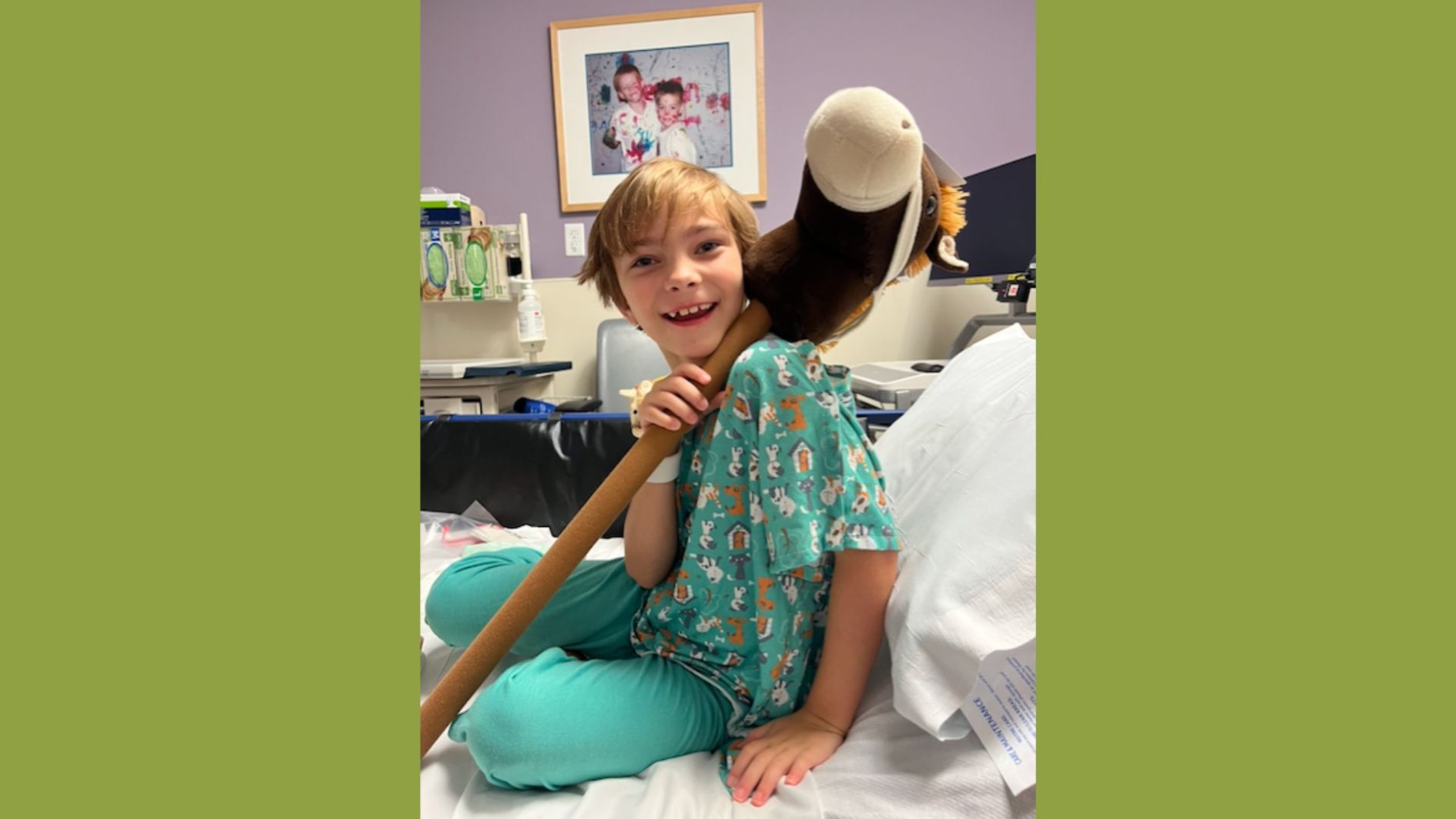
Once the surgical site healed and Alice’s voice began to return, the medical team transitioned to Radioactive Iodine (RAI) ablation. This standard treatment for thyroid cancer relies on the thyroid’s natural affinity for iodine. Patients are placed on a strict low-iodine diet to "starve" any remaining thyroid cells, which are then targeted by a therapeutic dose of radioactive iodine-131. The treatment requires the patient to swallow large capsules, a daunting task for a ten-year-old.
Erin describes a meticulous preparation process involving behavioral conditioning. "We started with mini M&Ms and worked up to larger capsules filled with sprinkles," she noted, highlighting the creative parenting required to manage pediatric clinical requirements. Despite Alice’s successful adherence to the protocol, follow-up imaging in the summer of 2024 revealed a disheartening development: the RAI therapy was not producing the expected results. The tumors in her lungs remained, suggesting a form of the disease that was refractory to standard iodine treatment.
The Pivot to Precision Medicine and Genomic Sequencing
The failure of traditional therapy necessitated a deeper dive into the molecular profile of Alice’s cancer. Genetic sequencing of the tumor tissue revealed a specific gene fusion. This molecular "glitch" was the engine driving the cancer’s growth and, crucially, was the reason the cancer had become resistant to radioactive iodine.
This discovery shifted Alice’s care from a standard protocol to the frontier of precision medicine. In the fall of 2024, a newly approved drug designed to target that exact genetic mutation became available. While the medication had received regulatory approval, clinical trials were ongoing to determine the speed and duration of its efficacy in pediatric patients. Alice enrolled in the trial the following summer, marking a pivotal moment in her treatment timeline.
The results were almost immediate. Within one month of starting the targeted therapy, follow-up scans indicated that the metastatic lesions in Alice’s lungs had nearly disappeared. This rapid response is characteristic of "targeted" or "smart" drugs, which interfere with specific molecules involved in the growth, progression, and spread of cancer, rather than the broad-spectrum approach of traditional chemotherapy.
Supporting Data and Clinical Context
Alice’s case reflects a broader trend in the oncology landscape. Historically, pediatric cancer treatment relied on "adult" protocols that were scaled down for children. However, research has increasingly shown that pediatric cancers are biologically distinct from adult versions, often driven by single genetic translocations or fusions rather than the accumulation of environmental mutations seen in adults.
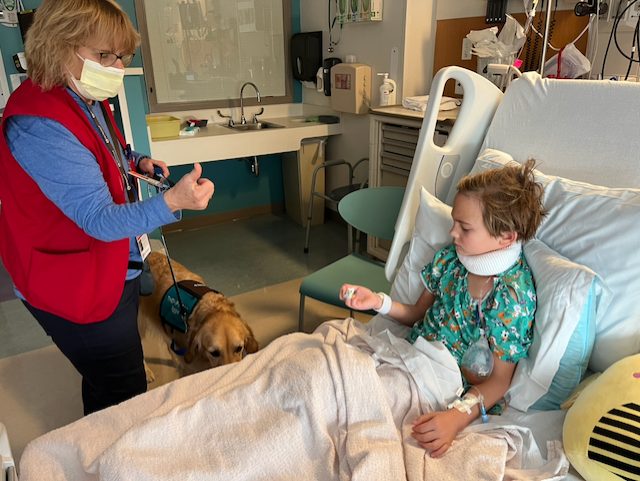
Data from the Children’s Oncology Group (COG) suggests that while the overall five-year survival rate for pediatric thyroid cancer is high (exceeding 95%), the management of radioactive iodine-refractory cases remains a significant clinical challenge. The emergence of TRK inhibitors and other kinase-targeting therapies has provided a lifeline for patients like Alice.
Current medical monitoring for Alice remains intensive. Because she is still in a critical growth phase, her medical team at the Children’s Cancer Research Fund-supported facilities must monitor her heart function and bone density. The long-term effects of these new targeted therapies are still being documented, making Alice’s participation in clinical trials a contribution to the global body of medical knowledge.
The Role of Advocacy and Research Funding
Alice’s role as a Glamorama Ambassador highlights the critical link between private philanthropy and medical breakthroughs. Glamorama, an annual event benefiting the Children’s Cancer Research Fund (CCRF), raises millions of dollars specifically for research that the federal government or large pharmaceutical companies may overlook due to the "rare" status of many pediatric conditions.
The therapy that saved Alice’s lungs did not exist a decade ago. It is the result of years of laboratory research into the human genome and the development of molecularly targeted inhibitors. Organizations like CCRF argue that without consistent funding for "niche" pediatric research, children with rare genetic fusions would have few options once standard treatments fail.
The broader impact of this research extends beyond thyroid cancer. The gene fusion found in Alice’s tumor can also appear in other rare pediatric cancers, meaning the drug she is taking could potentially treat a variety of different diagnoses based on their genetic signature rather than their location in the body. This "tissue-agnostic" approach is the future of oncology, and Alice is among the first generation of children to benefit from it.
Resilience and the Human Element
Despite the rigors of surgery, radioactive isolation, and experimental drug trials, Alice has maintained a semblance of normalcy that defies the typical "patient" narrative. In August 2025, she attended Camp Norden, a specialized retreat for children who have experienced cancer. Her participation in a karaoke session, where she performed a K-pop song, served as a symbolic victory over the vocal cord risks she faced during surgery two years prior.
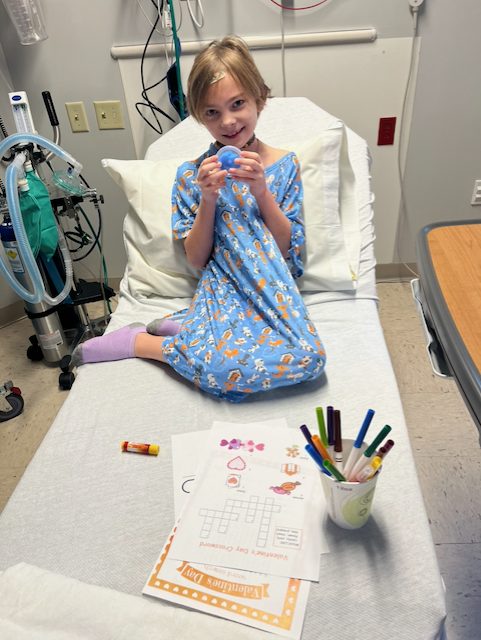
Erin emphasizes that Alice’s "rare" personality—her wrestling, her art, and her creative writing—has been her greatest asset in navigating the trauma of a cancer diagnosis. "Alice does things the way she wants to do them, and she’s not afraid to stand out," Erin said. This psychological resilience is often cited by pediatric specialists as a key factor in a child’s ability to tolerate the disruptions of long-term treatment.
Broader Implications and Future Outlook
Alice’s story serves as a case study for the success of the Precision Medicine Initiative in pediatrics. It underscores the necessity of early genetic testing for patients who do not respond to first-line therapies. As of late 2025, Alice continues to tolerate her medication well, and her case remains a point of study for clinicians looking to replicate her success in other children with metastatic thyroid disease.
The implications for the medical community are clear: "rarity" in a diagnosis should not equate to a lack of options. Instead, it should trigger a more sophisticated, individualized approach to care. As researchers continue to map the genetic drivers of childhood cancer, the hope is that more children will have access to the same life-saving technology that allowed Alice to continue her journey as an artist, a singer, and a "rare" individual on her own terms.
Thanks to the intersection of persistent maternal advocacy, clinical expertise, and cutting-edge genomic research, Alice’s story is no longer defined by the threat of a terminal diagnosis, but by the promise of continued discovery. Her journey remains a testament to the fact that when research is funded and science is prioritized, even the rarest challenges can be met with profound solutions.
