
 By George Ongkojoyo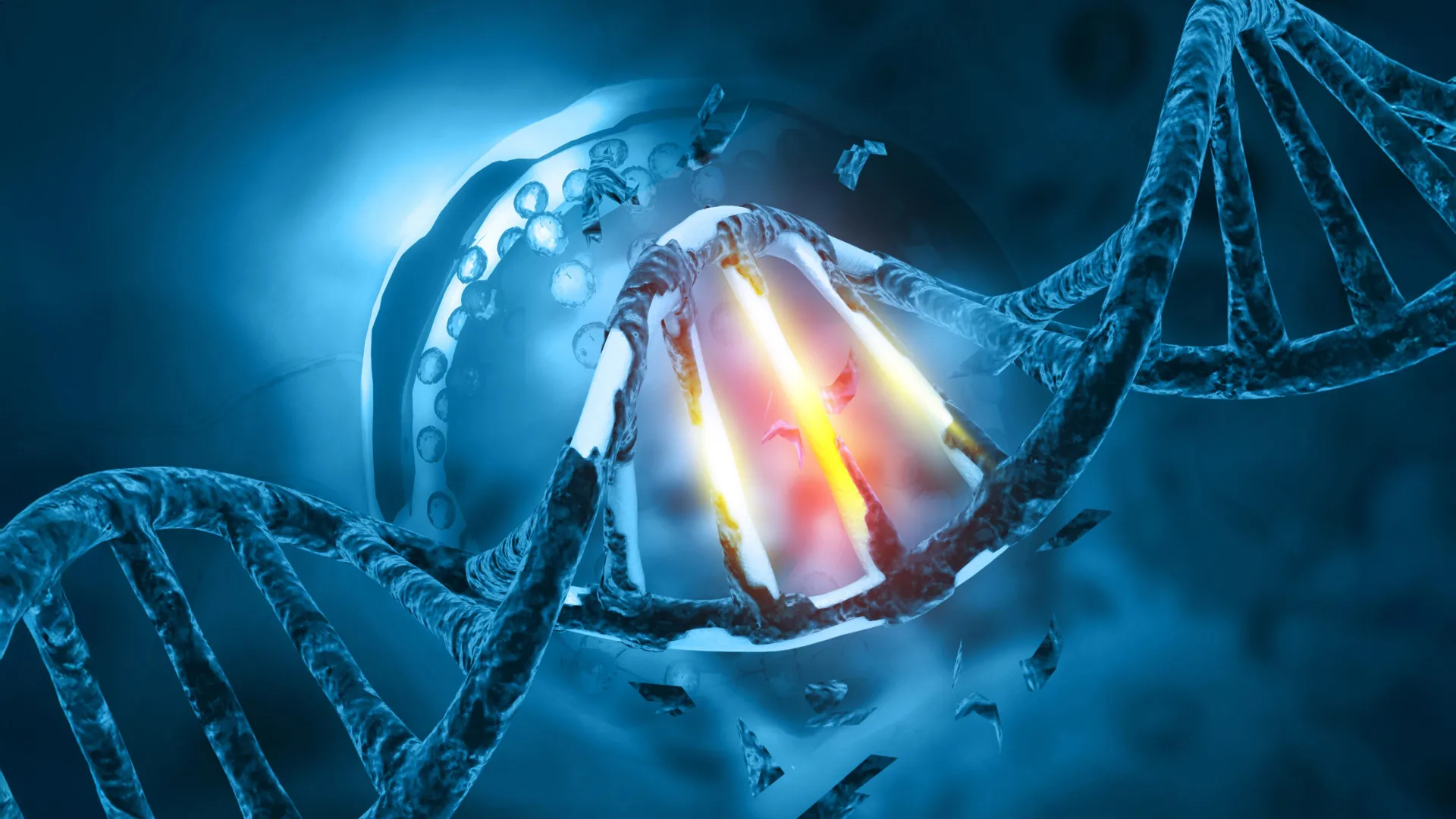
In the complex architecture of human biology, tumor suppressor genes have long been recognized as the primary sentinels against the development of malignancies. These genes are responsible for producing proteins that meticulously monitor, maintain, and repair the integrity of the cellular blueprint—DNA. By correcting errors that occur during the constant cycle of cell division, these proteins prevent the accumulation of harmful mutations that can lead to uncontrolled growth. However, a groundbreaking study from the Penn State College of Medicine has revealed a paradoxical reality: an excess of a specific DNA repair protein can be just as detrimental as its absence.
The research, recently published in the prestigious journal Nature Communications, focuses on the gene EXO1 (Exonuclease 1). While EXO1 is traditionally categorized as a component of the body’s genetic repair machinery, researchers found that when this gene is overexpressed, it ceases to be a protector and instead becomes an agent of destruction. Rather than repairing genetic material, excessive levels of the EXO1 protein actively break down DNA structures, leading to a state of genomic instability—a fundamental characteristic of aggressive cancers.
The Paradox of the Molecular Scissors
Under normal physiological conditions, the EXO1 protein functions with the precision of molecular scissors. Its primary role is to "trim" damaged strands of DNA, facilitating the repair process by removing erroneous sequences so that the correct genetic information can be reinserted. This mechanism is vital for maintaining the stability of the genome during DNA replication, a high-stakes process where the entire genetic code is copied to create a new cell.
However, the Penn State team, led by Dr. George-Lucian Moldovan, a professor of molecular and precision medicine, discovered that this delicate balance is easily disrupted. When a cell produces too much EXO1, the "scissors" begin to cut indiscriminately. Instead of limiting their activity to damaged sections, the proteins attack healthy DNA structures that are essential for successful replication.
The study identifies two specific mechanisms through which excess EXO1 wreaks havoc. First, the protein expands single-stranded DNA gaps, leaving the genetic material vulnerable. Second, it degrades reversed replication forks—structures that form when the DNA replication machinery encounters an obstacle and needs to "back up" to resolve the issue. By eroding these structures, EXO1 causes a localized loss of genetic material and creates "toxic lesions" in the DNA, such as double-strand breaks. These breaks are among the most dangerous types of genetic damage, as they can lead to cell death or the type of chromosomal rearrangements that drive cancer progression.
A Widespread Phenomenon Across Multiple Cancer Types
The implications of this discovery are far-reaching, as EXO1 overexpression is not an isolated occurrence. To understand the prevalence of this genetic anomaly, the research team analyzed extensive data from The Cancer Genome Atlas (TCGA), a landmark program managed by the National Cancer Institute that has characterized the genomic changes in thousands of primary tumors.
The analysis revealed that EXO1 is overexpressed in approximately 20% to 30% of breast and ovarian cancers. Beyond these well-known categories, the researchers found elevated levels of the gene in a diverse array of other malignancies, including:
- Melanoma: An aggressive form of skin cancer.
- Hepatobiliary Cancers: Including cancers of the liver, gallbladder, and bile ducts.
- Testicular Cancer: Affecting the male reproductive system.
- Cervical Cancer: Often linked to viral infections but exacerbated by genetic instability.
The study noted a particularly strong association between high EXO1 levels and basal-like breast cancer. This subtype is known for being particularly aggressive, often having a poorer prognosis than other forms of breast cancer and lacking the hormonal receptors that many modern treatments target.
Mimicking the "BRCA-ness" Without the Mutation
One of the most significant findings of the Penn State study is the relationship between EXO1 and the BRCA genes. BRCA1 and BRCA2 are well-known tumor suppressors; mutations in these genes significantly increase the risk of hereditary breast and ovarian cancers. The proteins produced by BRCA genes are responsible for protecting replication forks and repairing double-strand breaks. When they are mutated, the cell loses its ability to protect its DNA, leading to a condition often referred to in oncology as "BRCA-ness."
The researchers discovered that cancer cells with unusually high levels of EXO1 behave almost identically to cells carrying BRCA mutations. Remarkably, this "BRCA-like" behavior occurs even when the BRCA genes themselves are perfectly healthy and functioning.
"Mechanistically, this overexpression does exactly what the loss of the BRCA pathway does in BRCA-mutant tumor cells," explained Dr. Moldovan. The excess EXO1 effectively overwhelms the protective mechanisms provided by the BRCA proteins. The study also highlighted that EXO1 works in tandem with another protein, MRE11, to enlarge DNA gaps and generate the dangerous breaks that characterize genomic instability.
This discovery is a double-edged sword. While EXO1 overexpression contributes to the development and aggression of the tumor, it also creates a specific vulnerability that clinicians can exploit.
Strategic Implications for Targeted Therapy
The realization that EXO1-overexpressing tumors mimic BRCA-mutant tumors has profound implications for how these cancers are treated. In the current medical landscape, certain high-efficiency drugs are specifically reserved for patients who test positive for BRCA mutations. One such class of drugs is PARP inhibitors, such as olaparib.
PARP inhibitors work by blocking an enzyme that helps repair single-strand DNA breaks. In normal cells, this is not fatal because the cell can use other repair pathways (like the one involving BRCA). However, in BRCA-mutant cells, the secondary repair pathway is already broken. Adding a PARP inhibitor creates a "synthetic lethality" where the cell has no way to fix its DNA and subsequently dies.
The Penn State researchers tested olaparib on EXO1-overexpressing cells and found them to be highly sensitive to the drug. Because the excess EXO1 has already compromised the cell’s repair capacity, the addition of the inhibitor proved just as effective as it would be in a BRCA-mutant patient.
"The same drugs that are reserved for treating BRCA-mutant tumors and that have fewer side effects could potentially be used to treat EXO1 overexpressing tumors, which don’t have BRCA mutations," Dr. Moldovan stated. "It would expand the applicability of those drugs."
Furthermore, the team found that these tumors responded well to cisplatin, a common but often toxic chemotherapy drug. The findings suggest that because EXO1-overexpressing cells are already "primed" for DNA damage, they might respond to lower doses of cisplatin. This could lead to effective tumor shrinkage while significantly reducing the debilitating side effects often associated with platinum-based chemotherapies.
Towards a Tissue-Agnostic Future in Oncology
The research underscores a major shift in the philosophy of cancer treatment: the move from tissue-of-origin therapy to precision medicine based on genetic landscapes. Historically, cancers have been treated based on where they appear in the body—lung cancer, breast cancer, or liver cancer. However, the discovery of biomarkers like EXO1 suggests that two cancers in completely different organs might be more biologically similar than two different types of breast cancer.
"We shouldn’t treat cancers based on what tissue they come from but based on the landscape of the genetic mutations present in the tumors," said Dr. Moldovan. "That would result in high efficiency treatment. That’s the future of cancer treatment."
By identifying EXO1 as a biomarker, doctors could potentially screen patients across a wide range of cancer types to see if they would benefit from PARP inhibitors or specific chemotherapy regimens. This would personalize the treatment process, ensuring that patients receive the most effective drugs for their specific tumor biology while avoiding unnecessary treatments that offer little benefit.
Methodology and Chronology of the Discovery
The study was a multi-year effort that combined large-scale data analysis with rigorous laboratory experimentation. Alexandra Nusawardhana, the study’s lead author who recently earned her doctorate in biomedical sciences from Penn State, played a pivotal role in executing the laboratory phases of the research.
The team began by mining the TCGA database to establish the prevalence of EXO1 across different cancer types. Once the correlation between high EXO1 levels and genomic instability was established, they moved to "in vitro" experiments using commercially available human cancer cell lines.
To prove that the DNA damage was caused by the protein’s activity and not just its physical presence, the researchers created a "disabled" version of the EXO1 protein. This version was identical in structure but lacked the biochemical "cutting" ability of the original. When this disabled protein was introduced to cells, the DNA damage did not occur, confirming that the "molecular scissors" activity was the culprit.
Supported by funding from the National Institutes of Health (NIH) and Four Diamonds—a foundation dedicated to conquering childhood cancer—the team is now looking toward the next phase of their research.
Future Research and Clinical Trials
While the findings are a significant milestone, the researchers emphasize that there is still much to learn. Unlike BRCA mutations, which can be inherited and used to predict a person’s lifetime risk of developing cancer, EXO1 overexpression appears to be an acquired trait within the tumor itself. It is not currently known what causes the gene to become overactive in the first place, or if its overexpression is a primary cause of cancer or a secondary effect of other cellular dysfunctions.
The long-term goal for the Penn State team is to translate these laboratory findings into clinical practice. This will involve launching clinical trials to prospectively identify patients with EXO1-overexpressing tumors and evaluate their response to PARP inhibitors and other targeted therapies.
As the medical community continues to unravel the complexities of the human genome, studies like this one highlight the nuanced nature of biology. The discovery that a "repair" protein can become a "destroyer" provides a vital new piece to the puzzle of cancer, offering hope for more effective, personalized, and less toxic treatments for thousands of patients worldwide.
