
 By Gabriel Paijo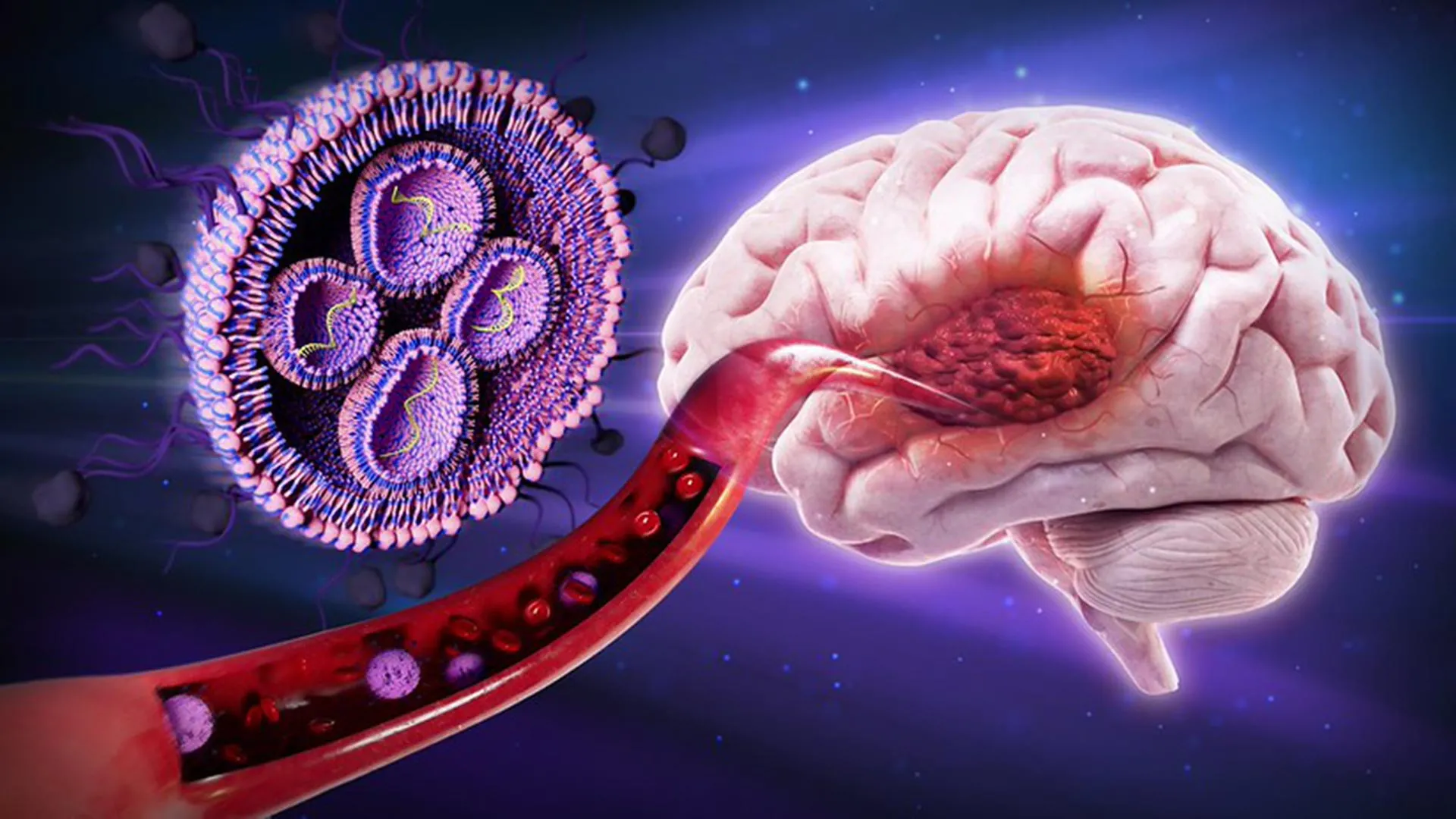
In a significant advancement for neuro-oncology, researchers at Oregon State University (OSU) have unveiled an experimental strategy designed to combat glioblastoma, the most lethal and aggressive form of primary brain cancer. The study, led by a multidisciplinary team from the OSU College of Pharmacy, addresses two of the most formidable obstacles in brain tumor therapy: the selective permeability of the blood-brain barrier (BBB) and the difficulty of delivering therapeutic agents exclusively to malignant cells without damaging healthy neural tissue. By utilizing sugar-coated lipid nanoparticles to deliver tumor-suppressing genetic material, the researchers have demonstrated a 50% increase in median survival time within animal models, offering a potential lifeline for a patient population that currently faces a devastating prognosis.
Glioblastoma multiforme (GBM) is characterized by its rapid growth and invasive nature. Despite decades of research into surgical resection, radiotherapy, and chemotherapy, the clinical outlook remains grim. Statistics indicate that fewer than 30% of patients survive for two years following their initial diagnosis, and the five-year survival rate languishes below 5%. The primary reason for this therapeutic failure is the brain’s own defense mechanism. The blood-brain barrier, a sophisticated network of tightly packed cells, serves as a gatekeeper that prevents toxins and pathogens from entering the central nervous system. However, this same barrier also blocks more than 98% of small-molecule drugs and nearly 100% of large-molecule therapies, rendering many potent anti-cancer agents ineffective simply because they cannot reach the site of the disease.
The Innovation of the "Trojan Horse" Delivery System
The research team, spearheaded by Oleh Taratula, Olena Taratula, and Yoon Tae Goo, focused on a "Trojan Horse" approach to bypass this biological fortress. Their innovation lies in the chemical engineering of lipid nanoparticles—microscopic fatty spheres—that serve as delivery vehicles for messenger RNA (mRNA). To ensure these particles could transition from the bloodstream into the brain, the scientists coated them with mannose, a type of sugar closely related to glucose.
The biological rationale for using mannose is centered on the GLUT1 transporter, a protein found in high concentrations on the cells lining the brain’s blood vessels. GLUT1 is responsible for transporting glucose, the brain’s primary fuel source, across the blood-brain barrier. Because GLUT1 also recognizes and transports mannose, the sugar-coated nanoparticles are essentially able to "hitch a ride" on the brain’s natural nutrient delivery system.
However, the researchers faced a significant hurdle: competition. Because the blood contains high concentrations of glucose, the nanoparticles had to be engineered to compete effectively for the attention of the GLUT1 transporters. Oleh Taratula, a professor in the OSU College of Pharmacy, noted that the central innovation was the density of the sugar coating. By chemically anchoring mannose to cholesterol—a fundamental structural component of the nanoparticle—the team was able to increase the sugar’s surface coverage sixfold compared to previous methods. This high-density coating allowed the particles to bind more effectively to the transporters, facilitating their passage into the central nervous system.
Restoring the "Brakes" on Tumor Growth
Once the nanoparticles successfully crossed the blood-brain barrier, they faced a second challenge: identifying and infiltrating the tumor cells. Glioblastoma cells are known for their metabolic reprogramming; they consume vast amounts of energy to sustain their rapid division. As a result, these malignant cells express GLUT1 at levels three times higher than healthy brain tissue. This metabolic disparity acted as a homing beacon for the sugar-coated nanoparticles, which preferentially accumulated within the tumor site.
The cargo carried by these nanoparticles was a specific sequence of mRNA designed to produce PTEN (Phosphatase and Tensin Homolog). In healthy cells, PTEN acts as a critical tumor suppressor, essentially serving as the "brakes" that prevent uncontrolled cell growth and division. In the vast majority of glioblastoma cases, the PTEN gene is either mutated, deleted, or silenced, allowing the cancer to proliferate unchecked.
By delivering PTEN mRNA directly into the tumor cells, the OSU researchers were able to "reboot" the cells’ natural growth-control mechanisms. To ensure the delicate mRNA molecules did not degrade before reaching their destination, the team incorporated a positively charged cholesterol derivative into the nanoparticle structure. This helped secure the genetic material within the lipid envelope, protecting it from the harsh environment of the circulatory system.
Clinical Results and Data Analysis
The findings, published in the Journal of Controlled Release, provide a compelling proof of concept. In mouse models of glioblastoma, the administration of these sugar-coated nanoparticles led to a 50% increase in median survival time. Perhaps most importantly, the researchers observed significant tumor shrinkage across repeated dosing cycles.
A critical aspect of the study was the safety profile of the treatment. Traditional chemotherapy often causes systemic toxicity, leading to damage in the liver, kidneys, and other vital organs. However, the OSU study reported no measurable organ toxicity. This suggests that the high-density mannose coating and the metabolic targeting of GLUT1 were successful in concentrating the therapy within the brain and the tumor, sparing the rest of the body from the adverse effects typically associated with intensive cancer treatments.
The data underscores a potential shift in how glioblastoma might be managed in the future. By moving away from "blunt force" treatments like broad-spectrum radiation and toward targeted genetic restoration, clinicians may be able to extend life expectancy while maintaining a higher quality of life for patients.
Background and Context: The Burden of Glioblastoma
To understand the weight of this breakthrough, one must look at the historical difficulty of treating glioblastoma. In the United States, the disease affects approximately 3.19 people per 100,000. While it can occur at any age, it is most frequently diagnosed in adults with a median age of 64. Men are statistically more likely to develop the disease than women.
The current standard of care, often referred to as the "Stupp Protocol," involves maximal surgical resection followed by a combination of radiation and the chemotherapy drug temozolomide. Even with this aggressive regimen, the median survival time is only about 15 to 18 months. The tumor’s ability to hide behind the blood-brain barrier and its tendency to infiltrate healthy brain tissue like "tentacles" make complete surgical removal nearly impossible. Recurrence is almost guaranteed, and secondary treatments for recurrent glioblastoma are often ineffective.
The OSU study arrives at a time when mRNA technology is experiencing a renaissance. Following the global success of mRNA-based COVID-19 vaccines, researchers are increasingly looking toward the platform for "replacement therapy"—the idea of using mRNA to teach the body to produce proteins it is missing due to genetic disease or cancer.
Chronology of the Research and Collaborative Efforts
The development of this strategy was the result of years of iterative testing within the OSU College of Pharmacy. The study involved a diverse team of experts, including Vincent Cataldi, Vladislav Grigoriev, Neera Yadav, Tetiana Korzun, Chao Wang, and Adam Alani. The research was a collaborative effort that crossed international lines, receiving support from several major institutions:
- The National Cancer Institute (NCI): Provided funding to explore the oncological applications of the nanoparticle delivery system.
- The National Institutes of Health (NIH): Supported the foundational research into lipid chemistry and mRNA stability.
- The Eunice Kennedy Shriver National Institute of Child Health and Human Development: Contributed to the understanding of cellular transport mechanisms.
- The National Research Foundation of Korea: Provided additional support for the international aspects of the scientific collaboration.
The timeline of the research moved from the initial chemical synthesis of the mannose-cholesterol conjugate to in vitro (cell culture) testing, and finally to the in vivo (animal) trials that yielded the survival data recently published.
Implications for the Future of Neuro-Oncology
The implications of this research extend beyond glioblastoma. If a sugar-coated nanoparticle can successfully navigate the blood-brain barrier by "tricking" the GLUT1 transporter, this delivery platform could potentially be adapted for a variety of other neurological conditions. Diseases such as Alzheimer’s, Parkinson’s, and multiple sclerosis also suffer from a lack of effective drug delivery to the brain.
Furthermore, the success of the PTEN restoration suggests that other "undruggable" genetic targets could be addressed using similar mRNA strategies. By changing the genetic sequence carried within the nanoparticle, scientists could theoretically target different pathways or different types of brain tumors.
"Glioblastoma is metabolically reprogrammed," explained Olena Taratula. "By exploiting that very reprogramming to deliver a corrective genetic payload, we are essentially using the tumor’s own survival mechanisms against it."
Conclusion and Next Steps
While the results in mouse models are highly promising, the transition to human clinical trials remains the next major hurdle. Human physiology presents additional complexities, and the scaling of nanoparticle production must meet rigorous pharmaceutical standards. The research team is expected to focus next on long-term safety studies and determining the optimal dosing frequency for human subjects.
The OSU study represents a pivotal moment in the fight against brain cancer. By solving the dual problems of the blood-brain barrier and tumor specificity, the researchers have created a blueprint for a new generation of "smart" therapeutics. For the thousands of families affected by glioblastoma each year, this experimental strategy offers more than just scientific data; it offers the hope of a future where a brain cancer diagnosis is no longer an automatic death sentence.
