
 By admin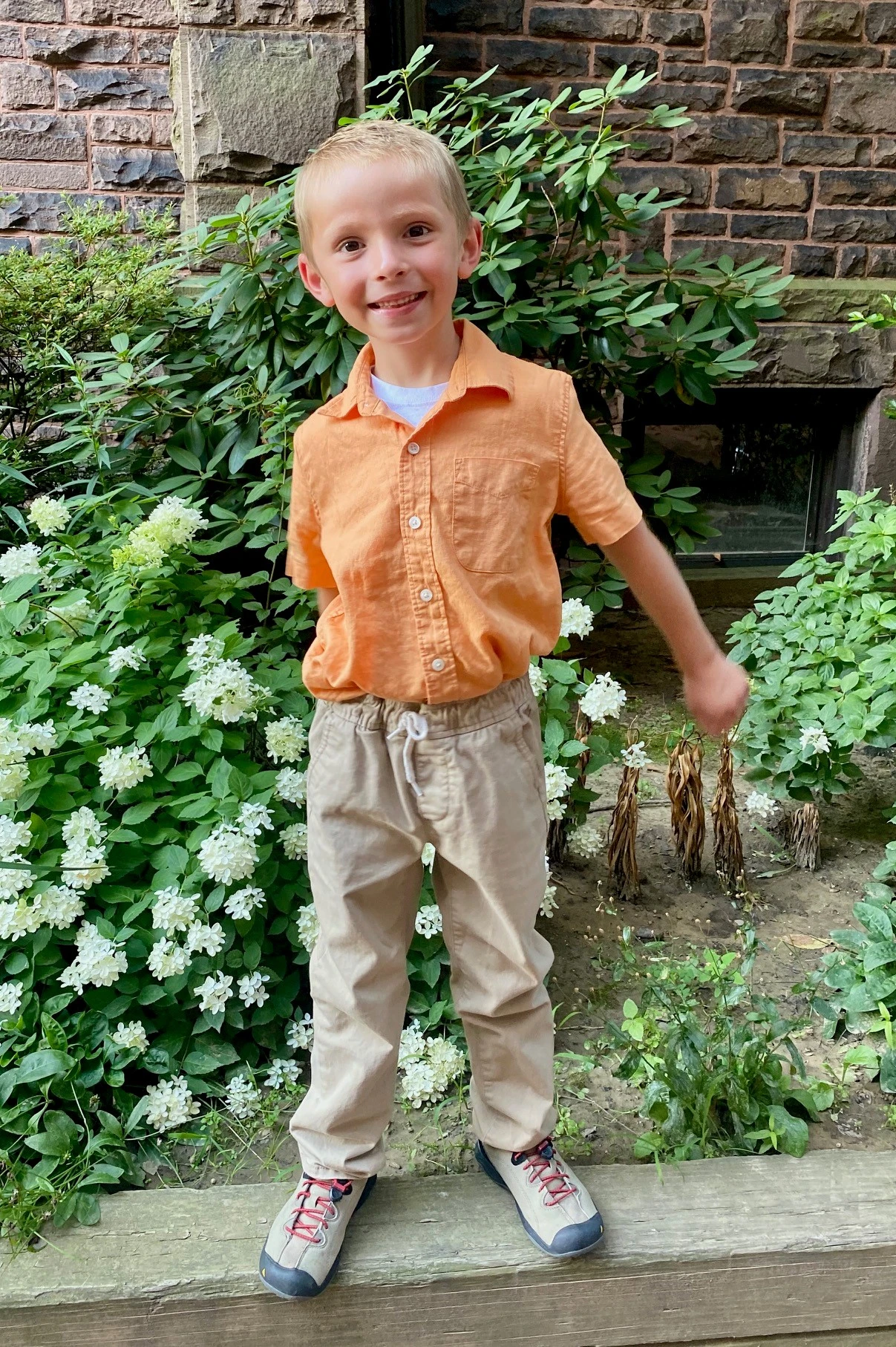
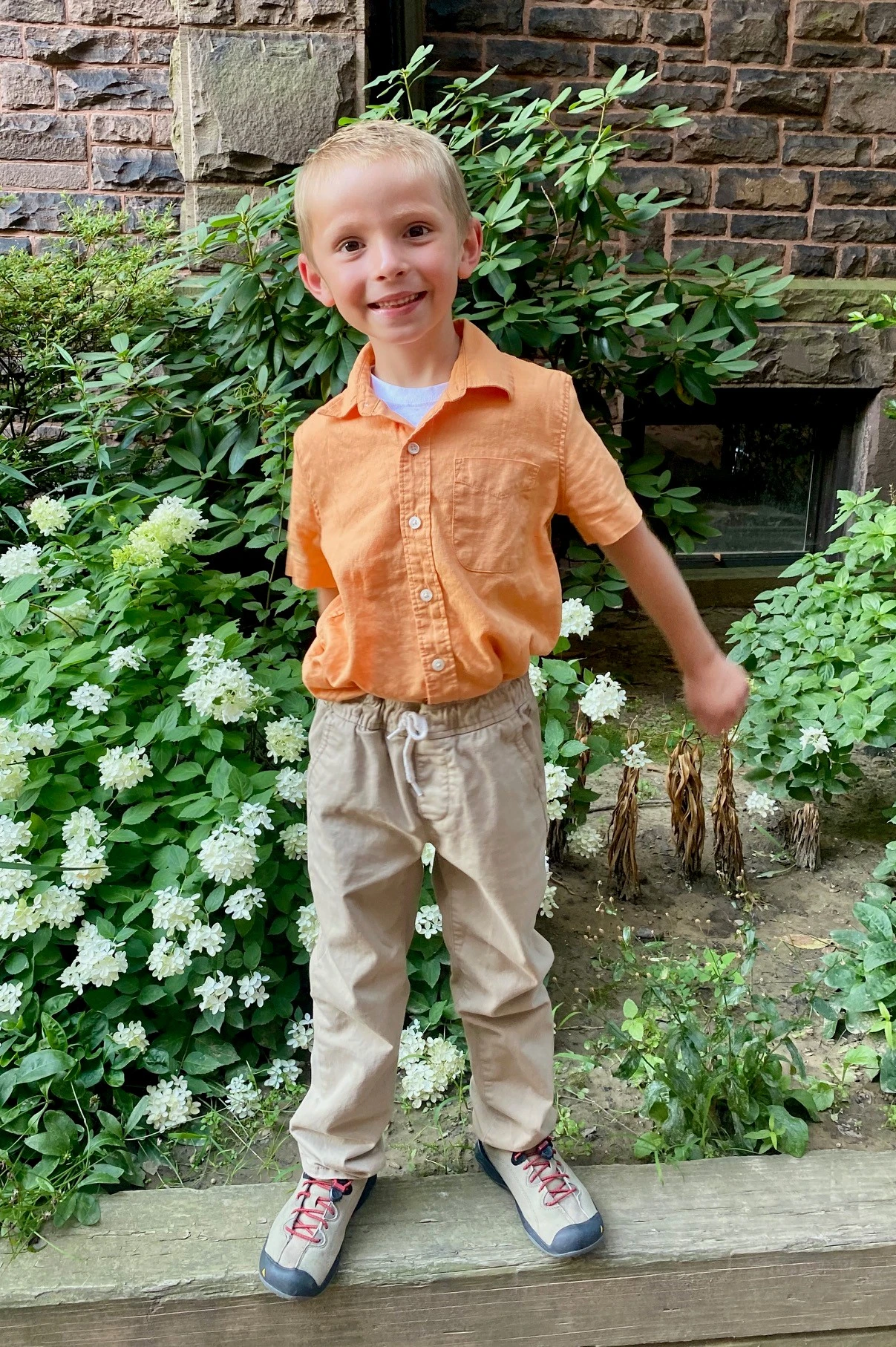
The transition into a new school year is typically marked by the purchase of supplies and the anticipation of new friendships, but for the Gray family, the start of the fourth grade represented a poignant and painful milestone. Standing in the hallway of her children’s school during a Meet the Teacher event, Patricia Gray was confronted with the profound emotional weight of her daughter Natalie’s reality. On a classroom assignment regarding her feelings about the upcoming year, Natalie wrote that while she was excited for basketball, she felt a deep sadness because entering the fourth grade meant she had officially surpassed every developmental milestone her older brother, Nathan, ever reached. Nathan Gray passed away in 2022 at the age of eight, having never completed the third grade due to a relentless battle with a rare form of kidney cancer known as Wilms tumor.
The story of the Gray family has since evolved from a private tragedy into a public crusade for medical advancement. By partnering with the Children’s Cancer Research Fund (CCRF) and medical researchers at leading institutions, the family is transforming their loss into a catalyst for a multi-center clinical trial aimed at saving children facing the same high-risk relapse that took Nathan’s life.
The Diagnostic Challenge and the Reality of Pediatric Cancer
The journey began when Nathan was two years old. His symptoms were initially intermittent and deceptive; he would experience high fevers that vanished after a few days, only to return weeks later. Between these episodes, he remained energetic and seemingly healthy. Patricia Gray sought medical intervention repeatedly, only to have her concerns dismissed. At one point, she was told to "put the thermometer away," with clinicians suggesting the toddler was "too happy to be sick." This narrative of diagnostic delay is a common hurdle in pediatric oncology, where rare cancers often mimic common childhood ailments.
When Nathan’s condition finally necessitated an emergency room visit, the severity of his illness was immediate. Doctors ordered a blood transfusion and a transfer to a specialized children’s hospital. The diagnosis was Wilms tumor, or nephroblastoma, a cancer that originates in the kidneys and primarily affects children. While the general survival rate for Wilms tumor is often cited as being above 90% due to advancements in multimodal therapy, these statistics mask a much grimmer reality for patients who suffer a relapse.

Medical data indicates that for children with very high-risk relapsed Wilms tumor, the prognosis shifts dramatically. In these instances, the survival rate plummets, with approximately 80% of children failing to survive the recurrence. Nathan’s initial treatment appeared successful, and he remained cancer-free for two years. However, in May 2019, tumors were discovered in both of his lungs, signaling a high-risk relapse that placed him in the most vulnerable category of patients.
A Community Response to a Growing Crisis
As Nathan’s health declined over six years of treatment, his local community became a pillar of support, illustrating the social impact of pediatric illness on small-town environments. Local law enforcement and fire departments organized caravans to drive past the Gray home, and community members adopted Nathan’s favorite color, orange, as a symbol of solidarity. Nathan was also honored at local events, including the town’s Christmas parade, providing a semblance of normalcy and joy amidst a grueling medical regimen.
Nathan’s medical care involved a collaboration between three of the nation’s premier oncology centers: Geisinger Medical Center, Children’s Hospital of Philadelphia (CHOP), and Memorial Sloan Kettering Cancer Center (MSK). Despite the expertise of these institutions and the exhaustive efforts of his family to find experimental therapies, the limitations of current medical research became a terminal barrier. The lack of specific, high-risk clinical trials for relapsed Wilms tumor meant that the lifesaving breakthrough Nathan required did not yet exist. Nathan Gray passed away on January 6, 2022.
Bridging the Research Gap: The Michael V. Ortiz Clinical Trial
In the wake of Nathan’s death, Patricia Gray sought to channel her grief into a tangible solution for future families. This led to a partnership with Dr. Michael V. Ortiz, Nathan’s oncologist at Memorial Sloan Kettering Cancer Center. Dr. Ortiz is currently spearheading a groundbreaking multi-center clinical trial specifically designed to test a new therapeutic agent against very high-risk relapsed Wilms tumor.
The primary obstacle for rare pediatric cancers is often a lack of federal and pharmaceutical funding. Because these cancers affect a smaller population compared to adult malignancies, they are frequently overlooked in favor of more profitable research avenues. Private philanthropy, therefore, becomes the primary engine for innovation. With the support of the Children’s Cancer Research Fund and the advocacy of the Gray family, Dr. Ortiz’s trial has secured the necessary resources to expand its reach.
Originally a localized effort, the trial has now expanded to eight additional major medical sites across the United States, including:
- Atlanta, Georgia
- Boston, Massachusetts
- Chicago, Illinois
- Cincinnati, Ohio
- Los Angeles, California
- Palo Alto, California
- St. Louis, Missouri
- Washington, D.C.
The trial aims to enroll 21 pediatric patients. This cohort size is significant in the context of rare diseases, providing enough data to potentially establish a new standard of care. If successful, this trial will offer a therapeutic option that was unavailable during Nathan’s treatment, potentially shifting the survival statistics for relapsed cases.
Financial Mobilization and the Forbes | SHOOK Summit
The scale of this medical initiative requires substantial capital. In October 2024, the Gray family took their mission to the 2024 Forbes | SHOOK Top Advisor Summit. Addressing an audience of nearly 1,000 of the nation’s leading financial advisors, the family shared Nathan’s story to highlight the critical need for private investment in pediatric research.
The presentation was a success, resulting in $1 million in immediate donations. These funds are designated to cover the high costs associated with multi-site clinical trials, including drug administration, patient monitoring, and data analysis. This influx of capital ensures that the trial can proceed without the delays often associated with traditional grant cycles.
Broader Implications for Pediatric Oncology
The Gray family’s efforts highlight a systemic issue in the American healthcare and research landscape. According to the National Cancer Institute, pediatric cancer research receives only about 4% of the total federal funding allocated for cancer research. This disparity leaves families and private non-profits to fill a massive void.
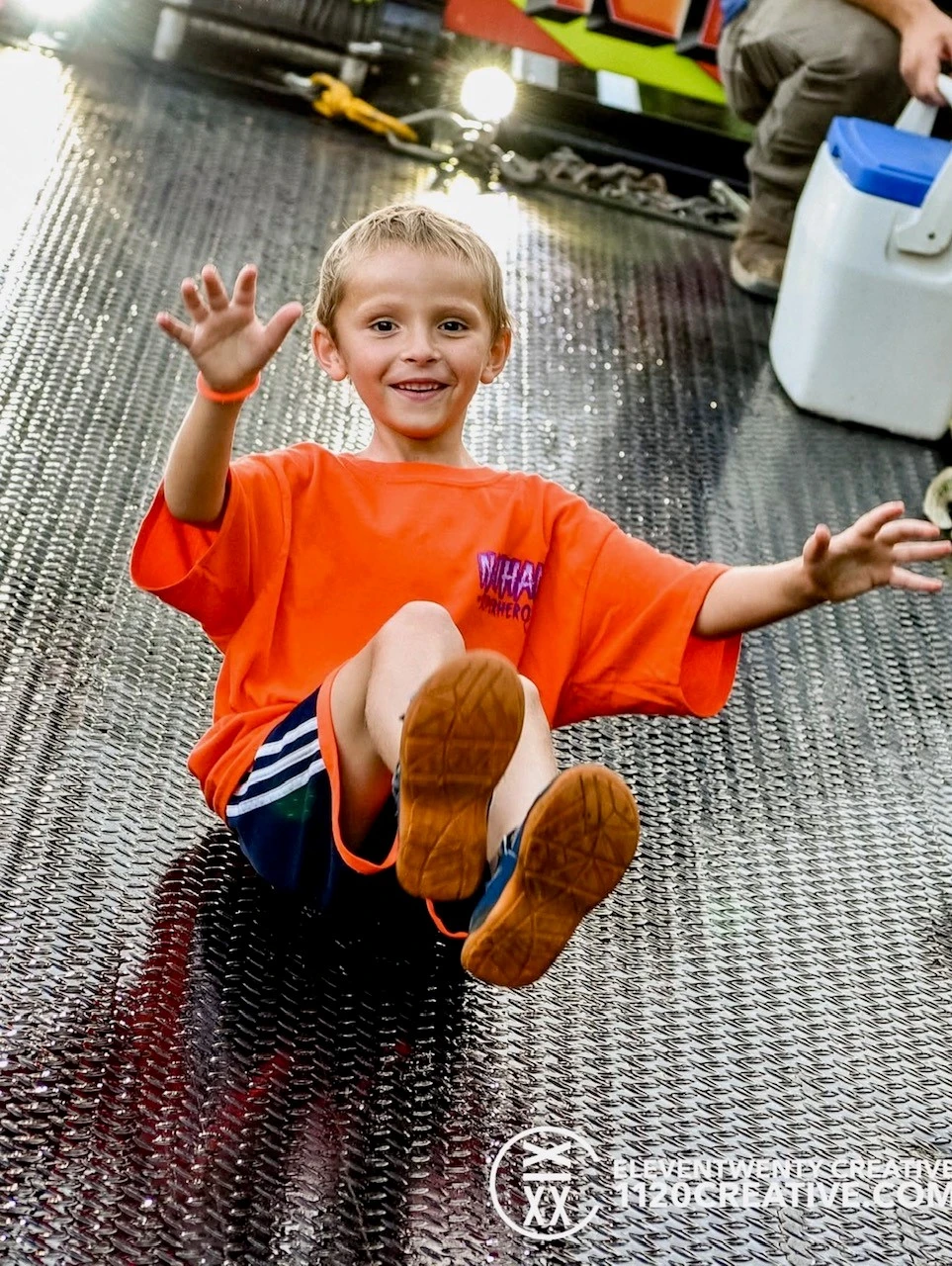
The "Nathan Gray effect" demonstrates a model for how bereaved families can influence the trajectory of medical science. By focusing on a specific, high-risk niche—relapsed Wilms tumor—the family is ensuring that research is directed toward the most lethal aspects of the disease rather than just the high-level survival statistics.
Natalie Gray, now a fourth-grader, has also contributed to the cause in her own way, donating her birthday and "tooth fairy" money to her brother’s doctor. Her simple hope—that a cure will eventually be found—is now backed by a million-dollar research initiative and a nationwide network of oncology experts.
Conclusion: A Legacy Beyond Milestones
For Patricia Gray, the pain of seeing her daughter pass Nathan’s milestones remains a constant reality, but it is now tempered by the knowledge that Nathan’s name is attached to a potential medical breakthrough. The clinical trial led by Dr. Ortiz represents the "place for the love to go," transforming a family’s grief into a scientific endeavor that may prevent other parents from experiencing a similar loss.
As the trial progresses across its nine total sites, the medical community will be watching closely. The success of this drug could represent the first major advancement in relapsed Wilms tumor treatment in decades. The story of Nathan Gray serves as a reminder that while medical research is often viewed through the lens of data and statistics, its progress is frequently driven by the resilience of families who refuse to let their children’s stories end with a diagnosis. Through grace and determination, the Gray family is ensuring that Nathan’s legacy is not defined by his death, but by the lives that may be saved in his honor.
