
 By George Ongkojoyo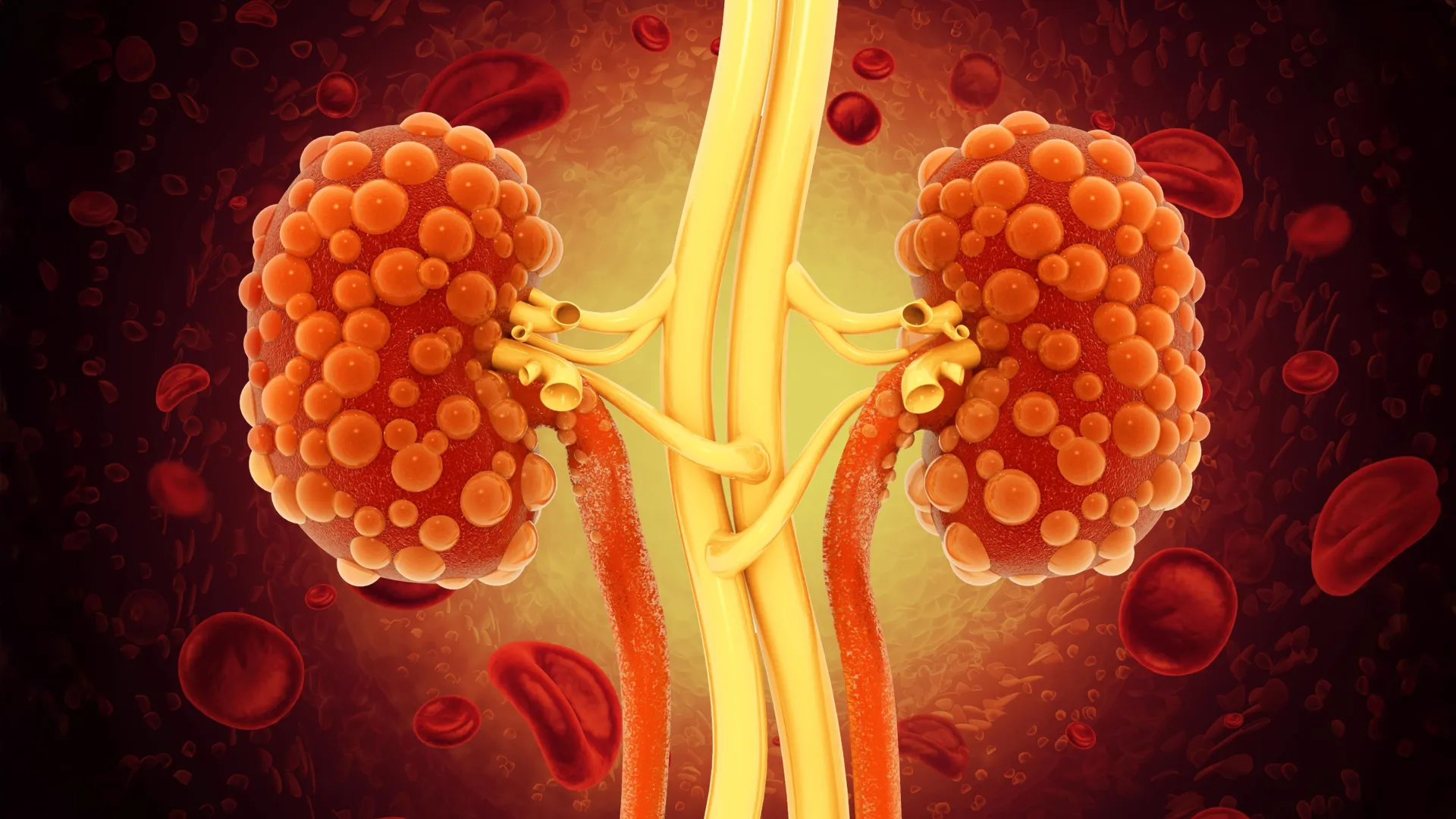
In a significant advancement for the field of nephrology, researchers at the University of California, Santa Barbara (UCSB) have unveiled a novel therapeutic approach to treating Polycystic Kidney Disease (PKD), an inherited condition that currently lacks a definitive cure. By engineering a specific class of monoclonal antibodies capable of penetrating the interior of kidney cysts, the team has demonstrated a method to disrupt the runaway cellular growth that characterizes the disease. The study, published in the journal Cell Reports Medicine, offers a potential paradigm shift in how clinicians might manage a condition that frequently leads to end-stage renal failure and the lifelong necessity of dialysis or kidney transplantation.
The Pathophysiology of Polycystic Kidney Disease
Polycystic kidney disease is primarily a genetic disorder, occurring in two main forms: Autosomal Dominant PKD (ADPKD), which is more common and often manifests in adulthood, and Autosomal Recessive PKD (ARPKD), which is rarer and typically appears in infancy or childhood. The hallmark of the disease is the development of numerous fluid-filled cysts within the kidneys. These cysts are not static; they enlarge and multiply over decades, gradually compressing and destroying healthy renal tissue.
As the functional units of the kidney—the nephrons—are compromised, the organ loses its ability to filter waste from the blood, regulate blood pressure, and maintain electrolyte balance. According to data from the National Institute of Diabetes and Digestive and Kidney Diseases (NIDDK), PKD affects approximately 600,000 people in the United States and is the fourth leading cause of kidney failure worldwide. Despite the prevalence of the condition, therapeutic options have remained notoriously limited, focusing largely on symptom management rather than halting the underlying biological drivers of cyst expansion.
The Limitations of Current Pharmacological Interventions
The primary challenge in treating PKD lies in the unique structure of the cysts. Each cyst is essentially a sealed chamber lined with epithelial cells. These cells undergo a process of "runaway" proliferation, fueled by an autocrine loop where the cells secrete growth factors into the cyst’s internal fluid. These factors then bind to receptors on the same cells, creating a self-sustaining cycle of expansion.
"The cysts just keep growing endlessly," explained Dr. Thomas Weimbs, a UCSB biologist and the senior author of the study. "And we want to stop them. So we need to get a drug into these cysts that will make them stop."
Currently, the only FDA-approved drug specifically for ADPKD is Tolvaptan (marketed as Jynarque). While Tolvaptan has been shown to slow the rate of kidney function decline, it is associated with significant side effects, including aquaresis (excessive water loss), which forces patients to consume several liters of water daily. Furthermore, there are concerns regarding potential liver toxicity, necessitating frequent monitoring. Other small-molecule drugs have shown promise in laboratory settings, but often lack the specificity required to target cyst-lining cells without harming healthy tissue or causing systemic toxicity.
The Innovation: Engineering a "Cyst-Penetrating" Antibody
To overcome these barriers, the UCSB research team looked toward immunotherapy, a field that has revolutionized cancer treatment. Most therapeutic antibodies currently in use are Immunoglobulin G (IgG). While IgG antibodies are highly effective at targeting specific proteins in the bloodstream or on cell surfaces, they are physically too large to cross the epithelial barriers that line kidney cysts.
To solve this, the researchers turned to Dimeric Immunoglobulin A (dIgA). In the human body, dIgA is a natural component of the mucosal immune system, found in secretions such as tears, saliva, and mucus. Unlike IgG, dIgA possesses a unique ability to undergo "transcytosis"—a process where the antibody binds to a polymeric immunoglobulin receptor (pIgR) on one side of an epithelial cell layer and is actively transported through the cell to the other side.
The UCSB team hypothesized that if they could redesign a therapeutic antibody to have a dIgA "backbone," they could hijack this natural transport mechanism to deliver the drug directly into the interior of the cysts.
Chronology of Research and Experimental Results
The foundation for this breakthrough was laid nearly a decade ago. In 2015, Dr. Weimbs and his colleagues published a paper proposing that dIgA could serve as a vehicle for drug delivery into kidney cysts. The recent study published in Cell Reports Medicine represents the culmination of years of testing that hypothesis.
The research team began by modifying the DNA sequence of an existing antibody to convert it from an IgG format to a dIgA format. Their target was the cell mesenchymal-epithelial transition (cMET) receptor, a well-known driver of cell growth and survival that is overactive in PKD.
Key stages of the study included:
- Molecular Engineering: The researchers successfully altered the antibody’s structure while ensuring it retained its ability to recognize and bind to the cMET receptor.
- In Vitro Verification: Initial tests confirmed that the redesigned dIgA could indeed bind to its target and was successfully transported across epithelial layers in laboratory cell cultures.
- Animal Model Testing: The antibody was then administered to mouse models of PKD. Imaging and biochemical analysis confirmed that the dIgA antibodies successfully entered the cysts and remained there, whereas standard IgG antibodies remained outside.
- Biological Impact: Once inside the cysts, the dIgA antibodies blocked the cMET receptors. This resulted in a significant reduction in the signaling pathways that promote cell growth. Most notably, the treatment triggered apoptosis—programmed cell death—specifically in the cyst-lining cells. Crucially, the researchers observed no such cell death in healthy kidney tissue, suggesting a high level of selectivity.
Supporting Data and Economic Context
The implications of a targeted PKD therapy extend beyond individual patient health to the broader healthcare economy. End-stage renal disease (ESRD) represents a massive financial burden. According to the United States Renal Data System (USRDS), the total cost of treating ESRD in the U.S. exceeds $50 billion annually. Patients with PKD who progress to kidney failure require dialysis, which costs an average of $90,000 per patient per year, or a kidney transplant, which carries high upfront costs and requires lifelong immunosuppressant therapy.
A treatment that could effectively stall or reverse cyst growth would significantly delay the onset of kidney failure, potentially saving the healthcare system billions of dollars and improving the quality of life for millions of patients. The UCSB study’s findings on the selectivity of the dIgA antibody are particularly encouraging, as they suggest a lower risk of the systemic side effects that have plagued previous drug candidates.
Institutional Support and Official Responses
The research was conducted by a team at UCSB, including lead author Margaret F. Schimmel, alongside Bryan C. Bourgeois, Alison K. Spindt, Sage A. Patel, Tiffany Chin, Gavin E. Cornick, and Yuqi Lu. The study received partial financial support from the National Institutes of Health (NIH) and the U.S. Department of Defense (DoD).
While the scientific community has reacted with optimism, Dr. Weimbs and other experts urge caution regarding the timeline for human application. As the work is currently in the preclinical stage, several hurdles remain.
"The next step is to find partners interested in PKD therapies and to access the technology needed to generate more antibody variants," Dr. Weimbs stated. He also noted the potential for "cocktail" therapies, where multiple antibodies targeting different growth factors—such as Epidermal Growth Factor (EGF) or Hepatocyte Growth Factor (HGF)—could be used in combination to maximize efficacy.
Broader Implications for Immunotherapy
The success of the dIgA delivery method in PKD has implications that reach far beyond kidney disease. The ability to transport large therapeutic proteins across epithelial barriers could be applied to other "sealed" or difficult-to-reach environments in the body. This includes certain types of lung diseases, gastrointestinal disorders, and even specific cancers where epithelial barriers prevent traditional drugs from reaching the tumor microenvironment.
The UCSB study demonstrates that by understanding the fundamental biology of how the body transports proteins, researchers can "re-engineer" the immune system’s own tools to fight chronic genetic conditions.
Future Outlook
As the researchers look toward the future, the focus will shift to refining the antibody production process and conducting more extensive long-term safety studies in animal models. The identification of the cMET receptor as a viable target is a major milestone, but the PKD fluid contains dozens of other growth factors that could also be targeted.
The transition from preclinical mouse models to human clinical trials typically takes several years. However, the proof-of-concept established by the UCSB team provides a clear roadmap for a new generation of PKD treatments. For a patient population that has long awaited a therapy that targets the root cause of their condition rather than just the symptoms, this research represents a beacon of hope in the fight against polycystic kidney disease.
