
 By admin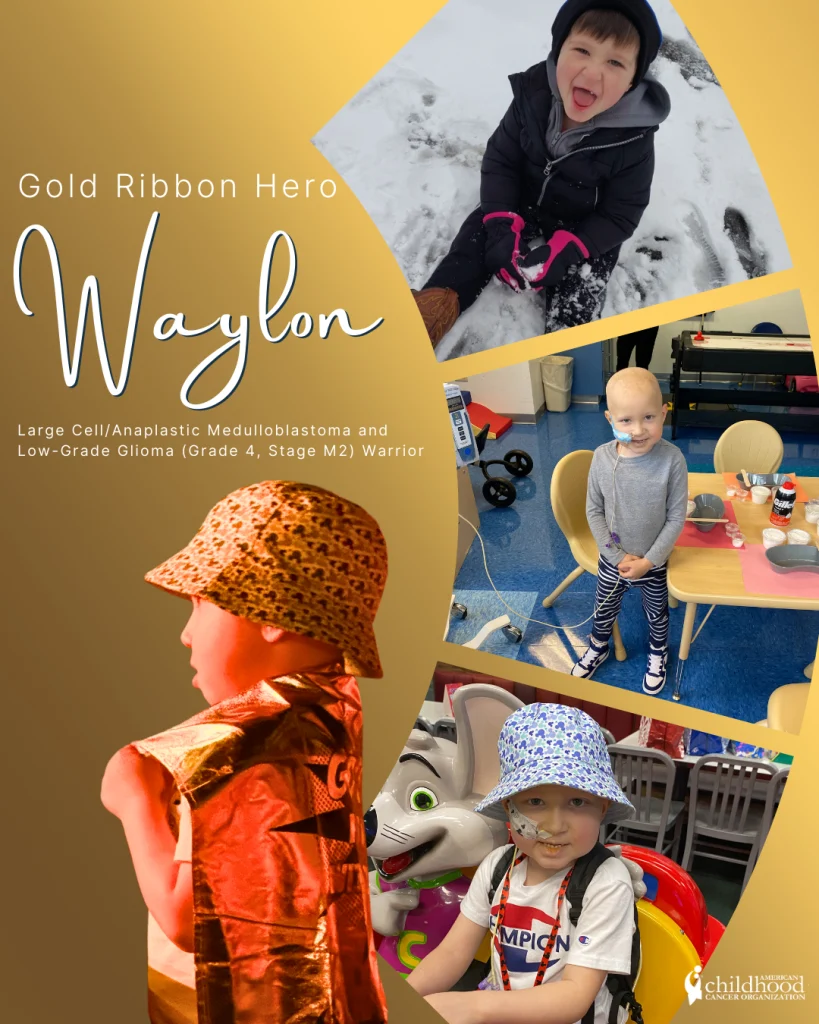
The intersection of high-stakes medical resilience and community-driven philanthropy took center stage in Nashville, Tennessee, as five-year-old Waylon, a pediatric cancer patient, served as an official ambassador for the Grand Ole Opry Chili Cook-Off. This collaborative event, held in partnership with the American Childhood Cancer Organization (ACCO), highlights the critical need for awareness and research funding for aggressive pediatric brain tumors. Waylon, who was diagnosed in the spring of 2025 with a complex combination of large cell/anaplastic medulloblastoma and low-grade glioma, has become a symbol of the harrowing journey faced by thousands of families annually. His participation in the Nashville fundraiser provided a public face to the clinical realities of Grade 4, Stage M2 brain cancer, transitioning his story from a private family struggle to a platform for advocacy within the country music capital’s most iconic institution.
The Clinical Chronology: From Symptom Onset to Diagnosis
The medical trajectory for Waylon began with subtle but increasingly concerning physiological changes that are often difficult to distinguish from common childhood ailments. In early 2025, Waylon began experiencing persistent headaches, frequent vomiting, and noticeable issues with physical balance. These symptoms are hallmark indicators of increased intracranial pressure, a common secondary effect of pediatric brain tumors. For many families, the period between the onset of symptoms and a definitive diagnosis is characterized by diagnostic uncertainty, yet the rapid progression of Waylon’s condition necessitated urgent neurological intervention.
On April 24, 2025, the family received a diagnosis that would fundamentally alter their lives. Clinical imaging and subsequent biopsies confirmed the presence of large cell/anaplastic medulloblastoma, alongside a low-grade glioma. The medulloblastoma was classified as Grade 4, the most aggressive tier of brain tumors, and Stage M2, indicating that the malignancy had spread beyond the primary tumor site to the cerebellar or cerebral subarachnoid space. Kayla, Waylon’s mother, described the moment of diagnosis as a total upheaval of their reality, stating that the family’s "whole world was turned upside down" by the news. This diagnosis set in motion a rigorous and multifaceted treatment protocol designed to combat one of the most challenging forms of pediatric oncology.
Understanding the Pathology: Medulloblastoma and Glioma
To understand the severity of Waylon’s condition, it is necessary to examine the specific pathology of his diagnosis. Medulloblastoma is the most common malignant brain tumor found in children, originating in the cerebellum—the part of the brain responsible for muscle coordination, balance, and complex motor functions. The "large cell/anaplastic" variant is a particularly high-risk subgroup. Pathologically, this subtype is characterized by cells with large, irregular nuclei and a high rate of cellular division, making it more resistant to standard therapies than other forms of medulloblastoma.
The Stage M2 designation is a critical component of the Chang staging system used for these tumors. In Stage M2, gross nodular tumor seeds are found in the cerebellar and/or cerebral subarachnoid space or in the third or fourth ventricles. This indicates a metastatic process within the central nervous system, requiring systemic and localized treatment strategies. Furthermore, the presence of a low-grade glioma—a tumor arising from glial cells—alongside the aggressive medulloblastoma creates a complex clinical picture that requires precise oncological management to balance the aggressive treatment needed for the Grade 4 tumor with the long-term monitoring of the low-grade lesion.
The Treatment Regimen: Surgeries, Radiation, and Chemotherapy
Following the April diagnosis, Waylon’s medical team initiated a comprehensive treatment plan that utilized the three primary pillars of oncology: surgery, radiation, and chemotherapy. The first phase involved two significant brain surgeries aimed at tumor resection. The primary goal of such surgeries is to remove as much of the tumor mass as possible to relieve intracranial pressure and reduce the "tumor burden" before beginning adjuvant therapies. Given the sensitive location of these tumors near the brainstem and cerebellum, these procedures carry significant risks and require immense surgical precision.
Once the surgical phase was stabilized, Waylon transitioned into radiation therapy. Radiation is a standard component of treatment for medulloblastoma in children over the age of three, designed to target any remaining microscopic cancer cells in the brain and spinal canal. Following the completion of his radiation rounds, Waylon moved into an intensive chemotherapy protocol. As of the latest reports, he has completed 33 of the 37 scheduled rounds of chemotherapy. This stage of treatment is often the most physically taxing, as the high-dose cytotoxic drugs used to kill cancer cells also impact healthy rapidly-dividing cells, leading to side effects that require constant supportive care and monitoring.
The Grand Ole Opry Chili Cook-Off: A Platform for Awareness
Amidst the rigors of clinical treatment, the Grand Ole Opry in Nashville served as a venue for a different kind of support. The Grand Ole Opry Chili Cook-Off is an annual event that leverages the cultural influence of the Opry to raise funds for childhood cancer research and family support services. By featuring Waylon as an ambassador, the event bridged the gap between the clinical reality of pediatric cancer and the community’s capacity for philanthropic action.
Waylon and his family were granted a comprehensive experience at the facility, including a tour of the historic Opry House and a seat at the employee chili cook-off. For pediatric patients, these "ambassador" roles serve a dual purpose: they provide a much-needed reprieve from the hospital environment and humanize the statistics for donors and corporate partners. The partnership between the Grand Ole Opry and the ACCO highlights a growing trend in corporate social responsibility where major entertainment entities utilize their platforms to amplify the voices of those affected by rare diseases.
Supporting Data: The Landscape of Pediatric Cancer Funding
The necessity of events like the Nashville fundraiser is underscored by the current state of pediatric cancer funding in the United States. While childhood cancer is the leading cause of death by disease for children past infancy, it receives a disproportionately small fraction of federal research funding. According to data from the National Cancer Institute (NCI), only approximately 4% of the federal budget for cancer research is dedicated specifically to pediatric cancers.
This funding gap places a heavy burden on private organizations like the ACCO to fill the void. Brain tumors, such as the medulloblastoma Waylon is fighting, are particularly expensive to research and treat due to the complexity of the blood-brain barrier and the long-term rehabilitative needs of survivors. Data suggests that even when successful, the "cure" for pediatric brain cancer often comes with late-stage effects, including cognitive impairment, endocrine issues, and secondary malignancies, necessitating a lifetime of specialized medical care.
Official Responses and Community Impact
While specific statements from the Grand Ole Opry management emphasize their commitment to local and national causes, the broader response from the pediatric oncology community emphasizes the importance of visibility. Representatives from the ACCO have long argued that public awareness is the first step toward policy change and increased research appropriations. By bringing a five-year-old "warrior" like Waylon into the spotlight, the organization aims to catalyze a sense of urgency among the public.
The impact on the family, while emotionally taxing, often provides a sense of purpose during a period of perceived powerlessness. Kayla’s participation in the event and her willingness to share Waylon’s story contribute to a larger narrative of "resilience-based advocacy." This approach focuses not just on the tragedy of the diagnosis, but on the strength of the patient and the collective responsibility of the community to support those in the midst of a medical crisis.
Broader Implications and Future Outlook
Waylon’s journey is far from over, but his progress through 33 rounds of chemotherapy and two major surgeries represents a significant milestone in his clinical path. The broader implications of his story reflect the current state of pediatric oncology: a field marked by incredible scientific advancement but hampered by a lack of resources and the sheer aggression of certain tumor subtypes.
As Waylon nears the completion of his 37-round chemotherapy cycle, his medical team will likely transition into a phase of "surveillance," involving frequent MRI scans and neurological assessments to monitor for recurrence. For the medical community, Waylon’s case provides valuable data on the efficacy of combined treatment modalities for M2-stage medulloblastoma. For the public, his story serves as a reminder that the "Gold Ribbon"—the symbol for childhood cancer—represents real children and families navigating the limits of modern medicine.
The success of the Grand Ole Opry fundraiser serves as a blueprint for how cultural institutions can integrate philanthropy into their operational identity. By moving beyond simple monetary donations to include immersive experiences for patients and their families, these organizations foster a deeper connection between the community and the causes they support. As Waylon continues his fight, the awareness generated in Nashville remains a critical component of the ongoing effort to ensure that one day, a diagnosis of Grade 4 medulloblastoma is no longer a world-shattering event, but a manageable and curable condition.
