
 By admin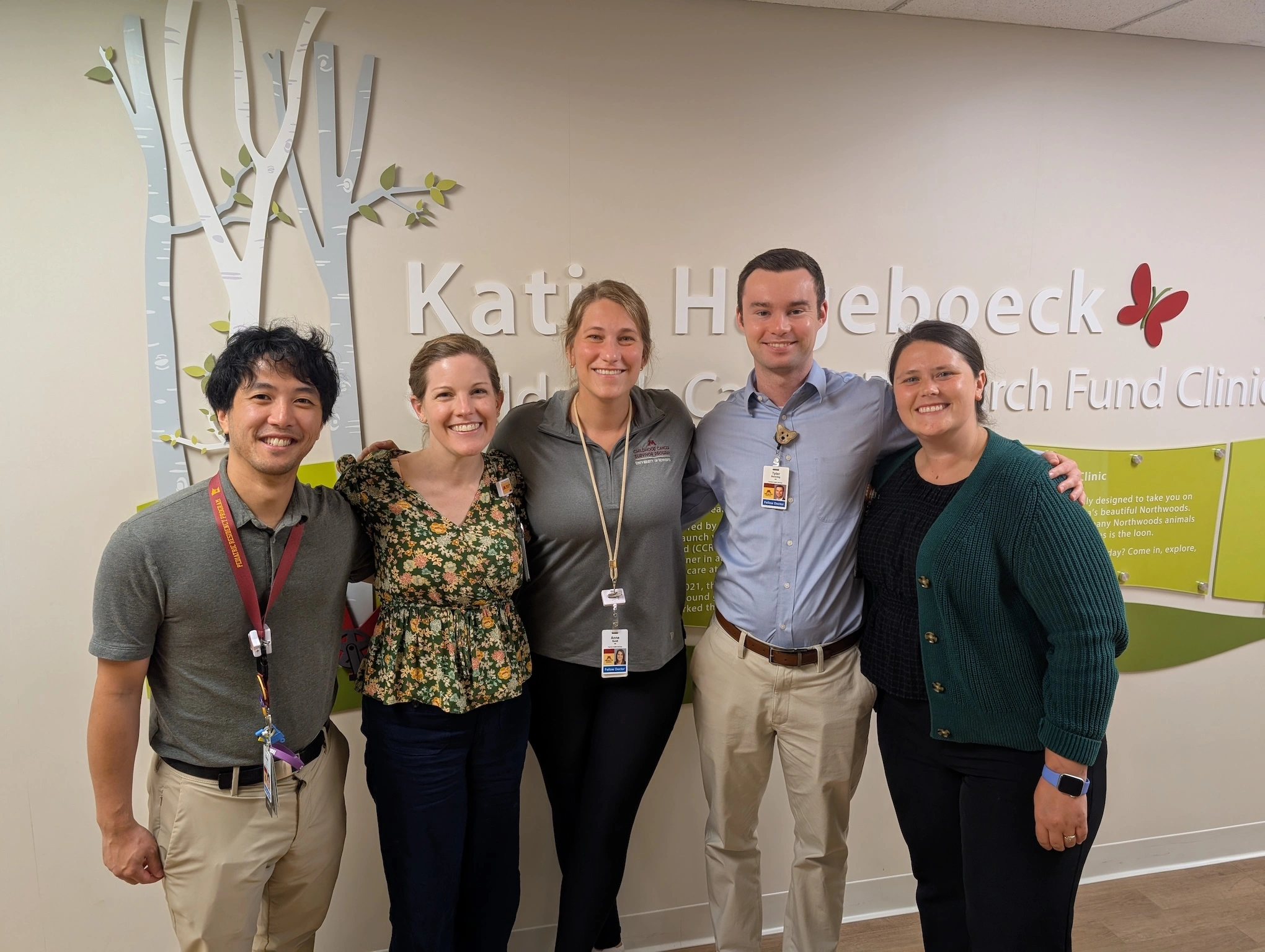
The Children’s Cancer Research Fund (CCRF) has formalized a landmark 10-year funding commitment to the Pediatric Hematology/Oncology Fellowship Program at the University of Minnesota, a strategic move designed to combat a burgeoning national shortage of pediatric oncology specialists. This decade-long pledge ensures the continued cultivation of elite clinician-researchers at a pivotal moment in pediatric medicine, where the success of modern treatments has created an unprecedented demand for specialized, long-term survivorship care. As the complexity of childhood cancer treatment evolves toward personalized medicine and immunotherapy, the necessity of a robust pipeline of highly trained experts has moved from a professional preference to a public health imperative.
The Intersection of Survival and Scarcity
The landscape of pediatric oncology is currently defined by a profound paradox: while survival rates for childhood cancers have reached historic highs, the workforce required to manage these survivors and innovate new cures is facing a critical bottleneck. According to data from the American Board of Pediatrics, the number of medical residents entering pediatric subspecialties has not kept pace with the growing patient population. This is particularly concerning given that more than 85% of children diagnosed with cancer now survive at least five years, compared to just 10% in the 1950s.
These survivors, however, do not simply leave the medical system upon reaching remission. Many face "late effects" of their treatment—including cardiovascular issues, secondary malignancies, and endocrine disorders—that require lifelong monitoring by specialists who understand the unique physiological impact of pediatric-specific therapies. The CCRF’s investment in the University of Minnesota’s fellowship program directly addresses this gap by subsidizing the rigorous, multi-year training required to produce doctors who are equally proficient in the clinic and the laboratory.
A Legacy of Academic Excellence and Innovation
For more than four decades, the Children’s Cancer Research Fund has served as a foundational pillar for pediatric medical education. Since its inception, the organization has prioritized the support of graduate research fellows who are preparing for careers in academic medicine. Academic medicine is a distinct branch of healthcare that focuses on the "bench-to-bedside" approach—taking discoveries made in a laboratory environment and translating them into tangible treatments for patients in a clinical setting.
The University of Minnesota has long been a global leader in this field, particularly in the realms of blood and marrow transplantation and cellular therapy. By anchoring this 10-year commitment at such a prestigious institution, CCRF ensures that fellows have access to world-class infrastructure and a high-volume patient base. The program’s curriculum is meticulously designed to bridge the gap between traditional oncology and the cutting-edge biotechnologies that are currently reshaping the field.
The Evolution of the Fellowship Curriculum
The CCRF Pediatric Hematology/Oncology Fellowship Program is not a traditional medical residency; it is a specialized, multi-year intensive that equips emerging doctors with a dual-threat skill set. Under the mentorship of senior faculty, fellows engage in a curriculum that balances high-stakes patient care with sophisticated genomic and proteomic research.
Breakthroughs in Cellular and Gene Therapy
A primary focus of the current fellowship training involves innovations such as CAR T-cell therapy and gene therapy. CAR T-cell therapy involves extracting a patient’s own immune cells, genetically engineering them to recognize and attack cancer cells, and reintroducing them into the body. This "living drug" approach has revolutionized the treatment of refractory leukemia and lymphoma. Fellows in the CCRF-funded program are not merely observers of these treatments; they are active participants in the clinical trials and laboratory adjustments that refine these therapies for broader use.
Expanding the Scope: Bioethics and Health Equity
Reflecting the modern realities of the American healthcare system, the most recent class of CCRF fellows has expanded its research footprint beyond biological sciences to include social and ethical dimensions of care. This includes:
- Bioethics: Navigating the complex moral landscape of experimental therapies and end-of-life care for pediatric patients.
- Prognosis Communication: Developing evidence-based methods for communicating difficult news to families, ensuring that parents are empowered to make informed decisions for their children.
- Health Equity: Analyzing data to identify and eliminate disparities in cancer outcomes based on race, socioeconomic status, or geographic location.
Financial Realities and the Importance of Philanthropic Support
The financial burden of medical education and specialized fellowship training is a significant deterrent for many young physicians. Pediatric subspecialists often face a "compensation gap" compared to their counterparts in adult oncology or surgical specialties, despite having equal or greater levels of student debt. By providing a stable, 10-year funding stream, CCRF mitigates the financial uncertainty that can prevent talented doctors from pursuing academic research careers.
Philanthropic support is particularly vital because federal funding, such as that provided by the National Institutes of Health (NIH), is increasingly competitive and often directed toward established researchers with decades of data. CCRF’s fellowship funding acts as "seed capital," allowing young researchers to conduct the preliminary studies necessary to eventually qualify for larger federal grants. This creates a sustainable cycle of innovation that keeps the University of Minnesota at the forefront of the global fight against childhood cancer.
Chronology of Progress: Four Decades of CCRF Support
The 10-year commitment is the latest chapter in a long history of strategic investment by the Children’s Cancer Research Fund.
- 1981–1990: CCRF establishes its initial partnership with the University of Minnesota, focusing on bone marrow transplant research following the success of the world’s first successful bone marrow transplant performed at the university years prior.
- 1991–2005: The fellowship program expands to include advanced molecular biology, as researchers begin to identify the specific genetic mutations that drive childhood cancers.
- 2006–2020: The focus shifts toward "targeted therapies" and reducing the toxicity of traditional treatments like chemotherapy and radiation. The number of alumni from the fellowship program grows, with many taking leadership positions at major cancer centers across North America.
- 2021–Present: The announcement of the 10-year commitment signals a move toward long-term stability and a focus on cellular engineering and survivorship care.
Inferred Industry Reaction and Academic Significance
While official statements from the University of Minnesota emphasize the gratitude of the medical community, the broader academic reaction underscores the strategic importance of such long-term pledges. Institutional stability allows for the recruitment of top-tier talent from across the globe. When a fellowship program can guarantee resources for a decade, it becomes a magnet for the brightest minds in medicine who are looking for a secure environment to conduct high-risk, high-reward research.
Medical analysts suggest that this type of sustained funding is exactly what is needed to prevent "brain drain" in pediatric research. Without dedicated fellowship funding, many young doctors might be forced into private practice or adult-focused specialties where the financial incentives are higher, leaving the field of pediatric oncology understaffed.
Broader Impact: Shaping the Future of Pediatric Oncology
The impact of the CCRF Fellowship Program extends far beyond the borders of the University of Minnesota. Alumni of this program are currently driving breakthroughs in every major pediatric hospital in the United States. They serve as department chairs, lead national clinical trials, and publish foundational research that sets the standard of care for hospitals worldwide.
By funding the training of these individuals, CCRF donors are effectively "multiplying" their impact. One fellow trained today may treat thousands of children over a 30-year career and mentor dozens of other doctors, creating a ripple effect of healing and discovery.
Furthermore, the focus on clinical innovation ensures that the next generation of doctors is prepared for the "precision medicine" era. As oncology moves away from a one-size-fits-all approach and toward treatments tailored to a child’s specific genetic profile, the need for clinician-researchers who can interpret complex genetic data becomes paramount. The CCRF-funded fellows are being trained to lead this transition, ensuring that the most advanced medical technology is available to the most vulnerable patients.
Conclusion: A Vision for the Next Decade
As the 10-year funding commitment begins, the goal remains clear: to ensure that no child’s life is cut short by cancer and that every survivor can look forward to a healthy future. The partnership between the Children’s Cancer Research Fund and the University of Minnesota represents a proactive solution to a systemic crisis. By investing in human capital—the doctors and scientists of tomorrow—CCRF is ensuring that the pace of medical discovery does not just maintain its current speed but accelerates.
In an era of rapid technological change and shifting healthcare demographics, the CCRF Pediatric Hematology/Oncology Fellowship Program stands as a model for how philanthropic organizations can partner with academic institutions to solve the most pressing challenges in modern medicine. The next decade of funding promises not only to train new specialists but to redefine what is possible in the quest to cure childhood cancer.
