
 By Nana O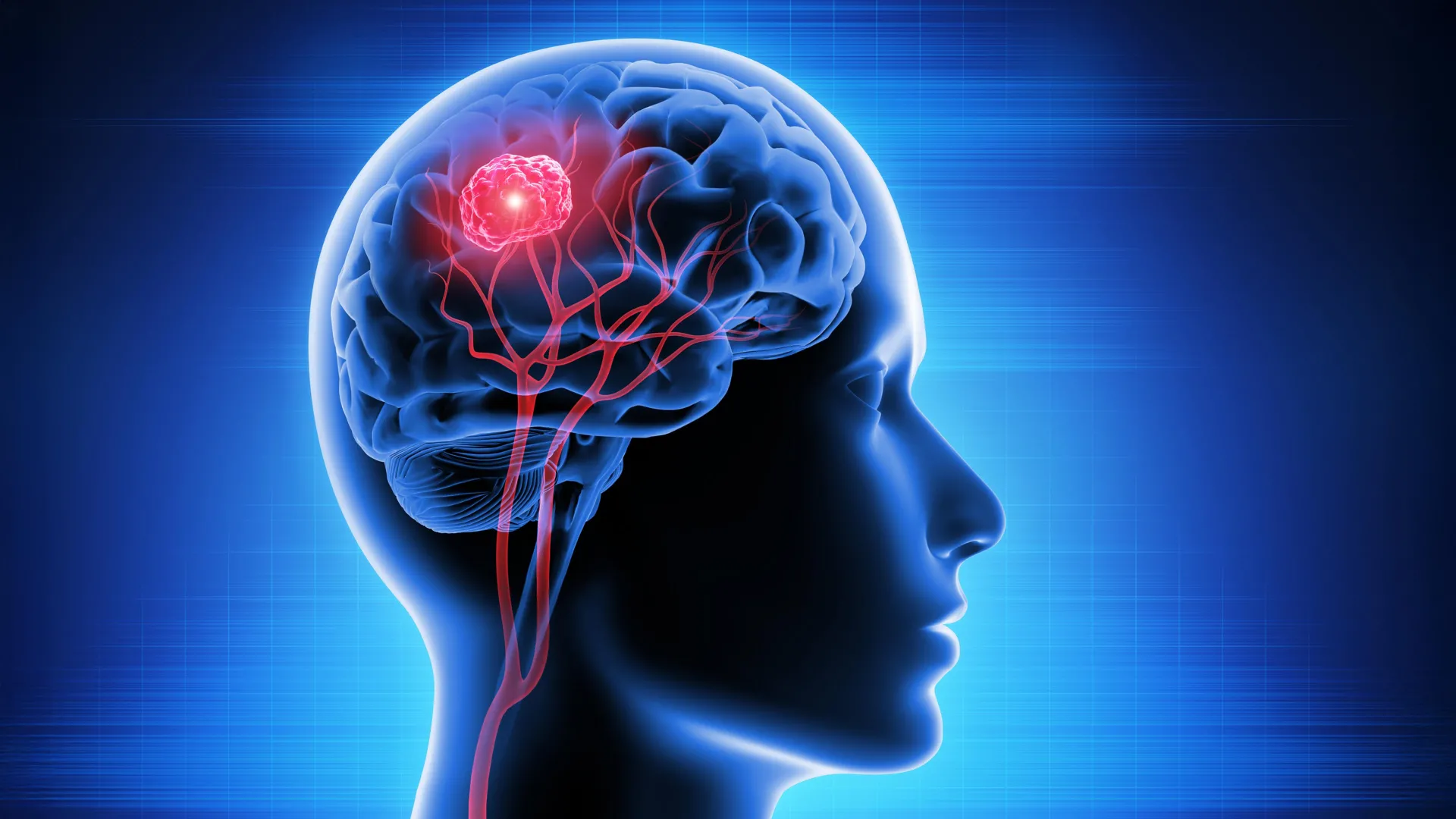
A groundbreaking study published in the esteemed journal Oncoscience has unveiled a promising new therapeutic avenue for glioblastoma, an aggressive and notoriously difficult-to-treat form of brain cancer. The research, spearheaded by a collaborative team from Nitric Oxide Services, LLC and the Cleveland Clinic Foundation Taussig Cancer Center, introduces nitrosylcobalamin (NO-Cbl), a modified form of vitamin B12, as a potential agent capable of overcoming one of the most significant hurdles in brain cancer treatment: the blood-brain barrier (BBB). This innovative approach centers on NO-Cbl’s unique ability to release nitric oxide (NO) and its demonstrated capacity to selectively target and accumulate within glioblastoma tumors.
The Unyielding Challenge of Glioblastoma and the Blood-Brain Barrier
Glioblastoma multiforme (GBM) stands as one of the most formidable and lethal cancers, characterized by its rapid progression and profound resistance to conventional therapies. Despite aggressive multimodal treatment regimens involving surgery, radiation, and chemotherapy, the median survival for patients diagnosed with GBM remains tragically short, typically less than 15 months. A primary impediment to effective drug delivery in brain cancers is the blood-brain barrier, a highly selective physiological barrier that tightly regulates the passage of substances from the bloodstream into the brain parenchyma. This protective mechanism, while essential for maintaining brain health, inadvertently shields brain tumors from many systemically administered therapeutic agents, rendering them less effective.
Pioneering a Vitamin B12-Based Therapy
The research team, with Joseph A. Bauer serving as the first and corresponding author, embarked on a comprehensive investigation into NO-Cbl. Their objective was to ascertain whether this modified vitamin B12 derivative could not only penetrate the BBB but also selectively concentrate within glioblastoma tumor tissues. To achieve this, a multi-faceted experimental strategy was employed. This included rigorous testing of NO-Cbl against a diverse panel of cancer cell lines, specifically the NCI-60 human tumor cell line panel, to assess its broad antitumor potential. Subsequently, pharmacokinetic studies were conducted in rat models bearing glioblastoma tumors to meticulously track the absorption, distribution, metabolism, and excretion of NO-Cbl. Crucially, the researchers also explored the compound’s efficacy in combination with established glioblastoma treatments, such as TRAIL (Tumor Necrosis Factor-Related Apoptosis-Inducing Ligand) and temozolomide, using human glioblastoma cell lines.
Broad Antitumor Activity and Central Nervous System Sensitivity
The initial screening across the NCI-60 cell line panel revealed that NO-Cbl exhibits significant antitumor activity across a wide spectrum of cancer types. This broad efficacy suggests a fundamental mechanism of action that is broadly applicable to malignant cells. Further analysis within this panel indicated that tumor cells originating from the central nervous system, including those representative of brain cancers, demonstrated a moderate but notable sensitivity to NO-Cbl treatment. This finding was particularly encouraging, hinting at the compound’s potential relevance for brain tumor therapeutics.
Navigating the Blood-Brain Barrier: A Critical Breakthrough
The most compelling findings emerged from the animal experiments, where NO-Cbl’s ability to traverse the BBB was definitively demonstrated. Following systemic administration, NO-Cbl was observed to successfully cross this formidable barrier and, more significantly, to accumulate preferentially within the glioblastoma tumor tissue. This selective accumulation is a crucial attribute, as it suggests that the therapeutic agent is delivered directly to the site of disease, minimizing potential off-target effects on healthy brain tissue.
Furthermore, the study provided compelling evidence that NO-Cbl remains biologically active within tumors for an extended duration. Nitrate levels, a marker of nitric oxide release, were found to remain elevated in tumor tissue for at least 24 hours post-treatment. In stark contrast, nitrate levels in normal brain tissues exhibited a more rapid decline. This differential retention pattern strongly suggests that NO-Cbl is retained within the tumor microenvironment, enabling sustained release of nitric oxide directly to the cancer cells and their surrounding stroma. Figures 2 and 3 of the Oncoscience publication visually support this observation, depicting sustained levels of nitrate and cobalamin-related metabolites in brain tumor tissue compared to other organs, underscoring the selective accumulation of NO-Cbl in glioblastoma.
Synergistic Enhancement of Existing Glioblastoma Therapies
Beyond its intrinsic antitumor activity and targeted delivery capabilities, the research also investigated the potential of NO-Cbl to potentiate the efficacy of current standard-of-care treatments for glioblastoma. In laboratory studies utilizing well-established human glioblastoma cell lines, such as U87 and D54, the combination of NO-Cbl with either TRAIL or temozolomide resulted in a significantly more potent suppression of tumor cell growth than any of the agents achieved when used individually. This potentiation was not merely additive; additional analyses confirmed synergistic interactions across multiple dose ranges, indicating that the combined therapies are more effective than the sum of their parts. This synergistic effect is a highly desirable characteristic in cancer treatment, as it can potentially allow for lower doses of individual drugs, thereby reducing toxicity, and can overcome resistance mechanisms.
The lead author, Joseph A. Bauer, summarized the critical findings: "This pilot study demonstrates that NO-Cbl crosses the BBB, accumulates selectively in brain tumor tissue, and synergizes with established and experimental glioblastoma therapies." This concise statement encapsulates the core achievements of the research, highlighting the compound’s multifaceted therapeutic potential.
Addressing Treatment Resistance: A New Hope
The authors propose that NO-Cbl may also offer a novel strategy to combat the intrinsic and acquired resistance mechanisms that allow glioblastoma tumors to evade treatment. Drawing upon prior research, the paper outlines how NO-Cbl can influence key cellular pathways involved in cancer cell survival and apoptosis. Specifically, NO-Cbl has been shown to promote apoptosis (programmed cell death) through the activation of caspase-8, a critical executioner enzyme in the apoptotic cascade. Furthermore, it can suppress NF-κB survival signaling, a pathway frequently dysregulated in cancers to promote cell proliferation and inhibit apoptosis. Additionally, NO-Cbl can enhance TRAIL receptor signaling via S-nitrosylation, a post-translational modification that can modulate protein function. Collectively, these mechanisms could render glioblastoma cells more susceptible to therapeutic intervention, including those that have developed resistance to temozolomide, a cornerstone of GBM chemotherapy.
Looking Ahead: The Path to Clinical Application
The researchers emphasize that these findings represent the outcome of a pilot translational study. While highly encouraging, they underscore the necessity for extensive further research before NO-Cbl can be considered for clinical use in patients. Future research endeavors are slated to focus on several critical areas. These include orthotopic validation, which involves implanting human tumor cells into the brain of animal models to more accurately mimic the human disease environment. Optimizing dosing strategies for NO-Cbl will be paramount to maximizing therapeutic benefit while minimizing any potential adverse effects. Long-term tracking of nitric oxide activity within the tumor microenvironment will provide deeper insights into the sustained therapeutic impact. Furthermore, investigating the underlying molecular mechanisms in a broader array of central nervous system tumor models will be crucial to understand the full scope of NO-Cbl’s applicability.
Broader Implications and Future Directions in Neuro-Oncology
In summation, the findings from this study provide compelling early evidence that a cobalamin-based nitric oxide donor, such as NO-Cbl, holds significant promise as a novel therapeutic strategy for glioblastoma. By successfully addressing the critical challenge of blood-brain barrier penetration, exhibiting selective tumor targeting, and demonstrating synergistic activity with existing therapies, NO-Cbl has the potential to revolutionize drug delivery to the brain and to combat treatment resistance in one of the most devastating cancers encountered in neuro-oncology. This research opens a new frontier in the quest for more effective treatments for glioblastoma, offering a glimmer of hope for patients facing this dire diagnosis. The successful translation of this research from the laboratory bench to the patient’s bedside could represent a significant leap forward in improving outcomes for individuals battling this aggressive brain tumor.
