
 By admin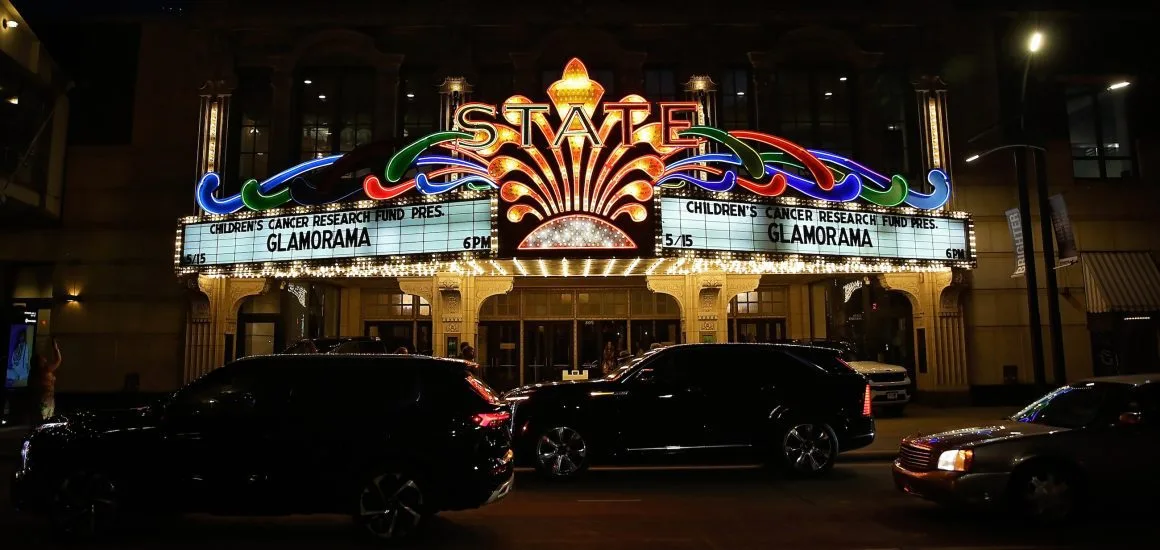
The lights of the historic State Theatre in Minneapolis once again signaled the return of a cultural cornerstone as Glamorama made its highly anticipated comeback to the Twin Cities following a twelve-year absence. The event, which historically served as the pinnacle of the local fashion calendar, was reimagined not merely as a runway show but as a high-production philanthropic engine dedicated to supporting the Children’s Cancer Research Fund (CCRF). By transforming the theater into a multi-sensory environment of haute couture and live performance, organizers sought to bridge the gap between the event’s glamorous legacy and its contemporary mission of funding life-saving pediatric oncology research.
The resurgence of Glamorama marks a significant moment for both the Minneapolis arts community and the regional non-profit sector. For decades, the event was synonymous with the retail dominance of Dayton’s and later Macy’s, serving as a high-profile tour that brought international fashion trends to the Midwest. Its hiatus, beginning after the final local production in 2012, left a void in the city’s social and charitable landscape. The 2024 revival signifies a strategic pivot toward community-led, vision-driven fundraising that prioritizes local designers, regional businesses, and the direct stories of the families served by CCRF.
A Legacy Reimagined Through Childhood Imagination
At the heart of the evening’s creative direction was a shift from traditional retail-focused modeling to a narrative-driven experience. Grant Whittaker, a longtime champion of both Glamorama and the Children’s Cancer Research Fund, served as the visionary director for the production. Whittaker’s approach was grounded in the lived experiences of five pediatric cancer patients—Fritz, Isaac, Valerie, Anikah, and Alice—whose personal stories and imaginative worlds provided the thematic framework for the evening’s various segments.
During the opening remarks, CCRF Chief Development Officer Kenna Dooley emphasized that the evening was designed to honor these children by bringing their inner worlds to life. This creative choice served to humanize the clinical reality of cancer research, transforming abstract medical needs into tangible, vibrant displays of fashion and choreography. By centering the production on the imaginations of the children, the event successfully navigated the delicate balance between the celebration of high fashion and the solemnity of its underlying cause.
The production elements were characterized by "immersive fashion experiences," a departure from the static runway formats of the past. Guests were treated to a spectacle defined by vibrant color palettes, rich textures, and intricate choreography that moved beyond the stage and into the audience. This immersive approach was intended to mirror the chaotic yet resilient nature of the childhood imagination, offering a poignant reminder of the lives that the Children’s Cancer Research Fund strives to protect.
The Musical Powerhouse: A Return to Iconic House Roots
To amplify the energy of the fashion segments, the production featured a lineup of house music legends whose careers peaked during the original heyday of Glamorama in the 1990s. CeCe Peniston, Crystal Waters, and Robin S provided the sonic backdrop for the evening, delivering electrifying performances that resonated with longtime patrons of the event while introducing a new generation to the "diva house" genre.
The inclusion of these specific artists was a deliberate nod to Glamorama’s nostalgic past. CeCe Peniston, known for the 1991 hit "Finally," and Crystal Waters, famous for "Gypsy Woman (She’s Homeless)," represent a period when fashion and club culture were deeply intertwined in Minneapolis. Robin S, whose track "Show Me Love" remains a definitive anthem of the era, further cemented the event’s connection to its roots. These performances served as a catalyst for the evening’s momentum, driving the audience’s engagement and reinforcing the "unforgettable fashion" narrative that organizers aimed to establish.
The Economic and Social Context of Pediatric Cancer Research
The return of Glamorama comes at a critical time for pediatric oncology. While overall cancer survival rates have improved significantly over the last several decades, childhood cancer remains the leading cause of death by disease for children in the United States. According to data from the National Cancer Institute, while approximately 85% of children diagnosed with cancer now survive five years or more, the long-term health effects of traditional treatments—such as chemotherapy and radiation—can be devastating to developing bodies.
The Children’s Cancer Research Fund plays a vital role in addressing these challenges by funding innovative research that specifically targets the unique biology of childhood cancers. Federal funding for cancer research often prioritizes adult cancers due to the higher volume of cases, leaving pediatric research heavily dependent on private philanthropy and events like Glamorama. Since its inception in 1981, CCRF has contributed over $200 million to research, education, and family support services. The funds raised during the 2024 Glamorama return are slated to support clinical trials, the development of less toxic treatments, and survivorship programs designed to help children thrive after their initial battle with the disease.
Elizabeth Allen, CEO of the Children’s Cancer Research Fund, noted that the event’s impact extends far beyond the financial contributions of a single night. Allen remarked that Glamorama serves as a gateway for the community to enter the organization’s mission, sparking meaningful connections and building a sustainable base of support for future research initiatives. In a philanthropic landscape that is increasingly digital and fragmented, high-impact live events like Glamorama provide a rare opportunity for collective action and visibility.
Collaborative Support and Local Business Synergy
The success of Glamorama’s return was bolstered by a diverse coalition of sponsors and partners, reflecting a cross-section of the Twin Cities’ retail and corporate community. Key segment and event sponsors included local staples such as 50th and France, Grethen House, and Fashion Avenue. These partnerships highlighted the strength of the Minneapolis fashion ecosystem, showcasing high-end local retail alongside national brands.
Other notable contributors included Kowalski’s, Landscape Structures, Martha Dayton Design, and MartinPatrick 3, the latter of which has become a cornerstone of North Loop retail and a frequent collaborator in the city’s most prestigious social events. Support also came from Opitz, Odele, and Park Chrysler Jeep, demonstrating a broad spectrum of corporate backing that transcends the fashion industry.
The logistical execution of the event relied on a massive coordination effort involving designers, volunteers, crew members, and talent. This collaborative spirit was essential in transforming the State Theatre into a venue capable of hosting a production of this magnitude. The involvement of these various entities underscores the event’s role as a community-wide endeavor, rather than a solitary corporate project.
Analysis of Implications for the Twin Cities Arts Scene
The revival of Glamorama at the State Theatre is indicative of a broader trend in the revitalization of downtown Minneapolis. Following several years of economic and social challenges, the return of a high-profile, "sell-out" style event to the Hennepin Theatre District serves as a positive indicator for the city’s cultural health. It demonstrates that there is still a significant appetite for large-scale, in-person experiences that combine entertainment with social purpose.
Furthermore, the event’s evolution from a department store promotion to a non-profit-led gala reflects a shift in how luxury events are structured in the 21st century. Today’s consumers and donors increasingly seek "impact-driven" experiences. By aligning the spectacle of Glamorama with the urgent cause of childhood cancer research, organizers have ensured the event’s relevance in a modern context. This model—where high production value meets high social impact—is likely to become the standard for major philanthropic efforts in the region moving forward.
The focus on the "five incredible kids" also points toward a more ethical and person-centered approach to charity. Rather than using the beneficiaries as passive subjects of pity, the production empowered them as the "visionary architects" of the night’s aesthetic. This approach not only dignifies the patients but also creates a more compelling and authentic narrative for the donors in attendance.
Future Outlook and Lasting Momentum
As the final notes of the house music legends faded and the lights dimmed on the State Theatre stage, the conversation quickly turned to the future of Glamorama. The "lasting momentum" mentioned by CEO Elizabeth Allen suggests that this was not intended to be a one-off nostalgia trip, but rather the start of a new chapter for the Children’s Cancer Research Fund’s outreach strategy.
The success of the evening will be measured not only by the immediate dollars raised but by the long-term engagement of the attendees and sponsors. By bringing Glamorama back "in such a meaningful way," the organizers have set a high bar for future iterations. The challenge moving forward will be to maintain the creative freshness and emotional resonance that defined this year’s return while continuing to adapt to the evolving needs of pediatric cancer research.
In conclusion, the return of Glamorama to Minneapolis represents a harmonious intersection of history, art, and philanthropy. It honored the iconic past of the Twin Cities fashion scene while firmly planting a flag for the future of childhood cancer advocacy. Through the visionary direction of Grant Whittaker and the unwavering support of the community, the event proved that fashion can be a powerful force for change, transforming a night of glamour into a lifetime of hope for children and families facing the toughest battles of their lives.
