
 By Budi Oetomo Narendra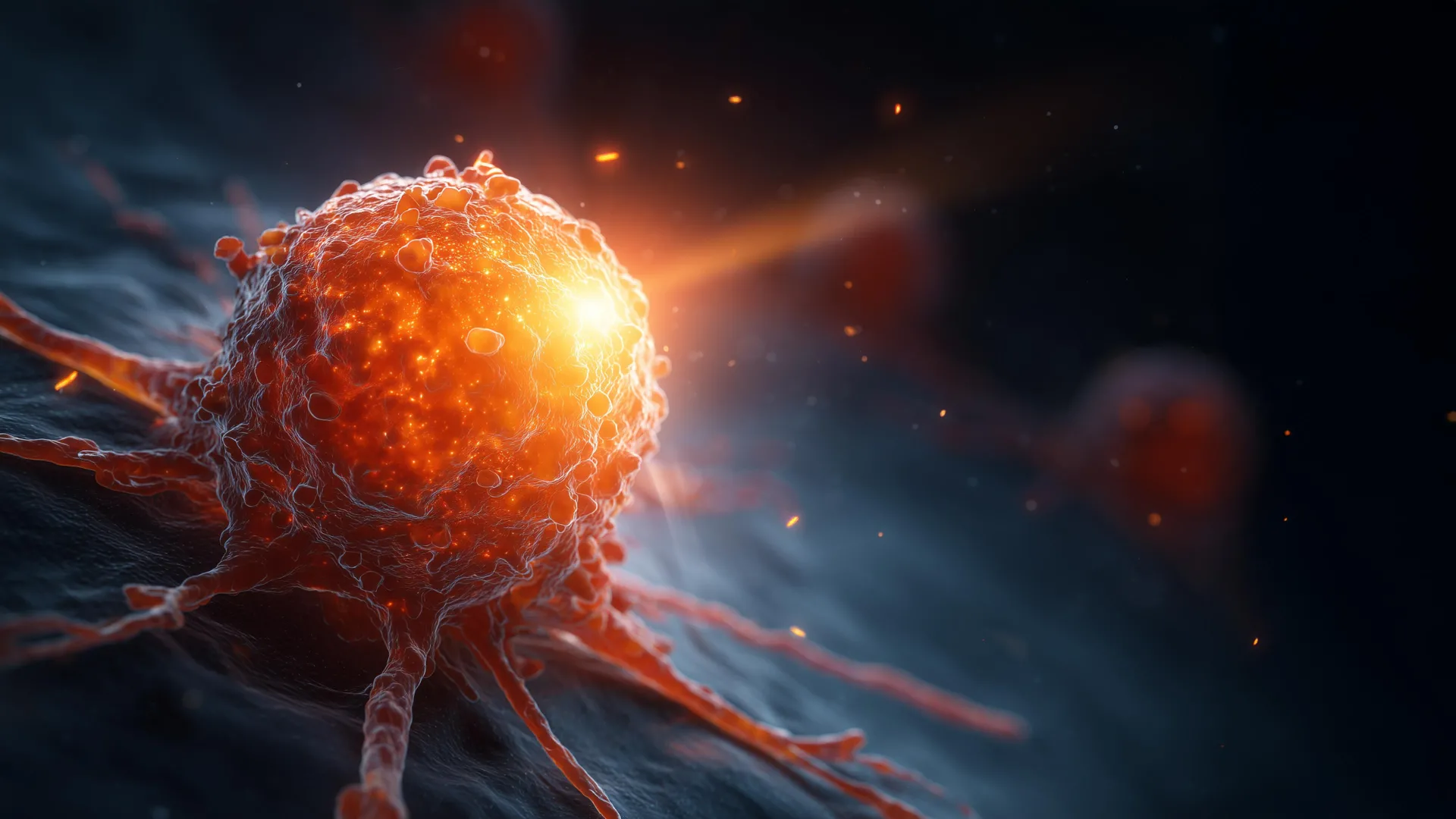
Chicago, IL – Researchers at the University of Illinois Chicago (UIC) have announced a significant breakthrough in experimental cancer treatment, developing a novel therapy derived from bacteria that naturally reside within tumors. This innovative approach, detailed in findings published in the journal Signal Transduction and Targeted Therapy, targets the fundamental energy supply of cancer cells, demonstrating striking efficacy in preclinical studies, particularly when combined with radiation treatment for prostate cancer. The therapy, built around a small fragment of a bacterial protein named aurB, effectively halts tumor growth by disrupting mitochondrial energy production, thereby starving cancer cells of the essential fuel required for their aggressive proliferation.
The discovery represents a pivotal shift in therapeutic strategy, moving beyond traditional targets and offering a potentially broad-reaching solution for a range of cancers, including those that are notoriously difficult to treat due to common genetic mutations. At its core, this research capitalizes on the intricate relationship between tumors and the microbial communities they harbor, transforming a previously overlooked aspect of cancer biology into a powerful therapeutic avenue.
Targeting Cancer’s Powerhouses: The Mitochondrial Vulnerability
Central to this new treatment’s mechanism is its assault on tumor cell mitochondria, often referred to as the "energy factories" of a cell. "The mitochondria are very important for a cell to survive; they are the energy factories," explained Tohru Yamada, senior author of the study, associate professor in the departments of surgery and biomedical engineering at UIC, and a distinguished member of the University of Illinois Cancer Center. He further elaborated on the unique metabolic demands of cancer: "Many cancer cells exhibit altered mitochondrial number and activity, because a cancer cell has to grow aggressively and rapidly. Therefore, the mitochondria would be an ideal target for cancer therapy."
Cancer cells, unlike healthy cells, exhibit a phenomenon known as the Warburg effect, where they preferentially utilize glycolysis for energy production even in the presence of oxygen. However, mitochondria remain crucial for various metabolic pathways, biosynthesis, and overall cellular survival, especially in rapidly dividing and highly metastatic cancer cells. By disrupting the mitochondria’s ability to generate adenosine triphosphate (ATP) – the primary energy currency of the cell – aurB effectively starves the tumor, hindering its growth and survival. This targeted approach promises to be highly effective, exploiting a fundamental vulnerability inherent in the hyperactive metabolism of malignant cells.
A Deeper Dive into the Tumor Microenvironment and Microbial Therapeutics
The concept of leveraging bacteria for therapeutic purposes is not entirely new, with historical precedents ranging from ancient practices to modern applications like fecal microbiota transplantation. However, the specific exploration of bacteria within tumors, known as the tumor microenvironment (TME), represents a burgeoning field of oncology. Scientists have long acknowledged that tumors are complex ecosystems, comprising not only cancer cells but also immune cells, fibroblasts, blood vessels, and an extracellular matrix. More recently, the presence of diverse microbial communities, including bacteria, fungi, and viruses, within the TME has garnered significant attention. These microbes can influence tumor initiation, progression, metastasis, and even resistance to therapy.
The current research by Dr. Yamada’s laboratory builds upon years of dedicated investigation into these microbial inhabitants. Earlier work by his team had successfully identified a bacterial protein known as a cupredoxin capable of suppressing tumor growth. Cupredoxins are a class of copper-containing proteins known for their crucial role in electron transfer processes within biological systems. Based on this prior discovery, the team had developed a peptide drug and subjected it to extensive testing, including clinical trials involving adult patients and studies focused on brain cancer in children. While promising, the effectiveness of that initial peptide was found to be contingent on the function of a specific gene called p53.
Overcoming the p53 Hurdle: Towards Broader Applicability
The p53 gene is often dubbed the "guardian of the genome" due to its critical role in preventing cancer formation. It functions as a tumor suppressor, initiating cell cycle arrest, DNA repair, or apoptosis (programmed cell death) in response to cellular stress or DNA damage. Unfortunately, p53 is one of the most frequently mutated genes in human cancers, with mutations occurring in approximately 50% of all tumor types. These mutations often render p53 inactive, allowing damaged cells to proliferate unchecked and contributing to therapeutic resistance.
The reliance of the previous cupredoxin-derived peptide on a functional p53 gene presented a significant challenge. "Because p53 is frequently mutated in cancer patients, and because those mutations vary from person to person, the treatment may work well for some patients but not others," Dr. Yamada explained. This variability underscored the urgent need for a therapeutic agent that could bypass the p53 pathway, thereby offering a more universally applicable treatment option. "We wanted to have an anti-cancer agent that doesn’t use the p53 function," Yamada affirmed, setting the stage for the current groundbreaking research.
The Genesis of AurB: A New Paradigm for p53-Independent Therapy
To achieve their goal of a p53-independent anticancer agent, the UIC researchers embarked on a meticulous search for a bacterial protein that could directly influence mitochondrial function. Their extensive investigation led them to another class of cupredoxin proteins.
The process began with the analysis of tumor samples obtained from breast cancer patients. Employing advanced DNA sequencing techniques, the team meticulously identified and cataloged the diverse bacterial species inhabiting these tumors. Among the myriad of identified microbes, one particular bacterial species captured their attention. This species harbored a specific cupredoxin protein known as auracyanin, which exhibited functional similarities to the previously studied p53-dependent cupredoxin but with distinct characteristics that hinted at a different mechanism of action.
Capitalizing on this crucial discovery, the researchers proceeded to design a novel peptide based on the auracyanin protein, which they subsequently named aurB. Through a series of rigorous laboratory experiments, they uncovered the precise mechanism of aurB’s action. The peptide demonstrated a remarkable ability to penetrate the mitochondria of tumor cells. Once inside, aurB specifically targeted and attached itself to ATP synthase, a multi-protein complex embedded in the inner mitochondrial membrane. ATP synthase is the molecular engine responsible for synthesizing ATP from adenosine diphosphate (ADP) and inorganic phosphate, driven by the electrochemical proton gradient generated across the mitochondrial membrane. By disrupting the function of ATP synthase, aurB effectively crippled the cell’s ability to produce energy, leading to metabolic collapse and ultimately, cell death in cancer cells.
Striking Results in Preclinical Models of Prostate Cancer
The efficacy of aurB was rigorously evaluated in both in vitro (cancer cell lines) and in vivo (mouse models) settings. Crucially, the team specifically tested aurB in cancer cell lines that lacked active p53, directly addressing the limitations of their previous research. The results were compelling.
The most profound impact was observed in mouse models of hormone therapy-resistant prostate cancer. Prostate cancer is a leading cause of cancer-related mortality in men globally, and while initial hormone therapy is often effective, many patients eventually develop resistance, leading to more aggressive and difficult-to-treat forms of the disease. This resistance poses a significant clinical challenge, underscoring the urgent need for novel therapeutic strategies.
When aurB was administered in combination with radiation therapy – one of the established standard treatments for prostate cancer – the results were exceptional. The combination therapy produced a substantial and statistically significant reduction in tumor growth. Importantly, these therapeutic effects were achieved without any signs of significant systemic toxicity, a critical factor for any potential new drug. "The combination significantly enhanced the activity of the peptide and the tumor became much smaller," Dr. Yamada stated. He added, "This approach is promising. Using a well-established tibial bone metastatic model, we demonstrated significant inhibition of tumor growth, preclinically." The use of a tibial bone metastatic model is particularly relevant, as bone metastases are a common and debilitating complication of advanced prostate cancer, often associated with severe pain and reduced quality of life. The ability to inhibit growth in such a challenging model highlights the robust potential of aurB.
The Broader Implications and Future Trajectory
The success of aurB in preclinical studies has far-reaching implications for the field of oncology. Firstly, its p53-independent mechanism addresses a major unmet need in cancer therapy, offering hope for patients whose tumors harbor p53 mutations, which represent a large proportion of cancer cases. Secondly, the strategy of targeting mitochondrial energy production provides a novel and potentially potent therapeutic avenue, distinct from many conventional chemotherapies that often focus on DNA replication or cell division.
The University of Illinois Chicago has recognized the immense potential of aurB and has moved swiftly to secure its intellectual property, with UIC’s Office of Technology Management actively involved in patenting the innovative peptide. This crucial step paves the way for commercial development and eventual clinical translation. The research team is now actively exploring opportunities to advance aurB into human clinical trials, a rigorous multi-phase process that will assess its safety, dosage, and efficacy in patients.
Beyond aurB itself, Dr. Yamada believes this discovery merely scratches the surface of a vast, untapped reservoir of therapeutic potential residing within the microbial world. "There are many other bacterial proteins that could be a source of cancer drugs," Yamada mused. "We simply haven’t tried them yet." This perspective suggests a paradigm shift in drug discovery, moving beyond synthetic chemistry and traditional natural product screening to systematically explore the "unexplored bacterial proteome" as a rich source of novel anticancer agents. The ongoing revolution in genomics and proteomics, coupled with advanced bioinformatics, will undoubtedly accelerate this exploration, allowing researchers to rapidly identify and characterize promising bacterial compounds.
The advent of microbiome-based therapies is a rapidly expanding area of biomedical research. From modulating the gut microbiome to enhance immunotherapy responses to directly employing bacteria as drug delivery vehicles, the therapeutic potential of microbes is being increasingly recognized. The UIC study adds a significant new dimension to this field, demonstrating the power of specific bacterial proteins to directly target fundamental cancer cell vulnerabilities.
Expert Perspectives and the Road Ahead
Experts in the field of oncology and pharmacology are likely to view this research with considerable interest. The focus on mitochondrial energy metabolism is considered a promising strategy due to its fundamental role in cancer cell survival and proliferation. Moreover, the p53-independent nature of aurB is a critical advantage, as it broadens the potential patient population significantly. The synergistic effect observed with radiation therapy is also a key takeaway, as combination therapies often yield superior outcomes and can help overcome drug resistance.
While human clinical trials are still some years away, the preclinical data provides a strong foundation. These trials will involve careful evaluation of aurB’s safety profile in humans (Phase I), followed by assessments of its efficacy in specific cancer types and dosages (Phase II and III). The success of this journey will depend on continued rigorous scientific investigation, robust funding, and collaborative efforts between academic institutions, industry partners, and regulatory bodies.
In summary, the development of aurB by the UIC team represents a compelling advance in the fight against cancer. By harnessing the intricate biochemistry of tumor-dwelling bacteria to specifically disrupt cancer cell energy production in a p53-independent manner, this research offers a novel and promising therapeutic strategy. It not only provides a potential new treatment for challenging cancers like hormone therapy-resistant prostate cancer but also opens vast new avenues for drug discovery, urging the scientific community to look more closely at the microbial world within us for future medical breakthroughs.
Dr. Yamada collaborated with colleagues from the College of Medicine and UI Health, extending gratitude to the Department of Surgery, including Drs. Martin Borhani, Aslam Ejaz, Ajay Rana, Enrico Benedetti, and Tapas K. Das Gupta, whose contributions were instrumental to the project’s success.
Additional UIC authors on the study include Dr. Samer A. Naffouje, Duy Binh Tran, Konstantin Christov, Albert Green, Ngoc Hai Trieu Phong, and Dr. Tapas K. Das Gupta from the College of Medicine, alongside Weiguo Li from the College of Engineering.
