
 By George Ongkojoyo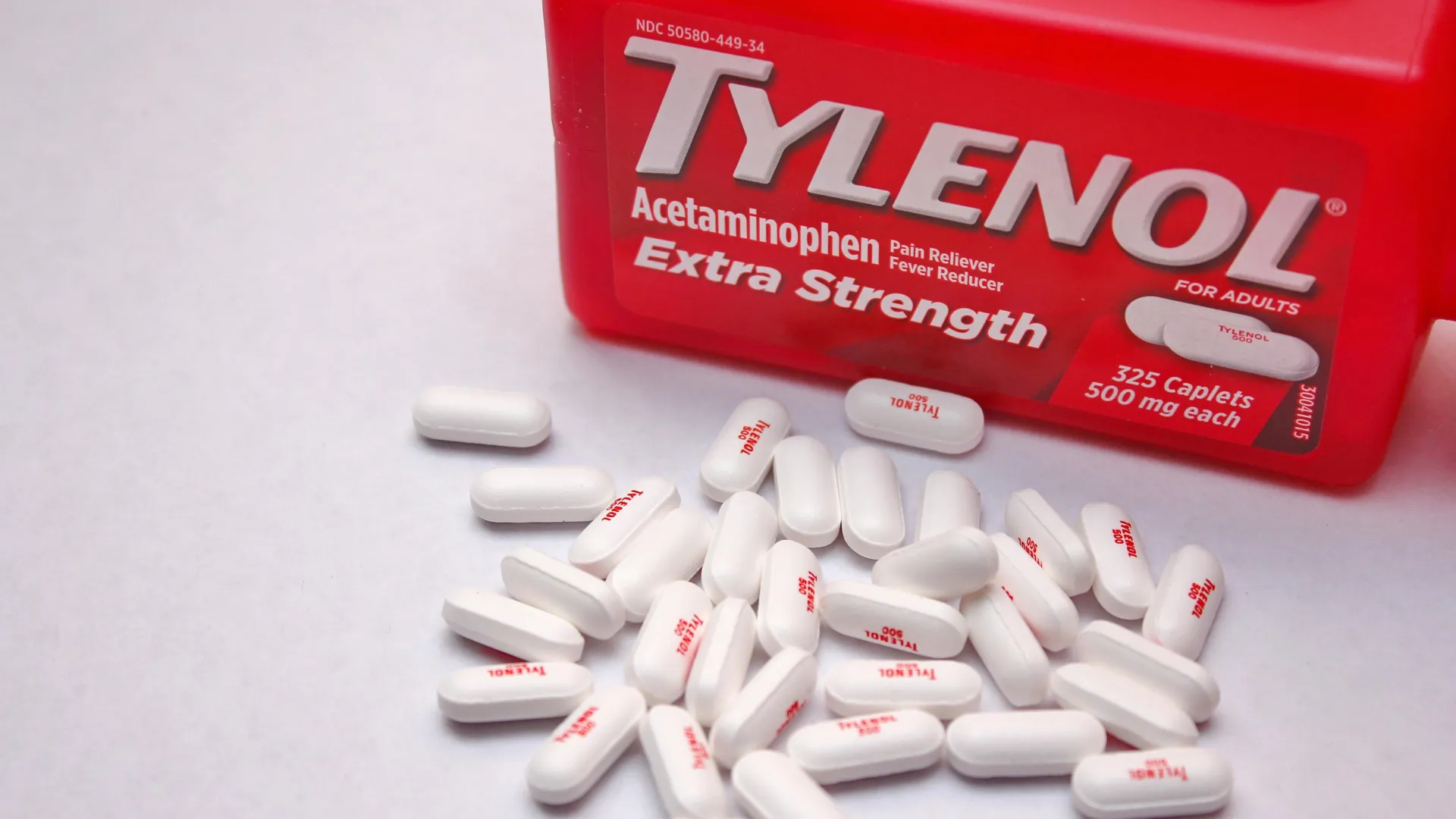
New research from the University of South Australia has uncovered a startling link between the world’s most common over-the-counter medications and the escalating crisis of antimicrobial resistance. For decades, ibuprofen and acetaminophen—known commonly as paracetamol—have been the primary recourse for millions of individuals seeking relief from minor pain, fever, and inflammation. However, the study conducted by UniSA scientists suggests that these ubiquitous staples of the household medicine cabinet are doing more than just suppressing symptoms; they are actively facilitating the genetic mutation of bacteria, rendering life-saving antibiotics less effective. This discovery introduces a new layer of complexity to the global fight against "superbugs," suggesting that the threat of antibiotic resistance is being fueled not only by the misuse of antibiotics themselves but also by the interaction of non-antibiotic drugs with common pathogens.
The study, which is the first of its kind to evaluate the synergistic effects of multiple non-antibiotic medications on bacterial evolution, focused on the interaction between these painkillers and Escherichia coli (E. coli). E. coli is a pervasive bacterium responsible for a wide range of human ailments, including gastrointestinal distress and severe urinary tract infections. When exposed to the broad-spectrum antibiotic ciprofloxacin in the presence of ibuprofen and acetaminophen, the bacteria exhibited an alarming rate of mutation. These genetic changes allowed the bacteria to not only survive the antibiotic onslaught but to flourish, developing a high level of resistance that extended beyond ciprofloxacin to multiple other classes of antimicrobial agents.
The Mechanics of Resistance: How Common Drugs Alter Bacterial Defenses
To understand the gravity of these findings, it is essential to examine the biological mechanisms at play. The UniSA research team, led by Associate Professor Rietie Venter, identified that ibuprofen and acetaminophen trigger specific defense mechanisms within the bacterial cell. Specifically, these non-antibiotic drugs appear to activate "efflux pumps"—specialized proteins located in the cell membranes of bacteria that function like bilge pumps on a ship. When these pumps are activated, they actively expel antibiotic molecules from the interior of the cell before the medication can reach its target and neutralize the pathogen.
This process of expulsion reduces the intracellular concentration of the antibiotic, allowing the bacteria to survive at dosages that would otherwise be lethal. More importantly, the stress of this environment encourages the bacteria to undergo rapid genetic mutations. In the UniSA trials, the combination of ibuprofen and acetaminophen alongside ciprofloxacin created a "perfect storm" for bacterial evolution. The resulting E. coli strains were significantly more robust than those exposed to the antibiotic alone. This phenomenon, known as cross-resistance, means that once a bacterium develops a defense against one drug through these mechanisms, it often becomes less susceptible to a variety of other treatments, narrowing the window of effective medical intervention.
The Crisis of Polypharmacy in Aged Care Facilities
One of the most significant implications of this research involves the elderly population, particularly those residing in residential aged care facilities. Polypharmacy—the concurrent use of five or more medications—is a standard reality for many seniors. In these environments, residents are frequently prescribed a "cocktail" of medications to manage chronic conditions such as hypertension, diabetes, and arthritis, alongside PRN (as needed) doses of painkillers like paracetamol or ibuprofen for comfort.
Associate Professor Venter highlighted that residential care homes often serve as unintended breeding grounds for resistant bacteria. When an elderly resident is treated for a routine infection with an antibiotic like ciprofloxacin, the presence of their other daily medications may inadvertently protect the very bacteria the doctor is trying to kill. The study assessed nine medications commonly found in these settings:
- Ibuprofen: An anti-inflammatory used for pain relief.
- Diclofenac: A potent non-steroidal anti-inflammatory (NSAID) used for arthritis.
- Acetaminophen (Paracetamol): A primary treatment for pain and fever.
- Furosemide: A diuretic used to manage high blood pressure and fluid retention.
- Metformin: The frontline medication for managing Type 2 Diabetes.
- Atorvastatin: A statin used to lower cholesterol.
- Tramadol: An opioid-based pain medication often used post-surgery.
- Temazepam: A sedative used to treat insomnia.
- Pseudoephedrine: A common decongestant found in cold and flu remedies.
The research indicates that the interaction of these drugs is not merely additive but multiplicative in some cases. The presence of multiple non-antibiotic drugs can create a chemical environment in the human gut that pressures bacteria to adapt at an accelerated pace. For an aged care resident, this could mean that a simple urinary tract infection becomes a recurring, untreatable chronic condition, leading to increased hospitalization and higher mortality rates.
A Global Health Threat: Contextualizing the Data
The findings from the University of South Australia arrive at a critical juncture in global public health. The World Health Organization (WHO) has classified antimicrobial resistance (AMR) as one of the top ten global public health threats facing humanity. The scale of the crisis is supported by sobering data: in 2019, bacterial AMR was directly responsible for an estimated 1.27 million deaths worldwide and contributed to an additional 4.95 million deaths.
Historically, the medical community has focused almost exclusively on the "over-prescription" and "misuse" of antibiotics as the primary drivers of this trend. Campaigns have targeted the use of antibiotics for viral infections (like the common cold) and their over-utilization in the agricultural industry. However, the UniSA study suggests that this focus may be too narrow. If common over-the-counter drugs are also contributing to the mutation of bacteria, the current strategies for "antibiotic stewardship" may need to be fundamentally overhauled to include a broader pharmacological perspective.
The economic implications are equally staggering. Projections suggest that if AMR remains unchecked, it could result in a 3.8% reduction in global Gross Domestic Product (GDP) by 2050. The cost of treating resistant infections is significantly higher due to the need for more expensive, "last-resort" drugs, longer hospital stays, and more intensive nursing care.
A Chronology of Discovery and the Shift in Microbiology
The understanding of drug-induced bacterial resistance has evolved significantly over the last decade. Early research in the 2010s began to hint that non-antibiotic drugs could influence the gut microbiome. In 2018, a landmark study published in Nature screened over 1,000 non-antibiotic drugs against 40 representative gut bacterial strains and found that 24% of the drugs inhibited the growth of at least one strain.
The UniSA study, however, represents a pivotal shift from observing growth inhibition to observing the active promotion of resistance and mutation. This chronology shows a move from simple observation to a more nuanced understanding of the "chemical signaling" that occurs between human medication and bacterial life. The realization that painkillers—drugs taken by billions of people daily—can act as a catalyst for genetic change in pathogens marks a new chapter in microbiological research.
Expert Analysis and Professional Reactions
While the scientific community has reacted to the UniSA findings with caution, there is a growing consensus that the "multi-drug" approach to patient care requires more rigorous scrutiny. Pharmacologists and infectious disease specialists suggest that these findings do not necessitate the abandonment of ibuprofen or acetaminophen, which remain essential for pain management. Instead, the analysis points toward a more "precision medicine" approach.
Medical professionals may need to reconsider the timing of medication. For instance, if a patient is on a course of ciprofloxacin, it may be prudent to limit the use of NSAIDs or paracetamol during that specific window, or at least monitor the patient more closely for signs of treatment failure. Furthermore, pharmacists—often the first point of contact for patients purchasing over-the-counter drugs—may play a more vital role in advising patients on the potential "hidden" risks of combining their painkillers with prescribed antibiotics.
The reaction from public health advocates has been a call for increased funding into "drug-drug-microbe" interactions. Most drug safety trials focus on how one drug affects human organs or how it interacts with another drug’s metabolism in the liver. Very few trials look at how those drugs affect the evolution of the bacteria living inside the human host.
Future Implications and the Path Forward
The University of South Australia researchers are calling for an immediate expansion of studies into long-term medication regimes. As the global population ages and the prevalence of chronic diseases rises, the number of people on permanent "polypharmacy" protocols will only increase. We must understand how the chemical baseline of a human body—saturated with statins, metformin, and painkillers—affects the efficacy of the antibiotics we rely on to stop outbreaks.
This research also highlights a potential need for the development of "resistance-neutral" painkillers or the creation of adjuvant therapies that can block the bacterial efflux pumps identified by Associate Professor Venter’s team. If scientists can develop a compound that prevents bacteria from "pumping out" antibiotics, they could potentially restore the effectiveness of drugs like ciprofloxacin, even in the presence of painkillers.
In conclusion, the UniSA study serves as a vital reminder that the human body is a complex ecosystem. Every medication introduced into that system has ripples that extend far beyond the intended target. While ibuprofen and acetaminophen have earned their place as trusted medical staples, their role in the silent rise of the superbug can no longer be ignored. The battle against antibiotic resistance is no longer just about how we use antibiotics; it is about understanding the unintended consequences of the entire modern pharmacopeia. As the medical world moves forward, the focus must shift toward a holistic understanding of drug interactions, ensuring that in our quest to alleviate pain, we do not inadvertently dismantle the very tools that keep us safe from infectious disease.
