
 By Billy Candra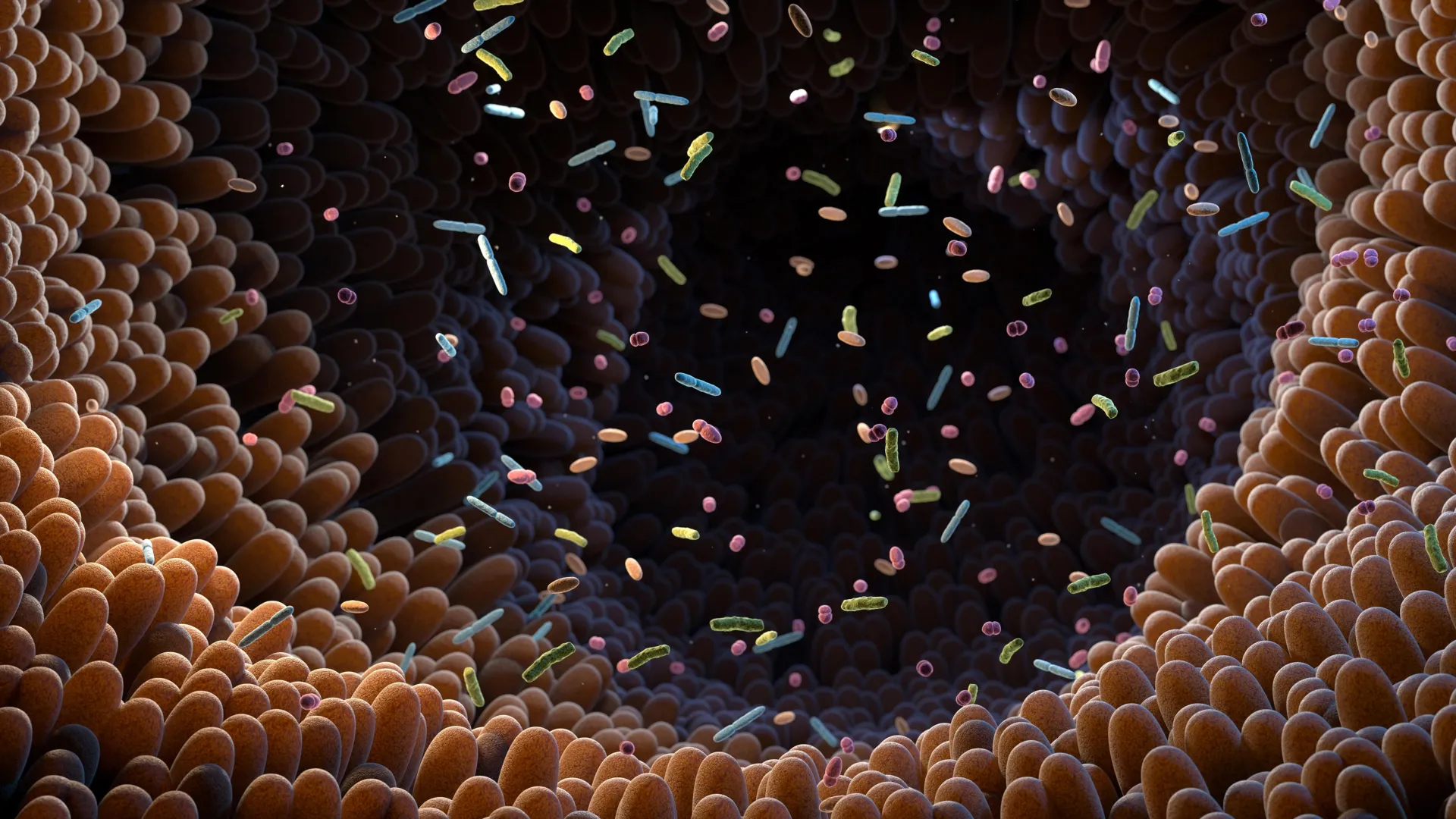
Cardiovascular diseases (CVDs) represent a global health crisis, tragically claiming nearly 20 million lives each year and firmly establishing themselves as the leading cause of mortality worldwide. While the long-established culprits of genetics, lifestyle choices, and traditional risk factors like hypertension, high cholesterol, and diabetes undeniably play significant roles in determining an individual’s cardiac health, a burgeoning field of scientific inquiry is casting a spotlight on an often-overlooked player: the trillions of microorganisms residing within the human gut. These microscopic inhabitants, collectively known as the gut microbiome, are increasingly being recognized as powerful modulators of human physiology, with profound implications for the development and progression of coronary artery disease (CAD). For years, the precise mechanisms through which these microbes exert their influence on cardiovascular health have remained elusive, shrouded in the complexity of the human biological system.
Recent scientific endeavors have begun to pierce this veil of uncertainty, suggesting that the gut microbiome may actively promote CAD through an intricate network of biological pathways. These pathways often involve the modulation of systemic inflammation, the disruption of metabolic homeostasis, and the production of specific metabolites that directly impact arterial health. Despite growing evidence of this profound connection, the identification of specific bacterial species responsible for these effects—and a detailed understanding of their contributions to disease progression—has presented a formidable challenge to researchers globally.
The Global Burden of Cardiovascular Disease and the Emerging Microbial Link
The statistics surrounding cardiovascular disease are stark. Beyond the staggering death toll, CVD imposes an immense economic burden, costing healthcare systems billions of dollars annually in treatment, rehabilitation, and lost productivity. Conditions such as heart attacks, strokes, and heart failure significantly diminish quality of life for millions, highlighting an urgent need for novel diagnostic tools, preventative strategies, and therapeutic interventions. For decades, prevention efforts have focused on modifiable lifestyle factors—dietary changes, regular physical activity, smoking cessation—along with pharmaceutical management of hypertension, dyslipidemia, and diabetes. While these approaches remain critical, the incomplete success in curbing the global CVD epidemic suggests that other, perhaps less obvious, factors are at play.
The human gut is home to an astonishingly diverse ecosystem of bacteria, archaea, fungi, and viruses, collectively comprising the gut microbiome. This intricate community, weighing up to two kilograms, performs vital functions, including aiding digestion, synthesizing essential vitamins, metabolizing drugs, and training the immune system. The concept of a "gut-heart axis" has emerged from accumulating evidence demonstrating that dysbiosis—an imbalance in the gut microbial community—can trigger a cascade of events detrimental to cardiovascular health. Early observations in the scientific community noted correlations between specific dietary patterns, gut microbial composition, and cardiovascular risk markers. However, these initial correlations often lacked the mechanistic detail required to establish causality or identify actionable therapeutic targets.
Mapping Microbes in Coronary Artery Disease: A Breakthrough from Seoul
Against this backdrop of global health challenges and scientific curiosity, researchers in Seoul have embarked on a mission to unravel the complex interplay between gut microbes and the cardiovascular system. Publishing their groundbreaking findings in the prestigious journal mSystems, a team spearheaded by Dr. Han-Na Kim from the Samsung Advanced Institute for Health Sciences and Technology at Sungkyunkwan University has significantly advanced our understanding. "We’ve gone beyond merely identifying ‘which bacteria live there’ to uncovering what they actually do in the heart-gut connection," Dr. Kim explained, underscoring the shift from descriptive ecology to functional biology. This research represents a crucial step in moving beyond simple correlations to understanding the active roles these microorganisms play in disease.
The methodological rigor of the Seoul study was pivotal to its success. The team meticulously analyzed fecal samples—a non-invasive proxy for the gut microbiome—from two distinct cohorts: 14 individuals diagnosed with CAD and a control group of 28 healthy participants. To achieve a comprehensive understanding of the microbial landscape, they employed metagenomic sequencing, a powerful, culture-independent technique. Unlike 16S rRNA gene sequencing, which identifies microbes based on a single gene, metagenomic sequencing involves sequencing all the DNA present in a sample. This allows researchers to reconstruct the complete genetic makeup of individual microbes, infer their metabolic capabilities, and identify specific genes and pathways expressed by the entire microbial community. This high-resolution approach enabled the researchers to identify 15 specific bacterial species strongly linked to CAD and, more critically, to map the biological pathways that connect these microbes to the observed severity of the disease. This level of detail moves the field significantly forward from previous studies that often relied on broader classifications or less granular functional predictions.
Inflammation, Metabolic Imbalance, and Microbial Shifts: Key Discoveries
The detailed metagenomic map generated by Dr. Kim’s team painted a vivid picture of the gut ecosystem in individuals with CAD, revealing dramatic functional shifts. "Our high-resolution metagenomic map shows a dramatic functional shift toward inflammation and metabolic imbalance," Dr. Kim stated, summarizing one of the study’s central findings. This shift was characterized by several critical changes:
- Loss of Protective Bacteria: A significant reduction was observed in beneficial bacteria known for producing short-chain fatty acids (SCFAs). Faecalibacterium prausnitzii, a prominent example, is widely recognized for its anti-inflammatory properties and its role in maintaining gut barrier integrity through SCFA production (primarily butyrate). Its depletion in CAD patients suggests a compromised gut environment and a loss of crucial protective mechanisms. SCFAs are known to have systemic anti-inflammatory effects and can influence host metabolism, including glucose and lipid homeostasis.
- Overactivation of Harmful Pathways: Conversely, the study identified an overactivation of specific metabolic pathways, such as the urea cycle, which were directly linked to increased disease severity. The urea cycle is primarily involved in the detoxification of ammonia, but its dysregulation can indicate altered amino acid metabolism within the gut, potentially leading to the production of harmful metabolites. This finding suggests that certain microbial activities in the CAD gut might be actively generating compounds that contribute to the disease.
- Pro-inflammatory and Dysmetabolic Signature: Overall, the gut ecosystem in individuals with CAD exhibited a clear signature of chronic inflammation and metabolic disruption. This included changes in pathways related to lipid metabolism, amino acid breakdown, and carbohydrate fermentation, all contributing to a systemic environment conducive to atherosclerosis.
These findings strongly suggest that the gut ecosystem in people with CAD undergoes profound and specific changes that actively promote inflammation and disrupt normal metabolic processes, offering a compelling explanation for the strong role the gut microbiome plays in cardiovascular disease pathogenesis. The study provides concrete, functional evidence of how microbial communities contribute to the disease state, moving beyond mere association.
When "Good" Bacteria Turn Harmful: The Contextual Nature of Microbial Function
One of the most surprising and impactful revelations from the Seoul study was the discovery that certain bacterial species, typically lauded for their beneficial effects, can seemingly adopt harmful roles depending on their ecological context. Microbes like Akkermansia muciniphila and Faecalibacterium prausnitzii, frequently categorized as "friendly" or "protective" species due to their roles in maintaining gut barrier integrity, producing SCFAs, and modulating immunity, appeared to act differently when originating from a healthy gut compared to a diseased gut.
Akkermansia muciniphila, for instance, is known for its ability to degrade mucin, the primary component of the gut’s protective mucus layer. While this activity is generally considered beneficial for maintaining a healthy mucus layer turnover and influencing host metabolism, its altered activity or abundance in a dysbiotic environment might contribute to gut barrier dysfunction, potentially leading to increased systemic inflammation. Similarly, while F. prausnitzii is a potent butyrate producer, its reduced abundance, as observed in CAD patients, means a loss of its protective effects. This dual nature, as Dr. Kim noted, vividly highlights how the broader microbial context, host genetics, and environmental factors can transform even traditionally protective microbes into contributors to disease. It challenges the simplistic categorization of bacteria as universally "good" or "bad."
The complexity was further underscored by findings regarding the bacterial family Lachnospiraceae. Earlier research had reported a general decrease in certain species within this family in people with CAD, leading to assumptions about their universally beneficial nature. However, Dr. Kim’s team found a paradoxical situation: while some Lachnospiraceae species indeed decreased, others actually increased in abundance in CAD patients. This led Dr. Kim to coin a compelling analogy: "Lachnospiraceae may be the Dr. Jekyll and Mr. Hyde of the gut." This implies a profound strain-specific functionality within broader bacterial classifications, meaning that different strains within the same species or family can have entirely opposing effects on host health. "The big unanswered question now is which strains are the healers, and which are the troublemakers," Dr. Kim emphasized, pointing towards the need for even higher resolution microbial analysis and functional characterization. This highlights a significant challenge and opportunity for future research: moving beyond species-level analysis to strain-specific functional genomics.
Toward Precision Microbial Medicine: Future Directions and Implications
The implications of this research are far-reaching, paving the way for a paradigm shift in how cardiovascular disease is diagnosed, prevented, and treated. The Seoul team is not stopping at identification; their immediate next step is to integrate this rich microbial data with host genetic and metabolic information. This multi-omics approach will provide an even more holistic understanding of how gut microbes influence heart disease at a mechanistic level, allowing researchers to pinpoint specific host-microbe interactions that drive pathogenesis. Understanding these intricate pathways is crucial for developing truly effective interventions.
The long-term vision articulated by Dr. Kim and her team is to develop precision-based treatments that harness microbial insights to prevent cardiovascular disease even before its onset. Dr. Kim strongly emphasized that prevention remains the most promising approach to mitigating the devastating global impact of heart disease. This proactive strategy could involve several innovative avenues:
- Microbial Therapies: This could range from targeted probiotic or prebiotic interventions designed to restore beneficial bacterial populations or enhance their protective functions, to more complex approaches like fecal microbiota transplantation (FMT) for severe dysbiosis.
- Stool-Based Diagnostic Screening: The specific microbial signatures identified in the study could form the basis of novel, non-invasive diagnostic tests. Regular stool-based screening could identify individuals at high risk for CAD based on their gut microbiome profile, long before traditional symptoms manifest or conventional risk factors become pronounced. This would enable earlier intervention and personalized preventative strategies.
- Dietary Interventions: Tailored dietary plans, informed by an individual’s unique gut microbiome composition, could be developed to selectively promote the growth of beneficial bacteria, inhibit harmful pathways, or modulate the production of specific metabolites linked to cardiovascular risk. This moves beyond general dietary advice to highly personalized nutritional guidance.
- Targeted Therapeutics: The identification of specific microbial enzymes or metabolic pathways involved in CAD progression could lead to the development of novel small-molecule drugs that selectively inhibit harmful microbial activities without disrupting the entire gut ecosystem.
By meticulously uncovering the specific bacterial species, the functional shifts within the microbial community, and the biological mechanisms involved in cardiovascular disease, scientists are steadily moving closer to leveraging the gut microbiome as a powerful and highly personalized tool for maintaining heart health. This research from Seoul not only deepens our scientific understanding but also ignites hope for a future where cardiovascular disease is not just treated, but proactively prevented, by nurturing the delicate ecosystem within us. The journey from identifying "who lives there" to understanding "what they do" marks a significant leap forward in the quest to conquer the world’s deadliest disease.
