
 By Budi Oetomo Narendra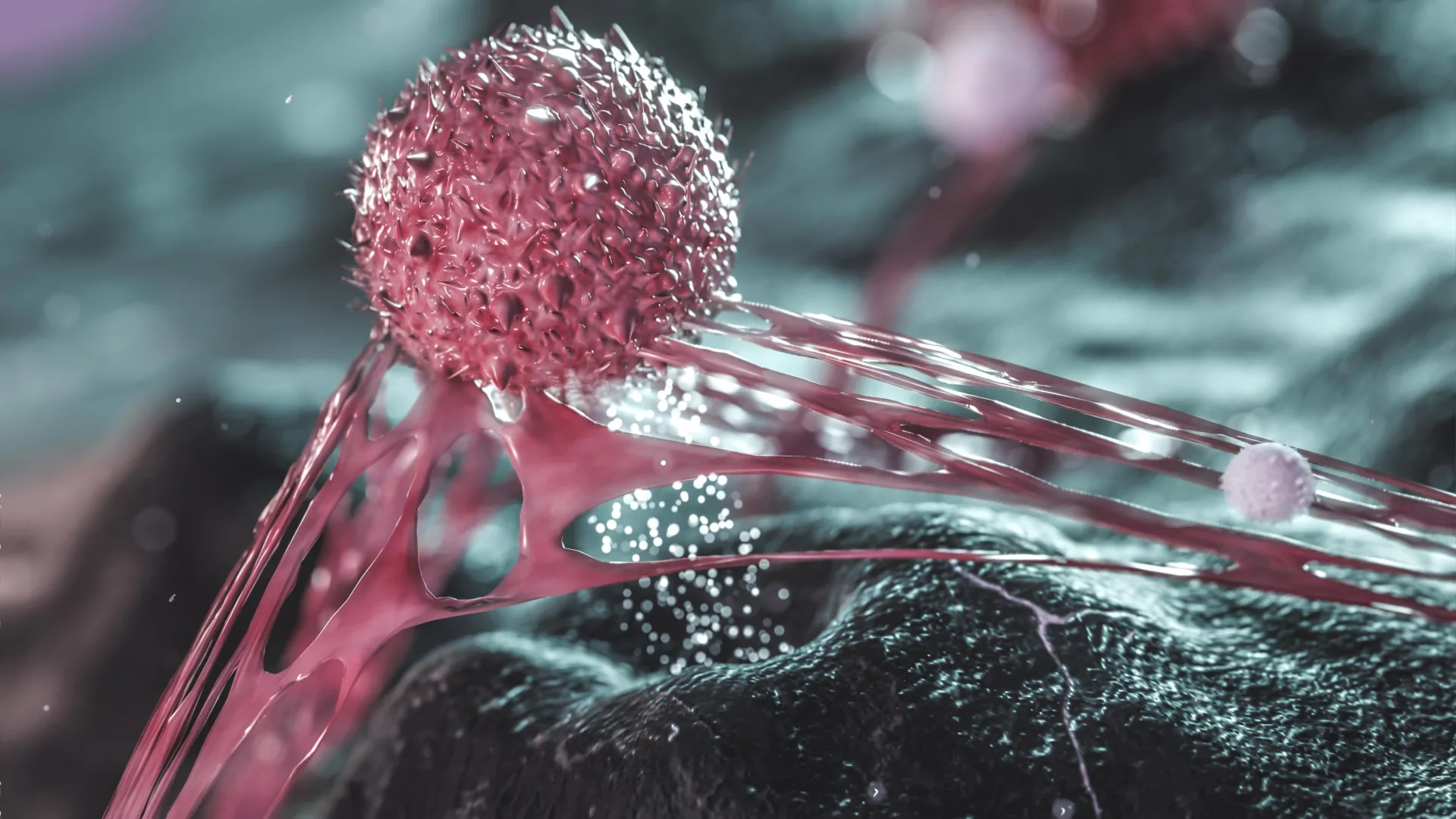
A groundbreaking collaborative study by researchers from the MRC Laboratory of Medical Sciences (LMS), Imperial College London, and UCL Genetics Institute has meticulously constructed a detailed cellular map of breast tumors, providing unprecedented insights into their complex architecture. Published in the prestigious journal Genome Medicine, these findings reveal distinct regions within tumors: some teeming with actively dividing cancer cells, and others harboring quiescent, or dormant, cells. Crucially, the research highlights that these inactive cancer cells are frequently ensconced within protective ‘neighborhoods’ of immune and connective tissue cells, a microenvironment that may shield them from conventional treatments and contribute to disease recurrence. This discovery signals a paradigm shift in understanding tumor resistance and underscores the urgent need for future cancer therapies to move beyond merely attacking fast-growing cells, advocating for strategies that also target dormant cancer cells and the local environments that enable their persistence, with the ultimate goal of preventing tumor growth and significantly reducing the risk of relapse.
The Persistent Challenge of Cancer Recurrence
Breast cancer remains one of the most prevalent cancers globally, affecting millions and posing a significant public health challenge. While advancements in diagnosis and treatment, including surgery, chemotherapy, radiation, and targeted therapies, have dramatically improved survival rates over the past few decades, a critical hurdle persists: disease recurrence. For many patients, particularly those with aggressive forms of breast cancer, the initial success of treatment is sometimes followed by the return of the disease, often years later, in the same location or as metastatic spread to distant organs. This phenomenon has long puzzled oncologists and researchers, leading to the hypothesis that a subset of cancer cells might survive initial therapies by entering a dormant state, lying low only to reactivate when conditions become favorable. Understanding these "hidden enemies" within the tumor has become a central focus of cutting-edge cancer research.
Historically, most cancer therapies, particularly chemotherapy, have been designed to target rapidly dividing cells. This approach effectively eradicates many fast-growing tumor cells, leading to significant tumor shrinkage. However, the Achilles’ heel of this strategy lies in its limited efficacy against cells that are not actively proliferating. Dormant cancer cells, by their very nature, evade these proliferation-dependent treatments, making them formidable adversaries in the fight against cancer. This new research provides critical spatial and cellular context to this long-held theory, painting a clearer picture of where these quiescent cells reside and what protects them.
Mapping the Tumor Microenvironment with Unprecedented Detail
The complexity of a breast tumor extends far beyond just cancer cells. It is a dynamic ecosystem, or ‘tumor microenvironment’ (TME), comprising a diverse array of cell types including immune cells, fibroblasts, endothelial cells forming new blood vessels, and various signaling molecules. Each component plays a role in either promoting or hindering tumor growth and progression. The challenge for researchers has been to map this intricate landscape with sufficient resolution to identify the specific interactions that facilitate cancer cell survival and resistance.
To achieve this unprecedented level of detail, the research team employed a powerful combination of advanced single-cell technologies. Dr. Alexis Barr, co-lead author and head of the Cell Cycle Control group at the LMS, collaborated with Dr. Maria Secrier’s computational biology team at UCL to synthesize data from publicly available datasets. Their methodology involved:
- Single-cell RNA sequencing (scRNA-seq): This technique allows scientists to analyze gene expression profiles at the resolution of individual cells. By revealing which genes are active in each cell, scRNA-seq provides a molecular fingerprint, identifying cell types and their functional states (e.g., actively dividing vs. quiescent).
- Spatial transcriptomics: Complementing scRNA-seq, spatial transcriptomics maps these individual cells back to their precise locations within the tumor tissue. This is crucial because the function and behavior of a cell are heavily influenced by its immediate neighbors and its position within the broader tissue architecture.
By integrating these two techniques, the researchers were able to create high-resolution, three-dimensional maps that not only identified the different cell types present but also showed exactly where they were located relative to each other. This holistic approach was instrumental in uncovering the ‘protective neighborhoods’ surrounding dormant cancer cells. "We found cells that resemble therapy-resistant cells already residing in the tumor before we give any treatment," explains Dr. Maria Secrier, highlighting that characteristics associated with treatment resistance might pre-exist therapy, rather than solely developing as a response to it. This finding alone is a significant step towards understanding primary resistance mechanisms.
Unveiling the "Hidden Cells" and Their Shields
The study’s core finding revolves around the identification and characterization of these "unusually quiet" or "quiescent" cancer cells. These dormant cells are distinct from their rapidly multiplying counterparts, essentially putting their growth on hold in response to stressful conditions within the expanding tumor, such as limited blood flow or nutrient availability. Much like a bear hibernating through harsh winter conditions, these cells can remain in an inactive state until the environment becomes more favorable, often after the immediate threat of initial treatment has passed.
Dr. Alexis Barr emphasizes the danger posed by these cells: "Quiescent cancer cells are very dangerous. These cells can hide from chemotherapy and then remain in this dormant quiescent state in the tumor, and then later reactivate to drive proliferation." This reactivation is a key mechanism behind tumor relapse and metastasis, making their study critical for long-term patient outcomes.
An unexpected and crucial observation was that these dormant cancer cells were not randomly scattered but clustered in distinct regions. Furthermore, these clusters were consistently found in close proximity to specific types of non-cancerous cells:
- CXCL10-positive macrophages: These are a type of immune cell, but their CXCL10 positivity suggests a specific functional state that may be involved in modulating the tumor microenvironment. Macrophages are known for their plasticity and can adopt different roles, some of which can paradoxically support tumor growth and immune evasion.
- Myofibroblastic cancer-associated fibroblasts (CAFs): Fibroblasts are crucial connective tissue cells. In cancer, they often become "activated" into myofibroblasts, forming a dense, desmoplastic stroma that can create a physical barrier, secrete growth factors, and influence immune responses, effectively remodeling the tumor microenvironment to promote cancer survival.
The researchers hypothesize that these surrounding cells act as a "protective barrier" or "shield" for the dormant cancer cells. This shield could function in several ways: physically impeding the penetration of cancer-killing immune cells or therapeutic agents, secreting factors that maintain dormancy, or creating an immunosuppressive environment. "The cancer cells are really encapsulated within these areas of macrophages and fibroblasts that we think act as shields for these dormant cancer cells," states Maria Secrier. However, she also acknowledges the complexity of cause and effect: "But we don’t yet know the direction of cause and effect: whether the surrounding cells push cancer cells into dormancy or if the cancer cells attract or alter their surroundings. It’s very likely coming from both sides." This intricate interplay highlights the dynamic nature of the tumor ecosystem.
Adding another layer of complexity, the study found this pattern of quiescence in both aggressive forms of breast cancer and slower-developing classes. This was an unexpected result, as dormancy had previously been linked more closely with slower-growing disease, suggesting that the phenomenon is more widespread across breast cancer subtypes than previously understood.
Rethinking Treatment: Towards Personalized, Multi-pronged Therapies
The implications of these findings for future cancer therapies are profound. The traditional "one-size-fits-all" approach, often focused on eradicating rapidly dividing cells, may be inherently insufficient to achieve long-term disease control. The research strongly suggests that different regions within the same tumor, with their distinct cellular compositions and functional states, may require different therapeutic strategies.
"Many chemotherapy drugs work best against cells that are dividing quickly," the article explains. "Dormant cells, however, are not actively multiplying, which can make them much harder to eliminate." This inherent resistance of quiescent cells necessitates a strategic shift.
The study points towards several potential avenues for novel therapeutic development:
- Targeting Dormancy-Specific Pathways: The researchers detected increased activity in the complement pathway, a part of the immune system, within the niches of dormant cells. This raises the intriguing possibility that treatments specifically targeting this pathway could render these dormant areas more vulnerable.
- Disrupting the Protective Microenvironment: If the surrounding CXCL10-positive macrophages and myofibroblastic CAFs indeed act as shields, then therapies designed to neutralize or eliminate these support cells could expose the dormant cancer cells, making them susceptible to existing treatments or new dormancy-targeting agents. This would involve disrupting the communication networks and physical barriers these cells establish.
- Combination Therapies Tailored to Tumor Heterogeneity: The ultimate goal would be to develop combination therapies that simultaneously address both the proliferative and the dormant compartments of a tumor. This might involve pairing conventional chemotherapies with novel agents that specifically target quiescent cells or their protective microenvironment. "Different parts of the tumor will likely respond to different drugs," says Maria Secrier. "If we understand what drug combinations we can use to target both the proliferative and the dormant areas, potentially that could be more successful than current therapies."
This approach aligns with the growing trend towards personalized medicine in oncology, where treatments are tailored to the specific molecular and cellular characteristics of an individual patient’s tumor. By mapping quiescent cells and their environments, scientists can potentially design more effective, spatially informed treatment regimens.
Expert Commentary and Future Directions
The scientific community recognizes the significant impact of this research. While the study provides crucial foundational insights, the journey from laboratory discovery to clinical application is long and complex. "It is clearly important to focus on proliferative cancer cells, but we also need to understand this population of quiescent dormant cancer cells. And that’s been less studied," Dr. Barr reiterates, underscoring the novelty and necessity of this area of investigation.
Leading cancer research organizations have consistently highlighted the need for a deeper understanding of tumor dormancy and the tumor microenvironment to combat recurrence and metastasis effectively. This study directly addresses that critical need. Experts from institutions not involved in the study might commend the methodological rigor and the compelling evidence presented, emphasizing that such detailed spatial and single-cell analyses are essential for deciphering the complex biological mechanisms underlying cancer resistance. The findings are expected to stimulate further research into the specific molecular interactions between dormant cancer cells and their protective neighbors, potentially uncovering new druggable targets.
The ideas generated by this analysis are now ripe for experimental validation. Future research will focus on:
- Functional Studies: Experimentally determining the precise roles of CXCL10-positive macrophages and myofibroblastic CAFs in maintaining cancer cell dormancy and protecting them from treatment. This could involve in vitro co-culture experiments and in vivo preclinical models.
- Target Identification and Validation: Identifying the specific molecular pathways and signaling molecules involved in maintaining dormancy and in the protective functions of the surrounding cells.
- Drug Development: Screening for and developing new therapeutic agents that can specifically target dormant cells, disrupt their protective niches, or modulate the identified pathways like the complement system.
A Path Towards Longer-Lasting Treatments
The ultimate promise of this research lies in its potential to dramatically improve long-term outcomes for breast cancer patients. By comprehensively understanding the cellular heterogeneity within tumors, particularly the presence and protection of dormant cancer cells, researchers are better equipped to design therapies that can achieve more durable responses and prevent recurrence. This could translate into a future where cancer is managed not just by shrinking tumors, but by eradicating every last dangerous cell, active or dormant, and dismantling their protective sanctuaries.
This pioneering work, primarily funded by a UKRI Future Leaders Fellowship, the Medical Research Council, and the Biotechnology and Biological Sciences Research Council, represents a significant leap forward in our understanding of breast cancer biology. It underscores the power of collaborative, multidisciplinary research and the application of advanced technologies to unravel the mysteries of cancer, paving the way for more effective, longer-lasting treatments that can truly transform patient lives.
