
 By Suherman Candra Maholtra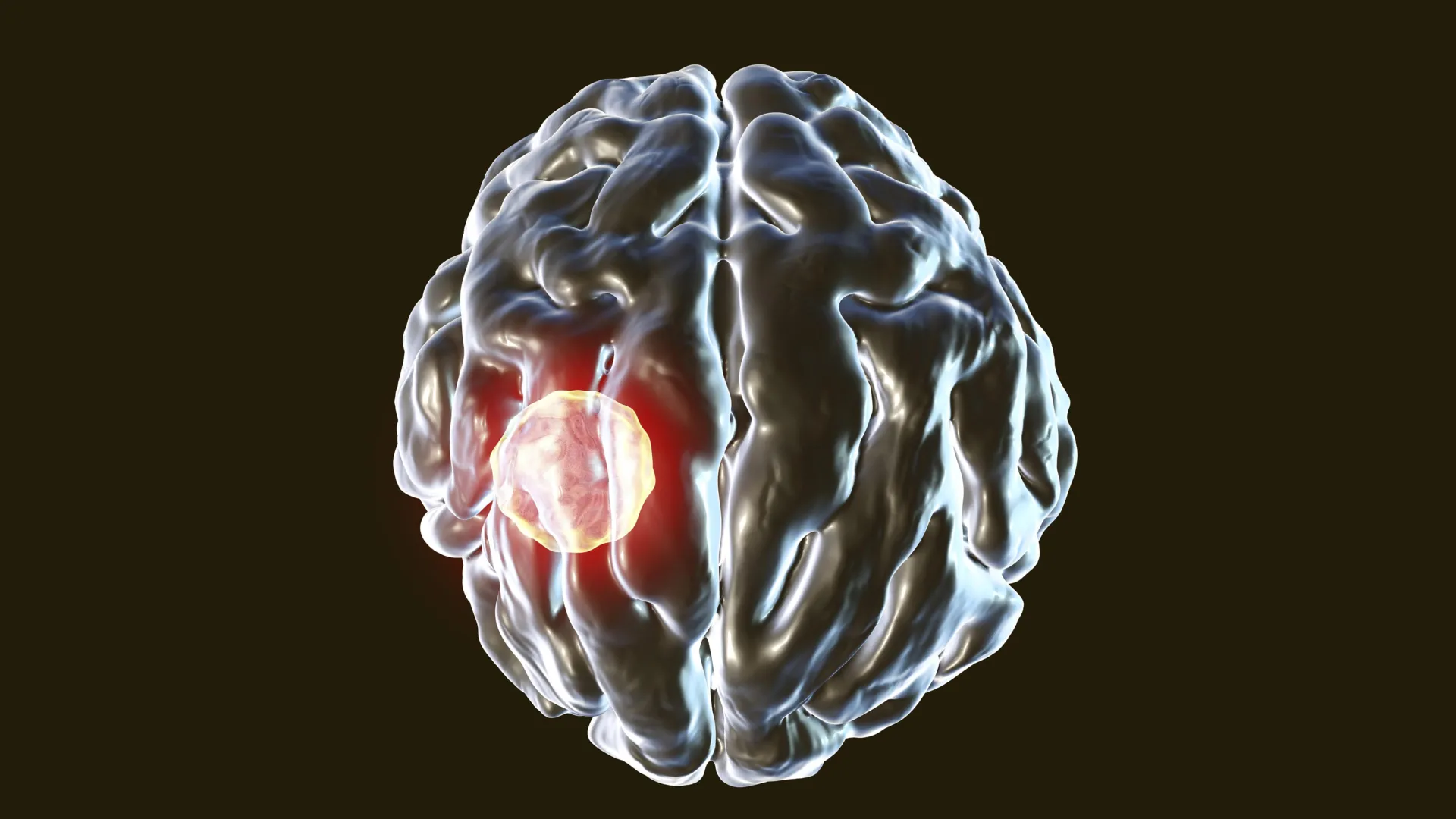
In a significant advancement for the field of neuro-immunology, researchers at the University of Virginia (UVA) School of Medicine have identified a critical biological "fail-safe" that prevents a common brain parasite from overwhelming the body’s immune system. The study, led by Tajie Harris, PhD, reveals that the parasite Toxoplasma gondii—which is estimated to infect approximately one-third of the global population—has the sophisticated ability to infect the very immune cells dispatched to destroy it. However, the body counters this subversion through a programmed cell-death mechanism that effectively "self-destructs" the infected immune cell, neutralizing the parasite in the process.
The findings, recently published in the prestigious journal Science Advances, provide a new understanding of how the immune system maintains a delicate balance within the brain, an organ traditionally considered "immunologically privileged" and difficult to treat. By pinpointing the role of an enzyme known as caspase-8, the UVA team has opened new avenues for treating toxoplasmosis, particularly in vulnerable populations such as those with HIV/AIDS, cancer patients undergoing chemotherapy, and organ transplant recipients.
The Stealthy Nature of Toxoplasma gondii
Toxoplasma gondii is a single-celled protozoan parasite characterized by its remarkable evolutionary success. It is an obligate intracellular pathogen, meaning it cannot survive or reproduce outside of a host cell. While it can infect almost any warm-blooded animal, its definitive hosts are felids (cats), which are the only animals in which the parasite can sexually reproduce and produce oocysts, or eggs, that are shed in feces.
Humans typically encounter the parasite through three primary routes: the ingestion of undercooked, contaminated meat (particularly pork, lamb, or venison); the consumption of unwashed fruits and vegetables; or accidental ingestion of oocysts through contact with cat litter or contaminated soil. Once the parasite enters the human digestive system, it transforms into a rapidly multiplying form known as tachyzoites. These tachyzoites migrate through the bloodstream, eventually penetrating various tissues, including the muscles and, most critically, the brain.
In healthy individuals, the immune system manages to suppress the active infection, forcing the parasite into a dormant state known as bradyzoites. These dormant cysts can remain in the brain for the duration of the host’s life, usually without causing noticeable symptoms. However, if the host’s immune system becomes compromised, the parasite can "reawaken," leading to severe neurological damage, seizures, blindness, and potentially death.
The Discovery: When the Hunter Becomes the Hunted
The UVA research team focused on a specific subset of the immune system known as CD8+ T cells. Often referred to as "killer T cells," these units are the specialized infantry of the immune system. Their primary role is to patrol the body, identify cells that have been hijacked by viruses or parasites, and deliver a lethal chemical payload to destroy the infected cell.
"We know that T cells are really important for combatting Toxoplasma gondii, and we thought we knew all the reasons why," explained Tajie Harris, PhD, director of the Center for Brain Immunology and Glia (BIG Center) at the UVA School of Medicine. "T cells can destroy infected cells or cue other cells to destroy the parasite. We found that these very T cells can get infected, and, if they do, they can opt to die."
The discovery that Toxoplasma targets these specific immune cells is a testament to the parasite’s evolutionary ingenuity. By infecting CD8+ T cells, the parasite essentially attempts to hijack the "police force" of the body. If the parasite can successfully reside and multiply within a T cell, it can move through the body undetected and utilize the T cell’s own mobility to reach the brain.
The Role of Caspase-8: A Molecular Self-Destruct Switch
The crux of the UVA study lies in the function of caspase-8, an enzyme that serves as a master regulator of cell death. In the context of an infection, caspase-8 acts as a molecular sensor. When the enzyme detects that a CD8+ T cell has been compromised by Toxoplasma, it triggers a process of programmed cell death, or apoptosis.
Because Toxoplasma is an intracellular parasite, it is entirely dependent on the resources and environment provided by the host cell. When the T cell undergoes apoptosis, the "home" of the parasite is destroyed. This prevents the parasite from replicating and spreading further. As Dr. Harris noted, "The host cell dying is game over for the parasite."
To test the necessity of this enzyme, the researchers conducted a series of controlled laboratory experiments using mouse models. They compared two groups: a control group of mice with normal T cell function and a second group of mice genetically engineered to lack caspase-8 specifically in their T cells.
The results were definitive. While both groups of mice initially mounted a strong immune response to the Toxoplasma infection, the outcomes diverged sharply as the infection progressed. The mice lacking caspase-8 were unable to control the parasite’s proliferation within their T cells. Consequently, these mice developed significantly higher parasite loads in their brain tissue. The lack of the "self-destruct" mechanism allowed the parasite to use the immune cells as "Trojan horses" to infiltrate the central nervous system. The mice without caspase-8 became severely ill and ultimately succumbed to the infection, whereas the control group remained healthy.
Scientific Context and Chronology of the Research
The investigation into caspase-8 and Toxoplasma is part of a larger, years-long effort at the UVA Department of Neuroscience to map the complex interactions between the immune system and the brain. Historically, the brain was thought to be isolated from the immune system by the blood-brain barrier. However, research over the last decade, much of it coming out of UVA, has proven that the immune system is constantly communicating with and monitoring the brain.
The timeline of the current study involved several phases:
- Initial Observation: Researchers noticed that despite a high presence of T cells, some infections still managed to penetrate the brain in specific experimental models.
- Cellular Mapping: Using advanced microscopy and flow cytometry, the team identified that CD8+ T cells were being directly invaded by Toxoplasma tachyzoites.
- Genetic Manipulation: The team utilized Cre-Lox recombination technology to create mice that lacked the caspase-8 gene only within their T cell population, allowing for a precise study of that enzyme’s role without affecting other bodily functions.
- Pathological Analysis: After the mice were exposed to the parasite, researchers performed detailed examinations of brain tissue, quantifying the number of parasitic cysts and the health of the surrounding neurons.
This study marks one of the few times scientists have documented a pathogen specifically infecting T cells and the subsequent immune mechanism used to counter it. "We scoured the scientific literature to find examples of pathogens infecting T cells. We found very few examples," said Dr. Harris. "Now, we think we know why. Caspase-8 leads to T cell death. The only pathogens that can live in CD8+ T cells have developed ways to mess with Caspase-8 function."
Broader Implications for Public Health and Medicine
The implications of this research extend far beyond the study of Toxoplasma gondii. By identifying caspase-8 as a critical gatekeeper for brain health, the UVA team has provided a new framework for understanding other intracellular infections and even certain types of cancer.
1. Protecting the Immunocompromised
For patients with weakened immune systems, the "self-destruct" mechanism may be inefficient or suppressed. Understanding the molecular pathway of caspase-8 could lead to the development of drugs that mimic or enhance this enzyme’s activity, providing a secondary defense for patients who cannot rely on their natural T cell responses.
2. Autoimmune and Inflammatory Research
The study also sheds light on the broader role of programmed cell death in the brain. If the "self-destruct" mechanism is too aggressive, it could lead to excessive tissue damage and inflammation, contributing to autoimmune conditions. Conversely, if it is too weak, it allows for chronic infection. Finding the "Goldilocks zone" of caspase-8 activity is crucial for neuro-immunological health.
3. Vaccine Development
While there is currently no vaccine for human toxoplasmosis, these findings provide a blueprint for what a successful immune response should look like. Future vaccines might be designed not just to produce antibodies, but to prime T cells to utilize the caspase-8 pathway more effectively upon encountering the parasite.
Collaborative Effort and Funding
The research was a multi-disciplinary effort involving a diverse team of scientists from UVA’s Department of Neuroscience and the Center for Brain Immunology and Glia. The research team included Lydia A. Sibley, Maureen N. Cowan, Abigail G. Kelly, NaaDedee A. Amadi, Isaac W. Babcock, Sydney A. Labuzan, Michael A. Kovacs, Samantha J. Batista, and John R. Lukens, alongside Dr. Harris.
The study was supported by extensive funding from the National Institutes of Health (NIH), reflecting the high priority the federal government places on understanding brain-parasite interactions. Multiple grants, including R01NS112516 and R01NS134747, funded the specialized equipment and laboratory resources necessary for the genetic modeling and high-resolution imaging used in the study. Additional support was provided by the University of Virginia Pinn Scholars Award and the UVA Strategic Investment Fund.
Fact-Based Analysis of Future Challenges
While the discovery of the caspase-8 mechanism is a breakthrough, it also highlights the ongoing "arms race" between pathogens and their hosts. Toxoplasma gondii is known for its ability to modify host behavior and cellular function. The fact that the parasite has evolved to infect T cells suggests that it may already be evolving ways to inhibit caspase-8 in certain strains.
Furthermore, the study raises questions about the long-term impact of chronic Toxoplasma infection in the brain. Even when the infection is "controlled" by caspase-8 and other immune factors, the presence of dormant cysts is increasingly being linked by other studies to subtle changes in brain chemistry and behavior. The UVA team’s work provides the foundational science necessary to eventually address these chronic neurological concerns.
In conclusion, the research from UVA Health serves as a vital reminder of the complexity of the human immune system. By turning a potential vulnerability—the infection of T cells—into a defensive maneuver through programmed cell death, the body demonstrates a resilient and "smart" strategy for protecting its most vital organ. As science continues to unravel the mysteries of the BIG Center’s focus—brain immunology and glia—the medical community moves closer to effective treatments for the billions of people living with silent, and potentially deadly, parasitic hitchhikers.
