
 By admin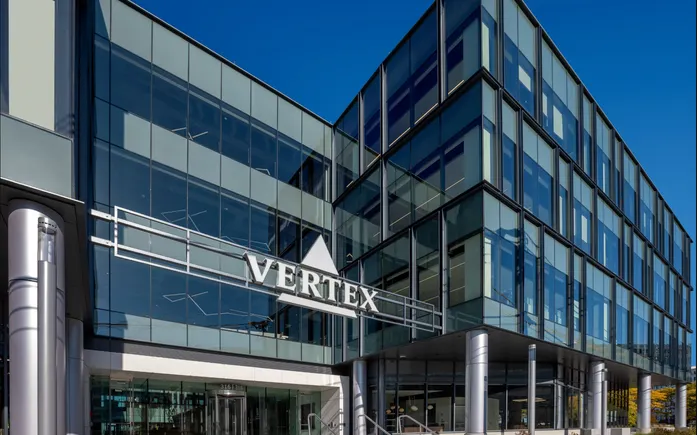
Boston, MA – Vertex Pharmaceuticals, a biotechnology giant primarily known for its groundbreaking cystic fibrosis treatments, has finalized a colossal $10 billion acquisition of Crinetics Pharmaceuticals, a California-based specialist in endocrine drugs. The deal, which saw Vertex emerge as the sole serious bidder, has ignited significant debate among investors and industry analysts regarding the substantial premium paid, casting a spotlight on Vertex’s aggressive strategy to diversify its therapeutic portfolio. Financial documents filed Tuesday offer an unprecedented look into the intricate negotiations and the underlying rationale for the largest-ever acquisition in Vertex’s history.
The Strategic Imperative: Vertex’s Quest for Diversification
For years, Vertex Pharmaceuticals has enjoyed an almost unparalleled dominance in the treatment of cystic fibrosis (CF), a severe genetic disorder. Its portfolio of CF modulators, including blockbuster drugs like Trikafta, Symdeko, Orkambi, and Kalydeco, has generated immense revenues and positioned the company as a leader in precision medicine. However, with the specter of patent expirations on the horizon and a strategic imperative to expand beyond its core CF franchise, Vertex has been actively seeking new growth drivers. The company possesses a robust balance sheet, fortified by billions in cash reserves, making it a formidable player in the biotech mergers and acquisitions (M&A) landscape.
This acquisition of Crinetics is a bold and unequivocal statement of Vertex’s commitment to therapeutic diversification. While Vertex has made strides in other areas, such as pain management and sickle cell disease/beta thalassemia with exa-cel (Casgevy), the Crinetics deal marks a significant expansion into endocrine disorders, a field with distinct patient populations and unmet medical needs. This strategic pivot is crucial for Vertex to maintain its growth trajectory and mitigate long-term reliance on its highly successful, but ultimately finite, CF franchise. The market had anticipated Vertex making a substantial move, and the Crinetics acquisition fulfills that expectation, albeit with a price tag that has raised eyebrows.
Crinetics: A Niche Innovator in Endocrine Therapeutics
Crinetics Pharmaceuticals carved out a niche for itself by focusing on the discovery, development, and commercialization of innovative therapeutics for rare endocrine diseases. Its pipeline includes one marketed therapy, Palsonify (palmitate extended-release injection), for an uncommon hormonal condition known as acromegaly. Acromegaly is a rare, chronic disease caused by excessive growth hormone production, often due to a benign tumor in the pituitary gland, leading to various debilitating symptoms and serious health complications if left untreated. While a niche market, treatments for rare diseases often command premium pricing due to the high unmet need and limited competition.
Beyond Palsonify, Crinetics’ most promising asset is an experimental medicine, believed to be Atumelnant (CRN04894), which is in late-stage testing for congenital adrenal hyperplasia (CAH). CAH is a group of inherited disorders that affect the adrenal glands, leading to an inability to produce adequate amounts of certain hormones, primarily cortisol. This can result in life-threatening adrenal crises, virilization in females, and other severe health issues. Current treatments often involve lifelong glucocorticoid replacement therapy, which can have significant side effects. A novel, more targeted therapy like Crinetics’ candidate holds the potential to significantly improve patient outcomes and quality of life. Vertex estimates that, collectively, Palsonify and the CAH drug could generate upwards of $5 billion in annual peak sales, a figure central to justifying the hefty acquisition price. This potential revenue stream, derived from addressing significant unmet needs in rare endocrine conditions, aligns perfectly with Vertex’s strategy of focusing on highly specialized therapeutic areas with strong commercial prospects.
The Unfolding Narrative: A Solo Pursuit in a High-Stakes Game
The journey to the $10 billion agreement was protracted and complex, beginning, as many significant biopharma deals do, at the industry’s annual bellwether event: the J.P. Morgan Healthcare Conference. In mid-January, Crinetics representatives engaged with Vertex’s external innovation team during what was described as "ordinary course business development activity." This initial contact laid the groundwork for a more serious engagement.
The formal pursuit commenced on March 14 when Vertex initiated contact with Crinetics’ CEO, R. Scott Struthers, to discuss a potential transaction. Just ten days later, on March 24, Vertex submitted its inaugural proposal: an offer to acquire all outstanding shares of Crinetics for $78 apiece. This represented a substantial 125% premium over Crinetics’ most recent closing stock price, signaling Vertex’s strong interest and financial conviction.
Crinetics swiftly engaged Leerink Partners and J.P. Morgan as financial advisors, tasking them with evaluating the offer. Despite the impressive premium, Crinetics’ board of directors, recognizing this as an initial overture, believed Vertex could be persuaded to increase its bid. Consequently, on April 5, the board formally rejected the $78-per-share offer, though Struthers was authorized to convey to Vertex that a reconsideration was possible if the terms were "significantly improved."
Vertex responded on April 19 with a revised offer of $83 per share. By this point, the premium had adjusted to 102% due to changes in Crinetics’ stock price. However, this revised bid still failed to meet the board’s expectations, and it was rejected three days later. Simultaneously, with the guidance of its advisors, Crinetics embarked on a proactive search for alternative suitors, identifying a list of six other companies with the potential interest and financial capacity to undertake a substantial acquisition.
The attempt to spark a bidding war, however, proved largely unsuccessful. In the final week of April, three of the six identified counterparties conveyed their lack of interest. A fourth, referred to only as "Party A," initially expressed interest but, by May 1, determined it could not propose a transaction exceeding $6 billion. After further discussions, "Party A" withdrew from the process. The remaining two contenders followed suit the subsequent week, leaving Vertex as the undisputed, and ultimately lone, serious contender.
Despite the absence of competitive bids, negotiations continued. From May 8 to May 28, Crinetics and Vertex exchanged extensive due diligence information. On May 28, Vertex increased its offer to $84.50 per share, which, at that moment, represented a remarkable 130% premium. The Crinetics board, while acknowledging the generous offer, concluded that this new price point, given its near-term dilutive effect on Vertex’s earnings per share, likely represented the upper limit of Vertex’s willingness to pay. Yet, they made a final attempt to extract a higher valuation, relaying a counterproposal of $87 per share.
Vertex representatives indicated that further due diligence was required before a definitive final offer could be made. On June 19, a senior Vertex representative contacted Struthers, presenting the "best and final" offer of $85 per share. Crinetics made one last attempt to negotiate an additional dollar per share, but Vertex held firm. The Crinetics board ultimately found the $85 per share acceptable, and after addressing remaining concerns, the companies formally reached an agreement on July 6. The lengthy negotiation process, marked by careful evaluation and strategic posturing from both sides, underscores the complexity and high stakes involved in such a significant corporate transaction.
Investor Scrutiny and Analyst Perspectives: A Battle Over Valuation
The immediate aftermath of the acquisition announcement saw a noticeable dip in Vertex’s share price, a clear signal of investor apprehension. The market’s reaction largely centered on the perceived valuation of Crinetics, particularly the substantial premium paid. At a 102% premium (based on the $83 offer relative to an earlier closing price) and later reflecting premiums as high as 130% during negotiations, the $85-per-share offer stands out as one of the largest markups for a biotech buyout recorded this year, according to BioPharma Dive data.
Leading industry analysts were quick to weigh in, with opinions diverging on the prudence of Vertex’s investment. Paul Matteis, an analyst at Stifel, highlighted that the deal value "assumes a bullish case outcome" for Crinetics’ drugs. He wrote in a July 6 note to clients that the acquisition would "likely stir debates about whether Vertex paid full price or even a rich price." This sentiment was echoed by others who questioned the justification for such a high premium, especially given the clinical development risks inherent in the biotech sector.
RBC Capital Markets analyst Brian Abrahams acknowledged that Vertex’s status as the only party "seriously engaged" in the deal process "may reinforce the notion for some investors" that the company overpaid. The lack of a competitive bidding environment often suggests that the final price may be less constrained by market dynamics, potentially leading to a higher valuation than might have been achieved in a multi-bidder scenario. However, Abrahams offered a more nuanced perspective, suggesting that the deal size "can be justified" and that Vertex is "well-equipped to unlock additional value" from Crinetics’ drugs. He emphasized Vertex’s proven track record in developing and commercializing specialty pharmaceuticals, suggesting they possess the operational expertise and resources to maximize the potential of Crinetics’ pipeline.
Abrahams also pointed to the "long lead-up" to the agreement, arguing that the protracted negotiation period should reassure investors that the timing of the deal "does not reflect any acute reduction" in Vertex’s confidence in its existing base business. Instead, it suggests a thorough due diligence process and a considered strategic move rather than a desperate rush.
Historically, biotech M&A premiums can vary widely, often reflecting the stage of development of the acquired assets, the uniqueness of the technology, and the strategic fit. While premiums often range from 30% to 70%, double- and triple-digit premiums are not unheard of, particularly for companies with late-stage or marketed products addressing significant unmet needs. Vertex’s willingness to pay such a high premium underscores its belief in the long-term value and strategic importance of Crinetics’ assets.
The High Price Tag: Justification and Risks
Vertex’s decision to proceed with a $10 billion acquisition at a significant premium, despite being the lone bidder, suggests a deep conviction in the strategic value and commercial potential of Crinetics’ assets. The estimated peak sales of $5 billion annually from Palsonify and the CAH drug provide a strong revenue projection that, if realized, could justify the investment over time. Vertex’s expertise in rare disease commercialization, particularly its established infrastructure for identifying, diagnosing, and treating patients with specialized conditions, is expected to accelerate the market penetration and uptake of Crinetics’ therapies.
However, the acquisition is not without its risks. The CAH drug is still in late-stage clinical trials, meaning its ultimate success is not guaranteed. Regulatory hurdles, potential competition from emerging therapies, and the complexities of market access and reimbursement in rare disease markets all pose challenges. Furthermore, integrating Crinetics’ operations, research and development teams, and corporate culture into the larger Vertex organization will require careful management to ensure seamless transitions and retain key talent. The short-term dilutive effect on Vertex’s earnings per share, as acknowledged by the Crinetics board, is also a factor that investors will closely monitor.
The high premium can be interpreted in several ways: it reflects the strategic necessity for Vertex to diversify, the scarcity of high-quality late-stage assets in niche therapeutic areas, and Vertex’s confidence in its ability to de-risk and maximize the commercial potential of Crinetics’ pipeline. It’s a bet on future growth and the ability to leverage existing infrastructure for new therapeutic areas.
Broader Market Implications and Future Outlook
The Vertex-Crinetics deal sends a clear signal to the broader biotech M&A landscape. It demonstrates that large pharmaceutical companies are willing to pay substantial premiums for innovative assets that align with their long-term strategic goals, particularly in areas with high unmet medical needs and significant market potential. This could encourage further consolidation in the sector, especially as smaller biotech companies struggle with financing in a challenging capital market environment.
For Vertex, the immediate future involves meticulous integration planning and aggressive advancement of Crinetics’ pipeline. Success will be measured not just by the clinical outcomes of the CAH drug, but also by the efficient commercialization of Palsonify and the smooth transition of Crinetics’ operations. The acquisition marks a pivotal moment in Vertex’s evolution, charting a course beyond its CF stronghold into a new, promising therapeutic frontier.
Ultimately, the verdict on whether Vertex overpaid will rest on the long-term success of Crinetics’ drugs and their contribution to Vertex’s overall revenue and profitability. If the estimated $5 billion in peak sales materializes and new therapies reach patients effectively, the $10 billion investment could be seen as a shrewd strategic move. For patients living with rare endocrine disorders, the acquisition holds the promise of accelerated development and broader access to potentially life-changing therapies, fueled by Vertex’s significant resources and expertise. This bold acquisition is a high-stakes play, but one that Vertex is clearly betting will pay off handsomely in its quest for sustained growth and diversification.
