
 By Budi Oetomo Narendra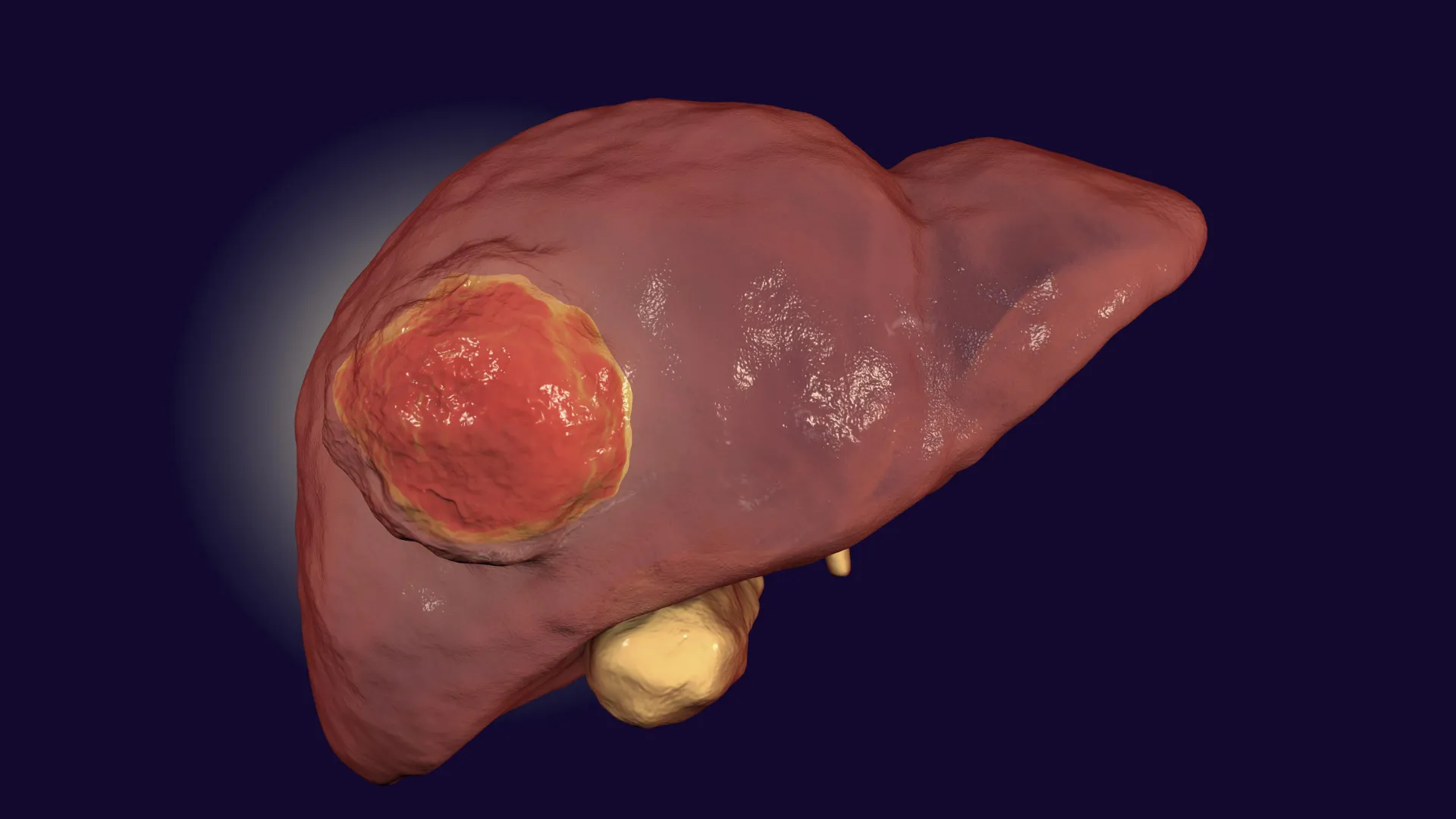
A rare and aggressive form of liver cancer, fibrolamellar carcinoma (FLC), has long presented a formidable challenge to medical science, particularly resisting the advanced therapeutic promise of immunotherapy. This innovative treatment harnesses the body’s own immune system to identify and attack cancerous cells. Now, a groundbreaking study offers a beacon of hope, identifying a potential strategy to circumvent this inherent resistance by repurposing an FDA-approved drug, already established for another medical condition. This discovery could redefine the treatment landscape for FLC, offering new avenues for patients who currently face limited options and a bleak prognosis.
Understanding the Enigma: Fibrolamellar Carcinoma’s Unique Challenges
Fibrolamellar carcinoma is an exceptionally rare malignancy, accounting for a mere 1% to 2% of all primary liver cancer cases. Its rarity, however, belies its devastating impact. Unlike hepatocellular carcinoma, the most common form of liver cancer, FLC predominantly strikes children, adolescents, and young adults, typically under the age of 40, an age demographic where cancer is generally uncommon. This makes its diagnosis particularly heart-wrenching for families and presents unique challenges for medical professionals accustomed to treating more prevalent adult cancers.
The disease often progresses silently, with symptoms appearing only in advanced stages when the cancer has already metastasized, frequently to the lymph nodes, peritoneum, or lungs. This late-stage detection drastically curtails treatment options, which primarily revolve around surgical resection if the tumor is localized and operable. For those with widespread disease, chemotherapy and radiation therapies have shown limited efficacy, contributing to the grim survival statistics. The five-year survival rate for patients with advanced or metastatic FLC remains dismally low, underscoring the urgent need for novel and effective therapeutic strategies. The absence of a targeted therapy or a curative medical treatment has left patients and their families in a desperate search for alternatives, often turning to clinical trials with uncertain outcomes.
The Immunotherapy Puzzle: Why FLC Resisted and the Promise it Holds
Immunotherapy, particularly immune checkpoint inhibitors (ICIs), has revolutionized cancer treatment over the past decade. These therapies work by releasing the "brakes" on the immune system, allowing the body’s T cells – critical immune effector cells – to recognize and destroy cancer cells. ICIs have achieved remarkable successes in a variety of cancers, including melanoma, lung, kidney, and certain liver cancers, transforming previously untreatable diseases into manageable conditions for many patients. However, the efficacy of ICIs is not universal. Many cancers, such as pancreatic, prostate, and certain brain cancers, as well as FLC, have proven stubbornly resistant.
The study, published in the esteemed journal Gastroenterology, delves into the fundamental reasons behind FLC’s recalcitrance to immunotherapy. Researchers discovered that fibrolamellar tumors actively manipulate their immediate surroundings, creating an immunosuppressive "microenvironment" that effectively thwarts the immune system’s attack. This manipulation manifests as "T-cell exclusion," a phenomenon where T cells, instead of infiltrating the tumor mass to engage and eliminate cancer cells, are shunted away and trapped in the periphery. This critical barrier prevents the immune system from executing its vital anti-cancer functions, rendering even potent immune checkpoint inhibitors ineffective. The challenge for researchers became clear: how to breach this protective shield and allow the immune system to access its target.
Unveiling the Tumor’s Secrets: Advanced Technology at Work
To gain an unprecedented, granular understanding of the complex interactions within the FLC tumor microenvironment, the research team employed cutting-edge technology: single-nucleus transcriptomics. This sophisticated technique allows scientists to isolate the nucleus of individual cells within a tumor tissue sample and analyze the activity of thousands of genes in each cell. Unlike traditional bulk sequencing methods that provide an average gene expression profile across a heterogeneous cell population, single-nucleus transcriptomics offers a high-resolution snapshot of the unique molecular landscape of every cell type present.
"It wasn’t until we were able to use this technology that the picture of the tumor microenvironment began to clear up for us," explained Andreas Stephanou, a co-first author on the study and a Cornell graduate student. This advanced approach enabled the researchers to precisely map the cellular composition of the FLC tumors, identify the specific cell types involved in immune evasion, and decipher the intricate signaling pathways that orchestrate T-cell exclusion. This level of detail was crucial in pinpointing the exact mechanism by which FLC protects itself from immune surveillance, laying the groundwork for a targeted intervention.
The Mechanism of Evasion: Fibrous Bands and Trapped T-Cells
The name "fibrolamellar carcinoma" itself hints at a defining characteristic of these tumors: the presence of thick, distinctive fibrous bands that crisscross the tumor mass. For years, the precise role of these fibrous structures in FLC’s progression and resistance to treatment remained an enigma. "Despite all of the recent advances in the study of this cancer, we still haven’t pinpointed how these fibrous bands contribute, if at all, to the tumor’s progression," Stephanou noted, highlighting a long-standing question in the field.
The study meticulously unraveled this mystery. Researchers discovered that these fibrous bands are not merely inert structural elements but are actively produced by stellate cells, which are typically quiescent liver cells. In the presence of FLC, these normal stellate cells undergo a profound transformation, becoming activated and adopting a pro-fibrotic phenotype. Once altered, these rogue stellate cells begin to churn out an abundance of fibrous proteins, which then coalesce to form the characteristic bands within the tumor.
Crucially, the single-cell technology revealed an even more insidious role for these altered stellate cells. Beyond their architectural contribution, they were found to be actively communicating with nearby T cells. These stellate cells emit specific signals that do not attract T cells to the cancerous cells, but rather redirect them towards the fibrous bands themselves. Effectively, the stellate cells create a molecular "decoy," luring the T cells into a trap within the dense fibrous matrix, where they become physically sequestered and unable to reach the tumor cells they are meant to destroy. This profound understanding of the signaling pathways involved in T-cell misdirection was a pivotal moment in the research.
A New Hope: Repurposing an Existing Drug to Restore Immune Cell Access
Armed with this detailed understanding of the T-cell exclusion mechanism, the researchers posed a critical question: "So, then we asked, what if we were to block this signaling in T cells with a compound?" said Praveen Sethupathy ’03, professor of physiological genomics and chair of the Department of Biomedical Sciences in the College of Veterinary Medicine at Cornell, who served as co-senior author of the study alongside Dr. Venu Pillarisetty, a surgical oncologist at the University of Washington.
Their investigation led them to AMD3100, a drug already approved by the U.S. Food and Drug Administration (FDA) for a completely different medical condition: hematopoietic stem cell mobilization for transplantation in patients with non-Hodgkin lymphoma and multiple myeloma. AMD3100, also known by its generic name Plerixafor, works by blocking the CXCR4 chemokine receptor, which plays a crucial role in cell trafficking and migration. The researchers hypothesized that if AMD3100 could disrupt the signaling pathways that trap T cells, it might enable these immune cells to penetrate the FLC tumors.
To test this hypothesis, the Pillarisetty laboratory at the University of Washington conducted experiments using patient-derived tumor tissue slices, a highly relevant pre-clinical model that preserves the complex architecture and cellular interactions of the native tumor. The results were compelling: treating these tumor slices with AMD3100 successfully guided T cells back into the very core of the tumors. Even more promising, when AMD3100 was combined with immune checkpoint inhibition, the activation of T cells surged significantly, leading to a marked increase in tumor cell death. This synergistic effect suggests that AMD3100 not only restores T-cell access but also enhances their anti-tumor activity when combined with established immunotherapy.
From Lab Bench to Bedside: The Path Forward
The discovery holds immense promise, primarily because AMD3100 is an existing FDA-approved drug. This crucial factor significantly de-risks and accelerates the potential timeline for clinical translation. "A compelling feature of this work is that AMD3100 is already FDA-approved, which can reduce risks and potentially speed up timelines for clinical trials in fibrolamellar carcinoma," Sethupathy emphasized. The rigorous safety and pharmacokinetic profiles of AMD3100 are already well-established, bypassing years of preclinical toxicology and early-phase human trials typically required for novel drug candidates.
The research team is now actively seeking collaborations with liver cancer specialists and clinical investigators interested in launching human clinical trials to evaluate this novel treatment approach in FLC patients. The hope is to initiate trials that would combine AMD3100 with immune checkpoint inhibitors, offering a two-pronged attack against this formidable cancer. Given the rarity of FLC, conducting clinical trials can be challenging, requiring a dedicated effort to identify and recruit eligible patients across multiple institutions. However, the dire need for effective treatments provides a strong impetus for rapid progression.
Voices from the Research Front and Broader Implications
The findings represent a significant stride forward in understanding and potentially treating FLC. "Our results provide among the first indications of why a type of immunotherapy called immune checkpoint inhibition hasn’t worked well in these patients, and even if this particular drug isn’t the end-all-be-all, it teaches us that this T-cell exclusion phenomenon is an important one to tackle in fibrolamellar carcinoma," Sethupathy articulated, highlighting the foundational scientific insight gained. This understanding of T-cell exclusion could also have broader implications, potentially informing treatment strategies for other "cold" tumors that similarly resist immunotherapy.
The research was a testament to collaborative science, involving teams from Cornell University and the University of Washington. Co-first authors of the study included Jason Carter and Lindsey Dickerson from the Pillarisetty laboratory, alongside Andreas Stephanou. Bo Shui, a senior research associate in the Sethupathy laboratory, also contributed as a co-author. The critical work was supported by funding from the Fibrolamellar Cancer Foundation, an organization dedicated to advancing research and finding a cure for this devastating disease. Their financial backing underscores the patient community’s fervent hope and investment in scientific breakthroughs.
This breakthrough offers a tangible ray of hope for young patients and their families battling FLC. By turning a previously resistant tumor into one potentially amenable to immunotherapy, and by leveraging an already approved drug, this research paves a potentially faster path to new treatment options, promising a future where the prognosis for fibrolamellar carcinoma is no longer defined by despair but by renewed possibility. The scientific community will keenly watch as this promising laboratory discovery translates into clinical trials, eagerly anticipating the impact it could have on countless lives.
