
 By admin
September marks the annual observance of Childhood Cancer Awareness Month, a period dedicated to highlighting the unique challenges faced by pediatric patients and the urgent necessity for specialized oncological research. While the month is characterized globally by the gold ribbon, the mission of organizations like the Children’s Cancer Research Fund (CCRF) transcends symbolic awareness. The primary objective is to facilitate a "return to childhood" for the thousands of children currently navigating the complexities of intensive medical treatments. For these families, the ultimate goal is the restoration of mundane yet vital experiences: the ability to play outside, attend school, and participate in community activities without the overshadowing presence of a life-threatening illness. These ordinary moments, often taken for granted by the general public, represent the culmination of years of scientific progress and the sustained financial support of private donors and corporate partners.
The necessity of this focus is underscored by the current landscape of pediatric oncology. While survival rates for certain types of childhood cancer have improved significantly over the last several decades, the journey toward a cure remains fraught with systemic obstacles. Private philanthropy plays a disproportionately large role in this sector because federal funding for cancer research is often heavily weighted toward adult-onset diseases. By mobilizing local communities and businesses, Childhood Cancer Awareness Month seeks to bridge this funding gap, ensuring that researchers have the resources necessary to develop treatments that are not only more effective but also less toxic to the developing bodies of young patients.
The Statistical Landscape and the Need for Pediatric-Specific Research
To understand the gravity of Childhood Cancer Awareness Month, one must examine the underlying data provided by the National Cancer Institute (NCI) and the American Cancer Society. Each year, approximately 15,000 children and adolescents in the United States under the age of 20 are diagnosed with cancer. Globally, this number exceeds 300,000. Despite these figures, pediatric cancer research receives only about 4% of the NCI’s annual budget. This discrepancy necessitates a reliance on organizations like CCRF to fund the initial stages of high-risk, high-reward research that can lead to major breakthroughs.
Furthermore, the nature of childhood cancer differs fundamentally from adult cancers. Most adult cancers are the result of lifestyle factors or environmental exposures over time, whereas childhood cancers are often the result of DNA changes that occur early in life. Consequently, treatments designed for adults—such as certain forms of chemotherapy and radiation—can have devastating "late effects" on children. These can include cognitive impairments, secondary cancers, and organ damage. Therefore, the drive for "better" treatments mentioned by CCRF refers specifically to the development of precision medicine and targeted therapies that minimize long-term morbidity, allowing survivors to lead healthy, productive lives.
A Chronology of Childhood Cancer Awareness and CCRF’s Evolution
The formal recognition of Childhood Cancer Awareness Month has its roots in the late 20th century. While various organizations began advocating for a dedicated month in the 1980s, it was not until 1990 that President George H.W. Bush issued a proclamation establishing October as National Awareness Month for Children with Cancer. In subsequent years, the observance shifted to September to align with global movements and the adoption of the gold ribbon as the official symbol for pediatric cancer awareness, mirroring the pink ribbon for breast cancer and the red ribbon for HIV/AIDS.
The Children’s Cancer Research Fund itself has a storied history of community-driven impact. Founded in 1981 following the death of 13-year-old Katie Hageboeck, the organization began as a small grassroots effort to honor her memory by supporting the work of doctors at the University of Minnesota. Over the past four decades, it has evolved into a national powerhouse, funding over $200 million in research and support services. The organization’s timeline is marked by a shift from general fundraising to a strategic focus on clinical trials, survivorship programs, and health equity in pediatric care.
Strategic Community Engagement and DIY Philanthropy
A central pillar of this year’s awareness month is the democratization of fundraising. CCRF emphasizes that there is no singular method for contribution, encouraging "do-it-yourself" (DIY) fundraising as a way to personalize the cause. This model allows individuals to leverage their unique skills and social networks to generate support.
- Personalized Fundraisers: From traditional lemonade stands and golf tournaments to modern digital birthday fundraisers, the DIY approach allows supporters to integrate philanthropy into their existing lifestyles. This method has proven particularly effective in reaching younger demographics who prefer peer-to-peer giving platforms over traditional institutional donations.
- Honor and Memorial Pages: The creation of digital tribute pages serves a dual purpose. It provides a space for families to share the narratives of survivors or those lost to the disease, fostering a sense of community and shared experience. Simultaneously, these pages act as a permanent portal for donations, often raising significant sums through the power of personal storytelling.
- The "Scare Away Cancer" Initiative: As October approaches, the transition from September’s awareness month into Halloween is utilized as a tactical fundraising window. By incorporating QR codes into trick-or-treat displays or hosting "party with a purpose" events, donors can transform a holiday focused on childhood joy into a mechanism for supporting pediatric health.
Twin Cities Business Coalition: Localized Impact and Corporate Responsibility
In the Twin Cities region of Minnesota, the call to action has been met with significant participation from the local business community. These partnerships are critical as they provide high-visibility opportunities for the public to contribute through everyday transactions.
R.F. Moeller Jeweler: Throughout the month of September, the local jeweler has committed to donating 100% of its watch battery sales to the Children’s Cancer Research Fund. This initiative is particularly symbolic, as the maintenance of timepieces reflects the organization’s broader goal of giving children "more time" for the moments that define childhood. By visiting the company’s Minnesota locations, consumers can participate in a high-impact donation where the entirety of the purchase price goes directly toward research.
Punch Pizza: From September 21 through September 25, the Twin Cities-based Neapolitan pizza chain is donating 10% of all pizza sales to CCRF. This type of high-volume, short-duration campaign is designed to drive community engagement and provide a tangible way for families to support other families. The timing of the campaign, late in the month, serves to maintain momentum as Childhood Cancer Awareness Month nears its conclusion.
Spoon & Stable: The upscale Minneapolis restaurant is participating through a curated culinary contribution. A portion of the proceeds—specifically 20%—from the "Julian’s Manhattan" cocktail is being directed to the fund. This partnership highlights the diverse range of industries involved in the cause, from casual dining to fine culinary establishments, and honors the specific stories of those affected by the disease.
Blaze Credit Union: Financial institutions like Blaze Credit Union provide the structural support necessary for these campaigns to succeed. Their involvement signifies the role of the corporate sector in fostering community resilience and supporting the long-term health of the region’s youth.
Analysis of Economic and Social Implications
The integration of corporate social responsibility (CSR) into Childhood Cancer Awareness Month has profound implications for both the non-profit and private sectors. For CCRF, these partnerships provide a diversified revenue stream that is less susceptible to the fluctuations of large-scale government grants. For the businesses involved, such as Punch Pizza and R.F. Moeller, participation can enhance brand loyalty and strengthen community ties.
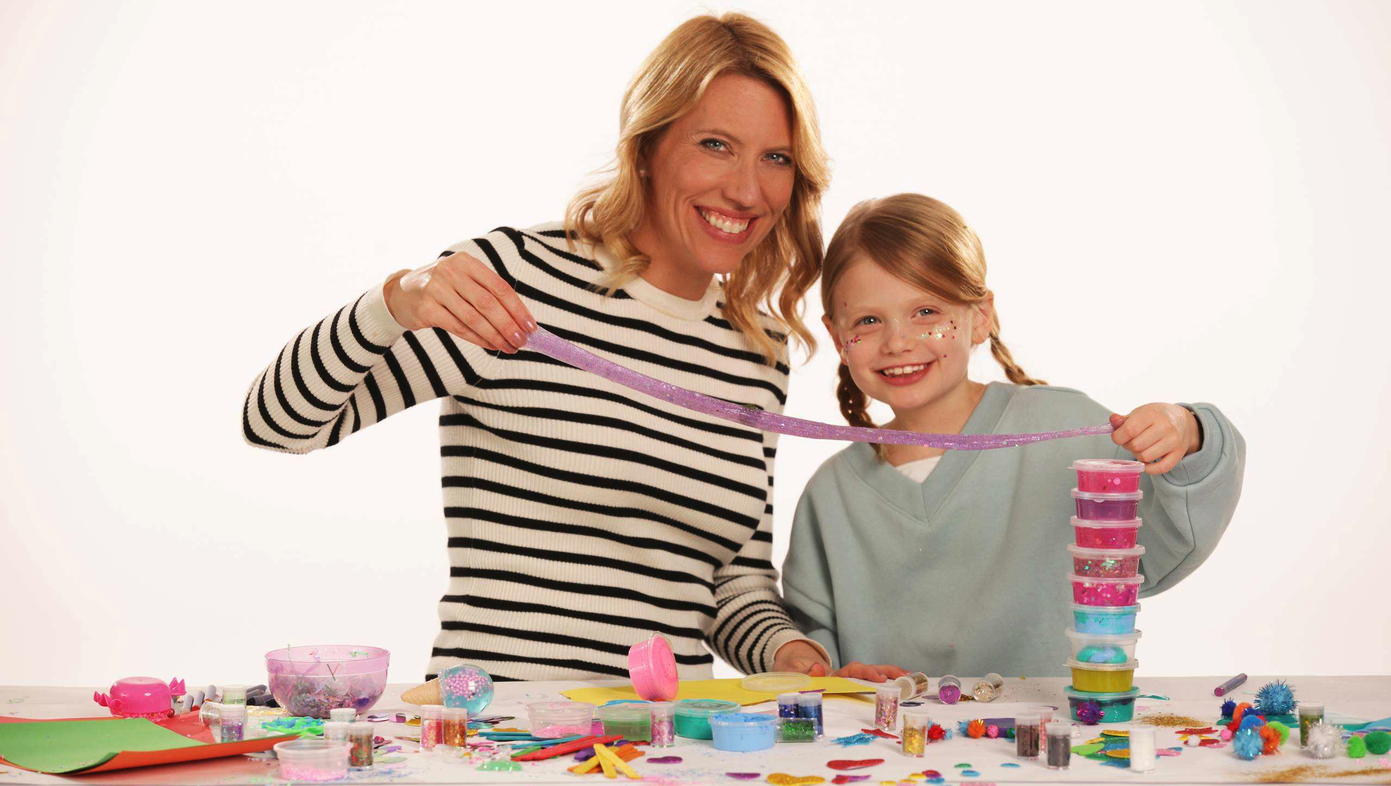
From a sociological perspective, these campaigns serve to de-stigmatize childhood cancer and integrate the struggle of affected families into the broader public consciousness. By framing the issue around "moments that matter"—the "muddy pants" and "glitter-covered craft tables"—the campaign moves away from a purely clinical or tragic narrative. Instead, it focuses on the potential for recovery and the restoration of normalcy. This shift in messaging is essential for maintaining long-term donor engagement and reducing the "compassion fatigue" that can sometimes accompany health-related awareness months.
Institutional Response and the Future of Pediatric Oncology
Medical professionals and researchers at leading institutions, including the University of Minnesota Masonic Cancer Center, have frequently noted that the funds raised during September are vital for the "seed stage" of research. These funds allow scientists to gather preliminary data required to apply for larger federal grants. Without this initial private investment, many innovative theories regarding immunotherapy or genomic sequencing might never reach the clinical trial stage.

The "Together, we’re turning support into research" slogan used by CCRF encapsulates the operational philosophy of modern philanthropy. It acknowledges that while awareness is the starting point, the ultimate metric of success is the translation of dollars into medical outcomes. As Childhood Cancer Awareness Month continues to grow in scope, the focus is increasingly on "precision philanthropy"—targeting specific gaps in the care continuum, from early diagnosis to long-term survivorship support.
The broader impact of these efforts is seen in the rising survival rates for pediatric cancers, which now average around 85%. However, for the 15% of children for whom current treatments are ineffective, and for the 100% of survivors who face potential long-term health challenges, the work funded in September remains a matter of absolute urgency. The mobilization of the Twin Cities community and the broader national public represents a collective refusal to accept the status quo in pediatric oncology, driving toward a future where every child can return to the simple, extraordinary moments of a healthy childhood.
