
 By Suherman Candra Maholtra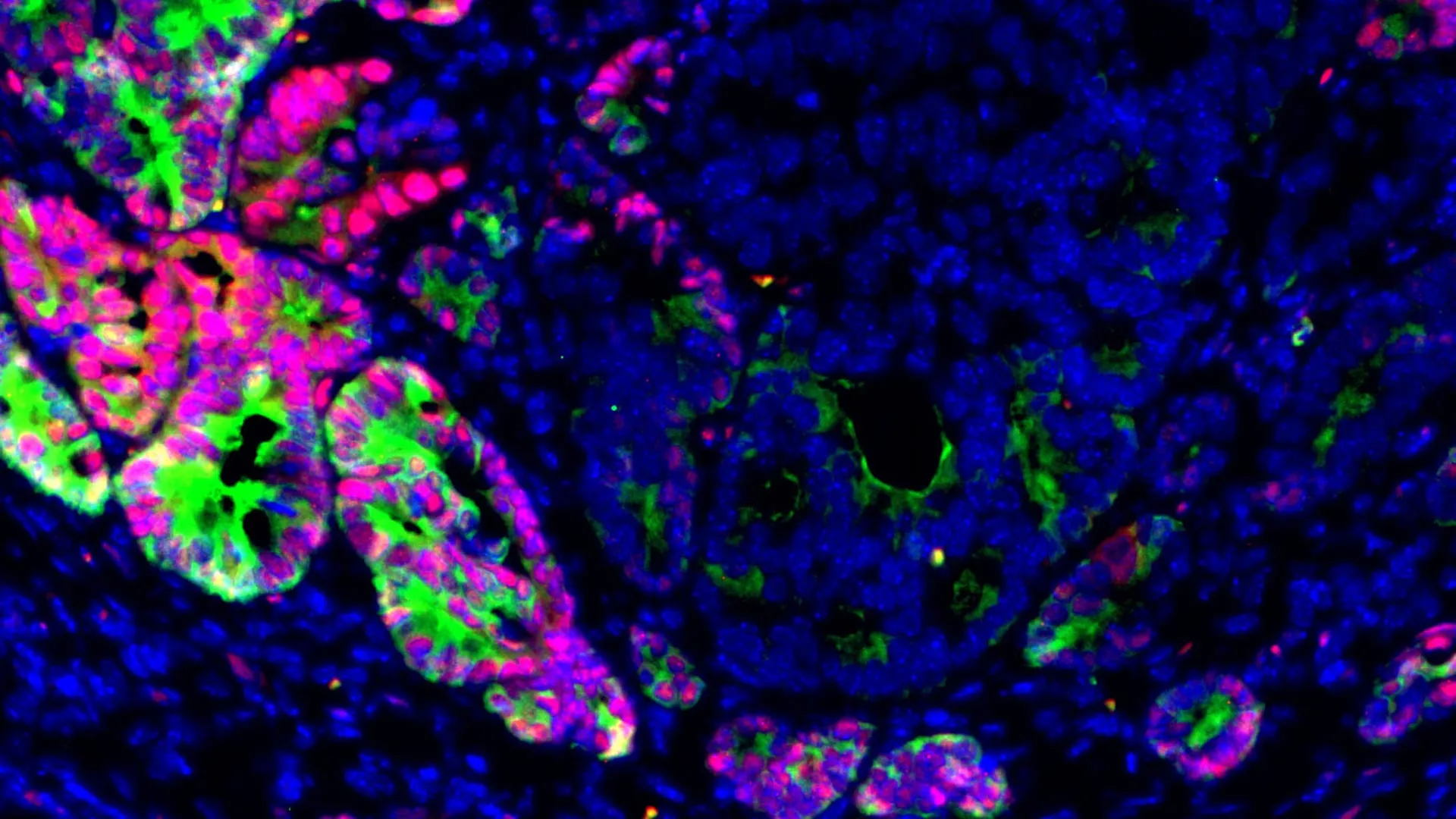
The fight against colorectal cancer has long been a battle against the clock and the biological tendency of tumors to migrate. While primary tumors in the colon are often treatable through surgery and localized therapies, the prognosis for patients changes dramatically once the disease spreads to distant organs. New research led by scientists at Weill Cornell Medicine and the Massachusetts Institute of Technology (MIT) has uncovered a pivotal molecular mechanism that facilitates this spread. The study, published in the journal Cell Stem Cell, identifies the loss of a transcription factor known as GATA6 as a critical "switch" that transforms relatively sedentary cancer cells into highly mobile, metastatic agents capable of colonizing the liver.
Colorectal cancer (CRC) remains the third most common cancer diagnosed in both men and women in the United States and the second leading cause of cancer-related deaths worldwide. According to the American Cancer Society, approximately 153,000 individuals were diagnosed with CRC in 2023 alone. The vast majority of deaths associated with this disease—up to 90 percent—are not caused by the primary tumor itself but by metastasis. The liver is the most frequent site of spread, occurring in roughly 70 percent of patients with metastatic disease. Understanding why and how these cells leave the colon and take root in the liver is essential for improving survival rates.
The Mystery of the Metastatic Driver
For decades, the prevailing theory in oncology was that metastasis was driven by specific genetic mutations—permanent alterations in the DNA sequence—that provided cancer cells with the "instructions" needed to travel. However, extensive genomic sequencing of primary colorectal tumors and their corresponding liver metastases has often failed to identify a consistent "metastasis gene." In many cases, the genetic profile of the metastatic tumor is nearly identical to the primary tumor, leaving researchers puzzled as to what actually triggers the spread.
The team led by Dr. Norihiro Goto, assistant professor of medicine at Weill Cornell, and Dr. Omer H. Yilmaz, associate professor of biology at MIT, shifted their focus from genetics to epigenetics. Epigenetics involves changes in gene expression that do not alter the underlying DNA sequence but instead control which genes are "turned on" or "off." Their investigation led them to GATA6, a transcription factor that acts as a "master regulator" or "identity keeper" for the cells lining the human intestine. In a healthy state, GATA6 ensures that intestinal cells maintain their specialized functions, such as nutrient absorption and barrier protection.
The researchers discovered that in the context of cancer, the loss of GATA6 allows cells to abandon their specialized identity. This loss of identity, referred to as lineage plasticity, enables cancer cells to revert to a more primitive, flexible, and fetal-like state. These "de-differentiated" cells are far more resilient and adaptable, qualities that are essential for surviving the arduous journey through the bloodstream and the foreign environment of the liver.
Innovative Modeling Using Tumor Organoids
To observe the earliest stages of metastasis—a process that is virtually impossible to track in human patients in real-time—the research team developed a sophisticated laboratory model using organoids. These are three-dimensional, miniature versions of tumors grown from cells derived from human liver metastases. These organoids provide a more accurate representation of human biology than traditional two-dimensional cell cultures.
The scientists implanted these organoids into the colons of mice and utilized a technique involving serial transplantation. By allowing tumors to grow, identifying the most aggressive cells that spread to the liver, and then re-implanting those cells into new models, the team was able to "distill" the metastatic process. This allowed them to observe the molecular shifts that occurred as the cancer became increasingly invasive.
Their findings were striking: as the cancer cells became more metastatic, GATA6 levels plummeted. This was observed not only in the mouse models but also in clinical samples from human patients. When the researchers analyzed data from patients with colorectal cancer, they found a direct correlation between low GATA6 expression and significantly poorer survival outcomes. This clinical data reinforced the laboratory findings, suggesting that GATA6 is a central player in human disease progression.
The Transition to a Fetal-Like State
The study provides a detailed look at how GATA6 loss alters cellular behavior. One of the most significant changes observed was the loss of LGR5, a protein that serves as a marker for adult intestinal stem cells. While LGR5-positive cells are highly active in the growth of primary tumors, the researchers found that they are less effective at initiating metastasis.
When GATA6 is silenced, the cancer cells shift from an LGR5-positive state to an LGR5-negative state. In this transition, the cells activate genetic programs that are typically only seen during embryonic development. This "fetal program" is naturally used by the body during wound healing, allowing cells to become mobile and flexible to repair damaged tissue. However, cancer hijacks this mechanism. By adopting this fetal-like state, colorectal cancer cells gain the ability to detach from the primary tumor, enter the circulatory system, and eventually establish new colonies in the liver.
"When we genetically delete GATA6, the frequency and burden of liver metastases in mouse models significantly increase," noted Dr. Norihiro Goto. Interestingly, the loss of GATA6 had little to no effect on the growth rate of the primary tumor in the colon. This suggests that the speed at which a tumor grows is not necessarily an indicator of its likelihood to spread; rather, it is the internal cellular "reprogramming" that dictates metastatic potential.
Clinical Implications and Potential Biomarkers
The identification of GATA6 as a regulator of metastasis has immediate implications for how colorectal cancer might be monitored and treated in the future. Currently, doctors rely on staging systems that look at tumor size and lymph node involvement to predict risk. The inclusion of GATA6 levels as a biomarker could provide a more nuanced "molecular stage" for the disease.
Patients whose primary tumors show low levels of GATA6 could be identified as "high risk" for liver metastasis, even if their primary tumor is small or has not yet reached the lymph nodes. Such patients might benefit from more frequent imaging, more aggressive adjuvant chemotherapy, or new targeted therapies designed to prevent the metastatic transition before it begins.
Furthermore, the research offers a new target for drug development. While it is traditionally difficult to "restore" a missing protein like GATA6, scientists can look for the downstream pathways that GATA6 normally suppresses. If a drug can block the "fetal program" that is activated when GATA6 is lost, it may be possible to "lock" cancer cells in their non-metastatic, specialized state.
Challenges and the Path Forward
Despite the promise of these findings, the researchers caution that translating this into a clinical therapy will be complex. The biological programs that GATA6-deficient cancer cells use—such as lineage plasticity and fetal-like transitions—are the same programs the body uses for healthy tissue regeneration and wound repair. A therapy that broadly inhibits these processes could potentially interfere with the body’s ability to heal itself.
"In addition to treating primary tumors, we need to find strategies to target the mechanism of liver metastasis," Dr. Goto stated. The next phase of the research will focus on identifying "vulnerabilities" that are unique to GATA6-deficient cells. By finding a metabolic or signaling pathway that these specific cancer cells rely on—one that healthy regenerating cells do not—researchers could develop a more surgical approach to treatment.
The team also plans to investigate the role of the "tumor microenvironment." The liver is an immunologically unique organ, and the way the liver’s own cells and immune system interact with incoming GATA6-deficient cancer cells likely plays a major role in whether a metastasis successfully takes root. Understanding this "soil and seed" dynamic will be crucial for developing comprehensive treatments.
Conclusion
The discovery of the GATA6 "switch" represents a significant shift in the understanding of colorectal cancer. It moves the focus away from a hunt for elusive "metastasis mutations" and toward a more dynamic understanding of cellular identity and epigenetic plasticity. By demonstrating that the spread of cancer is a result of a cell "forgetting" its identity and reverting to an embryonic-like state, the researchers at Weill Cornell and MIT have opened a new door for diagnostic and therapeutic innovation.
As the medical community continues to move toward personalized medicine, insights into the molecular drivers of metastasis like GATA6 will be vital. For the thousands of patients diagnosed with colorectal cancer each year, this research offers hope for a future where the deadliest aspect of the disease—its ability to spread—can be predicted, intercepted, and ultimately stopped.
This research was a collaborative effort supported by numerous institutions, including the National Institutes of Health, the Pew-Stewart Trust, and the Mark Foundation for Cancer Research, highlighting the global importance of unraveling the complexities of metastatic disease.
