
 By admin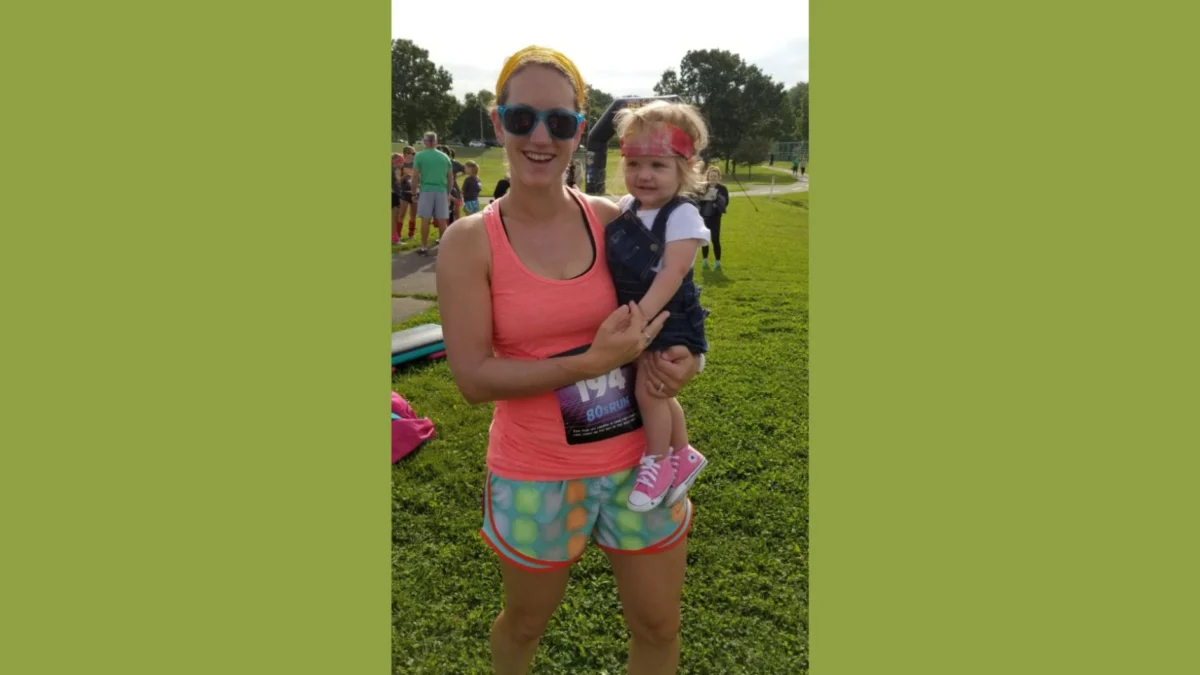
The scenic North Shore of Lake Superior is set to become the backdrop for a powerful display of endurance and philanthropy as thousands of runners descend upon Duluth, Minnesota, for the annual Grandma’s Marathon weekend. Among the sea of athletes navigating the 26.2-mile course from Two Harbors to Canal Park are dedicated members of Team CCRF, a fundraising arm of the Children’s Cancer Research Fund (CCRF). This year, the participation of runners like Tim Lapping and Tami Swenson highlights a mission that transcends personal fitness goals, focusing instead on the urgent need for expanded pediatric oncology research and the development of less toxic treatments for the nation’s youngest cancer patients.
Grandma’s Marathon, now in its 48th year, has evolved from a local race with 150 participants in 1977 into one of the premier long-distance running events in the United States. It currently ranks as the 11th largest marathon in the country, known for its fast, point-to-point course and the enthusiastic community support that lines the route. However, for Team CCRF, the event serves as a critical platform for raising awareness and capital. The funds generated by these "charity bib" runners are directed toward groundbreaking research at leading institutions, aiming to bridge the significant funding gap that exists between adult and pediatric cancer studies.
The Professional and Personal Intersection of Tim Lapping
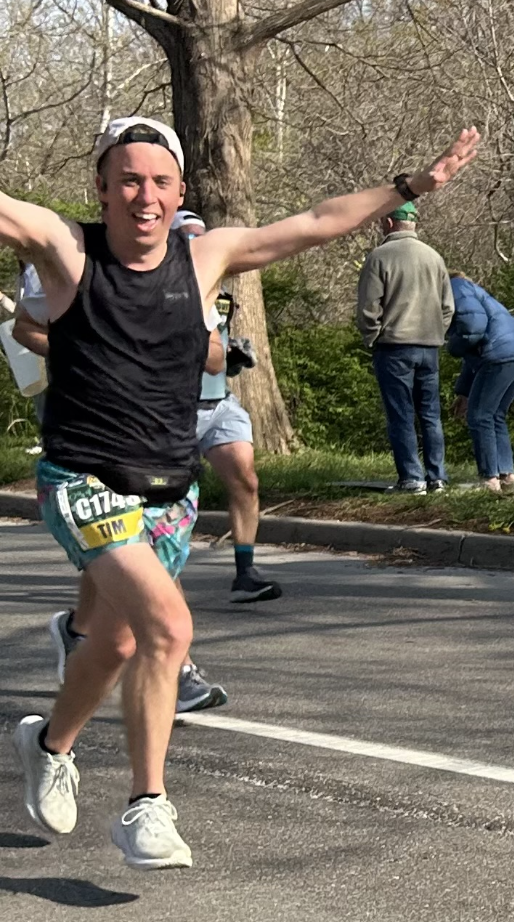
For Tim Lapping, a clinical research professional based in Kansas City, the decision to run his first-ever marathon in Duluth was driven by a unique confluence of professional insight and personal experience. Having spent over a decade working within the clinical research sector—specifically focusing on oncology studies at a local children’s hospital—Lapping possesses a deep understanding of the mechanics behind medical breakthroughs. He has witnessed the rigorous process of clinical trials and the transformative power of donor-funded research in bringing new therapies from the laboratory to the bedside.
Lapping’s professional perspective was put to the ultimate test when his four-year-old nephew was diagnosed with leukemia. The diagnosis shifted Lapping’s view of oncology from a series of data points and protocols to a harrowing family reality. His nephew underwent years of intensive treatment, a process that relies heavily on the advancements made in pediatric hematology over the last several decades. Today, his nephew has been cancer-free for two years, a milestone Lapping attributes directly to the sustained investment in research.
"He’s been cancer-free for about two years now, and I know that wouldn’t have been possible without years and years of research," Lapping stated. His participation in Grandma’s Marathon represents a full-circle moment. By training four days a week and engaging in rigorous fundraising, Lapping is contributing to the same cycle of innovation that saved his family member. For Lapping, the marathon is not merely a personal challenge but a "noble cause" that provides a broader purpose to every mile logged during the grueling training months. His journey to Duluth is also a family affair, as he is joined by his wife, Sophie, and his sons, Freddie and Beau, underscoring the communal nature of the fight against childhood disease.
Tami Swenson: Running in Memory of Ada
While Lapping runs in celebration of a recovery, Tami Swenson runs to honor a legacy and process a profound loss. Swenson, a seasoned marathoner with more than 15 races under her belt across California, is making her debut at Grandma’s Marathon under the banner of Team CCRF. Her motivation is deeply rooted in the memory of her daughter, Ada, who passed away in 2023 at the age of five after a 15-month battle with leukemia.
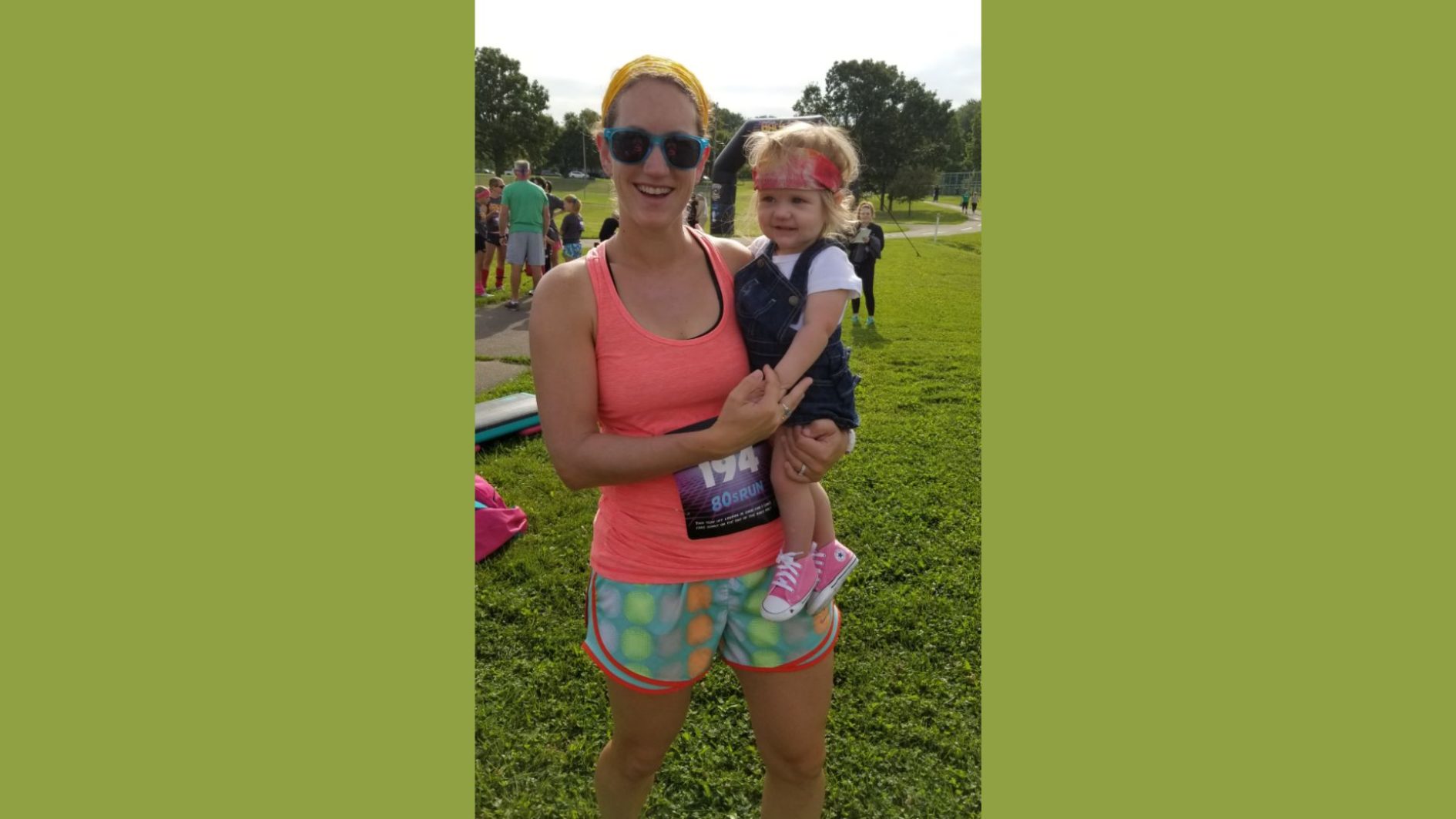
Ada’s journey through the healthcare system was exhaustive, involving chemotherapy, a bone marrow transplant, and participation in two separate clinical trials. Despite the physical toll of these treatments, Ada’s spirit remained a point of inspiration for her family and medical staff. She was known for riding her bike through hospital hallways and was rarely seen without her "C.C. Bear," a stuffed animal provided by CCRF as part of their support programs for families in treatment.
For Swenson, the transition to the Midwest for this iconic race is a symbolic step in her grieving and healing process. She noted that the beauty of Lake Superior and the reputation of the Duluth running community have been on her bucket list for years. More importantly, the act of running serves as a vital outlet. "When I’m having a tough time training, thinking about why I’m doing it gets me through the miles," Swenson shared. Her story highlights a grim reality in pediatric oncology: despite high survival rates for some forms of leukemia, many children still face resistant strains or suffer long-term health complications from the very treatments meant to save them.
The Critical Need for Pediatric Cancer Funding
The stories of Lapping and Swenson are set against a backdrop of significant disparities in medical research funding. According to data from the National Cancer Institute (NCI) and various advocacy groups, pediatric cancer receives only about 4% of the total federal funding allocated for cancer research. This "4% gap" means that the development of new drugs specifically designed for children lags significantly behind adult oncology.
Childhood cancers are biologically distinct from adult cancers; they are not simply "smaller versions" of adult diseases. They often require different therapeutic approaches. Because the market for pediatric drugs is smaller than for adult cancers, pharmaceutical companies often lack the financial incentive to invest in the necessary research and development. This is where organizations like the Children’s Cancer Research Fund play a pivotal role. By providing seed grants to researchers and funding early-stage clinical trials, CCRF helps bridge the gap between initial discovery and large-scale implementation.
The impact of this funding is measurable. Since the mid-1970s, the overall five-year survival rate for childhood cancer has risen from about 58% to over 85%. However, for certain types of high-risk leukemia, brain tumors, and sarcomas, the prognosis remains poor. Furthermore, the "cost of cure" is high; approximately two-thirds of childhood cancer survivors develop at least one chronic health condition later in life, such as heart disease, secondary cancers, or cognitive impairments, due to the toxicity of current treatments. Research funded by Team CCRF participants aims not only to increase survival rates but to develop "kinder" treatments that minimize these long-term side effects.
The Economic and Social Impact of Grandma’s Marathon
Grandma’s Marathon is more than just a sporting event; it is a vital economic engine for Northern Minnesota. According to economic impact studies conducted in previous years, the race weekend generates upwards of $20 million for the local Duluth economy. Hotels, restaurants, and local businesses see a surge in activity as nearly 20,000 runners and their families visit the region.
However, the social impact of the race is perhaps even more significant. The event provides a high-visibility platform for non-profit organizations. Team CCRF is one of several "charity partners" that utilize the race to mobilize donors. The marathon atmosphere—characterized by thousands of spectators and a shared sense of community achievement—amplifies the message of these charities. For runners, the inclusion of a charitable component adds a layer of psychological resilience. Studies in sports psychology suggest that "prosocial motivation"—running for the benefit of others—can enhance performance and persistence in endurance sports, a sentiment echoed by both Lapping and Swenson.
Chronology of the Race Weekend and Team CCRF Participation
The Grandma’s Marathon weekend is a multi-day festival of fitness that begins with the Essentia Health Fitness Expo at the Duluth Entertainment Convention Center (DECC). Here, Team CCRF members gather to share stories and prepare for the logistics of race day.
- Friday: The weekend kicks off with the William A. Irvin 5K, a race that winds through the Canal Park district. Many Team CCRF supporters participate in this shorter distance to show solidarity.
- Saturday Morning: The main events—the Garry Bjorklund Half Marathon and the full Grandma’s Marathon—commence. Runners are bussed from Duluth to the starting lines in Two Harbors.
- The Course: Participants run south along Scenic Highway 61. The route is famous for its rolling hills and the cooling "lake effect" breeze from Lake Superior.
- The Finish Line: The race concludes in the heart of Canal Park, where Team CCRF maintains a presence to welcome their runners home.
The training cycle for these athletes typically spans 16 to 20 weeks, involving hundreds of miles of preparation. For the Team CCRF athletes, this physical preparation is paired with a digital fundraising campaign, where they leverage social media and personal networks to solicit donations that go directly to research initiatives.
Analysis of Implications: The Future of Community-Driven Research
The participation of individual athletes in major marathons represents a shift in how medical research is funded. As federal budgets remain tight and the costs of clinical trials continue to rise, the role of private philanthropy and community-driven events has become indispensable.
The "Team CCRF" model demonstrates that collective individual action can result in institutional-level change. By lacing up their shoes, runners like Tim Lapping and Tami Swenson are doing more than crossing a finish line; they are ensuring that the next generation of pediatric oncologists has the resources to investigate rare mutations and develop targeted therapies.
Furthermore, these events foster a unique support network. For Tami Swenson, running Grandma’s Marathon is a way to keep Ada’s memory active in the public consciousness. For Tim Lapping, it is a way to honor the scientists and doctors whose work saved his nephew. These personal narratives serve as the most effective recruitment tool for the organization, humanizing the statistics and encouraging others to join the cause.
Conclusion and Call to Action
As the runners of Grandma’s Marathon navigate the final miles through Duluth’s Lemon Drop Hill and into the cheers of Canal Park, the impact of their efforts will extend far beyond the race clock. The funds raised by Team CCRF will support the next wave of clinical trials, providing hope to families who are currently facing the same challenges the Lapping and Swenson families once did.
The Children’s Cancer Research Fund continues to invite athletes of all levels to join their mission. Whether participating in a 5K, 10K, half marathon, or full marathon, every participant contributes to a future where childhood cancer is no longer a life-threatening diagnosis. Those interested in joining Team CCRF or supporting the runners can find more information and registration details at the organization’s official marathon portal. As the race organizers and charity partners look toward the future, the goal remains clear: to continue running until a cure is found for every child.
