
 By admin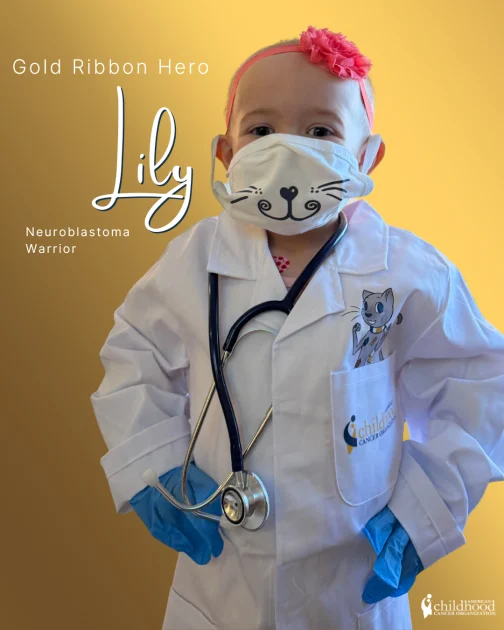
The diagnostic journey for pediatric neuroblastoma often begins with symptoms that mimic common childhood ailments, leading to a complex and frequently delayed path to specialized oncological care. In the case of Lily, a two-year-old patient now facing her second bout with the disease, the initial clinical presentation was characterized by abdominal discomfort. At the age of 18 months, what was initially suspected by her family to be routine constipation was later identified as a significant abdominal mass. This discovery marked the beginning of a multi-stage medical intervention that highlights both the aggressive nature of pediatric cancers and the rigorous treatment protocols required to combat them.
The Clinical Progression of Neuroblastoma and Initial Intervention
Neuroblastoma is a rare form of cancer that develops from immature nerve cells found in several areas of the body, most commonly arising in and around the adrenal glands. It remains the most common extracranial solid tumor in childhood, accounting for approximately 7% to 10% of all pediatric oncology cases. For Lily, the diagnosis at 18 months necessitated an immediate and intensive therapeutic regimen designed for high-risk cases.
The standard of care for advanced neuroblastoma involves a multimodal approach. Lily’s initial treatment plan included cycles of induction chemotherapy aimed at shrinking the primary tumor and addressing any metastatic spread. This was followed by surgical resection to remove the abdominal mass. To ensure the eradication of residual microscopic disease, Lily underwent high-dose chemotherapy followed by autologous bone marrow transplants—a process involving the harvesting and reinfusion of the patient’s own stem cells to rescue the bone marrow after intensive treatment.
Following the transplant phase, the protocol moved into consolidation and maintenance, utilizing external beam radiation and immunotherapy. Immunotherapy, specifically targeting the GD2 protein often found on neuroblastoma cells, has become a cornerstone in improving survival rates for high-risk patients. By September 2025, after nearly a year of exhaustive medical intervention, Lily was declared to be in remission.
The Challenge of Central Nervous System Relapse
The period of remission for Lily and her family was tragically brief. Within two months of completing her primary treatment, new clinical symptoms emerged. In November 2025, Lily began experiencing persistent headaches, a red flag in pediatric oncology that often prompts immediate neuroimaging. Subsequent scans revealed that the neuroblastoma had returned, this time manifesting as a secondary site within the brain.
Relapse in the central nervous system (CNS) represents a significant clinical challenge in the management of neuroblastoma. Historically, the blood-brain barrier has limited the effectiveness of many systemic chemotherapies, as these drugs often cannot reach therapeutic concentrations within the brain tissue. Consequently, the brain can act as a "sanctuary site" where cancer cells may survive even after a patient achieves systemic remission.
Upon the discovery of the relapse, Lily underwent urgent brain surgery to remove the new growth. She has since transitioned back into an active treatment phase, which includes a combination of chemotherapy, specialized immunotherapy, and targeted radiation. The shift from a "warrior" in remission back to an active patient underscores the volatile nature of this specific malignancy and the constant vigilance required from both medical teams and caregivers.
Statistical Landscape and Research Context
The data surrounding neuroblastoma highlights why cases like Lily’s are so critical to pediatric research. According to the American Cancer Society, about 800 new cases of neuroblastoma are diagnosed each year in the United States. While the five-year survival rate for neuroblastoma has improved significantly over the last several decades—climbing from roughly 15% in the 1970s to approximately 81% for all risk groups combined today—the prognosis for relapsed high-risk neuroblastoma remains a primary concern for oncologists.
For patients who experience a relapse in the CNS, the medical community continues to seek more effective interventions. Current research is heavily focused on liquid biopsies for earlier detection of relapse and the development of small-molecule inhibitors that can more effectively cross the blood-brain barrier. The rarity of these cases means that much of the progress is driven by clinical trials and the sharing of data between major pediatric oncology centers worldwide.
The Role of Family Vigilance and Caregiver Observations
A critical factor in Lily’s clinical history is the rapid response of her parents to subtle changes in her health. In both the initial diagnosis and the subsequent relapse, parental observation served as the catalyst for medical intervention. Pediatricians often emphasize that parents are the "first line of defense," as they are most attuned to deviations in a child’s behavior, appetite, and physical comfort.
Lily’s mother has described her daughter as "playful, loving, and spicy," a description that reflects the psychological resilience often seen in pediatric patients. In a clinical setting, maintaining a child’s spirit and personality is considered an essential component of holistic care. Child life specialists and pediatric psychologists work alongside oncologists to ensure that the developmental needs of the child are met, even while undergoing high-intensity treatments that necessitate long hospital stays and isolation from peers.
Economic and Societal Implications of Pediatric Cancer
The burden of pediatric cancer extends beyond the clinical realm, impacting the economic stability of families and the broader healthcare system. The cost of treating high-risk neuroblastoma—including multiple surgeries, bone marrow transplants, and long-term immunotherapy—is among the highest in the pediatric medical field. Many families face significant financial strain due to out-of-pocket costs, travel expenses for specialized care, and the loss of income as parents become full-time caregivers.
Organizations like the American Childhood Cancer Organization (ACCO) play a pivotal role in bridging the gap between medical necessity and family capability. These organizations provide resources for navigation, peer support, and advocacy for increased federal funding for pediatric-specific cancer research. Currently, pediatric cancer research receives a fraction of the federal funding allocated to adult cancers, a disparity that advocacy groups are working to change. The argument for increased funding is rooted in the long-term societal impact; children who survive cancer have decades of life ahead of them, making the "return on investment" for successful pediatric treatments exceptionally high in terms of quality-adjusted life years (QALYs).
Chronology of Events
To understand the trajectory of Lily’s medical journey, a clear timeline is essential:
- Initial Diagnosis (Age 18 Months): Presentation of abdominal pain; imaging reveals a large mass; diagnosis of neuroblastoma confirmed.
- Primary Treatment Phase: Implementation of a high-risk protocol including chemotherapy, surgical resection, autologous bone marrow transplants, radiation, and immunotherapy.
- Remission (September 2025): Completion of the primary protocol; scans show no evidence of disease.
- Relapse (November 2025): Onset of headaches; imaging confirms CNS involvement (brain tumor).
- Secondary Intervention: Successful brain surgery followed by a new regimen of chemotherapy, immunotherapy, and radiation.
- Current Status: Ongoing treatment with a focus on stabilizing the CNS relapse and preventing further systemic spread.
Future Outlook and Clinical Implications
The path forward for patients like Lily involves a combination of established protocols and emerging therapies. The medical community is increasingly looking toward personalized medicine, where the genetic profile of a tumor is analyzed to identify specific mutations that can be targeted with new drugs. In the case of relapsed neuroblastoma, participation in clinical trials is often a standard recommendation, as these trials provide access to the latest advancements in oncological science.
Lily’s story is a testament to the advancements in pediatric medicine that allow children to survive and fight back against aggressive malignancies. However, it also serves as a stark reminder of the limitations of current treatments and the persistent threat of relapse. The objective for the oncology community remains the development of "curative" therapies that not only achieve remission but also ensure long-term, relapse-free survival with minimal late-term side effects.
As Lily continues her treatment, her case remains a point of inspiration for advocacy groups and a call to action for the scientific community. The fight against neuroblastoma is a marathon of endurance, requiring the combined efforts of dedicated medical professionals, vigilant parents, and the courageous spirit of the patients themselves. Through continued research, increased funding, and a commitment to pediatric-specific healthcare solutions, the goal is to ensure that no child has to face the "warrior" path alone.
