
 By Suherman Candra Maholtra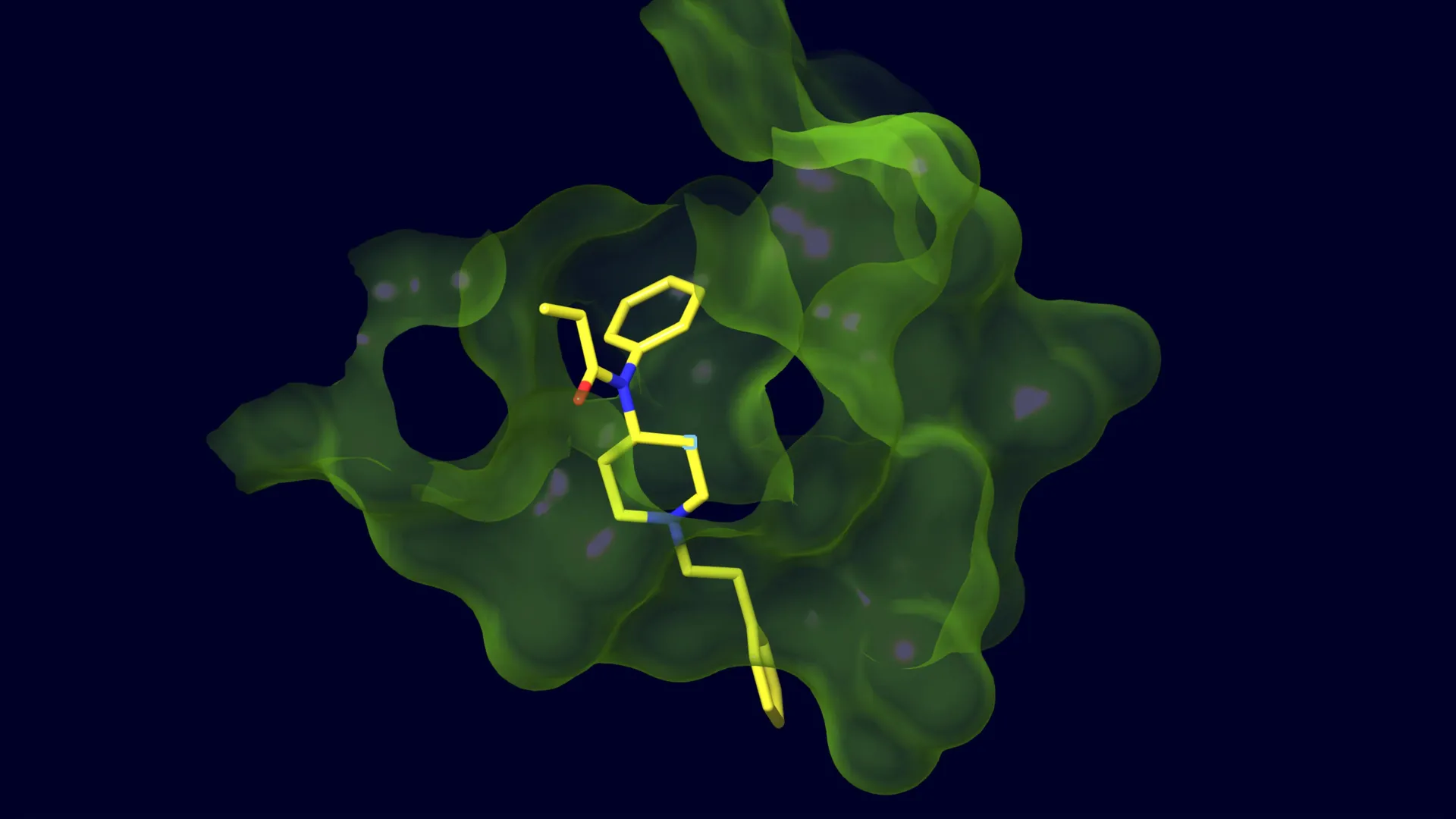
The opioid epidemic in the United States has reached a critical inflection point, with synthetic opioids—primarily fentanyl—now claiming more lives annually than motor vehicle accidents and firearm-related incidents combined. In response to this escalating public health emergency, researchers at Scripps Research have unveiled a groundbreaking experimental vaccine designed to neutralize fentanyl and its numerous synthetic derivatives before they can cross the blood-brain barrier. The study, recently published in the Journal of Medicinal Chemistry, marks a significant departure from traditional addiction treatments by shifting the focus from post-overdose intervention to proactive, long-term biological protection.
For years, the standard of care for opioid overdoses has relied heavily on naloxone, a fast-acting antagonist that displaces opioids from receptors in the brain to restore breathing. While effective, naloxone is a reactive measure that requires immediate administration by a bystander or first responder. Furthermore, the increasing prevalence of ultra-potent fentanyl analogues, such as carfentanil, often necessitates multiple doses of naloxone, which may still fail if the respiratory depression is too severe or the intervention too late. The Scripps Research team, led by Kim Janda, PhD, the Ely R. Callaway, Jr. Professor of Chemistry, proposes a more permanent shield: an immunotherapy that trains the patient’s own immune system to recognize and sequester fentanyl molecules in the bloodstream.
The Evolution of the Synthetic Opioid Crisis
To understand the necessity of a broad-spectrum vaccine, one must examine the shifting landscape of drug trafficking. Fentanyl is approximately 50 to 100 times more potent than morphine, and its synthetic nature allows for nearly infinite structural variations. Illicit "designer" labs frequently alter the chemical structure of fentanyl to create new analogues. These variants, such as acetylfentanyl, furanylfentanyl, and the notoriously lethal "China White," are often produced to circumvent legal regulations or to increase the potency of the product.
According to the Centers for Disease Control and Prevention (CDC), synthetic opioids were involved in over 70,000 of the 107,000 drug overdose deaths reported in the United States in a single 12-month period recently. The rapid onset of fentanyl-induced respiratory depression—often occurring within seconds or minutes of ingestion—leaves a dangerously narrow window for life-saving intervention. By developing a vaccine that provides continuous circulating antibodies, researchers hope to create a "safety net" for individuals at high risk of exposure.
A Radical Departure in Vaccine Design
Traditionally, vaccines for substance use disorders have utilized a "hapten" approach. In this model, a small molecule that closely resembles the target drug is attached to a larger carrier protein. The immune system, which typically ignores small drug molecules, notices the large protein and begins producing antibodies against the attached drug-like structure. However, this method has historically faced two major hurdles: the high level of regulation surrounding the use of controlled substances in research and the extreme specificity of the resulting antibodies.
"The way the fentanyl landscape is evolving, the black-market drug makers are constantly coming up with new versions to skirt regulations and avoid detection in standard screenings," Janda explained. "We need countermeasures that are going to work against all these future variants at once, not just one at a time."
To solve this, the Janda laboratory explored an unconventional molecular architecture. Instead of using a molecule that looked exactly like fentanyl, they utilized a modified molecule with a fundamentally different core structure. The team was initially uncertain if this "distorted" version would be recognized by the immune system in a way that translated to fentanyl protection.
Arran Stewart, a research associate in the Janda lab and the study’s first author, noted the experimental nature of the project. "The conventional wisdom says that to get the immune system to recognize fentanyl, you have to use something that looks like fentanyl. We were doing the opposite," Stewart said. The goal was to trigger an immune response that focused on the broader "molecular signature" of the fentanyl class rather than the specific details of a single variant.
Experimental Results and Efficacy Data
The researchers tested their vaccine candidate by administering four doses to mice over an eight-week period. The results were better than anticipated. The vaccine successfully induced high titers of antibodies that demonstrated a broad affinity for the fentanyl scaffold.
When the antibodies were exposed to various fentanyl-related compounds, they showed strong binding to fentanyl, carfentanil, China White, acetylfentanyl, and furanylfentanyl. Carfentanil is particularly concerning to public health officials, as it is roughly 10,000 times more potent than morphine and is traditionally used as a tranquilizer for large animals like elephants. The ability of the vaccine to recognize such a potent and structurally distinct analogue suggests a high level of versatility.
The physiological data from the animal trials provided further evidence of the vaccine’s potential. Mice that had been vaccinated were largely protected from the lethal effects of the drug. Key findings included:
- Respiratory Protection: Vaccinated mice maintained nearly normal breathing patterns even after being injected with doses of fentanyl that caused severe, life-threatening respiratory depression in the control group.
- Brain Concentration: Analysis showed that fentanyl levels in the brains of vaccinated mice were approximately 70% lower than those in unvaccinated mice. This indicates that the antibodies effectively "trapped" the drug in the blood, preventing it from crossing the blood-brain barrier where it would otherwise bind to mu-opioid receptors.
- Behavioral Preservation: The vaccinated animals did not exhibit the typical loss of motor control or sedation associated with high-dose opioid exposure.
Selectivity and Medical Compatibility
One of the most critical aspects of any drug vaccine is its selectivity. If a vaccine were to block all opioids, it could prevent a patient from receiving necessary pain relief in a medical emergency or during surgery.
The Scripps Research vaccine demonstrated remarkable precision. While it neutralized the fentanyl class of synthetic opioids, it did not bind to other commonly used medical opioids, such as morphine, oxycodone, remifentanil, or alfentanil. This means that a person vaccinated against fentanyl could still be treated with traditional painkillers in a hospital setting. Furthermore, the vaccine does not interfere with naloxone or methadone, ensuring that existing recovery and emergency protocols remain viable.
Chronology of Development and Future Outlook
The development of this vaccine is the culmination of decades of work in immunopharmacology. Kim Janda’s lab has been at the forefront of this field, previously developing vaccine candidates for heroin, nicotine, and cocaine. The transition to fentanyl research became a priority as the "third wave" of the opioid crisis—characterized by the rise of synthetics—began to eclipse heroin and prescription opioid deaths around 2013.
The timeline for this specific vaccine platform began with the discovery of the modified molecular architecture several years ago. After refining the chemical synthesis and conducting preliminary binding assays, the team moved into the comprehensive animal models described in the current study.
The next phase of development involves transitioning from murine models to non-human primates, followed by Phase I clinical trials in humans. These trials will be essential to determine the vaccine’s safety profile, the duration of the immune response, and the optimal dosage schedule. Funding for this research was provided by the Shadek Family Foundation, highlighting the role of private philanthropy in addressing gaps in public health research.
Broader Implications for Public Health Policy
If successfully translated to human use, a broad-spectrum fentanyl vaccine could serve several high-risk populations. It could be offered to individuals in substance abuse recovery programs as a prophylactic against accidental relapse and overdose. It could also provide a layer of protection for first responders and law enforcement officers who risk accidental exposure to high-potency powders during the course of their duties.
Beyond the immediate clinical benefits, the Scripps Research study offers a new paradigm for drug policy and pharmaceutical development. It suggests that science can move away from the reactive "cat-and-mouse" game of banning individual substances as they appear on the street. Instead, by targeting the chemical commonalities of an entire class of drugs, researchers can create "future-proof" interventions.
"The public health potential here is significant," Janda concluded. "But so is the lesson that we can design vaccines that recognize an entire drug class, not just a singular drug."
As the United States continues to grapple with the complexities of addiction and the influx of synthetic narcotics, the Scripps Research vaccine represents a hopeful shift toward biological resilience. While not a "silver bullet" for the social and psychological roots of addiction, it provides a powerful technological tool to reduce the mortality rate of a crisis that has, for too long, outpaced the reach of modern medicine.
