
 By Lina carolina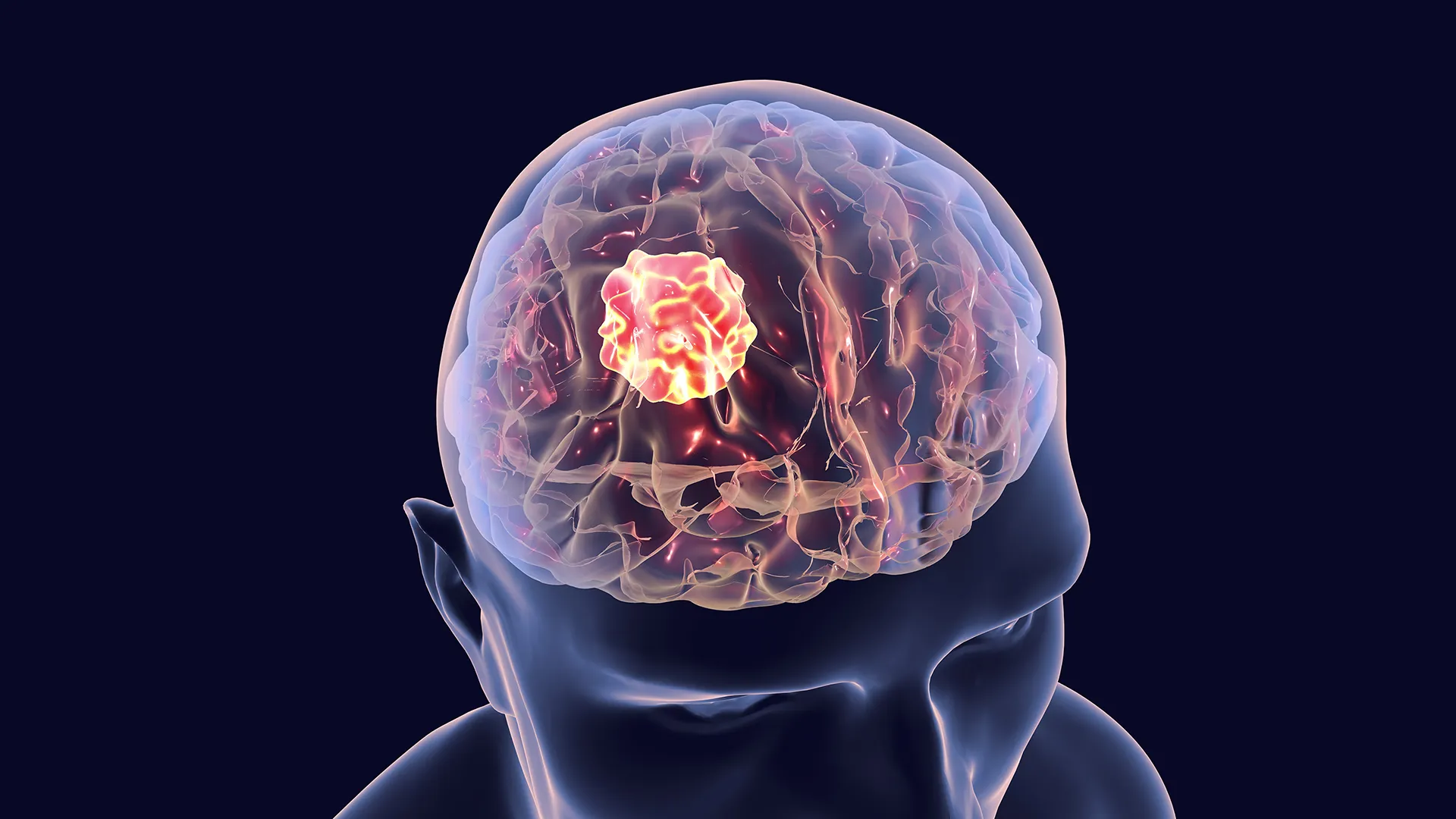
A groundbreaking study spearheaded by researchers at Keck Medicine of USC has illuminated a potentially transformative combination therapy for glioblastoma, a notoriously aggressive brain tumor with a grim prognosis. The findings suggest that a synergistic approach, integrating Tumor Treating Fields (TTFields) therapy with immunotherapy and chemotherapy, could significantly extend survival for patients diagnosed with this devastating condition. Glioblastoma currently offers limited effective treatment options, with the National Brain Tumor Society reporting an average survival rate of a mere eight months following diagnosis.
The innovative treatment regimen hinges on TTFields, a non-invasive therapy that employs targeted electrical fields to disrupt tumor cell division and proliferation. This therapy, when combined with the immune-boosting power of immunotherapy (specifically, the drug pembrolizumab) and the established cytotoxic effects of chemotherapy (temozolomide), appears to prime the body’s own defenses, creating a more potent anti-cancer response. This research offers a beacon of hope in a field desperately seeking advancements, potentially altering the landscape of glioblastoma treatment.
Understanding the Mechanism: How the Triad Works
At its core, TTFields therapy operates by generating low-intensity, alternating electric fields that are precisely directed at the tumor site. These fields exert a physical force on critical cellular structures within cancer cells, such as chromosomes and tubulin, continuously shifting their orientation. This dynamic disruption makes it exceedingly difficult for the tumor cells to replicate and grow, effectively halting their progression. For glioblastoma patients, this cessation of growth is crucial, providing a vital window for the immune system and other therapies to mount a more effective assault.
The practical application of TTFields in glioblastoma treatment involves a specialized device with a set of mesh electrodes. These electrodes are meticulously positioned on the patient’s scalp, carefully calibrated to deliver electric fields at a specific frequency and intensity, ensuring the therapeutic energy is concentrated on the tumor. Patients typically wear these electrodes for an extended period, approximately 18 hours per day, integrating the treatment into their daily lives.
What distinguishes this particular combination therapy is the observed interaction between TTFields and the body’s immune system. Researchers noted that TTFields appear to attract a greater number of tumor-fighting T cells—a critical type of white blood cell responsible for identifying and neutralizing cancerous cells—into and around the glioblastoma. This influx of immune cells is then amplified by immunotherapy. The study suggests that when immunotherapy follows TTFields, these T cells not only remain active for longer durations but are also replenished by even more robust and effective tumor-fighting T cells.
"By using TTFields with immunotherapy, we prime the body to mount an attack on the cancer, which enables the immunotherapy to have a meaningful effect in ways that it could not before," explained David Tran, MD, PhD, chief of neuro-oncology with Keck Medicine, co-director of the USC Brain Tumor Center, and the corresponding author of the study. "Our findings suggest that TTFields may be the key to unlocking the value of immunotherapy in treating glioblastoma."
Historically, TTFields have been frequently combined with chemotherapy for various cancers. However, despite aggressive treatment regimens, the prognosis for glioblastoma has remained dire. Similarly, immunotherapy, while demonstrating remarkable success in treating a wide array of other cancers, has largely proven ineffective as a standalone treatment for glioblastoma. The novel aspect of this research lies in the synergistic potential of combining all three modalities.
The study’s most striking result is the observed 70% increase in overall survival when immunotherapy was added to the existing TTFields and chemotherapy regimen. This substantial improvement is particularly noteworthy, and the researchers found even more pronounced benefits in patients with larger, unresected (not surgically removed) tumors. These individuals exhibited an even stronger immune response to TTFields and consequently lived longer. This observation hints at a fascinating possibility: the presence of a larger tumor might offer more targets for TTFields to engage with, thereby kick-starting a more vigorous immune response against the cancer.
Unlocking Immunotherapy’s Potential Against a Shielded Brain Tumor
The immunotherapy agent utilized in this study, pembrolizumab, is classified as an immune checkpoint inhibitor (ICI). ICIs function by enhancing the body’s innate capacity to combat cancer. They achieve this by "releasing the brakes" on T cells, enabling them to more effectively identify and eliminate cancer cells.
However, glioblastomas present a unique and formidable challenge to the immune system. Due to their origin within the brain, these tumors are often shielded from the body’s natural immune surveillance by the blood-brain barrier (BBB). This sophisticated biological structure acts as a highly selective gatekeeper, meticulously regulating the passage of substances and cells from the bloodstream into the brain. Unfortunately, this protective barrier can also impede the entry of crucial immune cells, such as T cells, and therapeutic agents that could otherwise be instrumental in combating brain tumors.
This inherently immunosuppressive microenvironment within and surrounding glioblastomas significantly diminishes the efficacy of conventional cancer therapies, including pembrolizumab and chemotherapy, when used in isolation. Dr. Tran’s hypothesis was that the most effective strategy to overcome this challenge would be to initiate an immune reaction directly within the tumor itself. This approach, termed "in situ immunization," is precisely what TTFields appear to facilitate.
The current study provides compelling evidence that the combination of TTFields and immunotherapy triggers a potent localized immune response within the tumor. This internally generated immune activity then becomes a fertile ground for ICIs like pembrolizumab to amplify their effects, thereby bolstering the body’s intrinsic defense mechanisms against the cancer.
"Think of it like a team sport — immunotherapy sends players in to attack the tumor (the offense), while TTFields weaken the tumor’s ability to fight back (the defense). And just like in team sports, the best defense is a good offense," Dr. Tran elaborated, underscoring the complementary roles of the therapies. Dr. Tran is also a distinguished member of the USC Norris Comprehensive Cancer Center, a vital hub for cancer research and patient care.
Study Methodology and Key Findings: A Closer Look at the Data
The findings presented are derived from an analysis of data collected from the 2-THE-TOP clinical trial, a Phase 2 study that enrolled 31 patients newly diagnosed with glioblastoma who had completed chemoradiation therapy. Within this cohort, a significant group of 26 patients received TTFields therapy in conjunction with both chemotherapy and immunotherapy. Notably, seven of these 26 patients had tumors that were deemed inoperable due to their critical location within the brain—a subgroup typically facing the most challenging prognoses and possessing the fewest treatment alternatives.
The trial protocol involved patients receiving six to 12 monthly cycles of chemotherapy, administered concurrently with TTFields therapy, for a duration of up to 24 months. The precise number and duration of treatments were individualized, based on each patient’s response to the therapy. Immunotherapy, pembrolizumab, was administered every three weeks, commencing with the second dose of chemotherapy, and could continue for up to 24 months.
The comparative analysis revealed a significant survival benefit: patients who utilized the TTFields device alongside chemotherapy and immunotherapy lived approximately 10 months longer than historical patient groups who had received the device with chemotherapy alone. The impact was even more profound for patients with large, inoperable tumors. These individuals experienced an extended survival of approximately 13 months and demonstrated substantially greater immune activation compared to patients who had undergone surgical removal of their tumors.
"Further studies are needed to determine the optimal role of surgery in this setting, but these findings may offer hope, particularly for glioblastoma patients who do not have surgery as an option," Dr. Tran remarked, acknowledging the potential for this combination therapy to serve as a primary treatment modality for those who are not surgical candidates.
Expanding the Research: A Phase 3 Clinical Trial Underway
Building upon the encouraging results of the Phase 2 trial, Keck Medicine is actively involved in a multicenter Phase 3 clinical trial. This larger-scale study aims to definitively validate the efficacy of the TTFields, immunotherapy, and chemotherapy combination. Dr. Tran, who has dedicated over a decade to researching TTFields, is at the forefront of this endeavor, serving as the chair of the steering committee for this pivotal trial. Frances Chow, MD, a respected neuro-oncologist at USC Norris, is the principal investigator for the Keck Medicine study site, ensuring rigorous execution and oversight.
This Phase 3 trial, currently operational at 28 sites across the United States, Europe, and Israel, is designed to enroll over 740 patients. The recruitment period is projected to extend through April 2029. A critical objective of this extensive trial is to assess the impact of surgical tumor removal—including gross total resection, partial resection, or biopsy-only procedures—on the immune response elicited by the combination therapy. By stratifying patients based on surgical intervention, researchers aim to gain a comprehensive understanding of how the extent of tumor resection influences the effectiveness of TTFields and immunotherapy.
The original study was made possible by a grant from Novocure, the manufacturer of the Optune device, the specific TTFields system employed in this research. Dr. Tran has also engaged in consultant work for Novocure, for which he has received honoraria. Furthermore, both Dr. Chen and Dr. Tran are listed as inventors on two patent applications related to the work presented in this study, indicating their significant intellectual contributions to the field. The collaborative efforts of researchers from Keck School of Medicine of USC, including Dongjiang Chen, PhD, Son Le, PhD, Harshit Manektalia, Ming Li, PhD, and Adam O’Dell, alongside contributions from Ashley Ghiaseddin, MD, and Maryam Rahman, MD, MS, from the University of Florida, have been instrumental in advancing this critical area of cancer research.
The implications of these findings are far-reaching. Glioblastoma has long been one of the most intractable cancers, characterized by rapid growth and resistance to conventional treatments. The limited efficacy of immunotherapy as a standalone treatment for this specific brain tumor has been a significant hurdle. This study’s demonstration of TTFields’ ability to effectively "prime" the tumor microenvironment for immunotherapy offers a novel strategy to overcome this challenge. By acting as an immune stimulant within the tumor, TTFields may unlock the full therapeutic potential of immunotherapies, transforming them from marginally effective agents to powerful allies in the fight against glioblastoma. The potential to improve survival rates by as much as 70% signifies a substantial leap forward, offering renewed hope to patients and their families facing this devastating diagnosis. The ongoing Phase 3 trial is crucial for solidifying these findings and paving the way for broader clinical adoption of this promising combination therapy.
