
 By Budi Oetomo Narendra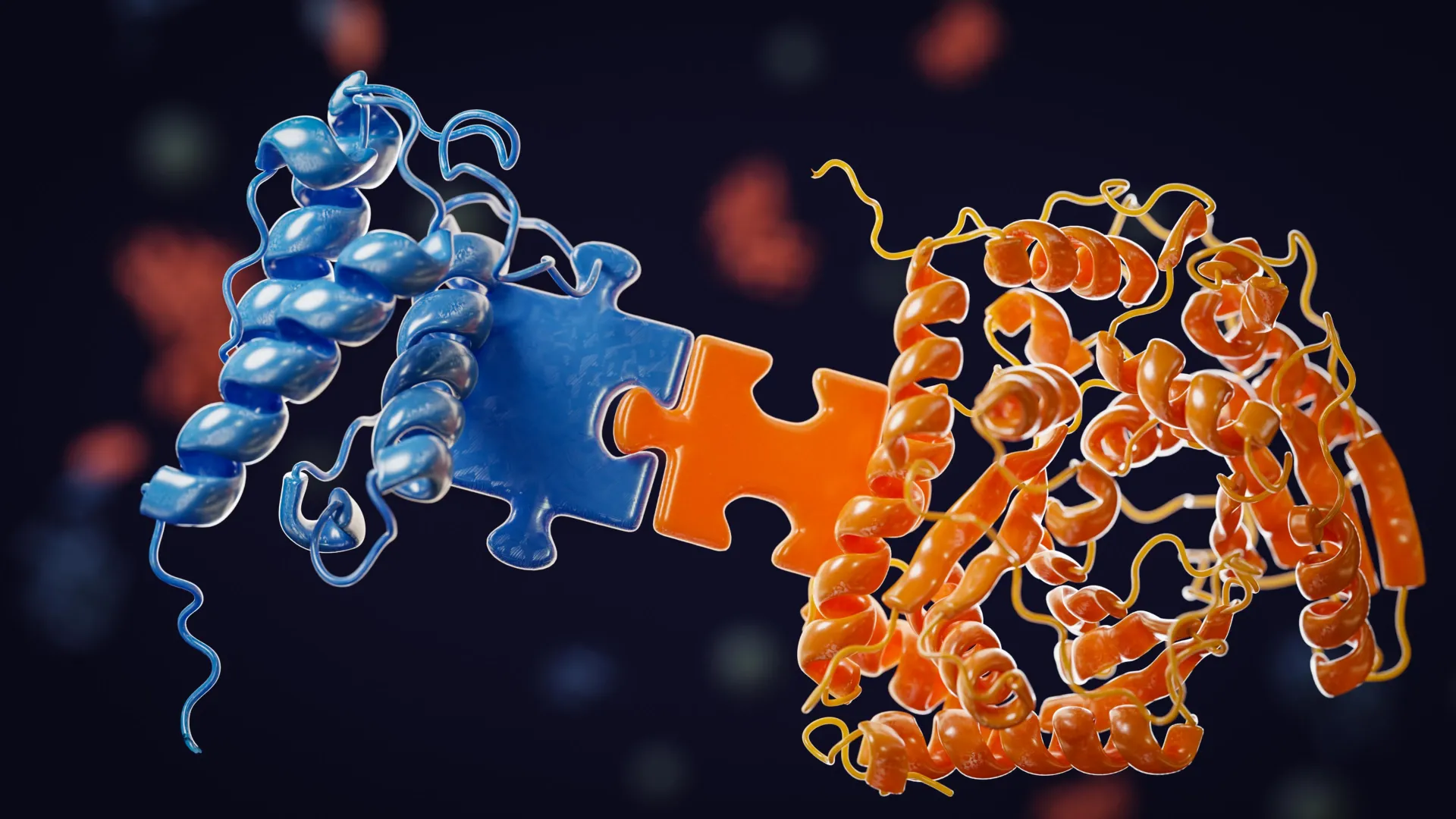
For over a century, natural products derived from microorganisms have served as an invaluable wellspring for pharmaceutical innovation, yielding groundbreaking antibiotics, immunosuppressants, and anticancer agents. However, the precise mechanisms by which bacteria orchestrate the assembly of structurally diverse yet functionally related drug molecules have largely remained an enigma, hindering efforts to rationally engineer novel therapeutics. This recent breakthrough, detailed in Nature Communications, not only deciphers this long-standing puzzle but also provides a "blueprint" for a new era of targeted drug design, particularly for the challenging landscape of cancer therapy.
Unlocking Nature’s Pharmacy: A Decades-Long Quest
The pharmaceutical industry has long coveted the ability to harness and manipulate the intricate biochemical pathways within bacteria to create new drug variants. This process, known as combinatorial biosynthesis, theoretically offers an efficient route to generate diverse chemical libraries by "mixing and matching" different enzymatic components. The promise lies in producing a broader range of compounds with potentially improved efficacy, reduced toxicity, or enhanced pharmacokinetic properties compared to their natural counterparts. Despite this immense potential, practical progress has been severely limited. Researchers simply lacked a fundamental understanding of how bacterial enzymes, operating within complex multi-protein systems, coordinate their work to assemble a family of closely related but distinct anti-cancer compounds. The "black box" of microbial drug production remained largely opaque, frustrating attempts to rationally design and synthesize new molecules.
This scientific quest has spanned decades, with numerous research groups around the world attempting to deconstruct these complex enzymatic assembly lines. The challenge was akin to trying to understand a highly efficient, sophisticated factory with countless specialized machines, without knowing how these machines communicated or passed products between different stages. The particular focus of this recent study was on a class of natural products known for their potent anti-cancer activity, including the FDA-approved drug Romidepsin (Istodax). Understanding the biosynthetic pathway for such a clinically significant molecule was a paramount objective, holding the key to unlocking new avenues for drug discovery.
The Breakthrough: Unraveling Molecular Communication
The new study has finally pierced through this veil of complexity, revealing the elegant communication system that allows bacterial enzymes to assemble a family of anti-cancer compounds. This family includes Romidepsin, an FDA-approved treatment for certain blood cancers, and other related molecules like FR-901375, whose biosynthetic origins were previously unknown. The researchers have not only uncovered this natural "mix and match" system but have also successfully reproduced its underlying principles in the laboratory, establishing a powerful new strategy for designing future cancer therapies.
At the heart of this discovery are small molecular regions termed ‘docking domains.’ These domains, the researchers found, act as critical connectors, facilitating precise interactions between the core drug-building machinery and the enzymes responsible for adding different components to the growing molecule. Dr. Munro Passmore, a Research Fellow in the Department of Chemistry at the University of Warwick and the study’s first author, articulated the significance of this finding: "For decades, we’ve known that bacteria can naturally produce multiple versions of powerful anti-cancer drugs, yet we had no idea how they achieved this. This work finally cracks that code. We’ve identified how the different enzymes communicate and cooperate to produce these drug variants, something that has eluded researchers because the system is so elegantly economical. It’s the breakthrough we needed to actually engineer these drugs ourselves."
These docking domains possess a conserved connection point, allowing them to flexibly interact with multiple enzyme partners. This inherent flexibility in design explains how bacteria can efficiently generate a diverse array of related drug molecules while simultaneously maintaining the crucial precision required for these compounds to retain their pharmacological effectiveness. It’s a sophisticated system that allows for variations without compromising the core structure necessary for biological activity.
Romidepsin and the HDAC Inhibitor Family: A Case Study
The research specifically delves into a vital class of anti-cancer medicines known as histone deacetylase (HDAC) inhibitors. These drugs play a critical role in epigenetics, targeting enzymes that help regulate which genes are switched on or off inside cells. In cancer, aberrant gene expression often contributes to uncontrolled cell growth and survival. By blocking HDACs, these inhibitors can reactivate tumor suppressor genes or induce programmed cell death (apoptosis) in cancer cells, making them valuable therapeutic agents.
Romidepsin, marketed as Istodax, is a prime example within this class. Approved by the FDA, it is effectively used to treat certain T-cell lymphomas, including cutaneous T-cell lymphoma (CTCL) and peripheral T-cell lymphoma (PTCL). Its clinical success underscored the potential of natural product-derived HDAC inhibitors, but the full biosynthetic pathway of many related compounds remained a mystery. For instance, the chemically related compound FR-901375 has been recognized for decades, yet its precise bacterial production pathway remained elusive until this study. This research now fills in that critical missing piece, providing a complete picture of its natural genesis.
Like other HDAC inhibitors in its family, FR-901375 belongs to a group of complex cyclic molecules known as depsipeptides. These intricate compounds are constructed from amino acid building blocks along with a conserved hydroxy acid pharmacophore, all meticulously connected through a combination of peptide and ester bonds. Inside bacteria, these elaborate molecules are synthesized by massive multi-enzyme complexes termed PKS-NRPS hybrids. These hybrids combine the activities of polyketide synthases (PKS) and nonribosomal peptide synthetases (NRPS), which act as highly organized molecular assembly lines, sequentially adding and modifying building blocks. The groundbreaking aspect of the new research is its demonstration that the key to the combinatorial assembly process lies squarely with the newly identified docking domains. These domains function as molecular connectors, ensuring that one part of the production line accurately recognizes and passes its partially formed product to the next enzyme in the sequence. This intricate, yet flexible, mechanism is what enables the sophisticated combinatorial biosynthesis seen in nature and allows bacteria to generate multiple drug variants from a common biosynthetic scaffold.
A Blueprint for Precision Drug Design
The implications of this discovery extend far beyond merely understanding natural processes. As Prof. Greg Challis, Monash Warwick Alliance Professor of Sustainable Chemistry at the University of Warwick and Monash University, succinctly concludes, "This research gives us a blueprint to do what nature does, but better and faster." By effectively "reverse-engineering nature’s evolutionary logic," scientists are now equipped with the knowledge to design synthetic pathways that can generate new anti-cancer drug candidates with properties optimized for clinical use.
The ability to engineer these pathways opens up unprecedented opportunities for tailoring drug characteristics. For example, future drug candidates could be designed for superior potency, meaning they would be effective at lower doses; improved selectivity, ensuring they target cancer cells more precisely while sparing healthy tissues; or fewer side effects, enhancing patient quality of life during treatment. The current landscape of cancer treatment is often fraught with significant side effects, and any advance that mitigates these burdens would be a major therapeutic gain.
"Our immediate goal is to build an expanded library of candidates for various cancers where new treatments are urgently needed," Prof. Challis added. This suggests a strategic shift from a trial-and-error approach to a more directed, rational design process. This discovery is not just about comprehending existing systems; it marks a pivotal transition "from understanding how the systems work to building new ones." This paradigm shift promises to accelerate the drug discovery pipeline, potentially reducing the immense time and cost associated with bringing a new drug from concept to clinic, which can often exceed a decade and billions of dollars.
The Evolutionary Perspective
Beyond the immediate practical applications, the study also sheds crucial light on the evolutionary biology of these natural drug-producing systems. The researchers hypothesize that the newly identified compound, FR-901375, most likely developed from a related drug-producing pathway through processes of gene duplication and recombination over vast evolutionary timescales. Gene duplication provides redundant copies of genes, allowing one copy to mutate and evolve new functions without harming the original function. Recombination, the shuffling of genetic material, can then create novel combinations of these genes or their regulatory elements.
This evolutionary insight is significant because it suggests a natural mechanism for generating chemical diversity. By understanding how nature evolved these complex biosynthetic pathways, scientists can potentially mimic or even accelerate these evolutionary processes in the laboratory, guiding the development of synthetic biology tools to create entirely novel chemical entities that may not exist in nature. This deeper understanding of evolutionary logic provides yet another powerful tool for rational drug design.
Methodology Behind the Discovery
Solving such an intricate biochemical mystery required a multi-faceted, interdisciplinary approach, leveraging cutting-edge techniques from various scientific fields. The research team meticulously combined structural biology, which provided atomic-level insights into the shape and interactions of the enzymes; biochemistry, to study the chemical reactions catalyzed by these enzymes; genetics, to manipulate the bacterial DNA encoding these pathways; and computational modeling, to predict and simulate molecular interactions and pathway dynamics. This comprehensive approach was essential to piece together the complex puzzle of enzyme communication and coordination. The synthesis of these diverse methodologies underscores the collaborative and sophisticated nature of modern scientific discovery.
Broader Implications for Cancer Treatment and Drug Development
The implications of this breakthrough are far-reaching, promising to reshape several facets of cancer treatment and drug development:
- Accelerating the Drug Pipeline: By providing a rational design strategy, the discovery could significantly shorten the lead optimization phase of drug development. Instead of screening millions of random compounds, researchers can now design specific molecular variants with desired properties, dramatically streamlining the process. This could mean faster access to new therapies for patients.
- Accessing Novel Chemical Space: The ability to engineer these pathways opens up the potential to create molecules that are chemically distinct from existing drugs. This is crucial for overcoming drug resistance, a persistent challenge in cancer therapy where cancer cells evolve mechanisms to evade treatment. New chemical entities may bypass these resistance mechanisms.
- Targeting Resistant Cancers: Many cancers, such as certain aggressive solid tumors or highly metastatic forms, remain incredibly difficult to treat effectively. The capacity to design highly potent and selective HDAC inhibitors or other natural product-inspired drugs could offer new hope for these patient populations.
- Personalized Medicine: In the future, this technology could potentially enable the development of highly customized drug variants tailored to an individual patient’s genetic profile or the specific molecular characteristics of their tumor. This aligns with the broader movement towards personalized and precision medicine in oncology.
- Advancements in Synthetic Biology and Metabolic Engineering: The insights gained into bacterial enzyme communication are not limited to cancer drugs. They lay a foundational groundwork for engineering other microbial systems to produce a wide array of valuable chemicals, from other pharmaceuticals to biofuels and industrial enzymes. This positions the discovery as a significant stride in the field of synthetic biology, where scientists aim to design and build new biological systems.
Challenges and the Road Ahead
While the scientific breakthrough is monumental, the journey from laboratory discovery to widespread clinical application is often long and arduous. Future challenges will include translating these engineered pathways into scalable production methods, conducting rigorous preclinical testing to validate the safety and efficacy of new drug candidates, and navigating the complex regulatory approval processes. However, the fundamental understanding achieved in this study represents a powerful new tool in the fight against cancer, offering a beacon of hope for developing more effective, targeted, and less toxic treatments in the years to come. This discovery is poised to fundamentally alter how we approach the design and development of natural product-derived medicines, moving from observation to intentional creation.
