
 By admin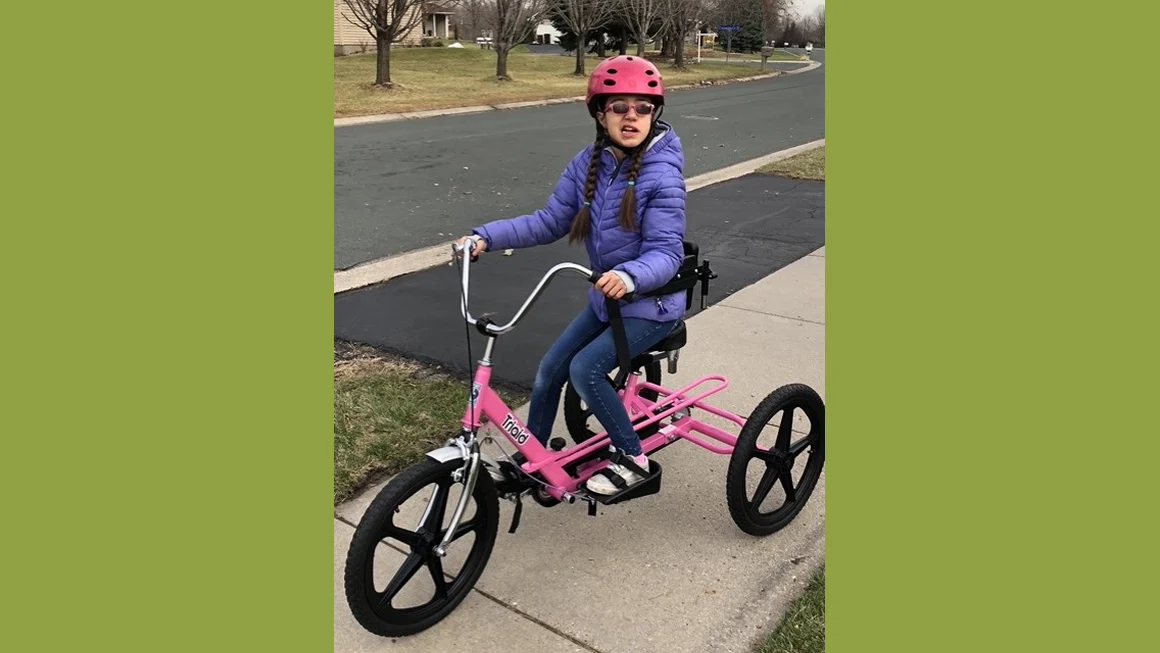
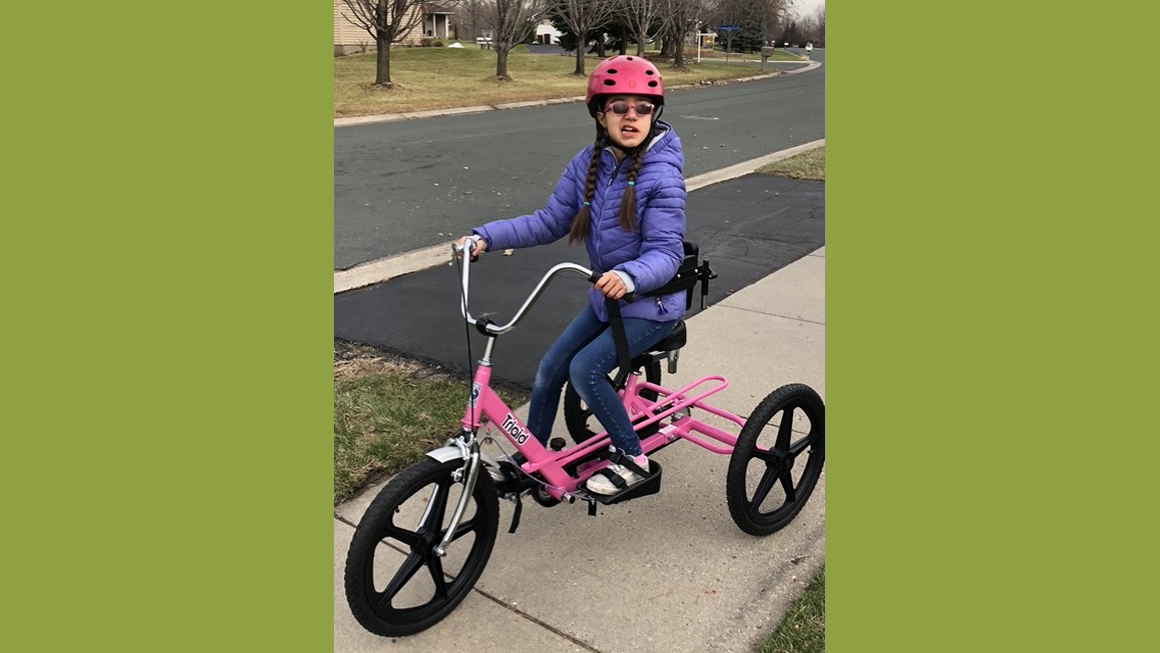
The trajectory of pediatric oncology has shifted significantly over the last four decades, with survival rates for many childhood cancers now exceeding 80 percent. However, for survivors like Anikah Schmidt, now 16, the "cure" is often the beginning of a different, lifelong medical journey. Her case highlights the profound complexities of treating ependymoma—a rare primary central nervous system tumor—and the long-term physiological costs associated with the very therapies designed to save young lives.
The medical history of Anikah Schmidt began in late 2009 when she was just 19 months old. Her parents, Vanessa and Ben, observed subtle but persistent neurological red flags, primarily a loss of motor coordination and recurring morning emesis. While initial parental concerns often lean toward common childhood ailments or developmental phases, the specificity of Anikah’s symptoms—particularly vomiting upon waking—pointed toward increased intracranial pressure, a classic clinical indicator of a posterior fossa tumor.
Clinical Diagnosis and Initial Intervention
Following a series of diagnostic tests, including blood work and dietary evaluations, a Computed Tomography (CT) scan confirmed the presence of a golf ball-sized mass in Anikah’s brain. The diagnosis was an ependymoma, a tumor that arises from the ependymal cells lining the ventricles of the brain and the center of the spinal cord. In pediatric cases, these tumors most frequently occur in the posterior fossa, the small space in the back of the skull containing the brainstem and cerebellum.
The immediate clinical priority was the management of hydrocephalus—the buildup of fluid in the brain caused by the tumor’s obstruction. Anikah underwent emergency surgery to relieve this pressure, followed shortly by a complex neurosurgical procedure to resect the mass. While the surgical team successfully achieved a gross total resection—meaning all visible portions of the tumor were removed—the high recurrence rate of ependymomas necessitated aggressive follow-up treatment.
The Shift to Proton Beam Radiation
In the early 2010s, the standard of care for pediatric brain tumors was transitioning toward more targeted therapies to minimize damage to developing brain tissue. Anikah’s oncology team recommended proton beam radiation therapy. Unlike traditional photon radiation, which uses X-rays that travel through the body, proton therapy utilizes a beam of protons that can be calibrated to stop at a specific depth. This allows for the delivery of high-dose radiation directly to the tumor site while sparing the surrounding healthy tissue.
At the time, proton therapy was a nascent technology available at only a few specialized centers globally. This forced the Schmidt family to relocate from their home in Minnesota to Houston, Texas, for eight weeks to receive treatment at the MD Anderson Cancer Center. This relocation underscores a significant socio-economic burden faced by families of children with rare cancers: the "geographical toxicity" of healthcare, where the cost of travel, temporary housing, and lost wages compounds the emotional strain of a terminal diagnosis.
Radiation-Induced Complications and the Brainstem
The primary goal of radiation is to eradicate microscopic cancer cells remaining after surgery. However, the brainstem—the "control center" for vital functions like breathing, swallowing, and heart rate—is extremely sensitive to radiation. Months after returning to Minnesota, Anikah experienced a severe relapse of symptoms. What was initially thought to be a cancer recurrence was actually a late-effect complication: severe radiation-induced swelling and necrosis near the brainstem.
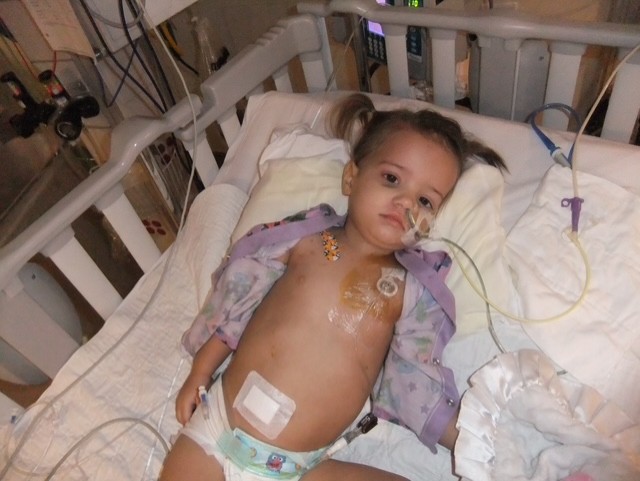
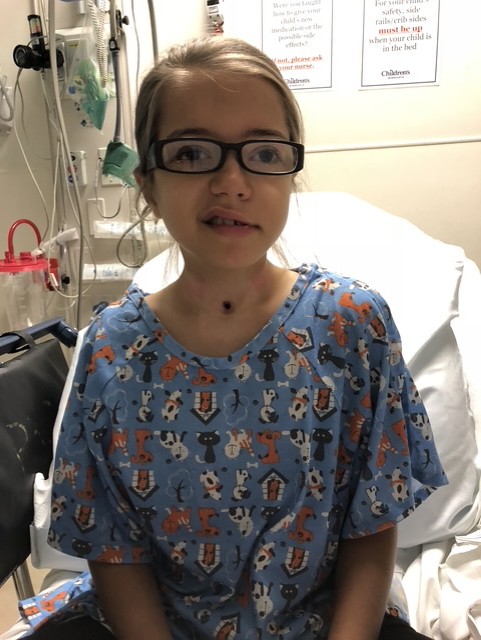
The physiological impact was catastrophic. Anikah lost the ability to swallow and eventually suffered a respiratory collapse. To sustain her life, medical teams had to implement a series of invasive interventions, including a ventilator for respiratory support, a feeding tube (G-tube) for nutrition, and a tracheostomy to maintain an open airway.
Medical analysis of such cases often points to the "therapeutic window"—the narrow margin between a dose of radiation that is effective against cancer and a dose that causes permanent damage to healthy tissue. In Anikah’s case, hyperbaric oxygen therapy—a treatment that involves breathing pure oxygen in a pressurized chamber—was utilized to stimulate healing in the damaged brain tissue and reduce swelling. While the therapy was successful in stabilizing her condition, the structural damage to her neurological pathways remained.
A Timeline of Survivorship and Long-Term Sequelae
The chronology of Anikah’s recovery is marked by incremental milestones and the permanent integration of medical technology into her daily life.
- Infancy (19 months): Diagnosis, surgery, and proton radiation.
- Toddlerhood: Respiratory collapse and the implementation of a ventilator and tracheostomy.
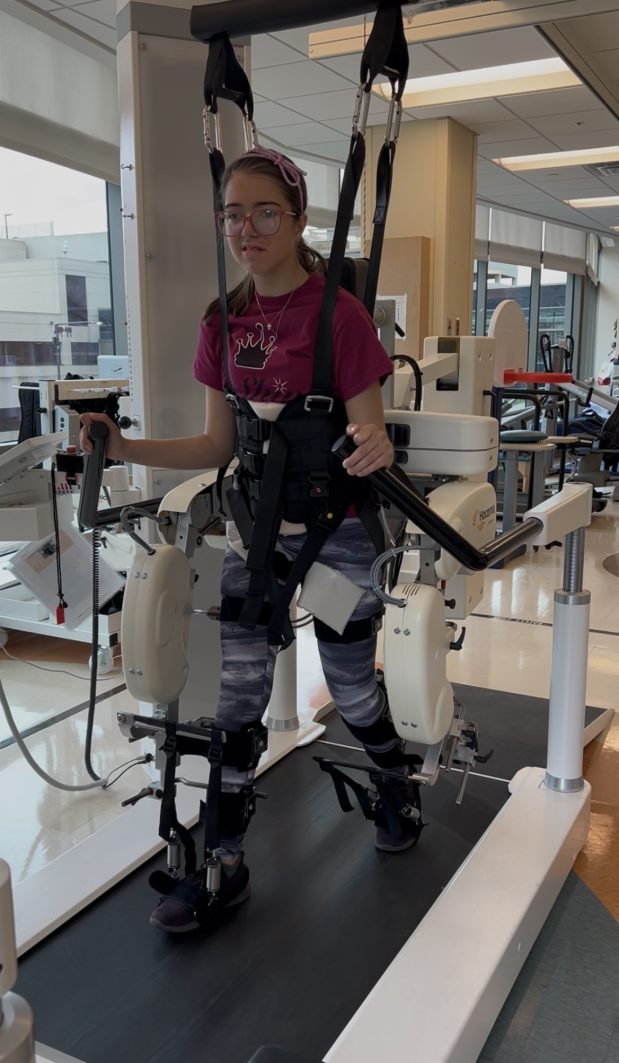
- Early Childhood: Years of intensive physical, occupational, and speech therapy to regain basic motor functions.
- Fourth Grade: Successful decannulation (removal of the tracheostomy tube), allowing her to breathe without a permanent neck stoma.
- Adolescence (Age 16): Current status. Anikah remains a high-functioning student but continues to require a feeding tube for nutritional intake and supplemental oxygen during sleep.
This timeline illustrates a reality often overlooked in public narratives of "beating" cancer. For many pediatric survivors, the cessation of active oncology treatment does not equate to the end of medical intervention. Instead, it marks a transition into chronic disease management.
The Economic and Social Data of Pediatric Cancer Survivorship
Data from the Childhood Cancer Survivor Study (CCSS) indicates that by age 50, more than 50 percent of childhood cancer survivors will experience a severe, life-threatening, or fatal health condition related to their original treatment. These conditions include secondary cancers, cardiovascular disease, and significant neurological deficits.
The social implications are equally profound. Vanessa Schmidt noted the duality of Anikah’s identity: she is simultaneously a cancer survivor and a person with special needs. This intersectionality often leaves survivors in a social limbo. In educational settings, survivors may struggle with "chemo-brain" (cognitive impairment) or physical limitations that isolate them from their peers.
Research into pediatric cancer survivorship suggests that psychological support is as critical as medical follow-up. For Anikah, this support was found through Camp Norden, a program funded by the Children’s Cancer Research Center. These specialized environments allow survivors to engage in age-appropriate activities—such as theater, dance, and athletics—without the burden of explaining their medical equipment or physical gait.
Analysis of Implications for Future Treatment
Anikah’s journey provides a critical case study for the evolving field of pediatric oncology. The medical community is increasingly focused on "de-escalation" of treatment—finding the minimum effective dose of radiation or chemotherapy to maintain high survival rates while reducing long-term morbidity.
- Advancements in Imaging: Better MRI and PET scan technology now allow doctors to monitor brainstem health in real-time during radiation, potentially preventing the kind of swelling Anikah experienced.
- Targeted Drug Therapies: Research into the genetic drivers of ependymoma is leading to the development of molecularly targeted therapies that may eventually reduce the reliance on broad-spectrum radiation.
- The Importance of Survivorship Clinics: There is a growing movement to establish dedicated "Survivorship Clinics" that provide multidisciplinary care—integrating neurology, endocrinology, and psychology—to manage the late effects of treatment throughout a patient’s adult life.
Conclusion: The Enduring Need for Research
The story of Anikah Schmidt is a testament to the resilience of the human spirit and the extraordinary capabilities of modern medicine. However, it also serves as a sobering reminder that the current standard of care carries a heavy price. While the neurosurgeon was able to "fix the cancer," the subsequent damage to Anikah’s brainstem created a new set of challenges that require lifelong vigilance.
As Anikah navigates her teenage years, participating in cheer and adapted dance, she represents the "new face" of pediatric oncology: the long-term survivor. The focus of global cancer research must continue to expand beyond the initial cure, seeking to refine treatments so that future generations of survivors can live lives free not only of cancer but also of the debilitating side effects of its treatment. For families like the Schmidts, the hope remains that continued scientific inquiry will one day ensure that no child has to trade their long-term physical autonomy for the chance to survive.
