
 By George Ongkojoyo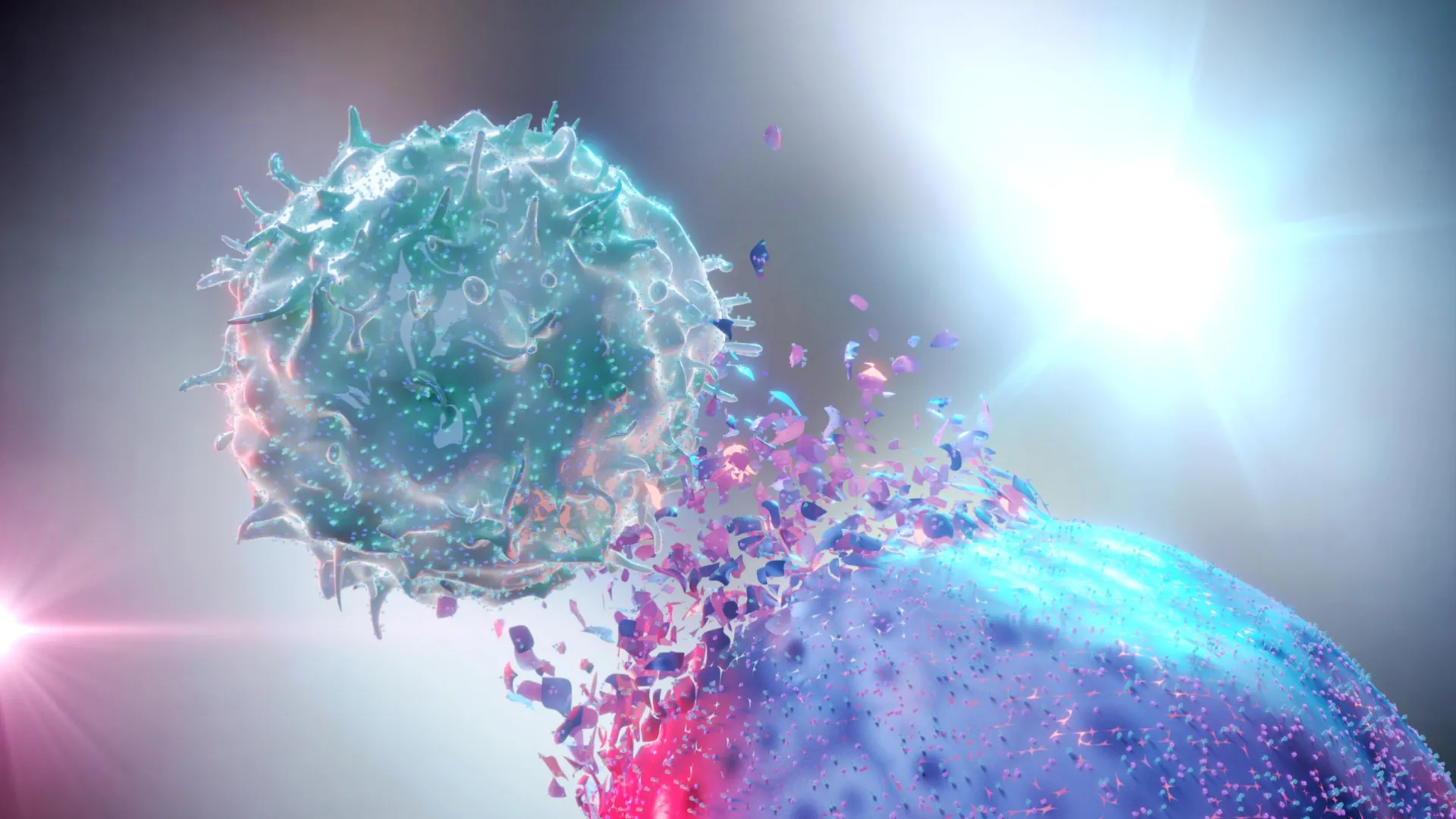
By sparking the immune system into action, radiation therapy makes certain tumors that resist immunotherapy susceptible to the treatment, leading to positive outcomes for patients, according to new research by investigators at the Johns Hopkins Kimmel Cancer Center, the Bloomberg~Kimmel Institute for Cancer Immunotherapy, and the Netherlands Cancer Institute. This landmark study, supported by the National Institutes of Health, provides a molecular roadmap for overcoming primary resistance in non-small cell lung cancer (NSCLC), a disease that remains the leading cause of cancer-related mortality worldwide. The findings, published on July 22 in the journal Nature Cancer, demonstrate that the strategic application of radiation can "warm up" immunologically cold tumors, effectively turning a treatment-resistant environment into one that is highly receptive to immune-based interventions.
The Challenge of Immunotherapy Resistance in Lung Oncology
Immunotherapy, particularly the use of immune checkpoint inhibitors like those targeting the PD-1/PD-L1 pathway, has revolutionized the treatment landscape for non-small cell lung cancer. By blocking the proteins that cancer cells use to hide from the immune system, these drugs empower T cells to recognize and destroy malignancies. However, despite these advancements, a significant portion of patients—estimated between 50% and 80% depending on the specific cohort—do not respond to initial immunotherapy. These cases are classified as having "primary resistance."
The biological hallmark of this resistance often lies in the state of the tumor microenvironment. In many patients, tumors are described as "cold," meaning they lack the necessary immune cell infiltration or possess molecular features that suppress immune recognition. Until now, clinicians have struggled to find reliable methods to convert these "cold" tumors into "hot" or inflamed tumors that are susceptible to drugs like pembrolizumab. The new research from Johns Hopkins suggests that radiation therapy, traditionally viewed as a localized treatment intended to kill cancer cells directly, may be the key to unlocking the systemic potential of the immune system.
Unveiling the Mechanism: The Abscopal Effect
The core of this breakthrough lies in a unique biological phenomenon known as the abscopal effect. Historically, the abscopal effect refers to a rare occurrence where localized radiation treatment of a single tumor site leads to the shrinkage of other tumors located elsewhere in the body. While this effect has been documented in clinical anecdotes for decades, the underlying molecular drivers remained largely mysterious.
The research team, led by senior author Valsamo "Elsa" Anagnostou, M.D., Ph.D., sought to decode how radiation triggers this systemic response. When radiation is applied to a primary tumor, it causes cell death, which in turn releases tumor-specific proteins known as neoantigens into the local environment. These neoantigens act as "molecular fingerprints" for the cancer. When the immune system detects these released fragments, it learns to identify the cancer cells throughout the body. This educational process allows T cells to seek out and attack metastatic lesions that were never directly touched by the radiation beam.
By combining radiation with immunotherapy, the researchers aimed to amplify this effect. The radiation provides the "instruction" by exposing the tumor’s identity, while the immunotherapy provides the "engine" by removing the brakes from the immune system, allowing it to act on that new information.
Study Design and International Collaboration
To investigate this phenomenon with scientific rigor, the Johns Hopkins team collaborated with Willemijn Theelen and Paul Baas at the Netherlands Cancer Institute. The study utilized data and samples from a Phase II clinical trial focused on patients with non-small cell lung cancer. The cohort was divided into two groups: a control group receiving immunotherapy alone and an experimental group receiving a short course of radiation therapy followed by the PD-1 inhibitor pembrolizumab.
The depth of this study was made possible through "multiomic" analysis. This approach involves the simultaneous study of various biological layers, including genomics (the study of DNA mutations), transcriptomics (the study of gene expression), and functional cell assays. In total, the investigators analyzed 293 blood and tumor samples from 72 patients. Crucially, these samples were collected at multiple intervals—at the start of treatment and again after three to six weeks—and from various locations in the body. This allowed the team to observe the evolution of the immune response in real-time and across different anatomical sites.
Transforming "Cold" Tumors into "Hot" Targets
The researchers specifically focused on tumors characterized by biomarkers associated with poor immunotherapy response. These included tumors with a low tumor mutational burden (TMB), an absence of PD-L1 expression, or the presence of mutations in the Wnt signaling pathway—a known driver of immune exclusion. In the absence of radiation, these "cold" tumors typically show little to no T-cell activity.
The findings were definitive: in the group receiving combination therapy, even "cold" tumors located far from the radiation site underwent a dramatic transformation. Dr. Anagnostou described this as the tumors "warming up." The multiomic data revealed a significant expansion of both new and pre-existing T cells within these distant tumor sites. The radiation therapy had successfully reshaped the tumor microenvironment, transitioning it from an "immune desert" to an inflamed site of active anti-tumor warfare.
Functional tests conducted alongside Dr. Kellie Smith, an associate professor of oncology at Johns Hopkins, confirmed these results. By testing the patients’ own T cells in cell cultures, the team proved that the expanding T-cell populations were specifically recognizing the mutation-associated neoantigens released by the tumors. This confirmed that the immune response was not a random occurrence but a targeted, systemic reaction triggered by the combination of radiation and pembrolizumab.
Clinical Outcomes and Statistical Significance
The molecular shifts observed in the lab translated directly into clinical benefits for the patients. By tracking long-term survival and treatment response, the investigators found that patients with immunologically cold tumors who received radiation therapy prior to immunotherapy had significantly better outcomes than those who received immunotherapy alone.
The data suggests that for patients whose tumors lack the typical biomarkers for immunotherapy success, radiation may serve as a vital "primer." Lead study author Justin Huang, who spearheaded the multiomic analyses, noted that the work highlights how radiation can bolster the systemic response in patients who were previously thought to have few options. Huang’s contributions were recently recognized with the 2025 Paul Ehrlich Research Award, underscoring the high impact of these discoveries.
Broader Implications for Oncology and Future Research
The implications of this study extend beyond the immediate treatment of lung cancer. The ability to circumvent primary resistance to immunotherapy is a "holy grail" in oncology. If radiation can "warm up" cold tumors in the lung, there is significant potential for this strategy to be applied to other resistant cancers, such as pancreatic, prostate, or colorectal cancers, which are notoriously difficult to treat with current checkpoint inhibitors.
Furthermore, Dr. Anagnostou suggested that this approach might not only address primary resistance but could also be applicable to "acquired resistance"—cases where a patient initially responds to immunotherapy but eventually sees their cancer progress. By re-introducing radiation at the point of progression, clinicians might be able to "reset" the immune system’s awareness of the tumor.
The research team is already moving forward with subsequent studies. At the recent annual meeting of the American Association for Cancer Research (AACR), they presented findings on the use of circulating tumor DNA (ctDNA) to monitor these responses. By analyzing "liquid biopsies" (blood samples), the team hopes to develop a non-invasive way to track how well the radiation-immunotherapy combination is working in real-time, allowing for even more personalized treatment adjustments.
A New Standard of Care on the Horizon?
While further large-scale Phase III trials will be necessary to officially change the standard of care, the results published in Nature Cancer provide a powerful argument for the integration of radiation oncology and medical oncology. The study proves that radiation is no longer just a "local" tool; it is a systemic biological modifier.
As the medical community continues to grapple with the complexities of the immune system, this international collaboration between Johns Hopkins and the Netherlands Cancer Institute serves as a model for future research. By combining deep molecular biology with clinical trial data, the investigators have moved the needle on lung cancer treatment, offering hope to a population of patients who were previously excluded from the benefits of the immunotherapy revolution.
The work was supported by the Johns Hopkins Bloomberg~Kimmel Institute for Cancer Immunotherapy and the National Institutes of Health. As these findings are integrated into clinical practice, the oncology community moves one step closer to a future where "untreatable" tumors are a thing of the past, and the body’s own immune system, properly primed by technology, can effectively combat cancer in all its forms.
