
 By Hendra Lukman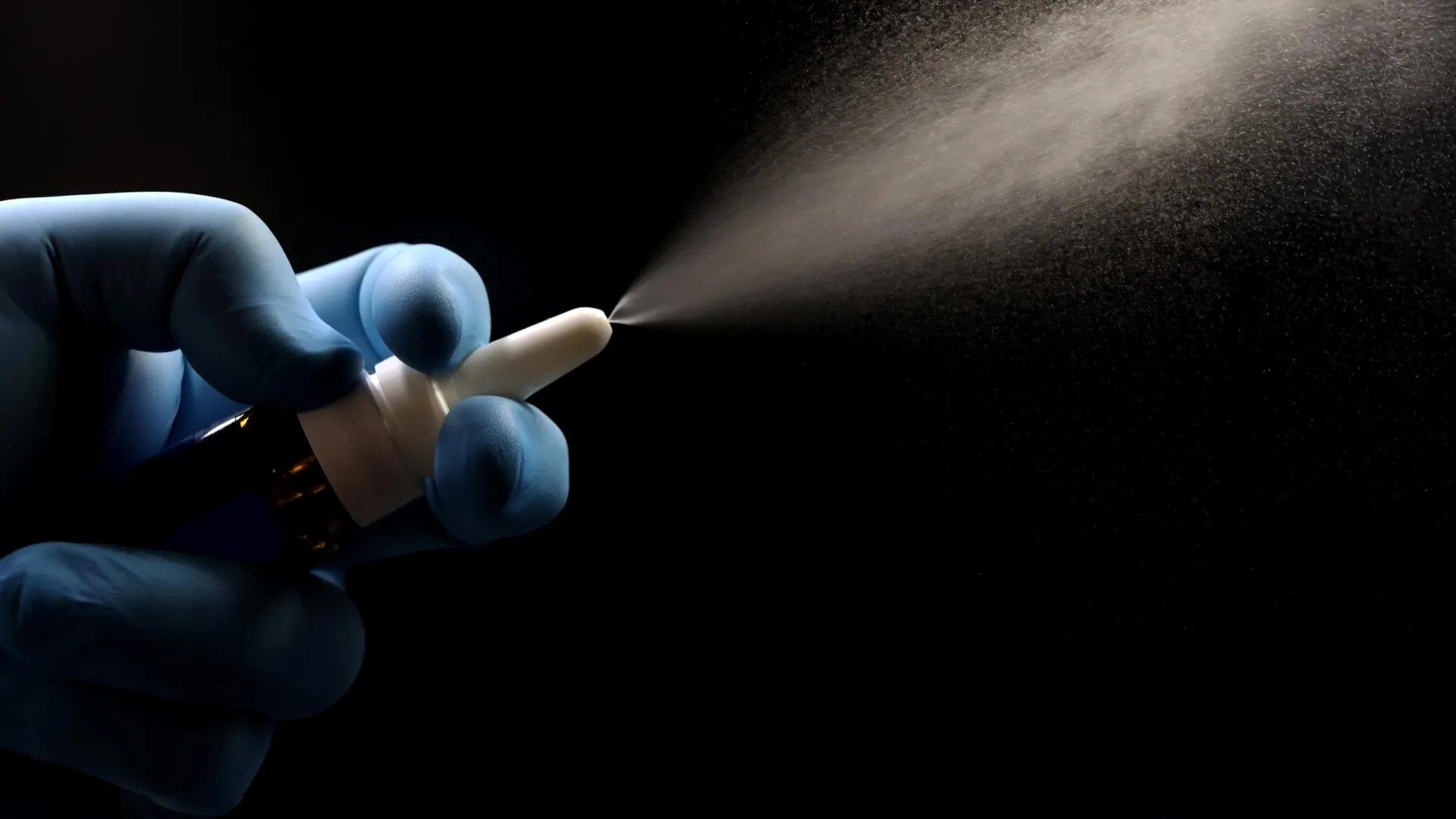
The specter of a global pandemic looms large as the highly pathogenic H5N1 avian influenza virus, commonly known as bird flu, continues its concerning trajectory in the United States and beyond. First identified in U.S. wild bird populations in 2014, the virus has demonstrated a disturbing adaptability, migrating from its avian reservoir into a widening array of farm animals, including cattle, and, critically, infecting humans. The Centers for Disease Control and Prevention (CDC) reports that since 2022, over 70 human cases of H5N1 have been documented in the U.S., with two fatalities underscoring the potential severity of human infection. Scientists are sounding an alarm: the ongoing circulation of H5N1 among animal populations presents a persistent risk of viral adaptation, potentially enhancing its ability to spread efficiently between humans and sparking a future pandemic.
In response to this escalating threat, researchers at Washington University School of Medicine in St. Louis have developed a promising new vaccine candidate delivered intranasally. Unlike conventional vaccines administered via injection, this novel approach targets the upper respiratory tract directly, aiming to elicit a more robust and localized immune response. Preclinical studies conducted in hamsters and mice have yielded encouraging results, demonstrating that the intranasal vaccine successfully induced strong immune responses and provided complete protection against H5N1 infection following exposure.
Addressing Vaccine Immunity Challenges
A significant hurdle in the development of effective influenza vaccines, including those for avian strains, is the impact of pre-existing immunity. Prior exposure to seasonal flu viruses or previous influenza vaccinations can sometimes dampen the immune system’s response to new vaccine formulations. However, the Washington University team has reported that their intranasal H5N1 vaccine appears to circumvent this challenge. Their research indicates that the nasal vaccine maintained its efficacy even in animal models that already possessed immunity to seasonal influenza, a crucial finding given that a large portion of the human population, excluding very young children, has some level of pre-existing flu immunity.
The comprehensive findings of this groundbreaking study were published on January 30th in the esteemed scientific journal Cell Reports Medicine.
A Proactive Stance Against Pandemic Potential
Dr. Jacco Boon, a professor in the John T. Milliken Department of Medicine at WashU Medicine and co-senior author of the study, emphasized the urgency of the current situation. "This particular version of bird flu has been around for some time, but the unique and totally unexpected event where it jumped across species into dairy cows in the United States was a clear sign that we should prepare for the event that a pandemic may occur," Dr. Boon stated. He elaborated on the advantages of their intranasal vaccine: "Our vaccine to the nose and upper airway — not the shot-in-the-arm vaccine people are used to — can protect against upper respiratory infection as well as severe disease. This could provide better protection against transmission because it protects against infection in the first place." This dual protection, preventing infection at the entry point and mitigating severe illness, represents a significant advancement in pandemic preparedness.
Updating Bird Flu Vaccine Technology
The existing vaccine against bird flu, while a critical tool, faces limitations. It was developed using older strains of the virus and may not offer optimal protection against the current circulating H5N1 variants. Furthermore, its widespread availability has been a concern. To address these shortcomings, Dr. Boon and his colleagues leveraged advanced nasal vaccine technology previously pioneered at WashU Medicine by co-authors Dr. Michael S. Diamond, the Herbert S. Gasser Professor of Medicine, and Dr. David T. Curiel, a professor of radiation oncology.
This same innovative platform has been instrumental in the development of a COVID-19 vaccine, which has been available in India since 2022 and received approval for clinical testing in the U.S. last year, further validating the platform’s potential.
Designing an Immune Response Tailored to the Virus
For any vaccine to be truly effective, it must elicit a rapid and potent immune response that can precisely target the invading pathogen. To achieve this with their H5N1 vaccine, Dr. Boon and his co-author Dr. Eva-Maria Strauch, an associate professor of medicine specializing in antivirals and protein design, meticulously selected key proteins from H5N1 strains known to infect humans. By identifying and utilizing conserved features of these viral proteins, they engineered an optimized antigen – the specific component of the virus that triggers an immune reaction.
This carefully designed antigen was then incorporated into a harmless, non-replicating adenovirus, which acts as a sophisticated delivery vehicle for the vaccine. This strategic approach to antigen design and adenovirus-mediated delivery closely mirrors the successful methodology employed for the development of the aforementioned COVID-19 nasal vaccine.
Unprecedented Protection Demonstrated in Animal Studies
The efficacy of the intranasal H5N1 vaccine was rigorously tested in animal models, specifically hamsters and mice. The results were striking: researchers observed near-complete protection against H5N1 infection across both species. This level of protection far surpassed that offered by existing seasonal flu vaccines, which, as anticipated, provided minimal defense against the avian influenza virus. In a direct comparison, the intranasal spray vaccine consistently outperformed the same vaccine when delivered via a traditional intramuscular injection, highlighting the superiority of the mucosal delivery route for this specific pathogen.
Remarkably, the vaccine demonstrated robust efficacy even when administered at low doses and subsequently challenged with high concentrations of the virus. This resilience suggests a significant capacity for the vaccine to induce a durable and potent protective immune response.
Blocking Viral Entry at the Source: Nose and Lungs
The intranasal administration of the vaccine resulted in a widespread immune response throughout the body, with particularly pronounced activity observed in the nasal passages and the broader respiratory tract. Dr. Boon underscored the significant advantage of this approach over conventional injected vaccines: "Delivering vaccine directly to the upper airway where you most need protection from respiratory infection could disrupt the cycle of infection and transmission. That’s crucial to slowing the spread of infection for H5N1 as well as other flu strains and respiratory infections." By targeting the primary entry point of the virus, the nasal vaccine not only aims to prevent infection but also to significantly reduce the potential for onward transmission.
Dr. Diamond further elaborated on the implications: "We’ve shown that this nasal vaccine delivery platform we conceived, designed and conducted initial testing on at WashU Medicine can prevent H5N1 infection from taking hold in the nose and lungs." This localized protection is paramount for respiratory viruses, as it can disrupt the chain of infection at its earliest stages, thereby mitigating the risk of severe illness and widespread community transmission.
Overcoming the Barrier of Pre-existing Immunity
A critical aspect of the research involved investigating the impact of pre-existing immunity from prior seasonal flu infections or vaccinations on the H5N1 nasal vaccine’s performance. The findings were highly encouraging: the intranasal vaccine continued to confer strong protection even in the presence of established flu immunity. This is a pivotal factor for its potential real-world application, as the vast majority of the human population, with the exception of infants, has encountered influenza viruses throughout their lives. The ability of the H5N1 nasal vaccine to effectively overcome this immunological "noise" significantly enhances its prospects for broad public health utility.
The Path Forward for the Nasal H5N1 Vaccine
The research team is now focused on the next crucial steps in the development pipeline. They plan to conduct further comprehensive studies in animal models and in advanced organoid systems that accurately mimic human immune tissues. Concurrently, efforts are underway to develop refined versions of the vaccine. These updated formulations aim to further minimize the influence of pre-existing seasonal flu immunity and to amplify antiviral immune responses, thereby enhancing overall protection.
The significant progress in this research was made possible through funding from the Cooperative Center for Human Immunology (U19AI181103) and the Center for Research on Structural Biology of Infectious Diseases (75N93022C00035).
It is important to note potential conflicts of interest declared by researchers involved in this study. The Boon laboratory has received funding from Novavax Inc. for influenza virus vaccine development and unrelated funding support from AbbVie Inc. Dr. Diamond serves as a consultant for or sits on the Scientific Advisory Board of Inbios, IntegerBio, Akagera Medicines, GlaxoSmithKline, Merck, and Moderna. Additionally, the Diamond laboratory has received unrelated funding support through sponsored research agreements from Moderna. These disclosures are standard practice in scientific research and are provided to ensure transparency.
Broader Implications for Pandemic Preparedness
The development of this intranasal H5N1 vaccine holds profound implications for global public health and pandemic preparedness. The current landscape of influenza viruses is dynamic, with H5N1 demonstrating a concerning capacity for adaptation and interspecies transmission. The recent spillover into dairy cattle herds in the U.S. marks a significant turning point, increasing the interfaces for potential human exposure and raising the stakes for effective countermeasures.
The United States, in particular, has witnessed a concerning uptick in H5N1 activity. The detection of the virus in dairy cows, a species not previously associated with widespread H5N1 outbreaks, has prompted increased surveillance and concern among public health officials. While human infections have remained relatively rare and primarily linked to direct contact with infected animals, the potential for sustained human-to-human transmission cannot be ignored.
The existing inactivated influenza vaccines (IIVs) against H5N1 have faced challenges with manufacturing capacity and the time required for production and distribution in the event of an outbreak. Furthermore, their efficacy against newer, highly divergent H5N1 clades has been questioned. The WashU Medicine nasal vaccine, built on a platform that has already demonstrated success with COVID-19, offers a potentially faster and more adaptable approach.
A Paradigm Shift in Vaccine Delivery
The move towards intranasal vaccines represents a paradigm shift in how we approach respiratory viral infections. Traditional intramuscular vaccines primarily induce systemic immunity, which may not be as effective at blocking viral replication at the mucosal surfaces of the respiratory tract, the initial site of infection for influenza viruses. Intranasal vaccines, by contrast, are designed to stimulate mucosal immunity, generating antibodies and other immune cells directly in the nose and throat. This localized defense is crucial for preventing viral entry and replication, thereby reducing the likelihood of both symptomatic illness and transmission.
The ability of this H5N1 nasal vaccine to overcome pre-existing immunity is particularly significant. This means that a larger proportion of the population could potentially benefit from its protective effects, even those who have been previously vaccinated against seasonal flu. This is a critical advantage in a pandemic scenario, where rapid and widespread immunity is essential to curb viral spread.
Economic and Social Ramifications of H5N1
The potential for H5N1 to cause a pandemic carries immense economic and social ramifications. Beyond the direct human health toll, including mortality and long-term morbidity, a widespread outbreak could cripple global economies. Disruptions to supply chains, travel, and daily life could be severe. Agricultural sectors, particularly poultry and livestock industries, could face devastating losses due to culling and trade restrictions. The psychological impact on populations, characterized by fear and uncertainty, could also be profound.
Therefore, the development of effective and rapidly deployable vaccines like the one pioneered by the Washington University team is not merely a scientific endeavor but a critical investment in global security and stability. The ongoing research into refining antigen design and delivery mechanisms will be crucial in ensuring that this vaccine, and others like it, are robust enough to combat evolving viral threats. The collaborative efforts between academic institutions, public health agencies, and potentially private sector partners will be vital in translating these promising preclinical findings into a tangible public health solution. The journey from laboratory innovation to widespread clinical use is often long and complex, but the potential reward – averting a catastrophic pandemic – is immeasurable.
