
 By George Ongkojoyo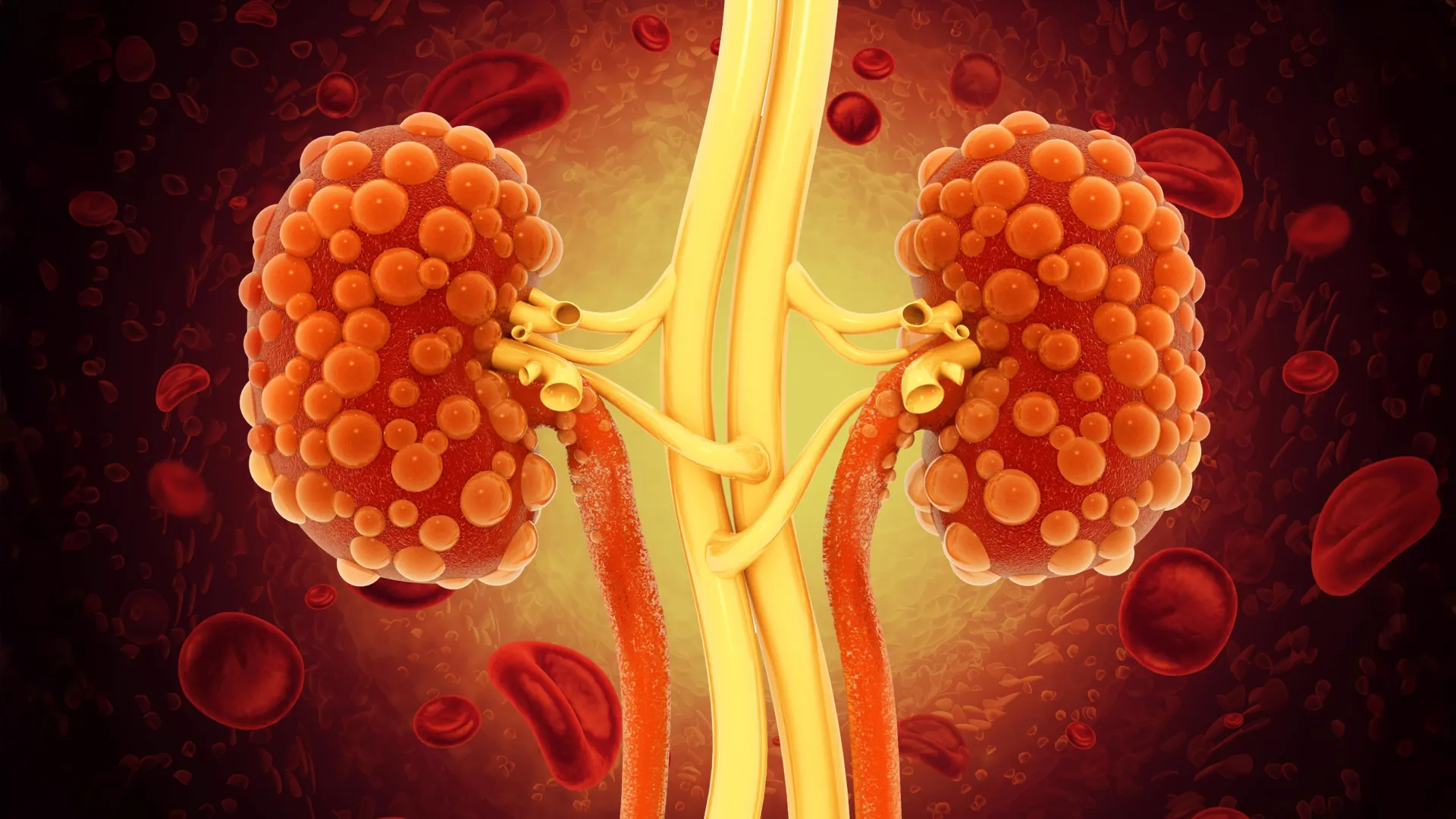
Polycystic kidney disease (PKD) remains one of the most challenging inherited conditions in modern nephrology, characterized by the relentless development of fluid-filled cysts that eventually compromise renal function. In a significant leap forward for precision medicine, researchers at the University of California, Santa Barbara (UCSB) have published a study in Cell Reports Medicine detailing a breakthrough in therapeutic delivery. By re-engineering monoclonal antibodies to penetrate the normally impenetrable walls of kidney cysts, the team has identified a potential pathway to halt the progression of a disease that currently has no cure. This development offers a new glimmer of hope for the millions of individuals worldwide who face the prospect of lifelong dialysis or organ transplantation.
Understanding the Pathophysiology of Polycystic Kidney Disease
Polycystic kidney disease is primarily a genetic disorder, often categorized into two forms: Autosomal Dominant PKD (ADPKD), which typically manifests in adulthood and is the most common inherited kidney disorder, and Autosomal Recessive PKD (ARPKD), a rarer and more severe form appearing in infancy. The hallmark of the disease is the formation of thousands of cysts within the nephrons—the functional units of the kidney. As these cysts expand, they exert pressure on healthy tissue, leading to inflammation, fibrosis, and eventual organ failure.
The biological mechanism driving this growth is a self-sustaining cycle of cellular activation. Within the sealed chambers of these cysts, epithelial cells undergo abnormal proliferation. These cells secrete growth factors into the trapped cyst fluid, which then bind back to receptors on the same cells. This autocrine and paracrine signaling loop creates a "never-ending scheme," as described by UCSB biologist and senior author Thomas Weimbs. Because the cysts are isolated from the general circulation by a tight layer of epithelial cells, standard systemic treatments often fail to reach the internal site of the disease-driving activity.
The Limitations of Current Pharmacological Interventions
Currently, the therapeutic landscape for PKD is remarkably sparse. For decades, treatment focused solely on managing symptoms, such as hypertension and pain. The only drug currently approved by the FDA and international regulatory bodies to slow the expansion of cysts is Tolvaptan, a vasopressin V2-receptor antagonist. While Tolvaptan has shown efficacy in slowing the decline of kidney function, it is frequently associated with significant side effects. Patients often report extreme thirst (polydipsia) and excessive urination (polyuria), which can severely impact quality of life. More critically, the drug carries a risk of serious liver toxicity, necessitating frequent and rigorous monitoring.
Small-molecule drugs, while capable of entering various tissues, often lack the specificity required to target cyst-lining cells without affecting healthy renal tissue. This lack of selectivity leads to off-target effects and limits the dosage that can be safely administered. The medical community has long sought a more "surgical" pharmacological approach—one that can deliver a potent inhibitory payload directly into the cyst environment while sparing the rest of the kidney.
A Paradigm Shift: From IgG to dIgA Antibodies
Monoclonal antibodies (mAbs) have revolutionized the treatment of cancer and autoimmune diseases due to their ability to target specific proteins with high precision. However, the standard format for these antibodies is Immunoglobulin G (IgG). While IgG is highly effective in the bloodstream and interstitial spaces, it is a large, bulky molecule. In the context of PKD, the epithelial lining of the cysts acts as a physical barrier that IgG cannot cross. Consequently, traditional antibody therapies have been unable to reach the signaling receptors located on the interior of the cyst walls.
The UCSB research team, led by Weimbs and lead author Margaret F. Schimmel, pivoted to a different class of antibody: dimeric Immunoglobulin A (dIgA). In the human body, dIgA is a vital component of the mucosal immune system. It is found in tears, saliva, and the lining of the gastrointestinal and respiratory tracts. Its unique biological function is to move across epithelial layers to provide a first line of defense against pathogens.
This ability to traverse membranes is mediated by the polymeric immunoglobulin receptor (pIgR), which is expressed on the surface of epithelial cells. The UCSB team hypothesized that if they could engineer an antibody with a dIgA "backbone," it could hijack this natural transport system. Essentially, the antibody would bind to the pIgR on the outside of the kidney cyst and be transported in a one-way direction into the interior fluid, where it could then attack the growth receptors.
Chronology of the Discovery and Experimental Validation
The journey toward this breakthrough began nearly a decade ago. In 2015, Weimbs and his colleagues published a theoretical paper proposing that dIgA could serve as a vehicle for drug delivery in PKD. The hypothesis was based on the observation that the epithelial cells lining PKD cysts continue to express the receptors necessary for dIgA transport, even though they are no longer part of a normal mucosal surface.
Following years of molecular engineering, the researchers successfully modified the DNA sequence of a standard IgG antibody, replacing its constant region with that of a dIgA. This "re-backboning" preserved the antibody’s ability to recognize its target—in this case, the cell mesenchymal-epithelial transition (cMET) receptor—while gaining the ability to cross the cyst wall.
The team then moved to preclinical testing using mouse models of PKD. The results, published in the recent Cell Reports Medicine study, provided empirical validation of the 2015 hypothesis:
- Successful Entry: Fluorescent labeling confirmed that the dIgA antibodies successfully penetrated the cyst interiors, whereas the IgG counterparts remained excluded.
- Persistence: Once inside the cysts, the dIgA antibodies remained stable and active within the fluid, providing a sustained therapeutic presence.
- Target Engagement: The antibodies successfully bound to the cMET receptors, which are known drivers of the uncontrolled cell division seen in PKD.
- Induction of Apoptosis: Most significantly, the treatment triggered a "dramatic onset" of apoptosis—programmed cell death—specifically in the cyst-lining cells.
Statistical Significance and Safety Data
The data presented in the study highlight a crucial distinction in safety profiles. While the dIgA treatment was lethal to the cyst-driving cells, the researchers observed no noticeable harmful effects on healthy renal tissue. This high level of selectivity is the "holy grail" of PKD research. In the mouse models, the activity of the cMET receptor was significantly downregulated, leading to a measurable reduction in the growth signals that fuel cyst expansion.
The research also addressed the potential for systemic toxicity. Because dIgA is a naturally occurring protein in human secretions, the engineered versions are expected to be well-tolerated by the immune system. Furthermore, the one-way nature of the transport mechanism ensures that the "medicine" is concentrated where it is needed most, reducing the concentration of the drug required in the general circulation.
Implications for Future Treatment and Clinical Application
The success of the cMET-targeting dIgA antibody opens the door to a "modular" approach to PKD therapy. As Weimbs noted, the scientific literature identifies dozens of growth factors present in cyst fluid, including Epidermal Growth Factor (EGF) and Hepatocyte Growth Factor (HGF). The dIgA platform could theoretically be adapted to target any of these factors, or even multiple factors simultaneously.
"We can combine different antibodies against different receptors at the same time," Weimbs stated. This "cocktail" approach is similar to how modern oncology and HIV treatments operate, attacking the disease from multiple angles to prevent the cells from developing resistance or finding alternative growth pathways.
However, the transition from a laboratory setting to human clinical trials is a complex process. The researchers are currently seeking industry partners to help navigate the rigorous regulatory requirements of the FDA. The next steps involve scaling up the production of these specialized antibodies and conducting further safety trials in larger animal models before human subjects can be enrolled.
Broader Impact on Nephrology and Biotechnology
The implications of this study extend beyond Polycystic Kidney Disease. The successful use of dIgA as a "shuttle" across epithelial barriers could potentially be applied to other diseases where traditional drug delivery is hindered by membrane barriers. This includes certain types of epithelial cancers or inflammatory conditions of the secretory organs.
From a healthcare economics perspective, the development of an effective PKD treatment could save billions of dollars in long-term costs. In the United States alone, the cost of treating end-stage renal disease (ESRD) via dialysis and transplantation exceeds $50 billion annually. Because PKD is a leading cause of ESRD, a therapy that can delay or prevent the need for dialysis would have a profound impact on public health budgets and patient longevity.
Funding and Collaborative Efforts
This research was a collaborative effort within the Department of Molecular, Cellular, and Developmental Biology at UC Santa Barbara. The study was supported by grants from the National Institutes of Health (NIH) and the U.S. Department of Defense (DoD), reflecting the high level of priority placed on finding solutions for genetic kidney disorders.
The research team included lead author Margaret F. Schimmel, alongside Bryan C. Bourgeois, Alison K. Spindt, Sage A. Patel, Tiffany Chin, Gavin E. Cornick, and Yuqi Lu. Their collective work marks a pivotal moment in the fight against PKD, moving the field away from general systemic drugs and toward a future of precision, antibody-based immunotherapy. While the path to a commercialized cure remains long, the "Trojan Horse" strategy of dIgA delivery has fundamentally changed the understanding of how to reach and treat the hidden interior of kidney cysts.
