
 By admin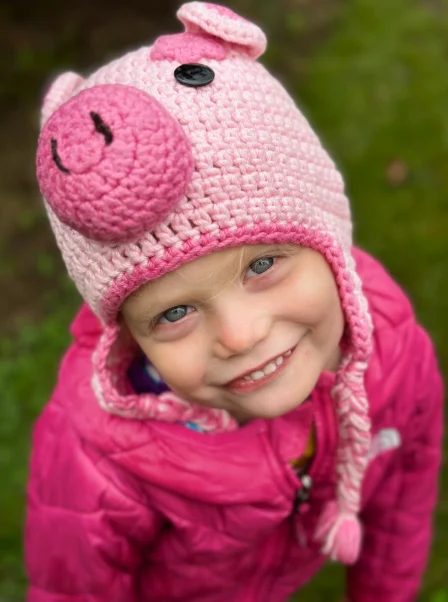
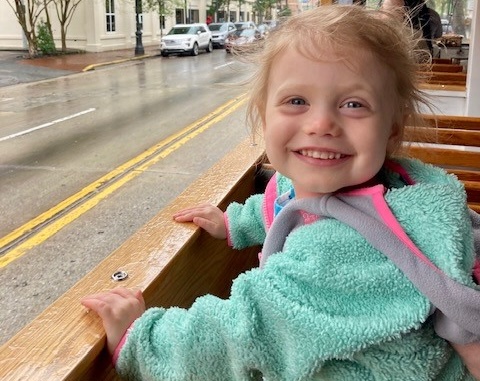
The sight of seven-year-old Ella skipping toward her mother’s car after dance class, her face alight with laughter as she trades jokes with her peers, is a scene of domestic normalcy that belies a harrowing medical history. For her mother, Christina, these moments are a recurring miracle, a living testament to the efficacy of targeted medical research and the power of philanthropic intervention. Ella is a survivor of M7-AML, a rare and exceptionally aggressive subtype of acute myeloid leukemia that carries a prognosis so grim that, at the time of her diagnosis, medical expectations did not foresee her reaching her third birthday. Today, Ella is not only surpassing those expectations but is thriving in kindergarten, participating in youth soccer, and mastering the fundamentals of literacy. Her survival is the result of a decades-long scientific endeavor and a radical new model of funding for pediatric oncology.
The Clinical Challenge of M7-AML
Acute Myeloid Leukemia (AML) represents approximately 20% of all pediatric leukemias, yet it accounts for a disproportionate number of deaths due to its resistance to conventional therapies. Within the spectrum of AML, the M7 subtype—also known as acute megakaryoblastic leukemia—is particularly formidable. Characterized by the malignant proliferation of megakaryoblasts, the cells responsible for producing platelets, M7-AML often presents with extensive bone marrow fibrosis and a rapid clinical decline.
Historically, the treatment for M7-AML has relied on high-dose "cytotoxic" chemotherapy, a blunt-force approach that kills rapidly dividing cells throughout the body. While this can induce remission, the collateral damage to a developing child’s organs, immune system, and cognitive function is often severe and lifelong. Furthermore, the relapse rate for M7-AML is significantly higher than other forms of leukemia, and once the cancer returns, the survival odds plummet. For children like Ella, the traditional medical roadmap offered few exits from a cycle of toxic treatments and uncertain outcomes.
A Scientific Pivot: Dr. Soheil Meshinchi’s Research
The shift in Ella’s trajectory began years before she was born, in the laboratories of the Fred Hutchinson Cancer Center in Seattle. Dr. Soheil Meshinchi, a renowned pediatric oncologist and researcher, recognized that the "one-size-fits-all" approach to leukemia was failing the most vulnerable patients. Dr. Meshinchi dedicated his career to identifying the specific genetic and molecular drivers of rare AML subtypes.
His objective was to move away from systemic chemotherapy toward a "targeted" immunotherapy. This approach involves identifying unique proteins or "targets" present on the surface of cancer cells but absent from healthy cells. By engineering the body’s own immune system to recognize and attack these specific markers, researchers hoped to create a "one-and-done" treatment—a therapy that could eradicate the cancer with surgical precision while sparing the rest of the child’s body from the ravages of chemical toxins.
This research represents the "Holy Grail" of oncology: a treatment that is both more effective and significantly less harsh. However, the path from a laboratory discovery to a bedside treatment is fraught with systemic hurdles, most notably the lack of traditional investment in rare pediatric diseases.
The Economic Gap in Pediatric Oncology
Despite the scientific promise of Dr. Meshinchi’s work, he faced a roadblock common in the field of rare diseases: the lack of commercial viability. Pharmaceutical companies, which provide the bulk of funding for adult cancer trials, often find little incentive to invest in pediatric subtypes like M7-AML. Because the number of patients diagnosed each year is statistically small, the potential return on investment for a specialized drug is negligible compared to treatments for common adult cancers like lung or breast cancer.
"Since the number of patients seen in a year with this kind of AML is so small, there’s no interest from drug companies to support this," Dr. Meshinchi explained. "The biggest hurdle to this work is financial."
This funding gap often leaves groundbreaking research "stranded" in the laboratory, unable to progress to the clinical trial phase where it can actually save lives. For parents like Christina, who spent hours researching potential lifelines for their daughter, this realization was sobering. The science existed to save their children, but the capital did not.

A New Model of Philanthropy: The Role of CCRF
Recognizing that Ella’s future depended on the advancement of Dr. Meshinchi’s trial, her family took an unconventional route, partnering with the Children’s Cancer Research Fund (CCRF). Together, they bypassed traditional corporate funding structures and turned to a grassroots network of donors, foundations, and other families affected by pediatric cancer.
This collaborative effort successfully raised over $1.3 million, a critical influx of capital that allowed Dr. Meshinchi to move his work into the clinical phase. However, the CCRF’s contribution extended beyond mere fundraising. The organization provided the administrative and logistical infrastructure necessary to sustain long-term research. They coordinated a national network of stakeholders, ensuring that data was shared across institutions and that the momentum of the research was not lost to bureaucratic silos.
By April 2025, this sustained support culminated in a major milestone: the enrollment of the first pediatric patient in a clinical trial for this revolutionary AML treatment. The speed with which the project moved from target discovery to human trials was unprecedented in the field of pediatric oncology, shaving years off the traditional development timeline.
Establishing the Pediatric AML Collaborative
The success of Ella’s case and Dr. Meshinchi’s research served as a proof of concept for a broader initiative. To address the systemic failures that plague pediatric cancer research, the CCRF has launched the Pediatric AML Collaborative. This national alliance is designed to formalize the cooperation between families, clinicians, and researchers, creating a unified front against acute myeloid leukemia.
The Collaborative aims to solve several persistent problems in the field:

- Data Fragmentation: Currently, patient data is often scattered across various hospitals and research centers, making it difficult for scientists to identify patterns or recruit enough patients for rare disease trials. The Collaborative will centralize this data, providing a more robust foundation for discovery.
- Inconsistent Funding: By creating a dedicated pipeline for AML research, the Collaborative seeks to move away from the "stop-and-start" nature of donation-based funding, ensuring that promising science does not "peter out" due to a lack of resources.
- Delayed Access: The Collaborative focuses on reducing the time it takes for a laboratory breakthrough to reach the clinic, ensuring that children facing aggressive cancers do not have to wait for treatments that are technically already possible.
This model shifts the burden of progress away from individual parents. In the past, families were often forced to act as fundraisers and advocates while simultaneously caring for a critically ill child. The Pediatric AML Collaborative seeks to create a sustainable, institutionalized system that prioritizes the lives of children over the profitability of the drug market.
Analysis of Implications and Future Outlook
The implications of this shift are profound. For the medical community, the success of Dr. Meshinchi’s "one-and-done" approach could signal a new era where pediatric cancer is managed with precision medicine rather than the "scorched earth" policy of traditional chemotherapy. This would not only increase survival rates but also significantly improve the long-term quality of life for survivors, who currently face high risks of secondary cancers, heart disease, and infertility due to the toxicity of their early treatments.
For the philanthropic sector, the partnership between the CCRF and the Meshinchi lab provides a blueprint for how donor-funded research can disrupt the traditional medical-industrial complex. When private interests fail to address a public health need, targeted philanthropy can act as the "venture capital" for life-saving science.
As Ella continues her journey through childhood—marked by soccer games and dance recitals rather than hospital stays—her story stands as a beacon for thousands of other families. The $1.3 million raised and the subsequent launch of the clinical trial represent more than just a financial transaction; they represent a fundamental change in how society values the lives of children with rare diseases.
"This is as close to a Holy Grail of cancer therapy that I think we’ve ever come," said Dr. Meshinchi. The challenge now lies in ensuring that this "Holy Grail" becomes the standard of care for every child, regardless of the rarity of their diagnosis. Through the Pediatric AML Collaborative, the hope is that stories like Ella’s will cease to be miracles and instead become the expected outcome for every child battling leukemia.
